TLDR
• Core Points: The 2027 S-Class introduces AI-enhanced ride comfort, with perceptible improvements like heated seat belt technology and adaptive systems designed for better passenger experience.
• Main Content: Updates focus on comfort and responsiveness, leveraging AI to tune suspension, climate, and seating, while maintaining safety and traditional Mercedes luxury.
• Key Insights: AI-driven personalization and real-time data processing aim to reduce motion discomfort and raise perceived quality without compromising performance.
• Considerations: The effectiveness of AI features depends on real-world conditions, maintenance of new systems, and user adoption of advanced settings.
• Recommended Actions: Prospective buyers should test-drive the AI-enabled S-Class variants and review customization options to tailor comfort profiles.
Content Overview
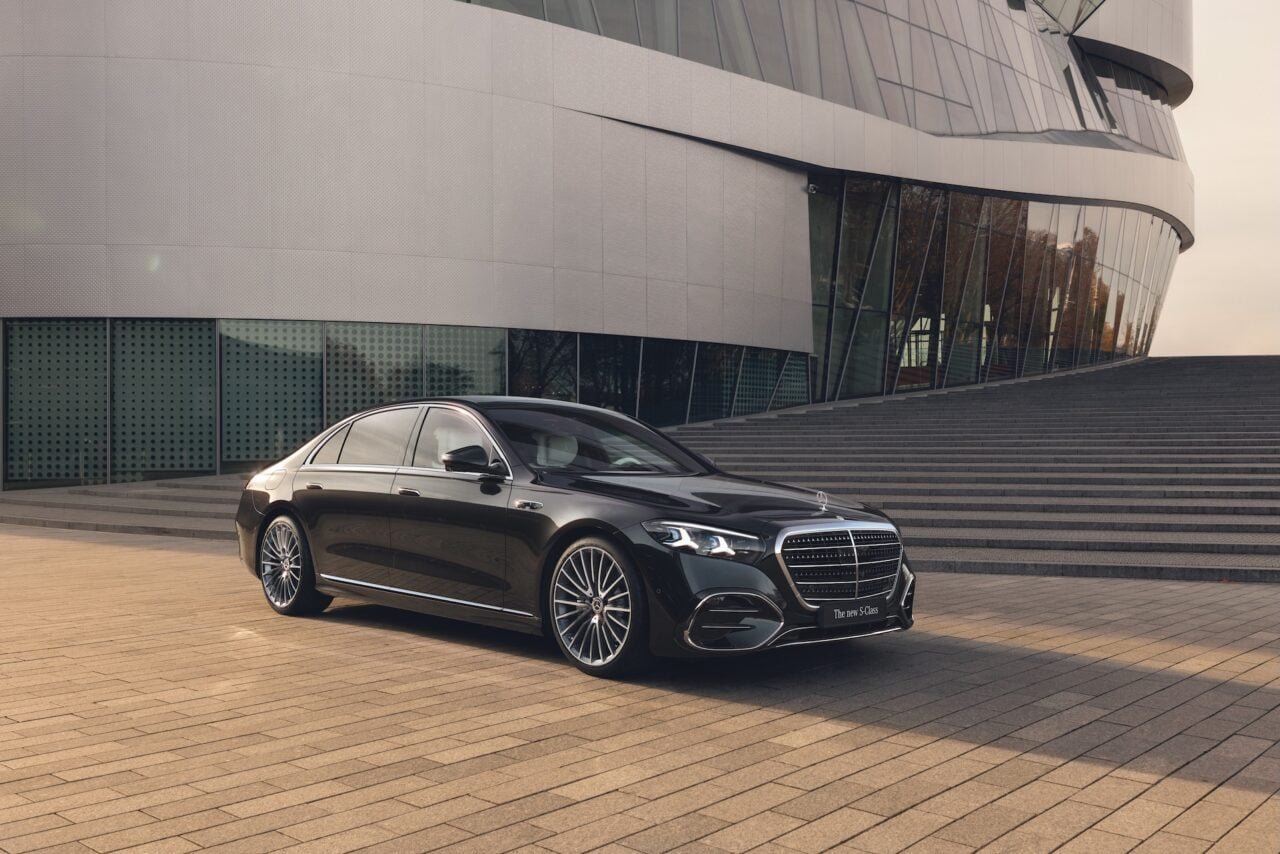
Mercedes-Benz has long positioned the S-Class as the flagship of its sedan lineup, showcasing a blend of advanced engineering, luxury materials, and cutting-edge technology. The 2027 iteration seeks to elevate passenger comfort by integrating artificial intelligence into the vehicle’s chassis, seating, climate control, and safety systems. While many readers will be familiar with Mercedes’ tradition of smooth rides and refined interiors, the automaker emphasizes that the new AI-driven features are designed to respond to dynamic driving conditions and individual passenger preferences in real time. Among the notable updates are systems that influence the ride feel and a variety of comfort-enhancing technologies, including more tangible elements like heated seat belts—an example of how AI-enabled comfort can extend beyond conventional luxury amenities. This article examines what the 2027 S-Class brings to the table, how the AI components operate, and what this means for owners and automotive enthusiasts.
In-Depth Analysis
The core aspiration of the 2027 S-Class is to deliver a consistently smoother ride by using artificial intelligence to interpret, predict, and respond to road conditions, driving styles, and passenger needs. The car aggregates data from multiple sensors—accelerometers, gyroscopes, wheel-speed sensors, cameras, radar, lidar, and occupant sensing devices—to form a holistic understanding of the cabin environment and the vehicle’s dynamics. AI processing enables rapid adjustments to suspension tuning, damping force, roll stabilization, and engine and transmission mapping when appropriate, with the aim of minimizing pitch, jotting, and turbulence that can contribute to motion discomfort.
A key design philosophy is to balance comfort with performance. Mercedes-Benz asserts that AI-driven adjustments are not about softening the ride at the expense of control; rather, they seek to preserve or even enhance the traditional S-Class ride quality while maintaining precise handling and responsiveness. Real-time data interpretation allows the suspension to preemptively adapt to expected road irregularities, such as expansion joints, potholes, or uneven pavement, based on historical patterns and live conditions. This predictive capability can mitigate sudden jolts and provide a more serene cabin experience, especially on longer journeys or high-speed highway stretches.
Comfort-focused innovations extend to seating and climate systems. The 2027 model introduces AI-assisted climate management that can anticipate passenger comfort needs before those needs are explicitly stated. For instance, if sensors detect body temperature fluctuations, occupancy patterns, or collective cabin occupancy, the system can adjust airflow, temperature, and humidity to individual zones. The heated seat belt feature embodies a broader trend toward haptic and thermally assisted comfort: by warming the belt material itself, occupants experience a subtler sense of warmth that complements seat and cabin temperature management. While at first glance such a feature may seem incremental, it illustrates how AI in this generation of S-Class seeks to integrate comfort into multiple touchpoints, transforming everyday interactions with the vehicle into a more luxurious routine.
Infotainment and driver assistance systems receive complementary enhancements through AI. The vehicle can learn driver preferences for seat position, mirror angle, and preferred ambient lighting, then automatically apply these settings upon entry. In cooperative scenarios, AI can support more intuitive interactions between the vehicle’s systems and the occupant, reducing the cognitive load during critical moments like merging lanes, slowing for traffic, or negotiating complex urban environments. Mercedes-Benz emphasizes that the AI suite operates with strict safety protocols, ensuring that automation never undermines driver oversight and that disengagement remains simple and straightforward.
On the safety front, the S-Class continues to expand its sensor suite with redundancy, high-resolution mapping, and improved situational awareness. AI-powered interpretation of sensor data helps distinguish true threats from environmental noise, enabling more accurate adaptive cruise control, lane-keeping assistance, and collision avoidance. The objective remains steadfast: to minimize risk while maximizing comfort. The system is designed to function in a wide range of weather and lighting conditions, leveraging machine learning models trained on diverse scenarios to maintain reliability. However, Mercedes-Benz also notes that the AI features are not a substitute for attentive driving and that the human operator retains ultimate responsibility.
From a design and engineering perspective, the 2027 S-Class demonstrates how Mercedes-Benz is integrating AI into the vehicle architecture without sacrificing the brand’s hallmark qualities: a quiet cabin, reduced NVH (noise, vibration, and harshness), and a sense of effortless power. The ride quality gains are not solely attributable to software. They are supported by improvements to chassis hardware, such as tuned dampers, refined suspension geometry, and advanced materials that work in concert with AI-driven controls. The company points to a mindful calibration process that balances dynamic performance and comfort, ensuring the ride remains composed even in challenging road conditions.
The user experience is expected to be substantially affected by AI personalization. For example, the car can recognize habitual routes and driving contexts, adapting the level of damping and steering feel accordingly. Passengers may also experience more refined climate personalization, particularly in the rear seats, where long-haul comfort is a focal point. The AI also underpins predictive maintenance prompts and diagnostics that help owners keep the vehicle in optimal condition, potentially preventing disruptions caused by avoidable issues. While the technology promises a higher degree of refinement, it also requires robust cybersecurity and regular software updates to maintain protection against evolving threats.
In market terms, the 2027 S-Class enters a competitive field where luxury sedans are increasingly differentiated by digital ecosystems rather than solely mechanical prowess. The German automaker is banking on the combination of a renowned comfort-oriented ride and a sophisticated AI layer as a unique selling proposition. The core value proposition remains unchanged: a flagship sedan that embodies luxury, performance, and innovation, now with AI-driven personalization and comfort enhancements designed to make every journey more enjoyable for occupants.
The heated seat belt concept, a tangible example of the new comfort features, represents how Mercedes-Benz is exploring practical, passenger-facing technologies that can improve daily usability. While traditional seatbelts focus primarily on safety, the integration of warmth adds a perception of premium care without complicating existing restraint systems. This feature may also serve to illustrate the broader principle of AI-assisted ergonomics—where the vehicle learns and responds to human comfort cues in real time. It is important to note that such features must meet safety standards and be compatible with other vehicle safety systems to avoid unintended consequences during a crash event or abrupt deceleration.
Despite the optimism surrounding AI-enabled comfort, several considerations remain. The real-world effectiveness of AI in improving comfort depends on a variety of factors, including road textures, weather, traffic density, and individual sensitivity to motion. The learning period for AI personalization may require some usage data collection, and some users may prefer more manual control over ride settings. Moreover, the complexity of AI systems necessitates careful maintenance, regular software updates, and attention to cybersecurity to mitigate potential vulnerabilities. As with any advanced technology, there is a trade-off between convenience and potential system reliability concerns, particularly in scenarios with limited connectivity or software glitches.
In terms of ownership experience, Mercedes-Benz emphasizes that the 2027 S-Class is designed to be a long-term, continually evolving platform. OTA (over-the-air) software updates allow new features and refinements to be deployed after the car leaves the factory, expanding capabilities without requiring a physical service visit. This approach aligns with broader industry moves toward software-defined vehicles, where the car’s capabilities grow over time as machine learning models are refined and new data is collected from vehicle fleets. Customers should anticipate occasional adjustments to performance parameters as AI models are retrained with broader usage data, which can translate into incremental changes in ride feel or response characteristics.
For potential buyers, the decision to invest in an AI-rich S-Class should weigh the expected improvements against the cost, maintenance, and optionality of features. The vehicle’s luxury positioning means a higher price point, and many AI features may come as part of higher trims or optional packages. Prospective owners should consider how much value they place on personalized ride comfort, climate control sophistication, and autonomous safety enhancements, and whether those benefits align with their typical driving patterns and occupancy profiles.

*圖片來源:Unsplash*
In sum, the 2027 Mercedes-Benz S-Class signals a deliberate push toward AI-enabled ride refinement that seeks to elevate passenger comfort while maintaining the model’s long-standing emphasis on luxury, safety, and performance. The heated seat belt innovation represents a symbolic step in this journey, illustrating how Mercedes-Benz intends to integrate human-centric design with artificial intelligence. For enthusiasts and luxury sedan buyers, the model promises a more customizable, more comfortable, and potentially safer driving experience—one that adapts to the road, the weather, and the people inside the car.
Perspectives and Impact
As automakers continue to weave artificial intelligence into the fabric of vehicle design, the 2027 S-Class serves as a case study in how AI can influence perceived quality and ride dynamics in a segment that has long prioritized refinement. The AI-enabled features reflect a broader industry trend toward personalized comfort experiences that can be tuned to individual preference. This direction could have several implications:
- Customer expectation: Luxury buyers may increasingly expect a high degree of personalization and adaptive comfort in flagship models. The success of the 2027 S-Class could set benchmarks for other premium brands considering similar AI-driven strategies.
- Aftermarket and service ecosystem: AI-powered maintenance and diagnostics are likely to become more prominent, with service centers needing specialized tools and training to address software updates, cybersecurity, and potential AI-specific failure modes.
- Safety culture: While AI enhances comfort and convenience, it also raises questions about how much automation should influence driving behavior. Preserving driver oversight and ensuring transparent control handoffs will be crucial to maintaining consumer trust.
- Data governance: The use of AI and connectivity raises considerations about data privacy and security. Manufacturers will need robust data management practices and clear consumer consent terms to reassure buyers.
- Resilience and reliability: Real-world performance under various conditions will determine long-term reliability. The AI systems must operate consistently across climates, road types, and sensor health states to justify premium pricing.
Future iterations could see even broader integration of intelligent sensing with predictive maintenance, parts replacement scheduling, and personalized ambient experiences in the cabin. The approach taken by Mercedes-Benz may influence industry standards for luxury vehicles, driving wider adoption of AI-powered comfort features that do not intrude on the driving experience but rather augment it.
The heated seat belt concept illustrates how brands can experiment with comfort in practical, customer-facing ways. While it may appear minor relative to more substantial autonomous driving features, such innovations contribute to a holistic sense of care and attention to user experience. As AI-driven systems become more common, the automotive narrative is likely to shift toward an era where vehicles learn from occupants and adapt to their needs in ways previously reserved for premium service industries.
However, this evolution will hinge on several factors: the perceived value of premium comfort features, the ease with which drivers and passengers can customize and control these features, and the reliability of AI systems in daily life. Mercedes-Benz’s strategy appears to be oriented toward a measured, safety-conscious deployment that respects the brand’s heritage while exploring new sensory and cognitive dimensions of comfort. If successful, the 2027 S-Class could redefine passenger expectations for flagship sedans and inspire a new wave of AI-enabled refinement across the luxury-auto landscape.
Key stakeholders—customers, dealers, and service networks—will need to adapt to this software-centric paradigm. Training for sales staff and technicians will play a crucial role in communicating benefits, setting expectations, and troubleshooting advanced features. As with any technology-infused product, clear documentation, intuitive control interfaces, and reliable performance will be essential to delivering a satisfying ownership experience.
Ultimately, the 2027 S-Class embodies Mercedes-Benz’s vision of harmony between human comfort and machine intelligence. By leveraging AI to tailor ride dynamics, climate, seating, and safety systems, the company seeks to offer a sedan that not only moves passengers from point A to point B but does so with an elevated sense of calm, control, and connection to the road.
Key Takeaways
Main Points:
– The 2027 S-Class integrates artificial intelligence to enhance ride comfort, passenger personalization, and safety systems.
– Tangible comfort features include innovations like heated seat belts, along with AI-optimized suspension and climate control.
– The vehicle prioritizes safety and driver oversight while expanding the capabilities of a flagship luxury sedan through software-driven improvements.
Areas of Concern:
– Real-world effectiveness of AI features depends on conditions and user adaptation.
– Maintenance, software updates, and cybersecurity are critical to long-term reliability.
– The balance between automation benefits and driver engagement must be carefully managed.
Summary and Recommendations
Mercedes-Benz’s 2027 S-Class represents a deliberate step forward in embedding artificial intelligence within the luxury sedan’s core systems to improve ride quality and passenger comfort. The AI-driven approach targets a more refined, personalized experience that can adapt to road conditions, occupant preferences, and environmental factors in real time. The heated seat belt feature embodies the broader shift toward practical, comfort-centric innovations that accompany more sophisticated AI capability.
For enthusiasts and potential buyers, the key takeaway is that the 2027 S-Class aims to deliver a more comfortable and tailored journey without compromising the brand’s renowned levels of safety, performance, and interior quality. However, buyers should assess their preferences for personalization features, willingness to engage with software updates, and readiness to invest in premium packages that unlock advanced AI capabilities. A thorough test drive focusing on how the AI-driven ride control, climate management, seating comfort, and safety systems respond in various driving scenarios will be essential to determine if the new S-Class meets their expectations.
In the broader context of the automotive industry, Mercedes-Benz’s approach highlights how luxury brands are increasingly leveraging AI as a differentiator in a crowded market. The success of these features will depend on how convincingly they translate to everyday driving, how intuitive they are to use, and how seamlessly they integrate with an ever-expanding ecosystem of connected services. If executed well, the 2027 S-Class could set a benchmark for intelligent comfort in flagship sedans and encourage similar innovations across the luxury segment.
References
- Original: https://gizmodo.com/mercedes-benz-says-the-2027-s-class-gives-passengers-a-better-ride-through-ai-2000715731
- Additional context: Mercedes-Benz official press materials on AI and ride comfort innovations
- Industry analysis on AI integration in luxury vehicles

*圖片來源:Unsplash*