TLDR
• Core Points: A mother alleges EY’s demanding workplace culture contributed to her daughter’s death from overwork; online movement grows for India’s right to disconnect.
• Main Content: The case centers on EY employees and a family tragedy, highlighting concerns about long hours, burnout, and corporate accountability.
• Key Insights: Workplace stress in high-pressure firms can have deadly consequences; stakeholders debate responsibility, policy change, and employee wellness.
• Considerations: Legal standards, corporate duty of care, cultural expectations in Indian IT services, and the scope of “right to disconnect.”
• Recommended Actions: Employers should implement clear limits on after-hours work, mental health support, transparent rest expectations, and survivor-focused communications.
Content Overview
The narrative at the heart of this piece concerns a mother’s public appeal following the death of her daughter, who reportedly collapsed from severe overwork while employed in a high-demand, globally oriented professional services environment. The story has ignited a broader online conversation within India about the right to disconnect—an idea that workers should not be obligated to respond to work communications outside official hours. EY (Ernst & Young), a multinational professional services firm, has been named in reporting and commentary as emblematic of a broader industry pattern: demanding workloads, relentless deadlines, and a culture that can blur the boundaries between personal time and professional obligations.
While the precise circumstances of the daughter’s death are contested in media coverage and within a wider public discourse, supporters of the family emphasize the perceived link between excessive working hours, stress, and health outcomes. Critics argue that attributing a single tragic event to a single corporation may oversimplify complex factors, including individual health, job roles, management practices, and national labor norms. Regardless, the case has served as a catalyst for discussions on corporate responsibility, worker protections, and the necessity of systemic changes to reduce burnout in India’s rapidly expanding professional services ecosystem.
This discourse aligns with a growing global trend: employees and advocates pressing for clearer boundaries on after-hours communication, predictable work schedules, and robust mental health resources. In India, where the IT and professional services sectors are major employment engines, the conversation about “right to disconnect” mixes labor law, corporate policy, cultural expectations around work ethic, and the evolving expectations of a workforce increasingly conscious of burnout risks and work-life balance. The public response includes social media mobilization, calls for policy reform, and demands for greater transparency in how companies manage workloads, performance metrics, and employee well-being.
This article examines what is publicly known, the broader context of workplace culture in India’s professional services industries, and the implications for employers, employees, policymakers, and families affected by similar tragedies. It maintains an objective tone while presenting the essential facts as reported, acknowledges the contested nature of some claims, and places the discussion within the larger framework of worker protections and corporate governance.
In-Depth Analysis
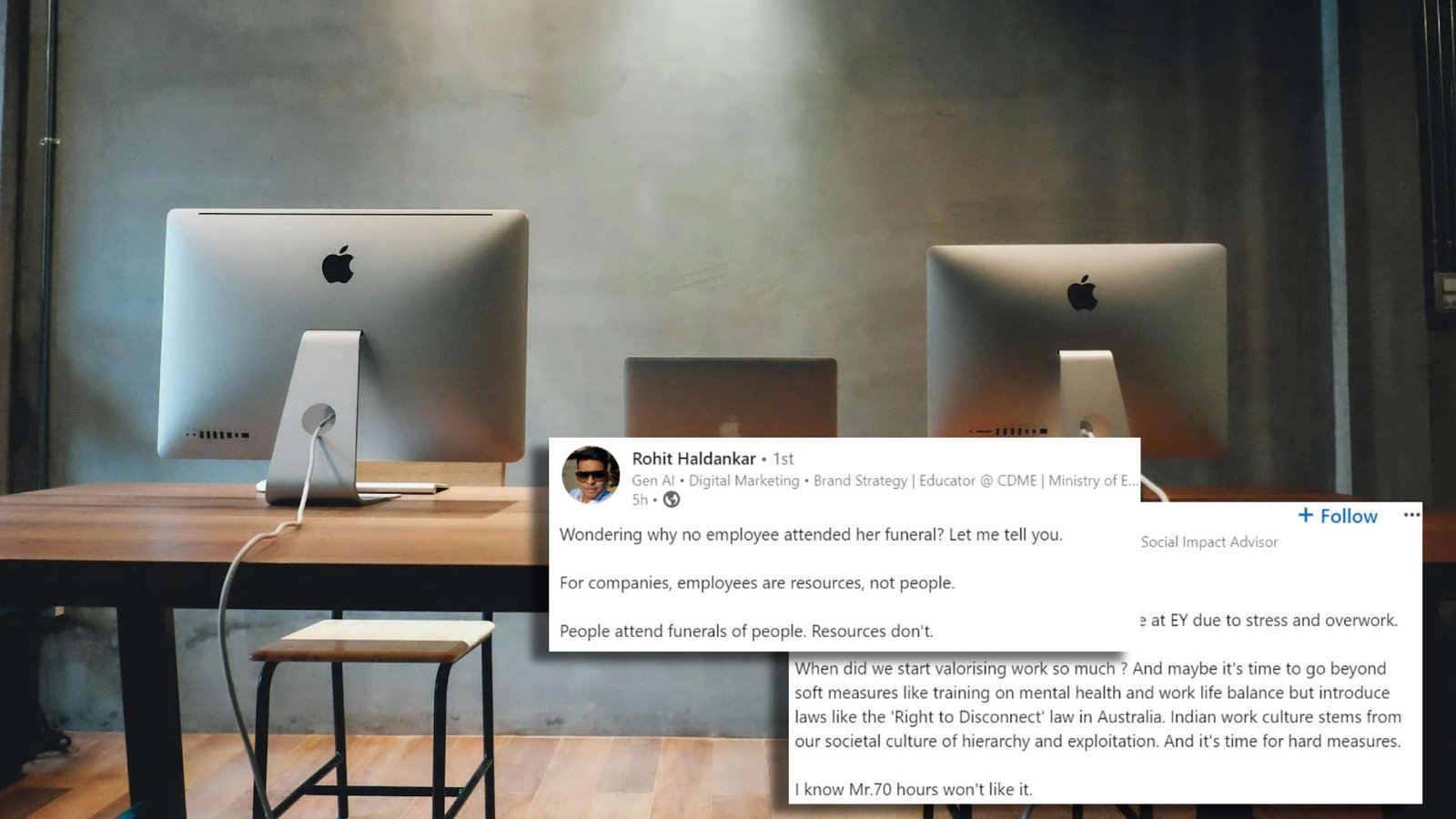
The focal case concerns allegations that a major multinational professional services firm—the subject of ongoing public debate and media reporting—exhibited a work culture characterized by long hours, high pressure, and expectations that encroach upon personal time. The reporting centers on the family of a young professional who succumbed to health issues that some observers attribute, at least in part, to exhaustion and prolonged stress associated with demanding professional duties. The family has publicly criticized the firm for not attending the funeral, an incident that has been cited as emblematic of perceived corporate indifference to employee welfare and a culture of impersonal professional priorities over human consequences.
Proponents of the family’s position argue that such workplace environments — common in competitive, service-oriented sectors — can cultivate chronic stress, sleep disruption, and burnout, which may exacerbate underlying health conditions or precipitate acute crises. They frame the case as a broader systemic problem: when performance metrics, client pressures, and billable-hour targets dominate decision-making, workers are pushed toward unsustainable workloads. The implication is that, without explicit policy protections and cultural change, employees may be at elevated risk of harm from overwork.
Critics of the interpretation maintain that attributing the tragedy to the employer alone oversimplifies causation. They point to multifactorial risk factors, including individual health status, personal circumstances, and the possibility of voluntary or imposed overextension in high-pressure roles. They also caution against hasty judgments that may mischaracterize the firm’s internal processes, human resources practices, and the kinds of support that may or may not have been available to the deceased’s team.
The dialogue has reverberated beyond this single incident. Supporters of “the right to disconnect” argue that workers should not be legally compelled to engage with work-related communications during designated rest periods, holidays, or after-hours windows. This movement has gained traction in various jurisdictions and is now a topic of intense discussion in India, where the rapid growth of IT and professional services has transformed many careers into round-the-clock or near-round-the-clock commitments for some employees. The debate often includes questions about enforceability, employer compliance, and the balance between protecting workers’ rights and preserving business efficiency and client service levels.
Legal and policy dimensions complicate the issue. In many countries, including India, labor laws have historically allowed for flexible work arrangements or have required businesses to consider reasonable limits regarding working hours and rest periods. The practical enforcement of a “right to disconnect” would require clear, codified standards about after-hours communications, expected response times, and penalties or remedies when policies are violated. Employers may resist rigid limitations if they fear competitive disadvantage or client dissatisfaction, while workers’ advocates emphasize the importance of predictable schedules, mental health resources, and robust leave policies as essential components of a humane workplace.
Media coverage of the EY case has also sparked discussions about corporate accountability. Observers ask for transparent reporting from firms about workforce well-being initiatives, mental health support infrastructure, and the mechanisms that monitor and mitigate burnout risk. News cycles and social media platforms have amplified calls for action, with some narratives focusing on how firms communicate with families in times of loss and how they honor employees’ lives and contributions beyond their professional output. Corporate communications strategies, thus, come under scrutiny not only for what they say publicly but for what they demonstrate in practice regarding care for employees and their families.
Beyond the immediate stakeholders, policymakers and industry bodies may view this incident as a catalyst for examining existing labor standards, occupational health protocols, and mandatory respite provisions. In sectors like information technology services, professional services, and consulting, where project cycles and client demands often drive intense work periods, regulatory guidance and best-practice frameworks could be developed or strengthened to ensure safer work environments. Recommendations might include explicit limits on weekly hours for certain high-stress roles, mandatory rest periods, confidential channels for employee well-being reporting, and independent monitoring of compliance with wellness policies.
In the public discourse, there is also discussion about the role of company culture in shaping employee behavior. Cultural expectations around dedication, loyalty, and perseverance—especially in competitive professional environments—can create incentives to neglect personal health or to normalize extreme workloads. Critics call for a cultural shift that values sustainable performance over sheer output, and for organizations to recognize the long-term costs of burnout, including reduced productivity, higher turnover, and adverse health outcomes. Proponents argue that a structured, well-supported framework—coupled with managerial accountability and data-driven workload management—can maintain high performance while safeguarding employee health.

*圖片來源:description_html*
The broader implication of this case is that it invites a reexamination of how corporations in India and globally define success, measure performance, and respond to human suffering in the workplace. The ongoing conversation includes the following themes:
– The definition of reasonable working hours and the expectations around after-hours communications.
– The adequacy and accessibility of mental health resources within major firms and the overall labor ecosystem.
– The transparency of internal policies related to burnout prevention, workload management, and worker support.
– The relationships between client demands, project timelines, and employee well-being.
– The role of families and communities in advocating for systemic change when individual tragedies occur.
In sum, the case has become a flashpoint for the broader movement to enact meaningful changes in workplace culture, particularly in India’s high-demand professional services landscape. While the facts around the specific death and the firm’s actions may be contested or evolving, the underlying questions about worker protection, corporate responsibility, and the social legitimacy of “after-hours” expectations remain pressing and widely debated.
Perspectives and Impact
- Employees and labor advocates: Voices in this camp emphasize the human cost of burnout and the lasting damage of sustained overwork. They argue for clear, enforceable boundaries around after-hours communication and call for comprehensive wellness programs, fatigue risk management, and transparent reporting on workload metrics. They view the case as a catalyst for systemic change that could benefit not only individuals and families but the broader health and productivity of the economy.
- Corporate leadership and industry observers: From this vantage, the focus is on balancing client service delivery with employee well-being. Proponents of flexible work models argue that performance should be measured by outcomes rather than hours logged, and that modern organizations can implement intelligent scheduling, proactive workload forecasting, and supportive leadership practices to reduce burnout. Critics may worry about productivity loss or client expectations if boundaries are too rigid, but many acknowledge that sustainable practices are essential for long-term success and brand reputation.
- Policy makers and regulators: Government bodies and industry associations may see opportunities to formalize protections for workers while respecting the global nature of services work. This could involve revisiting labor standards, creating guidelines for fatigue management, and encouraging employers to publish health and safety metrics related to workplace stress. Any regulatory approach would need to balance practicality, enforceability, and the realities of a fast-moving services economy.
- Families and communities: The case highlights the vulnerability of workers whose personal lives and grief are overshadowed by professional pressures. Community advocates stress the importance of empathy in corporate cultures and underscore the value of processes that respectfully acknowledge bereavement, provide leave options, and encourage open discussion about mental health and support resources.
Future implications of this discourse include potential shifts in hiring practices, onboarding for work-life balance expectations, and the adoption of technology-enabled solutions to monitor workload and provide timely interventions. Organizations may increasingly implement fatigue risk assessments, mandating rest periods for teams engaged in high-stress projects, and establishing independent whistleblower mechanisms for concerns about wellbeing without fear of retaliation.
The public conversation also intersects with broader debates about workplace democracy, employee rights, and corporate transparency. As the movement around the right to disconnect grows, stakeholders may push for standardized policies across industries, with sector-specific adaptations to reflect varying levels of client pressure, project complexity, and regulatory environments. In India, a nation with a burgeoning tech sector, the outcome of these discussions could influence labor practices, employment standards, and the global competitiveness of Indian firms. The case could serve as a reference point for how society negotiates the tension between economic growth, consumer demand, and the fundamental human need for rest, health, and dignity at work.
Key Takeaways
Main Points:
– A family asserts that excessive work culture contributed to a tragedy linked to overwork, sparking broader debate about workplace boundaries in India.
– The case has become a focal point for discussions on the right to disconnect and worker protections in the Indian IT and professional services sectors.
– There is a call for greater corporate accountability, improved mental health resources, and transparent workload management practices across firms.
Areas of Concern:
– The precise causality between overwork and the reported death is complex and contested; public discourse must distinguish correlation from proven causation.
– Corporate resistance to stringent after-hours policies could hinder timely reforms if not balanced with business needs.
– Mechanisms for reporting, accountability, and bereavement support require robust, enforceable standards to be effective.
Summary and Recommendations
This case highlights a critical juncture in the discourse surrounding workplace culture in India’s high-demand professional services industry. While the specifics of the tragedy and the firm’s internal responses are evolving, the broader questions they raise are persistent and globally relevant: How can organizations deliver high-quality service without compromising the health and dignity of their employees? What responsibilities do corporations have to support workers’ physical and mental well-being, and how should these responsibilities be reflected in policy and practice?
To move toward constructive change, several steps are recommended:
– Implement clear, enforceable after-hours boundaries: Define expected response times, designate no-contact periods, and ensure compliance through governance structures and auditing.
– Strengthen mental health resources: Provide confidential counseling services, stress management training, and proactive outreach for teams in high-pressure environments.
– Monitor workload and outcomes: Use data-driven approaches to track hours, scheduling, and burnout indicators; adjust staffing and projects accordingly to prevent chronic overwork.
– Foster a culture of care and accountability: Encourage leadership to model balanced work practices, recognize humane treatment of staff, and create safe channels for employees to raise concerns without fear of retaliation.
– Increase transparency and dialogue: Companies should communicate their policies, available resources, and corrective actions publicly, ensuring employees and families understand the measures being taken.
Ultimately, the objective is to create professional environments where excellence in service does not come at the expense of employee health and well-being. The ongoing dialogue around the right to disconnect, corporate responsibility, and worker protections reflects evolving societal expectations about how work should be organized in the 21st century. If implemented thoughtfully, these reforms could yield healthier workplaces, more sustainable performance, and greater trust between firms, employees, and the communities they serve.
References
- Original: https://in.mashable.com/tech/82410/mother-slams-eys-toxic-work-culture-over-daughters-death-by-overwork-internet-demand-right-to-discon
- 1) Discussion on right to disconnect and labor standards in India: credible labor rights organizations and government policy portals
- 2) Industry analyses on burnout, workload management, and corporate wellness programs in IT and professional services sectors
- 3) Journalistic coverage of workplace culture issues in multinational firms operating in India
Note: The above references provide additional context and related discussions but are not a direct reproduction of the original article content.

*圖片來源:Unsplash*