TLDR
• Core Points: Interdepartmental and international power clashes at Nexperia, a chipmaker with Chinese-Dutch roots, threaten stable supply chains for the automotive sector.
• Main Content: Internal divisions and cross-border tensions disrupt decisions critical to chip production, potentially affecting global vehicle manufacturing.
• Key Insights: Corporate governance crises in a critical supplier can ripple across industries reliant on semiconductors, highlighting geopolitical fault lines in tech supply chains.
• Considerations: The affair underscores the need for clearer accountability, diversified sourcing, and crisis management in chips supply.
• Recommended Actions: Stakeholders should monitor governance reforms at Nexperia, explore alternative suppliers, and prepare contingencies for chip shortages.
Content Overview
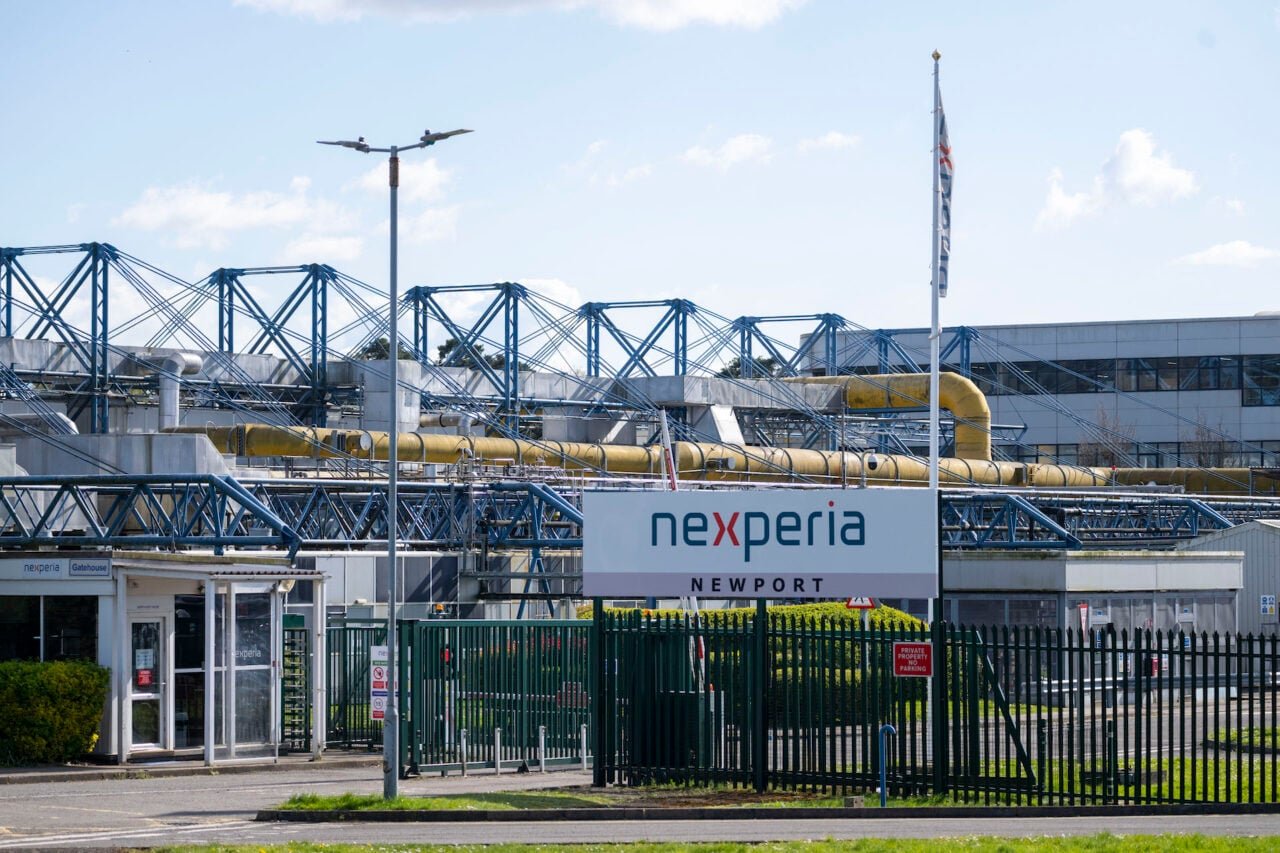
Nexperia, a semiconductor company with intricate international roots, has found itself at the center of a tense and complicated corporate dispute that stretches beyond its own offices. The company’s structure includes divisions and leadership teams with strong international ties, reflecting its Dutch-Chinese origins. This blend of governance and culture has, in recent times, given rise to friction among different regional directors and strategic factions within the company. The conflict has not remained contained within a single national boundary or management layer; instead, it has spilled into broader questions about how the company should allocate resources, set priorities for product lines, and engage with customers in the critical automotive sector. The automotive industry, increasingly dependent on advanced semiconductor components, watches with concern as these internal fractures could translate into delays, bottlenecks, or shifts in supplier strategy that ripple through supply chains around the world.
Nexperia’s significance to the automotive sector cannot be overstated. As vehicles become more connected, efficient, and software-driven, the demand for specialized semiconductors — including high-reliability logic, power devices, and analog components — has surged. A company like Nexperia sits at the heart of many modern automotive electronics, from engine control units and infotainment systems to safety features and autonomous-driving platforms. When internal governance becomes unstable or when international divisions clash over priorities, the consequences are not merely corporate theater; they can affect production lines, lead times, and the ability of automakers to forecast component availability. The situation thus carries geopolitical and economic weights, especially in an era where semiconductor supply chains already face fragility due to external pressures, trade tensions, and geopolitical competition among major technology powers.
This article examines the situation with objective context, focusing on how internal conflicts at a single chip company can influence the wider automotive ecosystem. It seeks to explain the roots of the dispute, outline the potential implications for manufacturers and suppliers, and explore what this means for the broader industry in terms of governance, risk management, and resilience.
In-Depth Analysis
At the core of the current controversy is a clash between internal divisions within Nexperia that trace back to its international governance framework. On one side, the company has roots that involve Dutch corporate structures and leadership, implicating European governance norms, compliance standards, and strategic decision-making processes. On the other side, there are strong Chinese influences in the company’s international operations, which bring a different set of expectations regarding speed, prioritization, and risk tolerance. These divergent perspectives have led to policy disagreements about product focus, allocation of manufacturing capacity, and long-term investments in certain semiconductor technologies. The friction intensified as executives and directors from various regions attempted to steer the company toward competing agendas, sometimes citing customer needs, sometimes referencing national policy considerations, and other times appealing to shareholder value narratives. In practice, this has manifested as delays in major decision milestones, hesitations around capital expenditure for new fabrication lines or process technologies, and a complex negotiation landscape with suppliers and customers.
Industry observers emphasize that when a company like Nexperia experiences governance tensions, the effects can cascade through the supply chain. Automotive manufacturers rely on predictable deliveries of specific chip families, often with defined performance, reliability, and environmental testing criteria. If internal decision-making stalls or becomes unpredictable, supply commitments can lose their reliability. The automotive sector’s demand for semiconductors has already grown more complex due to electrification, connected car features, and advanced driver-assistance systems (ADAS). The combination of supply chain volatility and internal corporate disputes increases the risk that target delivery dates will slip, that ramp-up schedules for new products could be disrupted, or that pricing negotiations with customers and contract manufacturers become more contentious.
To understand the scale of the potential impact, it helps to map the key stakeholders and their incentives. European management teams may champion governance frameworks, risk mitigation, and diversification to reduce exposure to any single region’s political or regulatory environment. They may emphasize ensuring long-term product stability, even if it entails slower short-term progress. In contrast, the Chinese-linked factions might prioritize speed, market capture, and the strategic alignment with national industrial policies, possibly accepting greater risk in exchange for rapid growth or securing dominant positions in specific technology segments. When these incentives pull in different directions, the result can be a stalemate or a reallocation of attention toward non-core activities, delaying decisions about product lines, capacity expansion, or capital expenditures.
Another layer to consider is the external environment in which Nexperia operates. The global automotive supply chain is heavily interconnected, with components often sourced from a mix of manufacturers across continents. The semiconductor market itself is characterized by high capital requirements, long planning horizons, and sensitive demand cycles. Shortages or delays in one supplier can force automakers to adjust production schedules, seek alternative suppliers, or rework components to fit different chip specifications. In this context, internal disputes within Nexperia become a legitimate concern for downstream customers who rely on precise specifications, consistent quality, and supply reliability.
The corporate governance architecture of a multinational semiconductor company typically includes a board with members representing different regions, a management team responsible for day-to-day operations, and a set of committees overseeing risk, compliance, and performance. When the balance of influence in these bodies tilts toward one regional faction, the risk of compromised governance processes increases. Some observers suggest that better cross-border collaboration and clearer articulation of a unified strategic plan could help mitigate tensions. Others argue for more explicit governance reforms that clarify decision rights, reporting lines, and escalation procedures during times of dispute or strategic disagreement.
Transparency in communication with customers is another critical factor. Automotive customers expect to receive accurate information about product availability, lead times, and potential shifts in product specifications. In situations where internal corporate disagreements affect the production and delivery pipeline, clear communication with automakers can help manage expectations and reduce the risk of contract disputes or reputational damage. Conversely, a lack of transparency or inconsistent messaging can exacerbate uncertainty and push customers to seek alternative suppliers, potentially forgoing long-standing relationships in favor of more predictable partnerships.
Efforts to resolve such conflicts often involve a combination of mediation, governance reforms, and strategic realignment. External observers suggest several avenues: establishing independent governance committees with balanced regional representation; implementing stricter controls on capacity allocation to prevent favoritism; and formalizing crisis-management protocols for major supply chain disruptions. In addition, independent audits of supply chain resilience and financial health can reassure customers and investors that the company remains committed to reliability and long-term value, even in the face of internal disagreements.
This particular case highlights a broader trend in the tech industry: the intertwining of geopolitics and corporate governance. When national interests intersect with corporate strategy, management teams must navigate potentially divergent expectations from government policy, customer demands, and shareholder interests. The automotive sector, already affected by tariff considerations, export controls, and import restrictions, becomes more vulnerable when one of its critical suppliers experiences leadership tensions and strategic ambiguity. The lessons from such a scenario extend beyond Nexperia: they underscore the necessity for robust governance, diversified sourcing, transparent communication, and crisis preparedness across industries that depend on complex, globally distributed supply chains.
Industry experts also point to the resilience benefits of geographic diversification within supplier bases. Relying heavily on a single supplier or a closely integrated set of suppliers from a single region can magnify the impact of internal disputes when they arise. By contrast, a more dispersed supplier network, combined with clear contractual protections and shared risk management practices, can cushion the downstream effects if any one partner encounters governance challenges. The automotive industry, recognizing this, has increasingly pursued multi-sourcing strategies for critical semiconductor components, while also investing in demand-side flexibility, such as longer-term pricing agreements, stable forecast horizons, and collaboration on standardization to reduce risk.
Finally, this incident raises questions about how corporate diplomacy is conducted within multinational tech firms. The idea of Chinese-Dutch diplomacy within a single company points to the broader reality that multinational firms operate across multiple legal jurisdictions, cultural norms, and regulatory expectations. Achieving a pragmatic balance requires not only technical expertise and commercial acumen but also a sophisticated approach to cross-cultural governance and stakeholder management. In some cases, successful alignment emerges from establishing joint ventures or formal partnerships with regional governance bodies that serve as neutral arbiters in strategic disputes. In others, it requires comprehensive governance reforms that redefine decision rights, invest in leadership development, and ensure that critical supply decisions are insulated from short-term political or regional pressures.

*圖片來源:Unsplash*
In summary, the internal battle within Nexperia reflects a microcosm of the tensions that can arise when multinational governance structures intersect with geopolitics and global supply-chain imperatives. The automotive industry, already navigating a complex transition to electrification and digitalization, must account for potential disruptions arising not only from external shocks but also from the internal governance dynamics of its suppliers. The path forward involves a combination of governance reform, supply-base diversification, transparent communication, and proactive risk management. If handled effectively, the company can emerge with a clearer strategic direction and a more resilient operational model. If not, the risk is that the conflict could lead to prolonged uncertainty, impacting production timelines and eroding confidence among automakers and other semiconductor customers.
Perspectives and Impact
Short-Term Implications: In the near term, the conflict within Nexperia could slow decision-making processes related to capacity expansion, technology investments, and supplier commitments. Automotive manufacturers may experience heightened uncertainty, prompting contingency planning and potentially accelerating relationships with alternate suppliers to safeguard production lines. The immediate risk is not only about the availability of specific chip families but also about the predictability of lead times and the reliability of communication during periods of strategic disagreement.
Medium-Term Implications: If governance tensions persist, Nexperia could undergo a strategic realignment that redefines how capacity is allocated amongst its regional operations. A clearer, more balanced governance framework could restore confidence among customers and investors, while a protracted stalemate might push downstream players to diversify more aggressively. The medium term could see shifts in supplier footprints, with automakers seeking to de-risk their supply chains by engaging multiple semiconductor providers across regions, including North America, Europe, and Asia.
Long-Term Implications: Over the longer horizon, the episode could influence how automotive stakeholders view supplier risk in a geopolitically charged environment. It may accelerate reforms in how electronics supply chains are governed, including more formal contractual protections, more sophisticated risk-sharing mechanisms, and industry-wide resilience initiatives. There is also the possibility that sustained tensions could catalyze new partnerships or even regulatory scrutiny around governance practices in critical technology suppliers.
Geopolitical Dimensions: The situation underscores how multinational tech firms operate at the intersection of economics and politics. The presence of Chinese and Dutch elements within Nexperia’s governance structure mirrors broader strategic competition in the semiconductor sector, where access to advanced manufacturing capabilities, dual-use technologies, and export controls are central concerns. The automotive industry’s dependence on these chips amplifies the societal stakes, as disruptions can affect vehicle availability, consumer prices, and the pace of technological modernization in transportation.
Competitive Landscape: Competitors in the semiconductor space may view internal governance challenges at Nexperia as an opportunity to capture share, especially if customers seek more predictable supply terms elsewhere. Conversely, firms that demonstrate robust governance and resilient supply chains could use this episode to reassure customers about their reliability and governance standards. The incident could motivate accelerated investment in supply chain transparency, certification programs, and collaborative risk management initiatives across the industry.
Investor and Policy Considerations: Investors watching the situation may weigh the long-term health and strategic direction of Nexperia against short-term volatility. Policy-makers could see the event as a case study in the vulnerabilities of critical technology supply chains and the importance of safeguarding strategic industries through governance reforms, diversification, and international cooperation to prevent disruption from geopolitical tensions.
Key Takeaways
Main Points:
– Internal divisions within a multinational chipmaker with Chinese-Dutch roots create governance challenges that can affect automotive semiconductor supply.
– The automotive sector’s reliance on reliable chip supply amplifies the potential impact of such corporate disputes.
– Governance reforms, diversification of suppliers, and transparent crisis management are central to mitigating risk.
Areas of Concern:
– Delayed strategic decisions and capacity allocation could disrupt automotive manufacturing timelines.
– Potential erosion of customer confidence and changes in supplier relationships due to internal instability.
– The broader implication for geopolitically sensitive supply chains and how multinational firms manage cross-border governance.
Summary and Recommendations
The episode at Nexperia illuminates how internal governance frictions in a key semiconductor supplier can reverberate across the global automotive industry. The intersection of regional governance dynamics, international diplomacy within a single corporate entity, and the strategic importance of chips for modern vehicles creates a scenario where delays and strategic ambiguity have real economic consequences. For automakers and other semiconductor customers, the prudent response combines vigilance with proactive risk management: monitor the company’s governance reforms, assess the resilience and diversity of the supplier network, and engage in transparent, forward-looking conversations about capacity, lead times, and contingency plans.
Policymakers, industry bodies, and corporate leaders can take away several practical steps. First, encourage governance reforms that ensure balanced representation and clear decision rights, reducing the risk of stalemates during critical periods. Second, promote diversification of the semiconductor supply base, including partnerships and contracts that provide stability even when individual suppliers encounter internal disputes. Third, implement standardized resilience measures, such as shared risk assessments, common reporting formats, and crisis-management protocols that enable rapid coordination between suppliers and customers during disruptions. Finally, maintain open channels of communication with automotive manufacturers to manage expectations and preserve trust, even when strategic disagreements occur within a supplier’s leadership.
If the current tensions lead to tangible governance improvements, the industry could emerge stronger with clearer accountability and more robust risk management practices. If, however, the disputes persist without effective resolution, there is a meaningful risk that the automotive sector — and other industries dependent on semiconductors — will experience continued volatility, potentially driving toward a broader reconfiguration of supplier relationships and supply-chain strategies.
References
- Original: gizmodo.com
- Add 2-3 relevant reference links based on article content
- Additional sources may include industry analyses on semiconductor supply chains, governance in multinational corporations, and automotive electronics trends.

*圖片來源:Unsplash*