TLDR
• Core Points: The Aktiia Hilo is the first FDA-cleared cuffless blood pressure monitor, offering discreet form, strong accuracy, and ease of use.
• Main Content: It leverages optical sensors and proprietary algorithms to estimate BP without a traditional cuff, emphasizing user comfort and long-term tracking.
• Key Insights: While convenient and noninvasive, cuffless BP tracking still depends on consistent wear, proper positioning, and adherence to app-guided protocols.
• Considerations: Users should understand potential limitations in certain conditions (movement, skin tone, ambient light) and verify readings with traditional methods when needed.
• Recommended Actions: Evaluate fit, follow setup instructions closely, and use Aktiia as a supplementary BP monitoring tool alongside routine measurements.
Content Overview
The Aktiia Hilo Blood Pressure Monitor marks a notable milestone in home health technology as the first cuffless device to receive FDA clearance for continuous blood pressure tracking. Its appeal lies in its discreet design and the promise of ongoing BP monitoring without the inconvenience of inflating a cuff. This review examines what makes the Hilo unique, how it achieves its claimed accuracy, and what users should expect in daily use. It also considers the broader context of cuffless BP technology, including potential benefits for long-term hypertension management and the practical limitations that accompany non-traditional measurement methods.
Aktiia’s approach centers on optical sensing and algorithmic interpretation to estimate systolic and diastolic pressures, along with pulse rate. Unlike conventional cuff-based monitors, which rely on inflatable cuffs to determine pressure, the Hilo aims to provide a seamless, comfortable experience that can be worn like a wristwatch. The FDA clearance underscores a level of validation and reliability that may encourage broader adoption among patients, caregivers, and clinicians exploring noninvasive BP monitoring options for everyday use and longitudinal tracking.
The device’s form factor, software integration, and data presentation are designed to support periodic check-ins with healthcare providers. By compiling a continuous data stream of BP estimates, the Hilo can help users spot trends, identify atypical readings, and engage more proactively with hypertension management. However, as with any cuffless solution, the system’s accuracy hinges on factors such as proper sensor positioning, stable skin contact, and controlled environmental conditions during measurement. The review explores these aspects, offering a balanced view of what the Aktiia Hilo delivers and where users should exercise caution or supplement readings with traditional cuff measurements when appropriate.
In its broader context, cuffless BP technologies are part of a broader shift toward patient-empowered, data-driven health management. The Hilo contributes to ongoing conversations about how best to balance convenience, accuracy, and clinical utility in at-home monitoring. The discussion also touches on data privacy, interoperability with electronic health records, and how clinicians might incorporate cuffless BP data into care plans. Overall, the Aktiia Hilo represents a meaningful step in noninvasive BP tracking, combining innovation with practical considerations for daily life and long-term health management.
In-Depth Analysis
Aktiia Hilo’s core claim is clear: it provides cuffless blood pressure monitoring by leveraging wrist-worn optical sensors paired with advanced software designed to estimate BP over time. This approach differentiates it from traditional cuffs and aligns with a growing segment of wearable health tech that emphasizes noninvasiveness and continuous data collection. The FDA clearance signals that, in controlled evaluations, the device demonstrated a level of accuracy and reliability deemed appropriate for clinical consideration in home settings. For users, this translates into a monitoring experience that emphasizes comfort, discretion, and routine data capture without the mechanical steps required by cuff-based devices.
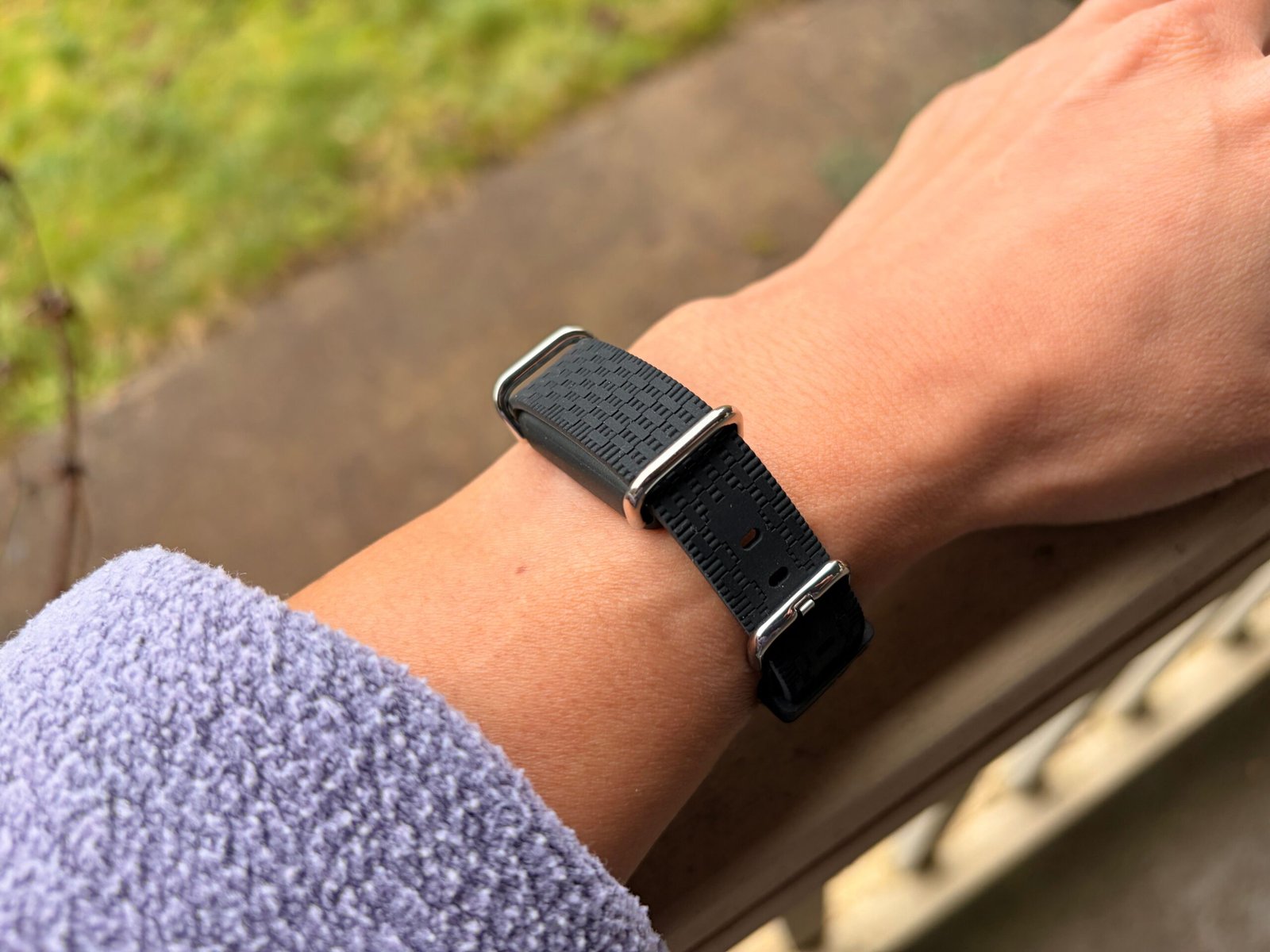
The device is designed to be worn on the wrist, with the sensor array positioned to maintain stable contact with the skin. Proper positioning is essential for accurate readings; the Hilo’s user experience is built around guidance within the companion app to help users find the correct wear mode and ensure consistent contact. The lack of a cuff reduces the physical burden of daily BP checks and potentially lowers the barrier to regular monitoring, which can be particularly advantageous for individuals who experience discomfort during cuff inflation or for those who require frequent measurements.
When evaluating accuracy, it’s important to compare cuffless BP estimates with conventional cuff-based readings. In practice, cuffless approaches rely on correlating physiological signals with arterial pressure, then applying algorithms that account for individual variability. While these methods can provide useful trend data and relative changes, there can be discrepancies in absolute values, especially in certain scenarios such as rapid changes in BP, movement, or variations in posture. The Hilo is designed to provide estimates that align with standard BP categories over time, helping users observe trends rather than relying on single, isolated measurements. Clinicians may view the device as a tool for longitudinal monitoring rather than a replacement for clinically validated cuff measurements in all circumstances.
Practical use considerations include charging cadence, battery life, and integration with mobile devices. The Hilo’s software ecosystem typically offers a dashboard or timeline view of BP estimates, heart rate, and related metrics. Users can export data or share readings with a healthcare provider. The value of such a system lies in the continuity of data, enabling users and clinicians to identify patterns—such as sustained elevations during certain activities or at particular times of day—and to adjust lifestyle or treatment decisions accordingly.
Nonetheless, cuffless BP monitoring remains sensitive to environmental and user-specific factors. Movement, improper wear, variations in skin tone or texture, and lighting conditions can influence optical sensor data and, by extension, the derived BP estimates. The Hilo’s developers acknowledge these limitations and provide guidelines intended to maximize accuracy, such as maintaining steady wear, ensuring snug but comfortable fit, and adhering to recommended measurement protocols. Users should also be aware that certain edema conditions or surgical alterations around the wrist can impact sensor performance.
From a clinical perspective, the introduction of FDA-cleared cuffless BP monitors does not immediately redefine standard care but rather expands the toolkit available for home-based hypertension management. The Hilo can complement cuff-based home monitors by offering a continuous sense of BP dynamics, which can be particularly informative for identifying diurnal patterns or BP variability that might not be captured by occasional cuff checks. Physicians may use cuffless data to enrich patient discussions, track responses to therapy, and tailor treatment plans in collaboration with patients. However, when precise BP values are required for clinical decision-making, traditional cuff measurements remain essential, and cross-validation with validated devices is advisable.
The hardware design emphasizes everyday wearability. The wrist form factor is unobtrusive enough for all-day use, and the absence of tubing or bulky cuffs enhances comfort and discretion. Aesthetic considerations, battery life, and ease of use contribute to the device’s appeal for long-term adoption. The accompanying mobile application plays a crucial role in data interpretation. It presents trend lines, averages, and alerts that inform users when readings appear outside typical ranges. User education within the app about how to interpret BP trends and what constitutes a meaningful deviation is critical to avoid overinterpretation of isolated data points.
Comparative positioning is essential for potential buyers weighing cuffless options against traditional monitors. Conventional devices have well-established validation histories, with clinical protocols supporting cuff-based BP measurement in a range of conditions. The Aktiia Hilo competes by offering noninvasive convenience, appealing to users who desire minimal interruption to daily activities and the ability to perform measurements without donning or inflating a cuff. The trade-off is that cuffless estimates may require ongoing calibration or confirmation through cuff-based checks, especially if readings diverge from expected values or patient symptoms warrant clinical evaluation.

*圖片來源:Unsplash*
The broader implications for remote monitoring programs and preventive care are noteworthy. If cuffless BP tracking becomes more widespread and consistently accurate, it could support more proactive hypertension management, reduce patient barriers to regular monitoring, and enable clinicians to detect risk patterns earlier. The accessibility of continuous BP trends could also facilitate research into BP variability, the influence of sleep, stress, and activity on BP, and the effectiveness of lifestyle interventions. At the same time, data stewardship—privacy, consent, and interoperability with electronic health records—will shape how cuffless BP data is used in care delivery. The Aktiia Hilo contributes to this evolving landscape, highlighting both the potential benefits and the responsibilities that accompany remote health data.
In terms of future developments, ongoing improvements may focus on expanding validation across diverse populations, refining algorithms to improve absolute accuracy, and enhancing sensor technology to reduce susceptibility to artifacts. User education will likely remain a key component, ensuring patients understand how to maximize measurement quality, interpret trends appropriately, and engage in meaningful conversations with clinicians about their BP data. The regulatory environment will also influence how cuffless BP devices are perceived by clinicians and integrated into standard care pathways. As more devices enter the market, comparative studies and real-world data will help clarify the role of cuffless BP monitoring in long-term hypertension management.
Perspectives and Impact
The Aktiia Hilo represents more than a single product release; it embodies a broader shift toward noninvasive, user-friendly health monitoring tools that empower individuals to participate more actively in their care. By removing the cuff from the daily BP measurement equation, the device lowers barriers to regular tracking, which is particularly valuable for patients who require frequent monitoring or who experience anxiety or discomfort with traditional BP cuffs. Its FDA clearance adds a layer of legitimacy that can foster trust among patients and clinicians who might otherwise remain cautious about adopting cuffless technologies.
The potential societal impact of cuffless BP tracking is substantial. From a public health perspective, scalable, comfortable monitoring tools can contribute to earlier detection of hypertension-related risk, better adherence to monitoring regimens, and more personalized treatment strategies. In populations with limited access to primary care or consistent clinic-based measurements, cuffless devices could deliver valuable data streams that support remote management and triage. However, realizing these benefits hinges on ensuring data accuracy, minimizing artifacts, and safeguarding patient privacy in accordance with regulatory requirements and best practices.
Clinically, cuffless BP data may augment decision-making but should be interpreted in the context of comprehensive patient assessment. Clinicians may rely on correlational trends rather than absolute numbers for some decisions, particularly when BP readings are used to titrate medications or assess the risk of cardiovascular events. The Hilo’s role could include guiding patients to review more precise cuff-based measurements during periods of suspected instability, or when symptoms suggest possible hypertensive episodes. Integrating cuffless data into electronic health records and ensuring interoperability with other medical devices will be essential for seamless clinical use.
From a consumer standpoint, the Hilo’s comfort and ease of use are appealing benefits. The device reduces the logistical burden of regular BP checks, which could encourage more consistent monitoring. Users should be mindful that cuffless BP tracking is an adjunct—not a standalone replacement—for robust hypertension management. They should maintain regular cuff-based measurements where clinically indicated and follow medical advice concerning target BP ranges, medications, and lifestyle modifications. The product’s value proposition appears strongest for individuals seeking long-term trend analysis, early detection of anomalies, and convenient daily wear that does not disrupt activities.
The technology underpinning cuffless BP monitoring continues to evolve. Researchers are exploring various modalities, including photoplethysmography (PPG), tonometry, and other signal processing techniques to improve accuracy, reduce artifacts, and account for physiological diversity. As these developments mature, we can anticipate improvements in absolute BP estimation, broader validation across populations, and enhanced user interfaces that translate complex cardiovascular data into actionable insights. The Aktiia Hilo is part of this broader research and development trajectory, illustrating how clinical-grade concepts can translate into consumer-ready devices with meaningful real-world utility.
Finally, regulatory and ethical considerations will shape the long-term adoption of cuffless BP monitoring. Ongoing scrutiny of data privacy, accuracy, and clinical relevance will influence user trust and clinician willingness to integrate cuffless data into care plans. Transparent reporting of validation studies, independent evaluations, and real-world performance data will be crucial to establishing credibility and guiding best practices. The Hilo’s FDA clearance contributes to a growing body of evidence supporting cuffless BP technology, but continued rigorous evaluation and open communication about limitations will remain essential as the technology scales.
Key Takeaways
Main Points:
– The Aktiia Hilo is the first cuffless blood pressure monitor to gain FDA clearance, signaling regulatory confidence in its approach.
– The device emphasizes comfort and continuous tracking without a traditional cuff, supported by a companion app that visualizes trends.
– Absolute BP values may be influenced by factors such as wear consistency and environment; use as a trend-oriented tool alongside cuff measurements.
Areas of Concern:
– Potential inaccuracies under movement, lighting conditions, or improper wear require careful adherence to setup and usage guidelines.
– Cuffless BP data should complement, not replace, clinically validated cuff measurements for medical decision-making.
– Data privacy, interoperability, and integration into health records remain critical considerations for long-term use.
Summary and Recommendations
The Aktiia Hilo Blood Pressure Monitor represents a meaningful advancement in home BP monitoring by removing the physical cuff from everyday use. Its FDA clearance provides a degree of validation for cuffless BP estimation, and its design prioritizes comfort and ease of use. For individuals seeking a discreet, continuous BP-tracking solution, the Hilo offers compelling value, especially for observing BP trends over time and identifying patterns that warrant clinical attention.
However, prospective users should approach cuffless BP data with a balanced perspective. Recognize that absolute readings may not always align with traditional cuff measurements, and be prepared to confirm unusual values with a standard cuff-based monitor or clinician assessment. To maximize the device’s benefits, follow the manufacturer’s wear-and-use guidelines, ensure optimal contact, and leverage the app’s data visualization to inform discussions with healthcare providers. As cuffless BP technology continues to mature, the Aktiia Hilo stands as a noteworthy example of how noninvasive monitoring can integrate into daily life while contributing to proactive cardiovascular health management.
For clinicians evaluating patient data streams, the Hilo can augment monitoring by providing longitudinal BP trends that reveal variability and responses to interventions. When combined with traditional measurements, cuffless data can enrich clinical understanding and support more nuanced treatment decisions. As the ecosystem evolves, stakeholders should prioritize data accuracy, privacy, and interoperability to maximize the device’s positive impact on hypertension management and preventive care.
References
– Original: https://www.wired.com/review/aktiia-hilo-blood-pressure-monitor/
– Additional sources exploring cuffless BP technology, regulatory perspectives, and clinical integration (to be determined based on up-to-date, peer-reviewed literature and regulatory filings).

*圖片來源:Unsplash*