TLDR
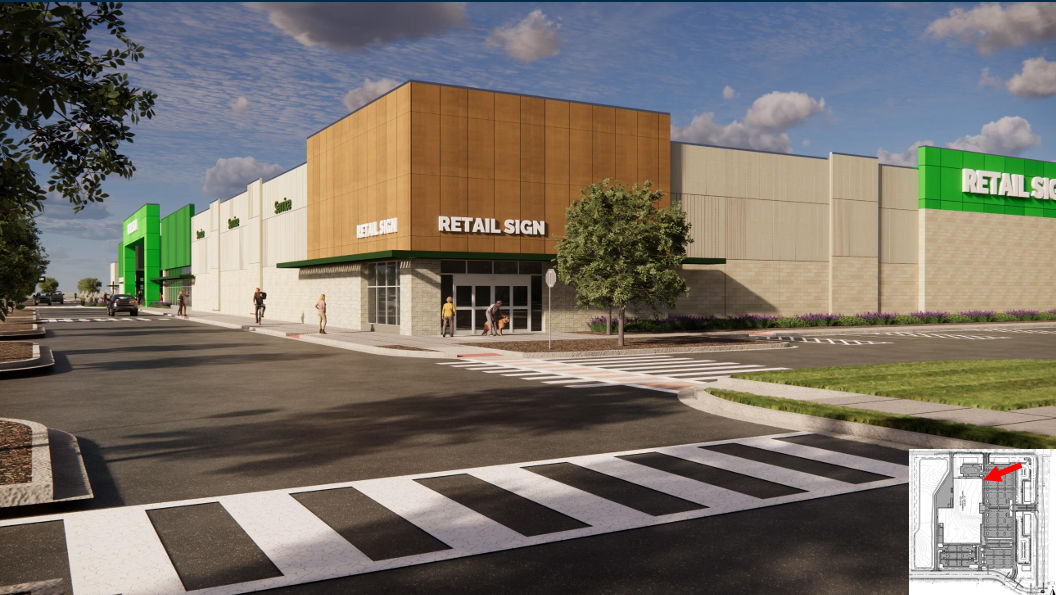
• Core Points: Amazon plans a new, large-format retailer outside Chicago that matches Walmart Supercenter scale, integrating in-store shopping with app-based ordering and Amazon technology.
• Main Content: The test aims to blend the breadth of a big-box store with Amazon’s digital tools to create a seamless omnichannel experience.
• Key Insights: The concept signals Amazon’s willingness to compete on store footprint and physical presence while leveraging technology for convenience.
• Considerations: Success hinges on site selection, supply-chain efficiency, labor costs, and how the model translates across markets.
• Recommended Actions: Monitor pilot outcomes, consumer adoption, and partnerships to scale the concept if the format proves durable.
Content Overview
Amazon is moving into the brick-and-mortar arena with a bold, big-box concept that mirrors the scale of traditional Walmart superstores. The initiative represents a strategic push to broaden the retailer’s physical footprint while harnessing its strengths in technology, logistics, and customer data. The test, planned for a site outside Chicago, seeks to fuse the expansive square footage and product variety typical of a big-box retailer with Amazon’s signature emphasis on convenience, speed, and digital integration. By layering in-store experiences with app-based ordering, Amazon aims to create a hybrid shopping environment that blends online and offline channels, potentially reframing how consumers shop for everyday essentials, groceries, electronics, and household goods.
This move comes as e-commerce giant Amazon consolidates gains in online shopping while acknowledging the enduring value of physical stores in shaping consumer behavior, brand engagement, and logistics efficiency. The Chicago-area test location is strategically chosen to gauge consumer reception in a dense, diverse market where competition with established big-box players is intense. The new concept is designed to deliver a comprehensive shopping ecosystem: a broad product assortment, competitive pricing, and a technology-enabled customer journey that streamlines product discovery, checkout, and fulfillment.
Industry observers note that Amazon’s foray into a Walmart-scale format is a natural extension of its long-running strategy to meet customers wherever they shop. The company has piloted smaller formats, fresh grocery offerings, and checkout innovations in recent years, but the current initiative emphasizes scale and the seamless integration of digital tools with a physical storefront. If successful, the concept could accelerate further expansion into major markets across the United States and beyond, challenging incumbents to rethink store design, staffing models, inventory management, and last-mile fulfillment.
The broader retail landscape is characterized by a convergence of online and offline capabilities, increased emphasis on speed and convenience, and growing expectations for omnichannel coherence. Amazon’s move could intensify competitive dynamics among big-box retailers, grocers, and consumer electronics outlets, prompting rivals to invest in automation, customer experience enhancements, and multi-channel integration. The test program will need to demonstrate not only compelling economics but also the operational rigor required to sustain a high-volume, high-service environment.
In-Depth Analysis
The decision to test a big-box storefront outside Chicago represents a calculated bet in Amazon’s ongoing effort to expand its physical presence while leveraging its technology platform to differentiate from traditional retailers. The concept seeks to replicate the scale and breadth of a Walmart supercenter, which typically offers a wide range of products—from groceries and clothing to electronics and household goods—all under one roof. This scale is meaningful not just for product assortment but also for the logistical advantages it can provide, including bulk purchasing efficiencies and a centralized location for pickup and returns.
A core feature of the concept is the integration of Amazon’s technology into the in-store experience. Customers can expect to encounter digitally enhanced shopping processes that blend the immediacy of in-store browsing with the convenience of app-based ordering. For example, shoppers may be able to browse product pages on a smartphone, check real-time stock, compare prices, and place orders for same-day pickup or home delivery. The emphasis on a seamless omnichannel experience aligns with Amazon’s broader vision of removing friction from the customer journey, ensuring that the transition between online research and in-store purchase—or vice versa—is smooth and intuitive.
From a supply-chain perspective, the new format could leverage Amazon’s existing network of fulfillment centers, last-mile delivery capabilities, and automation technologies to optimize inventory availability and order fulfillment. The ability to offer rapid pickup and efficient home delivery at scale would be a competitive advantage, particularly in dense urban and suburban markets where consumer expectations for speed are high. However, achieving the right balance between wide product selection and efficient operations will require careful planning around inventory strategy, labor allocation, store layout, and replenishment cycles.
Labor considerations will play a pivotal role in the project’s viability. A store of Walmart-scale proportions demands a sizable workforce, including sales associates, cashiers, greeters, shelf replenishment staff, and a dedicated logistics team for in-store pickup and returns processing. Amazon’s history with automation, self-checkout options, and integrated digital workflows could help moderate labor costs while maintaining high service standards. The ability to deploy technology to streamline tasks such as price checks, stock verification, and order fulfillment could contribute to a more efficient store operation, but it will also require robust training and change management as staff adapt to new processes.
Retailers are closely watching how this concept will be received by consumers. The Chicago-area test provides an opportunity to study shopper behavior in a real-world environment, including how price perception, product availability, and convenience influence purchasing decisions. For instance, if the store’s digital tools significantly reduce time spent locating products or completing purchases, customers may be more inclined to visit for both routine and non-routine shopping trips. The pilot will also reveal how well the store’s layout supports both traditional shopping and digital-assisted experiences, such as in-store order pickups or returns processing.
Competition in the big-box segment is intense, with established players continually refining formats to attract foot traffic and boost basket size. Walmart’s own operations have evolved with investments in automation, store modernization, and omnichannel services, while other big-box retailers pursue similar strategies to offer a one-stop shopping experience. Amazon’s entry into a Walmart-scale concept intensifies this competition and could compel rivals to accelerate their own omnichannel investments, including enhanced mobile apps, curbside pickup, and improved online-to-offline integration.
Beyond the immediate retail implications, the project has broader strategic implications for Amazon’s brand and business model. A large-format physical store provides a tangible touchpoint for customers who may be more comfortable interacting with a familiar brand in a traditional retail setting. It also creates opportunities for cross-channel synergy, such as in-store experiences that highlight Amazon’s digital services, devices, and subscription offerings. The ability to showcase Prime benefits, devices like Echo or Fire TV, and other ecosystem products within the context of a full-service retail environment could reinforce customer loyalty and drive cross-purchase behavior.
The Chicago-area test is also a signal of Amazon’s willingness to invest in capital-intensive formats as a counterweight to the ongoing growth of e-commerce. While online shopping remains convenient, attracting customers to a physical location remains a powerful driver of brand engagement and impulse purchasing. A well-executed big-box format could generate significant foot traffic, which, when paired with efficient fulfillment capabilities, translates into a compelling omnichannel value proposition for consumers and a meaningful data asset for Amazon.
From a market strategy standpoint, the test location’s demographics, competition, and logistics network will influence the concept’s design and operating model. A store near Chicago benefits from access to a large consumer base, diversified demand, and proximity to distribution networks. If the concept proves viable, Amazon could consider scaling to other major markets, tailoring the format to local preferences and regulatory contexts while preserving the core technology-enabled shopping experience that differentiates the concept from traditional big-box formats.

*圖片來源:Unsplash*
The pilot will face several potential challenges. Managing inventory across a sprawling product range requires sophisticated replenishment and forecasting to prevent stockouts while minimizing overstock. Integrating in-store operations with digital tools demands reliable IT infrastructure, cybersecurity measures, and ongoing system maintenance. Customer adoption of app-based features will depend on user-friendly interfaces, clear value propositions, and consistent performance. Additionally, the company must navigate labor costs and staffing needs associated with a large footprint, balancing automation with human assistance to maintain high service standards.
Regulatory and competitive dynamics could also shape the project’s trajectory. Local zoning rules, labor regulations, and safety standards will influence the store’s design, operating hours, and staffing model. Competitive responses from established retailers, grocers, and e-commerce players may include price-matching incentives, expanded online grocery capabilities, or enhanced curbside and in-store pickup options. The ultimate success of the concept will hinge on its ability to deliver a distinct value proposition: a broad selection, competitive pricing, and a seamless, technology-driven shopping journey that resonates with a broad spectrum of consumers.
Perspectives and Impact
The introduction of a Walmart-scale concept by Amazon signals a broader shift in the retail ecosystem toward hybrid models that blend the advantages of physical stores with the precision of digital platforms. For consumers, the benefit lies in a more convenient and faster shopping experience, with technology acting as a facilitator rather than a barrier. The ability to research products online, locate them quickly in-store, and choose efficient fulfillment options—whether in-store pickup, curbside service, or home delivery—could transform daily shopping routines. The concept also aligns with the increasing consumer expectation for omnichannel availability, where a retailer’s online and offline channels operate as a unified ecosystem.
For Amazon, the strategic merit of a big-box format lies in expanding brand reach, capturing additional margin opportunities, and reinforcing its role as a comprehensive consumer services platform. A large-format store can serve as a physical anchor for Prime-based commerce, device sales, and experiential retail experiences that showcase Amazon’s ecosystem. The integration of in-store and digital capabilities may yield rich data and insights into consumer behavior, enabling more precise merchandising, pricing strategies, and personalized marketing.
From an industry perspective, the move could intensify rivalry among big-box and grocery players to reevaluate store formats and channel investments. Competitors may accelerate automation, curbside pickup enhancements, and the development of integrated mobile experiences to preserve relevance in a rapidly evolving market. The pilot could also influence investor sentiment, with stakeholders evaluating the scalability of a model that combines physical scale with digital optimization.
The concept’s broader societal implications should not be overlooked. The employment impact of opening large-format stores depends on the balance between automation and human labor. While technology can improve productivity and customer experience, it may also shape wage dynamics and job quality in retail. Communities hosting large stores may benefit from increased employment opportunities and economic activity but may also confront challenges related to traffic, noise, and the need for local infrastructure support. Policymakers and industry observers will likely monitor how such formats affect small businesses, local competition, and consumer prices.
Looking ahead, the success of this initiative will depend on several interrelated factors. The appeal of a Walmart-scale store hinges on product availability, pricing competitiveness, and the ease of using digital tools. The durability of the concept will rely on reliable operations, consistent customer service, and the ability to adapt to different market contexts. If the Chicago-area pilot proves successful, expansion plans could follow, with iterations designed to address regional preferences, supply-chain complexities, and regulatory environments. The broader trajectory suggests a retail landscape where digital and physical assets are increasingly integrated, with large-format stores serving as crucial nodes in a comprehensive shopping network.
In conclusion, Amazon’s foray into a big-box retail concept mirrors a broader industry trend toward omnichannel leadership and physical-digital convergence. The test outside Chicago marks a significant milestone in the company’s strategy to challenge established players by offering a scalable, technology-enabled shopping experience at Walmart-like scale. Whether this model becomes a staple of the retail mix or remains a strategic pilot will depend on its ability to deliver value to customers, sustain profitable operations, and adapt to evolving competitive and regulatory conditions.
Key Takeaways
Main Points:
– Amazon plans a Walmart-scale big-box concept outside Chicago to test integrated in-store and app-based shopping.
– The format aims to combine broad product selection with technology-enabled experiences to improve convenience and speed.
– The pilot will inform potential expansion and shape competitive dynamics across the retail sector.
Areas of Concern:
– Achieving optimal inventory management and rapid fulfillment at scale.
– Balancing labor costs with automation and maintaining high service levels.
– Navigating regulatory, zoning, and competitive responses in different markets.
Summary and Recommendations
The Chicago-area test represents a strategic milestone as Amazon blends its digital backbone with a large-format physical presence. If the concept demonstrates compelling economics, consumer acceptance, and scalable operations, it could redefine how big-box retailers approach omnichannel retailing. Key success factors include seamless integration of digital tools with in-store workflows, strong pricing and assortment strategies, and efficient fulfillment capabilities that deliver on the promise of speed and convenience. Stakeholders should watch pilot performance closely, focusing on customer adoption of app-based features, average transaction value, foot traffic trends, and fulfillment metrics. A measured rollout, guided by learnings from the Chicago site, could enable Amazon to refine the model, tailor it to varied markets, and explore broader implications for the retail landscape.
References
- Original: https://www.geekwire.com/2026/amazon-supersizes-its-walmart-rivalry-with-new-big-box-retail-concept/
- Additional reference 1: Association of Retail Analysts—Omnichannel Trends in 2025-2026
- Additional reference 2: National Retail Federation—Big-Box Store Formats and Market Dynamics
- Additional reference 3: Industry observers’ brief on Amazon’s physical-store strategies

*圖片來源:Unsplash*