TLDR
• Core Points: Amazon’s Just Walk Out (JWO) technology will operate at third-party locations after Amazon stops using Amazon One palm scanning in June; customers will use a card or smartphone to pay.
• Main Content: The palm-scanning system is being discontinued, but JWO infrastructure remains active at partner sites, with a shift to card/phone authentication.
• Key Insights: The move preserves checkout automation for retailers leveraging JWO while removing Amazon’s palm-recognition program, aligning with broader privacy and user-choice considerations.
• Considerations: Partners must ensure seamless card/phone integration, customers adapt to the new workflow, and privacy protections persist without palm data.
• Recommended Actions: Retail partners should inform customers about the change, test card/phone entry flows, and monitor for any operational adjustments post-transition.
Content Overview
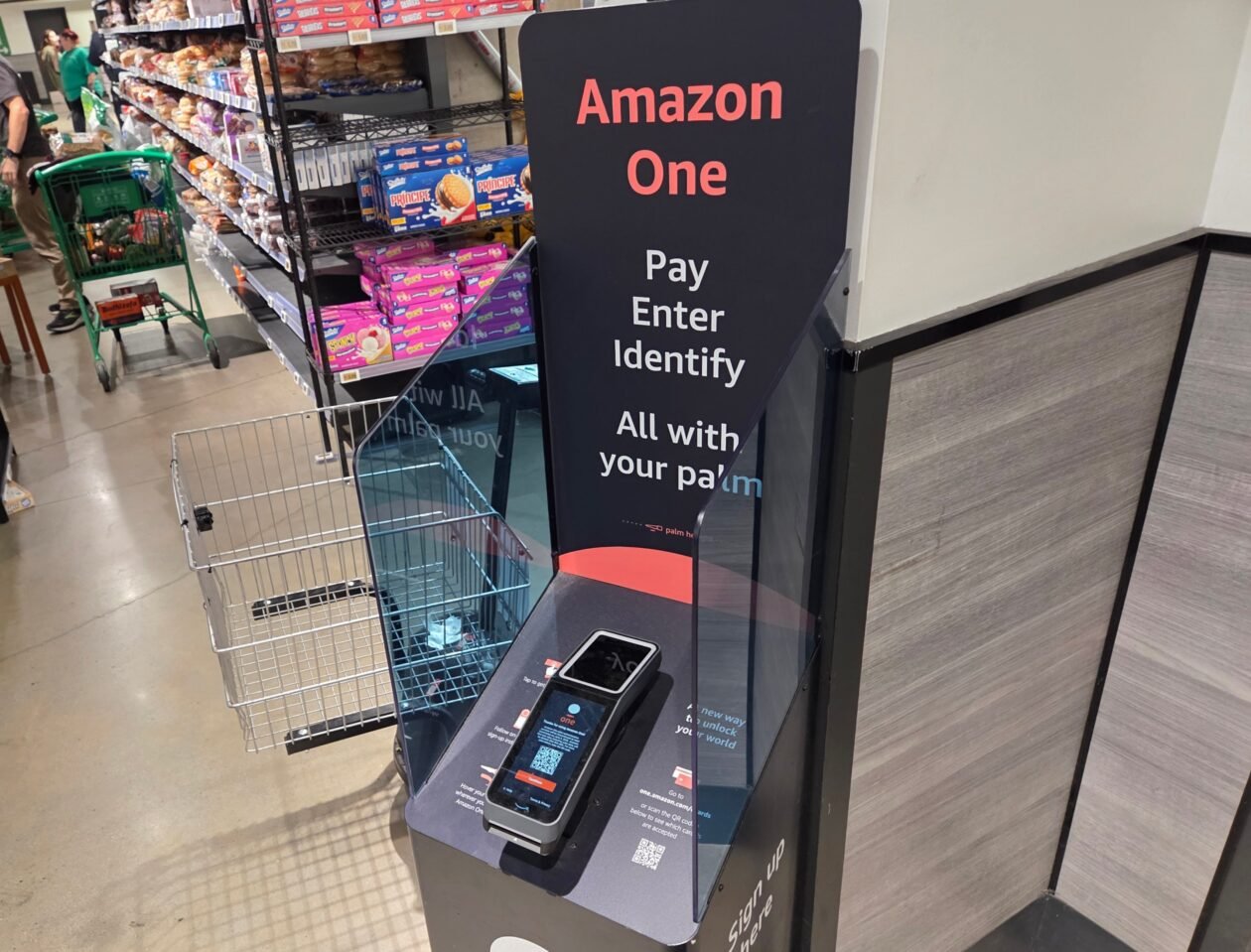
Amazon’s Just Walk Out (JWO) technology, which enables shoppers to enter a store, grab items, and leave without going through a traditional checkout line, will continue to operate at third-party locations even after Amazon discontinues its Amazon One palm-scanning service in June. The decision reflects a broader strategic shift as Amazon scales back some of its retail investments while preserving the automation capabilities that JWO provides to partner retailers. Under the revised approach, customers will no longer rely on palm recognition to authorize purchases; instead, they will use a traditional card or a mobile device (such as a smartphone) to complete transactions when exiting the store.
This development underscores how Amazon’s JWO technology can function independently of its palm-scanning ecosystem, preserving the benefits of frictionless shopping for partners and customers while removing one of the defining technologies associated with the program. The ongoing operation of JWO at partner locations indicates that the system’s core computer vision and sensor-based checkout framework remains viable and valuable even as Amazon reframes its private-label identity solutions.
The June discontinuation of Amazon One reflects a broader trend in retail technology toward modular, interoperable systems that retailers can adopt without being locked into a single vendor’s identity platform. By continuing JWO through card or phone-based verification, Amazon maintains a pathway for stores to offer hands-free shopping experiences, with the potential to expand in markets where convenience and speed are market differentiators.
Retailers utilizing JWO will need to adapt their customer experience workflows to accommodate the new authentication method. Customers will be prompted to scan or tap their card or phone at select entry or exit points, depending on how a given site has configured the system. While this change reduces reliance on facial or palm biometrics, it preserves the convenience and speed that JWO provides—allowing shoppers to move efficiently through the store and pay automatically upon exit.
In-Depth Analysis
The discontinuation of Amazon One palm scanning represents a meaningful pivot in Amazon’s broader retail strategy. Amazon has long pursued a multi-layered approach to checkout automation, combining computer vision, sensor fusion, and identity verification to realize the vision of a seamless, hands-free shopping experience. Just Walk Out, the core technology powering many of these experiences, deploys a suite of cameras, weight sensors, and artificial intelligence to detect which items a shopper has taken and to calculate the purchase total. When integrated with an appropriate payment authorization method, JWO can provide a frictionless exit experience.
Keeping JWO operational at third-party sites after Amazon One’s exit demonstrates that the underlying technology remains valuable beyond Amazon’s direct retail footprint. For partner retailers, JWO offers a scalable solution to reduce labor costs, improve queue dynamics, and enhance the customer experience in high-traffic environments such as convenience stores, stadiums, airports, and urban retail clusters. By decoupling JWO from Amazon One, Amazon signals a willingness to support retailers with a modular technology stack that can be adapted to various identity and payment ecosystems.
The shift to card or phone-based authentication changes several aspects of the user journey. Customers will still enter the store through doors equipped with the JWO system, but the checkout verification will now rely on a standard payment credential. This likely involves presenting a linked card, mobile wallet, or other device-based credentials at an exit point or at a dedicated terminal. Depending on the implementation, shoppers may be prompted to confirm their purchase or the system may automatically finalize the transaction once the items are detected and the account is recognized.
From a privacy and security perspective, the removal of palm scanning reduces biometric data collection, which has been a point of concern for some consumers. Biometric data is highly sensitive, and retailers have faced scrutiny over how such data is stored, used, and protected. The new approach may address privacy concerns by relying on traditional, non-biometric authentication methods, while still leveraging the automated item-tracking capabilities that JWO provides. Retailers will need to ensure that payment data is handled in compliance with applicable standards, such as PCI DSS, and that the overall transaction remains secure against potential fraud vectors.
Operationally, the transition requires careful coordination between Amazon and partner sites. Stores must ensure that their payment systems—and any associated point-of-sale or exit kiosks—are correctly configured to accept card or mobile wallet credentials in conjunction with JWO’s item-tracking data. Staff and contractors may need retraining to assist customers through the new flow and to troubleshoot any edge cases, such as customers who encounter connectivity or device compatibility issues.
Customers will also need clear communication about the change. At sites previously relying on Amazon One, signage and staff guidance should be updated to reflect the new authentication method. It will be important to set expectations around any potential delays or changes in how purchases appear on customers’ statements, especially during the transition period. Additionally, retailers should monitor adoption rates for the new method and gather feedback to refine the user experience, ensuring that the absence of palm scanning does not degrade the speed and convenience that JWO aims to deliver.
There are potential competitive and market dynamics to consider. As retailers experiment with JWO and similar technologies, the ability to offer truly frictionless shopping could become a differentiator in crowded urban markets. However, the reliance on third-party hardware and software ecosystems means that compatibility across devices, networks, and payment providers remains critical. Any misalignment—such as a delayed card tap, a failed mobile wallet connection, or inconsistent exit verification—could erode the customer experience. Therefore, retailers must invest in robust testing, contingency planning, and customer support channels as they deploy the new workflow.
Looking ahead, the continuation of JWO without Amazon One may pave the way for broader adoption across diverse retail verticals. As more sites adopt card/phone-based authentication, Amazon could further refine the JWO platform to accommodate a wider range of payment methods, loyalty programs, and personalized offers triggered by purchase data. Data-sharing agreements with partner retailers could enable analytics and targeted promotions, though such arrangements will need to balance business insights with customer privacy and consent considerations.
From a strategic perspective, the decision to sunset Amazon One while maintaining JWO in third-party locations signals a cautious optimization of Amazon’s retail technology portfolio. It reflects a recognition that the value of JWO lies not in a singular biometric identity system, but in a flexible, scalable framework capable of integrating with multiple authentication modalities. This approach reduces vendor lock-in for retailers and may encourage broader adoption by lowering entry barriers for different payment ecosystems.
Perspectives and Impact
Industry observers are likely to interpret Amazon’s move as a pragmatic recalibration rather than a retreat from checkout automation. The palm-scanning service, while innovative, raised questions about privacy, user consent, and the practicality of biometric authentication in everyday shopping. By retiring Amazon One but preserving JWO, Amazon offers a path forward that maintains operational efficiency for retailers while aligning with a privacy-conscious stance that some consumers prefer.

*圖片來源:Unsplash*
For retailers, the continued availability of JWO at partner locations without Amazon One expands the technology’s potential footprint. Stores that had been hesitant to deploy palm-scanning due to privacy concerns may feel more comfortable implementing a non-biometric, card/phone-based version of JWO. This could broaden the market for automated checkout solutions and encourage retailers to experiment with complementary technologies such as dynamic pricing, real-time inventory visibility, and frictionless returns.
However, the transition is not without challenges. Ensuring interoperability across devices and payment platforms requires careful engineering and standardization. Some customers may experience confusion if the exit process changes gradually or if different sites implement the new workflow in varied ways. Retailers will need consistent customer education and support to minimize friction during the transition. Additionally, the reliance on card or phone authentication shifts certain data-handling responsibilities away from biometric data to payment data, which has its own security and regulatory considerations.
From a regulatory and consumer privacy standpoint, the shift may align with broader trends toward minimizing biometric data collection in retail. Regulators and privacy advocates have emphasized the risks of biometric data storage and the potential for misuse. Moving toward non-biometric verification could alleviate some concerns, though it does not remove privacy considerations entirely. Card-related data must still be protected under PCI DSS and related standards, and retailers should be transparent about data use, retention, and sharing practices.
In terms of the retail landscape, this development could influence how other players approach frictionless shopping technology. Competitors may accelerate their own efforts to offer cashierless experiences, potentially incorporating multi-method authentication strategies that do not rely solely on biometrics. The market for automation in physical stores may become more modular, with retailers selecting from a suite of compatible technologies that best fit their risk profiles, customer base, and regulatory environments.
Beyond the immediate commercial implications, consumer behavior and expectations are likely to shift as well. If JWO continues to deliver rapid, unattended checkout experiences with card or phone validation, customers may grow more comfortable with automated shopping across a range of contexts. This could drive demand for enhanced mobile wallet capabilities, stronger in-store digital signage to explain the process, and greater integration with loyalty programs and personalized offers, all of which can contribute to a more seamless omnichannel retail experience.
From a global perspective, the adaptability of JWO to non-biometric authentication could facilitate its deployment in markets with strict data localization rules or where biometric adoption remains relatively low. The ability to operate with traditional payment methods may ease regulatory compliance and consumer acceptance in diverse regions, broadening the potential footprint of Just Walk Out technology.
Key Takeaways
Main Points:
– Amazon will discontinue Amazon One palm scanning in June, but Just Walk Out technology will remain operational at third-party locations.
– New authentication for JWO will rely on card or phone-based credentials rather than biometric palm recognition.
– The change preserves the convenience of automated checkout while addressing privacy and interoperability concerns.
Areas of Concern:
– Need for smooth customer communication and transition at partner sites.
– Ensuring robust integration between JWO’s item-tracking system and varied payment platforms.
– Managing data security and privacy under non-biometric authentication.
Summary and Recommendations
The decision to retire Amazon One palm scanning while sustaining Just Walk Out at partner sites represents a strategic effort to preserve the operational benefits of automated checkout without embedding biometric identity as a sole enabler. By transitioning to card or mobile wallet authentication, Amazon and its retail partners can maintain the speed and efficiency of JWO while mitigating privacy concerns associated with biometric data. This approach also signals a more modular, interoperable vision for checkout automation, allowing retailers to integrate JWO with a broader ecosystem of payment methods and digital services.
For retailers, the immediate priority is to implement the new authentication workflow in a manner that minimizes friction for shoppers. Key steps include updating customer communications to explain the change, ensuring that exit lanes or verification points support card taps and mobile wallet interactions, and providing clear on-site assistance to address any issues. Retailers should also monitor performance metrics such as transaction times, abandonment rates, and customer satisfaction to gauge the effectiveness of the transition and identify areas for improvement.
From the customer perspective, awareness and clarity are crucial. Consumers should be informed about how purchases will be processed post-transition and what credentials they will need. Providing printable or digital guides, on-site staff guidance, and proactive alerts can help reduce confusion and sustain the high-throughput experience that JWO promises.
Looking forward, the combined effect of continuing JWO without palm scanning could catalyze broader adoption across various retail contexts. As more retailers implement card/phone-based verification, the market may see innovations in payment methods, loyalty integrations, and cross-channel shopping experiences that enhance convenience while maintaining strong security practices. The balance between seamless automation and robust privacy protections will likely shape customer trust and the long-term success of automated checkout technologies.
Ultimately, Amazon’s move demonstrates how large technology players can adapt product families to changing strategic priorities. By preserving the core automation capabilities of Just Walk Out and decoupling them from a specific biometric identity system, Amazon positions JWO to serve a wider range of retailers and consumer preferences, potentially accelerating the diffusion of frictionless shopping across the retail landscape.
References
- Original: https://www.geekwire.com/2026/amazons-just-walk-out-tech-will-survive-companys-retail-pullback-minus-the-palm-scanning/
- Additional context: Industry reports on Just Walk Out technology deployments and biometric privacy considerations
- Related readings: Retail tech strategy adaptations in response to privacy concerns and biometric regulation
Forbidden:
– No thinking process or “Thinking…” markers
– Article must start with “## TLDR”
Ensure content is original and professional.

*圖片來源:Unsplash*