TLDR
• Core Points: Apple reportedly plans to launch the iPhone 17e in spring, potentially by late February, preserving a $599 starting price and offering a lighter, feature-down version of the iPhone 17 with upgrades over the iPhone 16e.
• Main Content: The iPhone 17e is described as a cut-down model designed to sit below the iPhone 17, maintaining affordability while delivering essential improvements over the prior generation.
• Key Insights: A spring release would position the 17e to capture mid-cycle demand, leveraging MagSafe compatibility and incremental upgrades to appeal to cost-conscious buyers.
• Considerations: Details on specific specs are limited; pricing and availability may shift due to supply chain dynamics and product strategy.
• Recommended Actions: Monitor official announcements from Apple for confirmation of specs, price, and release timing.
Content Overview
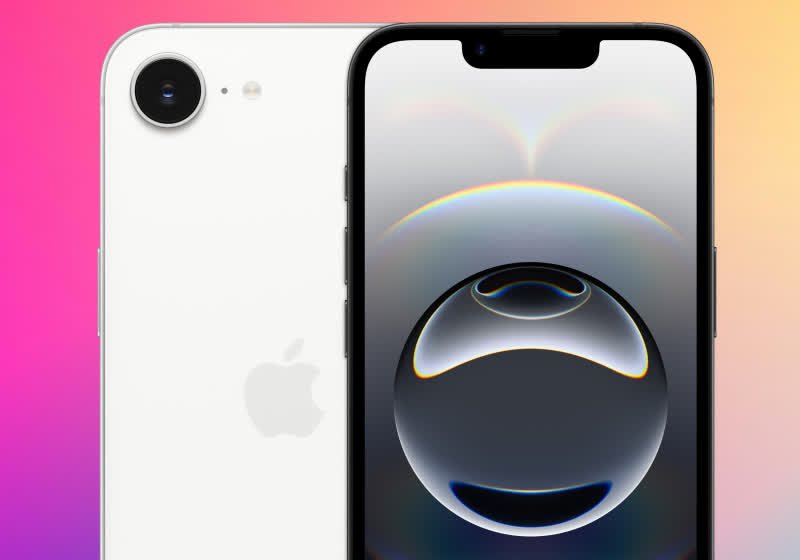
Industry reports suggest Apple intends to expand its iPhone lineup with a new entry in the 17 series called the iPhone 17e. This model is expected to be announced and launched in the spring season, potentially arriving as soon as late February. The 17e is anticipated to follow the general approach Apple has used with recent “e” or budget-oriented variants: a more affordable device that sits below the flagship iPhone 17 in the lineup, while offering meaningful upgrades over the preceding generation, in this case the iPhone 16e. The price point is expected to remain at $599 for the entry-level configuration, mirroring the starting price of its predecessor. A notable feature tied to many recent iPhone iterations is MagSafe compatibility, suggesting that the 17e would include MagSafe support to facilitate wireless charging and accessory attachment without compromising the device’s form factor or price.
This reformulated device strategy aligns with Apple’s broader objective to appeal to a broader base of consumers who want modern iPhone performance at a more accessible price. By introducing a lighter, potentially more rugged or efficient variant, Apple could broaden market reach while preserving the prestige and ecosystem advantages associated with iPhone ownership. The iPhone 17e would be positioned to compete with other mid-range devices within Apple’s ecosystem, including improvements over the 16e and a more cost-conscious alternative to the high-end iPhone 17.
The information comes from industry observers and technology news outlets that track Apple’s product cadence and pricing tendencies. As with any rumored device, the specifics — including exact specifications, camera capabilities, processor details, storage options, and the final price — should be confirmed by Apple through an official keynote, press release, or product pages. In the weeks leading up to a launch window, there is typically a flurry of leaks and analyses that surface debated specifications and potential feature sets, but only Apple’s official communication can verify those details.
In-Depth Analysis
Apple’s product roadmap has long relied on a cadence that alternates between high-end flagship devices and more affordable variants designed to capture value-conscious consumers. The iPhone 17e appears to fit this pattern by offering a “cut-down” version of the flagship iPhone 17 while delivering upgrades relative to the previous generation, the iPhone 16e. In practice, this could translate to several possibilities:
Price and Positioning: The $599 starting price is a familiar entry point that Apple has used in recent years for base models. Maintaining this price point can help preserve market expectations and avoid price shocks that might deter potential buyers who are evaluating “good enough” devices for daily use. The 17e is expected to align price with or slightly below comparable mid-range competitors, while ensuring it remains part of Apple’s premium ecosystem, including access to iOS features, software updates, and compatibility with MagSafe accessories.
Feature Set: As a “cut-down” version, the 17e could feature a more modest camera system, processing capabilities, or display resolution relative to the iPhone 17. Yet, it would aim to surpass the iPhone 16e in meaningful ways—potentially via improved energy efficiency, faster wireless charging, or enhanced MagSafe integration. This approach allows Apple to deliver tangible improvements without replicating the full scope of the flagship device’s engineering challenges.
MagSafe and Wireless Tech: The continued emphasis on MagSafe indicates Apple’s ongoing commitment to magnetic wireless charging and accessory ecosystems. A MagSafe-friendly 17e would enable quicker wireless charging, easier alignment with MagSafe accessories, and improved compatibility with a range of third-party wallets and cases designed for magnetic attachment. This is consistent with Apple’s strategy to differentiate its mid-range devices through software and accessory ecosystem advantages rather than relying solely on hardware parity with flagship models.
Platform and Software: The iPhone 17e would run the latest iOS version available at launch and would likely receive multiple years of software updates, aligning with Apple’s long-standing support model. Even with a more affordable hardware configuration, users can expect to experience the latest features, privacy protections, and security updates that define Apple’s software ecosystem.
Competition and Market Strategy: The release of a more affordable iPhone alongside a flagship model can reinforce Apple’s appeal to a broad audience, from first-time iPhone buyers to existing users upgrading within the ecosystem. A February-to-spring launch window could strategically meet consumer demand as people plan for spring technology upgrades or gifts, especially if the device is positioned as a practical, capable daily driver with a modern feature set.
Supply Chain and Timing: Historically, Apple’s product unveiling calendars are influenced by supply chain readiness, component availability, and regional launch timing. If the iPhone 17e does indeed debut in late February or early spring, it would be among the company’s earlier spring releases, contrasting with the typical September unveiling of flagship models. This could help Apple maintain momentum in its product cycle and keep its devices in users’ consideration throughout the year.
However, it is important to recognize that many details remain unconfirmed. Apple has not publicly disclosed specifications for the iPhone 17e, and until an official reveal occurs, suppliers, analysts, and journalists rely on insider information, supply chain leaks, and referenced patterns from previous e-series devices. The exact camera configuration, storage tiers, processor choices, display technology, battery capacity, and durability features (such as water resistance ratings) are all variables that could shift as Apple finalizes the product plan. Given that consumer expectations for iPhone performance continue to rise, Apple will likely balance cost containment with the demand for a robust user experience, choosing core improvements that justify the device’s continued presence in the lineup.
From a user perspective, the iPhone 17e could appeal to those who want a familiar iPhone experience with MagSafe compatibility and a reliable performance baseline, while not requiring the premium price of the flagship model. For current iPhone owners evaluating an upgrade, the 17e might offer a compelling intermediary step—providing better efficiency or camera results than the iPhone 16e and a familiar iOS ecosystem, without necessitating a full flagship purchase.
If Apple follows its historical approach, the company would provide thorough marketing materials, including technical specifications, energy efficiency ratings, and accessory compatibility to help consumers make informed purchasing decisions. Analysts will be watching for indicators such as processor type (whether Apple uses a newer A-series chip), optical capabilities, display size and type (LCD versus OLED), and the presence or absence of premium features like LiDAR, advanced computational photography, or Pro-level camera modes.

*圖片來源:Unsplash*
The potential launch timing in February or early spring would allow Apple to maintain a steady cadence of product news, complementing other regional releases and ensuring that the iPhone 17e appears in time for consumers preparing for new-school-year purchases, gifting, and mid-cycle upgrades. The device’s adoption will likely hinge on how well Apple communicates the value proposition relative to competing mid-range devices and whether the 17e’s price-to-performance ratio resonates with buyers seeking a balanced mix of modern features and affordable cost.
In summary, the iPhone 17e represents a strategic addition to Apple’s iPhone family, aiming to broaden its appeal by combining MagSafe compatibility, a lower price point, and a set of improvements over the iPhone 16e. While the exact specifications remain to be confirmed, the projected March-to-February release window suggests Apple intends to sustain consumer interest in its iPhone lineup throughout the year, offering a practical option for users seeking modern iPhone capabilities without the premium price tag of the flagship model.
Perspectives and Impact
The introduction of an iPhone 17e would have multiple implications for consumers, competitors, and Apple’s broader ecosystem. For consumers, the 17e could serve as a practical entry point into Apple’s iPhone family, delivering essential performance, modern software, and MagSafe accessibility at a price point familiar to many buyers. If the device delivers improved efficiency or a better camera experience relative to the iPhone 16e, it could accelerate upgrade cycles among users who are comfortable with mid-range devices but desire newer capabilities. The device’s appeal would depend on the value proposition relative to similarly priced rivals, including devices from other major manufacturers that offer competitive performance, battery life, and camera quality.
From a competitive standpoint, Apple’s strategy of expanding the mid-range lineup with an accessible option could intensify price-performance competition in the segment. Rivals may respond with feature-focused mid-range devices that emphasize camera capabilities, battery life, or display technology to attract price-conscious consumers. Apple’s ability to maintain its ecosystem advantages—software updates, privacy protections, and MagSafe compatibility—remains a differentiator even as hardware specifications become more variable across price tiers.
The potential launch in February or early spring could reshape consumer expectations for seasonal buying. Historically, major iPhone announcements tend to occur in September, with complementary releases and updates staggered across the year. Introducing a February or early-spring model could create a more continuous wave of Apple product news, sustaining consumer interest and giving enthusiasts multiple points of contact with the brand. It may also encourage more frequent upgrades among users who wish to stay within the Apple ecosystem without committing to the flagship price.
For developers and accessory makers, the 17e’s MagSafe emphasis could prompt new or updated accessory lineups, including wallets, cases, and charging solutions designed to exploit magnetic alignment and optimize charge speeds. This would further integrate the iPhone into a broader ecosystem, reinforcing brand loyalty and potential revenue streams from accessories.
There are also broader considerations related to sustainability and supply chain resilience. Apple’s ability to produce an additional model without compromising the production of flagship devices can reflect on its manufacturing agility and supplier relationships. If the 17e uses a lower-cost component mix, Apple would still need to ensure durability, reliability, and long-term software support to maintain customer trust and minimize post-purchase dissatisfaction.
In the context of global markets, regional pricing and availability can vary significantly. If the 17e launches first in certain regions before a wider release, that pattern could reflect demand forecasting and logistics planning, allowing Apple to calibrate production based on early consumer reception. Additionally, branding around “e” variants suggests a strategy to offer streamlined hardware while leveraging software and services to maintain a premium user experience.
Ultimately, the iPhone 17e would add a new dimension to Apple’s lineup, potentially drawing in first-time iPhone buyers and upgrading users who are price-sensitive yet desire a modern iPhone experience. The long-term impact on customer loyalty would hinge on how well Apple sustains software updates, maintains MagSafe ecosystem compatibility, and continues to deliver dependable performance across generations of devices.
Key Takeaways
Main Points:
– Apple reportedly plans to release the iPhone 17e in spring, possibly by late February.
– The 17e is expected to be a cut-down variant of the iPhone 17 with a $599 starting price, offering upgrades over the iPhone 16e.
– MagSafe compatibility is anticipated to be a key feature, aligning with Apple’s accessory ecosystem.
Areas of Concern:
– Specific hardware specifications (camera, processor, display) remain unconfirmed.
– Final pricing and regional availability could shift due to supply chain dynamics.
– The true value proposition depends on how the 17e differentiates itself from both the iPhone 17 and iPhone 16e.
Summary and Recommendations
If Apple confirms these rumors, the iPhone 17e would reinforce the company’s approach to balancing flagship-grade ecosystem benefits with more accessible pricing. The device would likely attract customers seeking modern iPhone functionality at a lower entry cost, particularly those who value MagSafe compatibility for easy charging and accessory integration. For prospective buyers, the recommendation is to monitor official Apple communications for confirmed specifications, pricing, and release timelines. Evaluate whether the 17e’s feature set aligns with personal needs, particularly in areas like camera performance, display quality, battery life, and access to the latest software updates. For current iPhone owners, consider whether upgrading to the 17e offers a meaningful improvement over the iPhone 16e, or whether a more capable iPhone 17 or a future model would better suit long-term plans.
References
- Original: https://www.techspot.com/news/111232-apple-iphone-17e-could-arrive-soon-month-magsafe.html
- Additional references:
- Apple Newsroom (official announcements and product pages)
- Bloomberg/Reuters tech coverage on iPhone mid-cycle releases
- The Verge analysis on iPhone 17 series and MagSafe ecosystem
Note: This article summarizes unconfirmed reports about the iPhone 17e. Specifications, pricing, and release timing should be verified through official Apple communications once announced.

*圖片來源:Unsplash*