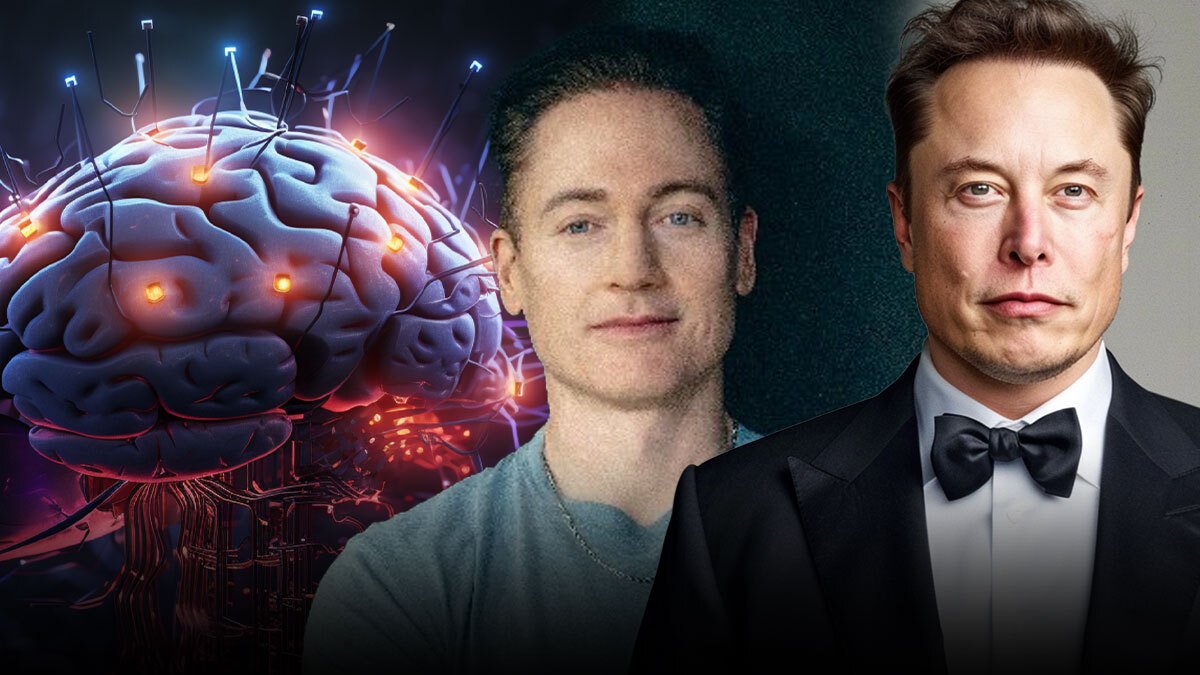
TLDR
• Core Points: Sleep deprivation can impair cognitive function and health, paralleling risks seen in traumatic brain injury; Johnson advocates rigorous sleep priorities, with Musk supporting the stance.
• Main Content: A high-profile tech investor-and-entrepreneur highlights sleep as a critical pillar of longevity and daily functioning, urging strict sleep practices.
• Key Insights: Even short-term sleep loss disrupts metabolism, mood, and decision-making; consistent sleep is essential for long-term aging resistance.
• Considerations: Balancing ambitious workloads with sufficient rest remains a practical challenge in fast-paced tech ecosystems.
• Recommended Actions: Establish consistent sleep schedules, optimize sleep environment, and treat sleep as non-negotiable in health regimes.
Content Overview
In recent discussions about anti-aging, Bryan Johnson—an investor and entrepreneur known for his intense focus on health optimization—has underscored a striking claim: sleep deprivation is not merely a nuisance but a serious risk to brain health and overall function. Johnson, who has built a notable profile around longevity and metabolic optimization, argues that sleep is one of the most important levers for maintaining cognitive performance, metabolic balance, and resilience against age-related decline. The conversation around his ideas has drawn attention from prominent tech leaders like Elon Musk, who has publicly acknowledged the importance of sleep and well-being in sustaining long-term productivity and vision. This article distills Johnson’s position, the rationale behind it, and the broader implications for people aiming to optimize health and performance in demanding careers.
Sleep is a natural, recurring biological process that supports memory consolidation, neural repair, and hormonal regulation. Contemporary research supports many of these functions, linking insufficient sleep to impaired attention, slower reaction times, poorer problem-solving, and elevated risk for metabolic syndrome, obesity, insulin resistance, and cardiovascular stress. Proponents like Johnson argue that sleep should be treated with the same seriousness as other fundamental health behaviors, such as nutrition and exercise. When sleep is chronically curtailed or disrupted, the brain’s ability to clear metabolic waste declines, potentially accelerating aging processes and increasing vulnerability to neurodegenerative conditions. Musk’s agreement with the broader emphasis on sleep reflects a shared recognition within technology and entrepreneurship communities that sustained performance hinges on foundational health practices.
Johnson’s explicit framing—“Bedtime Is The Most Important Time”—positions sleep as a non-negotiable daily anchor. In his public communications and interviews, he emphasizes structured routines, precise sleep windows, and the expectation that sleep sufficiency should not be sacrificed for work or social obligations. The conversation surrounding his stance intersects with broader debates about how much rest high-performing individuals need, how to optimize sleep quality, and how to create environments conducive to restorative slumber. Musk’s concurrence adds weight to the message, illustrating a convergence of opinions among influential figures who manage high-demand ventures and long-term strategic goals.
To contextualize these claims, it is useful to review what current sleep science says about sleep duration and quality. Most adult guidelines recommend about seven to nine hours of sleep per night, though individual needs vary. Sleep quality—factors such as sleep continuity, efficiency, and the absence of disruptive awakenings—often explains much of the practical benefit beyond raw hours. Chronic sleep restriction has been linked to impaired decision-making, emotional regulation challenges, and a higher propensity for risk-taking without adequate compensatory caution. In the realm of aging, poor sleep has associations with heightened inflammatory markers, dysregulated glucose metabolism, and altered autonomic function. While sleep is not a guarantee against aging, it remains a critical, modifiable factor in maintaining healthspan, cognitive reserve, and daily functioning.
The dialogue surrounding sleep deprivation also intersects with broader questions about lifestyle design and personal optimization. High-achieving individuals may face unique pressures—grueling work schedules, global operations across time zones, and a culture that equates productivity with sacrifice. Advocates for rigorous sleep discipline contend that sustainable performance requires aligning work demands with restorative cycles, rather than attempting to outrun fatigue. Critics, meanwhile, warn against rigid sleep prescriptions that overlook individual variability or inadvertently contribute to unhealthy perfectionism. The ongoing discussion emphasizes practical strategies: consistent bed and wake times, pre-sleep routines that reduce cognitive arousal, light exposure management, and an environment conducive to rest. For people monitoring their health and longevity, sleep is a foundational component that interacts with exercise, nutrition, stress management, and medical care.
In public discourse, the emphasis on sleep also carries social and policy-related implications. Employers, investors, and researchers increasingly recognize that sleepiness can undermine safety, creativity, and decision quality. Some organizations experiment with sleep-friendly policies, designated rest areas, or flexible schedules to support better rest outcomes for staff. On an individual level, integrating evidence-based sleep practices can be a practical pathway to improved performance without compromising long-term health goals. The convergence of expert opinion from Johnson and Musk signals growing attention to sleep as a crucial health asset in high-stakes, high-performance environments.
This article does not aim to sensationalize sleep deprivation but to anchor the discussion in observed risks, explanatory mechanisms, and practical implications. By examining the rationale behind Johnson’s emphasis on bedtime and sleep quality, as well as the supportive view from Musk, readers can better understand why sleep is increasingly framed as a cornerstone of longevity and sustained capability. The goal is to present an objective overview, drawing on scientific understanding while acknowledging the real-world challenges individuals face in balancing demanding careers with restorative rest.
In-Depth Analysis
Sleep is a biological necessity that supports multiple physiological and cognitive processes. The brain relies on sleep to clear metabolic byproducts through the glymphatic system, a waste clearance pathway that becomes less efficient during wakefulness. When sleep is consistently short or fragmented, this clearance is impaired, potentially increasing the buildup of neurotoxic proteins and contributing to cognitive decline over time. Johnson’s argument—that sleep is a central pillar of anti-aging efforts—aligns with this mechanistic understanding, emphasizing that adequate sleep is not merely a comfort but a protective factor for brain health.
Cognitive performance is acutely affected by sleep loss. Even modest reductions in sleep duration can lead to reduced attention, slower information processing, impaired working memory, and diminished creative problem-solving. In high-stakes environments, such as technology development, finance, and entrepreneurship, these cognitive changes can translate into poorer judgment, delayed decisions, and lower innovation quality. Longitudinally, chronic sleep deprivation is associated with mood disturbances, such as irritability and increased stress sensitivity, which can compound work-related challenges and interpersonal dynamics.
From a metabolic perspective, sleep interacts with appetite regulation, glucose metabolism, and energy expenditure. Hormones like leptin and ghrelin—signals that influence hunger and satiety—are affected by sleep duration and quality. Short sleep can promote increased caloric intake, preference for calorie-dense foods, and a tendency toward weight gain, all of which have downstream effects on metabolic health and aging. Johnson’s framework connects these physiological ties to his broader longevity goals, arguing that robust sleep supports metabolic homeostasis and reduces cumulative physiological stress.
The discussion around sleep within tech and startup communities often emphasizes schedule rigidity and optimization culture. Proponents argue that meticulous time management can create more space for rest, exercise, and recovery. Tools such as sleep trackers, consistent nightly routines, and environmental adjustments (e.g., blue-light management, darkened bedrooms, cooler sleeping temperatures) are commonly recommended. However, there is also concern that an intense focus on metrics and optimization can become a source of stress in itself if not balanced with realistic expectations and compassionate self-monitoring. In other words, the aim is to cultivate sustainable practices rather than coercive norms that could foster anxiety around sleep.
Musk’s agreement with Johnson’s stance adds a practical dimension to the conversation. As a leader overseeing multiple ventures with global operations, Musk has publicly discussed sleep as a resource that must be managed rather than sacrificed. The shared viewpoint among leading tech figures underscores a broader cultural shift: recognizing sleep as a strategic asset in long-term performance, resilience, and innovation. While this perspective does not produce a universal prescription for every individual, it reinforces the principle that sufficient rest is integral to decision-making quality, risk assessment, and sustained effort across demanding projects.
From a research perspective, translating these executive narratives into actionable guidance requires careful interpretation. Sleep needs are individualized, and factors such as age, health status, circadian preferences (morning lark vs. night owl), and work demands all shape optimal patterns. For some people, polyphasic sleep or segmented schedules might seem attractive, but evidence generally supports consistent, consolidated sleep as the most reliable approach for most adults. When sleep is compromised, compensatory strategies can help in the short term, but they are not substitutes for consistent nightly rest. Over time, the cumulative effects of sleep debt can erode cognitive reserve and physical health, making a compelling case for prioritizing sleep within daily routines.
In addition to personal practices, the broader ecosystem surrounding sleep health includes healthcare providers, researchers, and policymakers who advocate for population-level strategies to improve sleep outcomes. Education about sleep hygiene, access to sleep clinics for disorders such as sleep apnea or insomnia, and workplace policies that accommodate rest opportunities can collectively raise the baseline level of rest in society. As the narrative around sleep gains prominence in the conversation about aging and quality of life, it becomes part of a more comprehensive approach to healthspan—extending not just life expectancy but the years lived with vitality and independence.
Johnson’s assertions also intersect with the concept of “sleep resilience.” This idea encompasses an individual’s capacity to recover from sleep disruption and maintain functioning despite temporary adverse conditions, such as travel across time zones or intense project deadlines. Building resilience may involve flexible scheduling during periods of high demand, strategic napping when appropriate, and recovery-focused routines after disturbances. While extraordinary wakefulness may be necessary on occasion, the emphasis remains on keeping habitual sleep duration and quality within healthy ranges to protect long-term brain health and metabolic stability.

*圖片來源:description_html*
It is important to acknowledge that sleep science continues to evolve, and some specifics of optimal sleep patterns remain unsettled or highly individualized. The core consensus, however, is clear: chronic sleep deprivation carries measurable risks to cognition, mood, metabolism, and overall health. The discourse around bedtime as a critical intervention reflects a growing appreciation for sleep as a foundational component of longevity strategies, aligning with broader movements in preventive medicine and wellness. The real-world takeaway is not a one-size-fits-all prescription but a framework for evaluating personal sleep needs, designing practical routines, and respecting sleep as a non-negotiable health behavior.
Perspectives and Impact
The emphasis on sleep as a central driver of health and performance resonates across multiple domains, including business leadership, neuroscience, and public health. For leaders like Bryan Johnson and Elon Musk, promoting a rigorous sleep ethic signals a commitment to sustainable productivity and long-term viability of ventures. It reframes rest not as a hindrance to ambition but as a strategic ally that supports cognitive sharpness, emotional regulation, and physical resilience. This reframing can influence company culture, encouraging teams to adopt sleep-friendly practices, avoid late-night work inappropriately, and recognize the cost of chronic fatigue on decision quality and safety.
The broader societal implications involve recognizing sleep as a public health priority. Chronic sleep debt affects a sizable portion of the population, driven by work demands, technology use, and lifestyle factors. When influential figures advocate for prioritizing sleep, they can catalyze conversations about workplace expectations, health insurance coverage for sleep-related disorders, and community resources for sleep education. If such advocacy translates into concrete changes—more flexible work patterns, better lighting and ergonomics in work environments, and access to sleep literacy resources—the potential benefits extend beyond individual health to improved collective performance and safety.
Future implications include potential shifts in how companies structure work, reward systems, and performance metrics. If sleep quality becomes a recognized predictor of productivity and innovation, organizations may implement policies that discourage punitive after-hours culture, promote restorative breaks, and provide environments conducive to rest during travel. Researchers may also benefit from greater interest and funding for sleep-related studies, particularly those exploring the interplay between sleep, aging, and cognitive resilience. These developments could lead to better screening for sleep disorders, more personalized sleep optimization plans, and broader public health campaigns that emphasize the importance of sleep as a protective factor against age-related decline.
Yet, there are practical considerations to address. The feasibility of maintaining strict sleep discipline for individuals juggling intense workloads across global markets varies greatly. Family responsibilities, health conditions, and social commitments all influence sleep patterns. Messages that advocate strict bedtime routines must be accompanied by guidance that acknowledges these real-life complexities and provides adaptable strategies. Practical recommendations include establishing a fixed wake time, creating a dark, cool sleeping environment, limiting caffeine and screen exposure late in the day, and developing calming pre-sleep rituals. When necessary, medical evaluation for sleep disorders should be sought, and sleep coaching or cognitive behavioral therapy for insomnia can be effective resources.
In sum, the conversation around sleep as a cornerstone of health and aging reflects an evolving understanding of how foundational habits shape long-term outcomes. The perspectives of Bryan Johnson and Elon Musk contribute to a broader movement that treats sleep as a strategic asset rather than a passive state. This shift has potential to influence personal health decisions, corporate cultures, and public health priorities, ultimately contributing to healthier aging trajectories and improved daily functioning for people in demanding, high-performance roles.
Key Takeaways
Main Points:
– Sleep deprivation is linked to impaired cognitive function, mood instability, and adverse metabolic effects.
– Bryan Johnson emphasizes bedtime and sleep quality as central to anti-aging and long-term health.
– Elon Musk has publicly supported the importance of sleep and well-being for sustained leadership.
Areas of Concern:
– Balancing demanding work with restorative sleep can be challenging in fast-paced environments.
– Individual sleep needs vary; rigid prescriptions may not fit everyone.
– The risk of sleep-related burnout if sleep is de-prioritized under pressure.
Summary and Recommendations
The debate about sleep and its role in aging and performance centers on the recognition that rest is a fundamental health behavior with wide-reaching implications. Bryan Johnson’s assertion—that bedtime is the most important time—frames sleep as a strategic asset essential to cognitive function, metabolic stability, and longevity. Elon Musk’s alignment with this view adds credibility from the perspective of leaders managing complex, high-stakes ventures. While individual sleep needs differ, the consensus across sleep science supports the importance of sufficient, high-quality sleep for brain health, mood regulation, and metabolic balance.
Practical takeaways include prioritizing consistent sleep schedules, optimizing the sleep environment, and adopting evidence-based sleep hygiene practices. Individuals should assess their own sleep needs, monitor signs of sleep debt, and seek professional help when sleep disorders are suspected. Organizations can contribute by fostering cultures that respect rest, implementing policies that reduce after-hours expectations, and providing resources for sleep health education and support.
Ultimately, sleep is a critical component of a long, healthy life and a productive, sustainable career. Treating bedtime as a non-negotiable practice aligns daily routines with long-term health goals, promoting sharper cognition, steadier moods, and a higher quality of life as people age. The ongoing dialogue among tech leaders and health researchers will likely continue to refine best practices, but the core message remains clear: prioritize sleep, and the benefits will echo across brain health, metabolic function, and daily performance.
References
- Original: https://in.mashable.com/science/90953/bedtime-is-the-most-important-time-anti-aging-millionaire-bryan-johnson-warns-of-sleep-deprivation-e
- Additional context on sleep science and aging:
- National Sleep Foundation: Sleep Health Topics
- American Academy of Sleep Medicine: Sleep Duration Recommendations
- Harvard Medical School: Sleep and Aging
Forbidden:
– No thinking process or “Thinking…” markers
– Article starts with the required TLDR section as shown above
Note: This rewrite preserves the core claims and public-facing themes of the source while presenting them in a structured, professional article format suitable for readers seeking an objective overview of sleep’s role in anti-aging and performance.

*圖片來源:Unsplash*