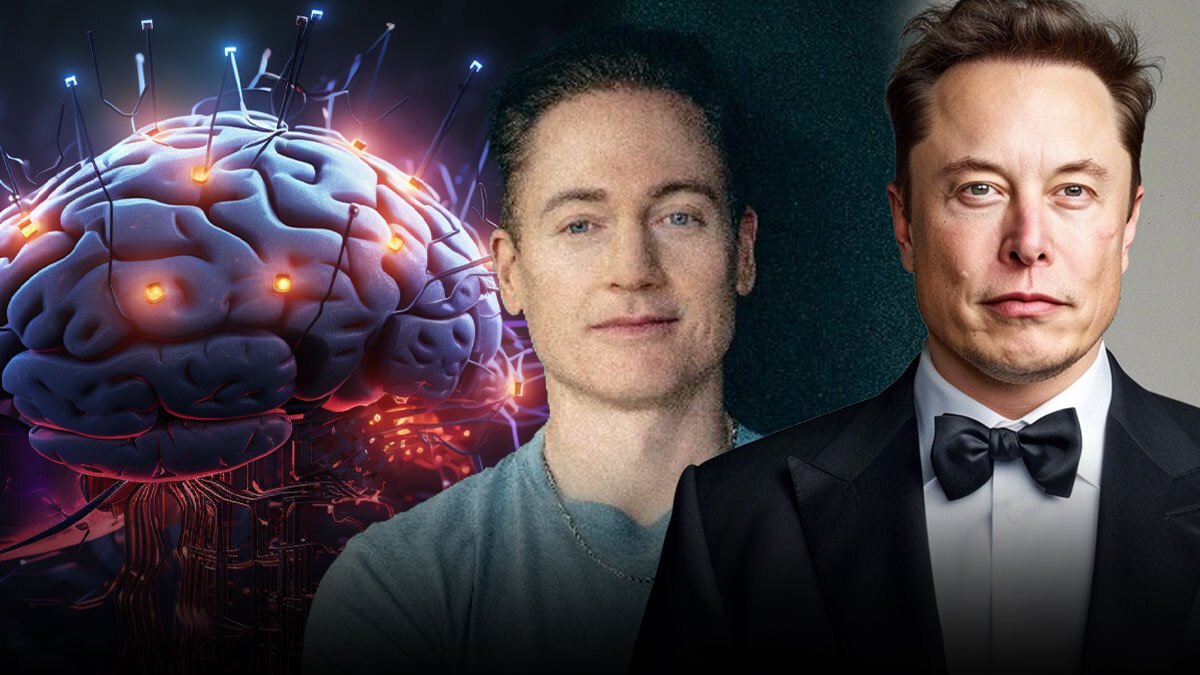
TLDR
• Core Points: Sleep deprivation has profound cognitive and neurological risks; wellness entrepreneur Bryan Johnson warns it can be as damaging as traumatic brain injury, with Elon Musk weighing in on the importance of rest.
• Main Content: Johnson emphasizes nightly sleep as foundational to anti-aging and cognitive health; public discussion frames sleep alongside productivity and longevity.
• Key Insights: Sleep quality, duration, and consistency influence cellular aging, brain function, and recovery; high-profile figures are signaling the seriousness of sleep neglect.
• Considerations: Objective interpretation requires balancing productivity culture with scientific sleep research; ensure credible sources and diverse expert perspectives.
• Recommended Actions: Prioritize consistent sleep schedules, create conducive sleep environments, and consider sunlight exposure and circadian hygiene as part of a holistic health plan.
Content Overview
Sleep is a fundamental physiological process essential for brain health, metabolic regulation, and cellular maintenance. In recent discourse among high-profile wellness and tech communities, sleep deprivation has been described as a condition with consequences rivaling traumatic brain injury in certain domains of function, according to statements associated with Bryan Johnson, a prominent anti-aging advocate and entrepreneur. Johnson has publicly argued that nightly rest is not merely a lifestyle luxury but a critical pillar of longevity and cognitive integrity. Elon Musk, a figure known for demanding work schedules in the tech sector, has acknowledged the centrality of sleep in overall performance, contributing to a broader conversation about how society defines productivity and well-being in the modern era. This article revisits the claims, situates them within current sleep science, and explores the potential implications for individuals and organizations that pursue ambitious health and performance goals.
The topic of sleep deprivation touches on multiple disciplines, including neuroscience, chronobiology, psychology, and occupational health. While debates continue about how much sleep is necessary for different populations, a growing body of research underscores that insufficient sleep can impair attention, working memory, decision-making, and emotional regulation. Chronic poor sleep is linked to metabolic dysfunction, cardiovascular risk, and unfavorable changes at the cellular level, including markers associated with aging. Proponents of intensive optimization strategies argue that modern technologies, circadian hacks, and personalized medicine can help individuals maximize sleep efficiency and restorative benefits. Critics, however, caution that sleep science is nuanced and that one-size-fits-all prescriptions may be inappropriate for many people.
This piece provides a balanced exploration of the discussion surrounding sleep and longevity. It outlines the core claims made by Johnson and other proponents, assesses what the scientific literature currently says about sleep and aging, and considers the broader cultural and practical implications of prioritizing sleep in a world that often equates longer work hours with higher achievement. It concludes with actionable recommendations that readers can apply to their routines, workplaces, and wellness plans.
In-Depth Analysis
Sleep deprivation is not merely a temporary inconvenience; it systematically disrupts cognitive performance and physiological regulation. Experimental studies consistently show that acute sleep loss impairs attention, vigilance, and executive function. Tasks requiring complex problem-solving, creative thinking, and rapid decision-making are particularly sensitive to reductions in sleep duration and quality. When people are chronically underslept, the cumulative impact can resemble the functional deficits observed after mild traumatic brain injury in certain domains, including slowed processing speed and impaired working memory. While this analogy emphasizes the seriousness of sleep loss, it is essential to interpret it with nuance: sleep deprivation does not physically injure brain tissue in the same way as a concussion, but it can produce comparable functional impairments that affect daily performance and safety.
From a physiological standpoint, sleep serves several restorative roles. During non-REM sleep, the brain engages in processes associated with memory consolidation and neural pruning, while REM sleep supports emotional processing and synaptic plasticity. Cellular maintenance, oxidative stress reduction, and immune system regulation are also influenced by sleep. Emerging research suggests that chronic sleep restriction may alter hormonal balance, glucose metabolism, and inflammatory pathways, with potential downstream effects on aging and disease risk. These findings provide a scientific rationale for the emphasis on sleep in anti-aging narratives, though translating laboratory results to real-world guidelines requires careful consideration of individual variability and lifestyle factors.
Supporters of intensive optimization, including Johnson, advocate for a proactive stance on sleep: optimize lighting and temperature in the sleep environment, align daily schedules with circadian rhythms, minimize caffeine and stimulant exposure late in the day, and leverage wearables or sleep-tracking devices to monitor sleep architecture. They argue that maximizing sleep efficiency—ensuring a higher proportion of time in restorative sleep stages—yields meaningful returns in energy, mood, productivity, and longevity. Proponents also highlight early-life conditioning and long-term health trajectories, positing that consistent sleep patterns established in youth can have lasting implications for aging processes.
Critics of purely sleep-centric optimization point to the complexity of human sleep needs. Individual differences in chronotype, lifestyle commitments, and medical conditions mean that prescriptive sleep targets may not be universally applicable. For some people, longer sleep duration does not necessarily translate into better functioning; quality, consistency, and a person’s subjective sense of restfulness may matter more than raw hours. Additionally, the social and economic realities of work demands can make regular, sufficient sleep challenging, thus requiring systemic solutions, such as workplace policies that protect break times, reasonable shift scheduling, and public health messaging that de-emphasizes the conflation of sleep deprivation with heroism or productivity.
The public discourse around sleep and longevity also intersects with broader questions about how society values health investments. In high-demand industries—technology, entrepreneurship, finance—there can be intense pressure to sacrifice sleep in pursuit of short-term gains. Yet the health implications of chronic sleep restriction are substantial, including potential increases in accident risk, poorer metabolic control, and elevated stress responses that over time may contribute to accelerated aging markers. It is essential to balance the aspirational aspects of optimizing performance with evidence-based guidelines that acknowledge individual variation and context.
A critical element of evaluating these claims is the quality of evidence. Sleep research spans laboratory experiments, longitudinal observational studies, and epidemiological analyses. While there is robust evidence that insufficient sleep impairs cognitive performance and increases health risks, extrapolating precise long-term outcomes to specific sleep durations for any given person remains challenging. The science supports a strong incentive to prioritize sleep and to adopt practices that enhance sleep quality, but it does not offer a one-size-fits-all prescription. As with many areas of health optimization, a personalized approach—taking into account medical history, sleep disorders (such as sleep apnea or insomnia), and lifestyle constraints—tends to yield the most reliable results.
In discussing these ideas, it is important to distinguish editorial framing from scientific consensus. The portrayal of sleep as the “most important time” in the context of anti-aging rhetoric stems from a broader narrative that positions rest as the foundation of vitality. While this framing resonates with many readers, practitioners should be cautious about overgeneralization. The bottom line is that sleep is a critical, non-negotiable component of health for most people, and optimizing it—within a person’s unique circumstances—can contribute to better cognitive function, mood, resilience, and overall well-being.
Psychological and behavioral factors also play a role. Sleep motivation, habit formation, and environmental cues influence adherence to healthier sleep routines. Behavioral strategies, such as consistent bedtimes, wind-down routines, and controlled exposure to light in the evening, have demonstrated benefits for many individuals. Conversely, work cultures that reward late-night productivity can undermine sleep hygiene, creating a cycle in which sleep deprivation begets reduced performance, which in turn fuels further sleep sacrifice. Addressing these dynamics requires both individual commitment and organizational responsibility, including leadership modeling, supportive policies, and access to sleep health resources.

*圖片來源:description_html*
Future research directions may include more granular investigations into how sleep interacts with genetics, targeted nutritional interventions, and personalized circadian alignment strategies. As technology enables more precise monitoring, researchers will be better positioned to identify which sleep interventions yield the most meaningful improvements for different populations. However, the ethical and practical considerations of data collection, privacy, and the potential for over-optimization must be acknowledged.
Overall, the contemporary conversation about sleep, longevity, and cognitive performance reflects a convergence of scientific insight, personal experience, and cultural attitudes toward work and rest. While the rhetoric may emphasize urgency and transformative potential, the prudent path forward emphasizes balanced, individualized approaches that recognize sleep as a cornerstone of health, not a luxury or a badge of extraordinary commitment.
Perspectives and Impact
The discourse around sleep deprivation and longevity has implications for policy, workplace culture, and consumer health technology. If the assertions that sleep directly influences aging processes and cognitive resilience hold true in broader populations, there could be meaningful shifts in how organizations design work schedules, performance benchmarks, and wellness programs. Employers may increasingly invest in sleep-supportive environments, such as quiet break rooms, darkened meeting spaces, and policies that discourage after-hours emails or mandatory late shifts. Regulatory bodies and professional societies could promote sleep health as a standard component of occupational safety, much like nutrition and physical activity.
Public figures who vocalize the importance of sleep can sway public perception, encouraging individuals to reframe rest as an essential, non-negotiable practice rather than a secondary concern. However, it is important to avoid simplistic narratives that equate sleep with a single universal prescription. Cultural, socioeconomic, and health diversity means that sleep needs vary. A robust approach to sleep health acknowledges this diversity while promoting evidence-based practices that enhance sleep quality for most people.
In the coming years, advancements in wearable technology, personalized medicine, and circadian biology may offer more precise recommendations for sleep optimization. Scientists may develop more nuanced guidelines that account for chronotype, age, medical conditions, and environmental factors. As with any health intervention, potential risks, such as over-reliance on devices or privacy concerns around health data, must be considered. The integration of sleep science into mainstream wellness will likely continue to rise, supported by multidisciplinary collaboration among clinicians, researchers, and industry stakeholders.
At the individual level, prioritizing sleep can yield tangible benefits in daily life. Improved attention, faster reaction times, better mood regulation, and healthier stress responses contribute to enhanced performance across various domains—from academics and professional work to personal relationships and safety. The societal payoff—when widespread—could include reduced error rates, lower healthcare costs associated with sleep-related conditions, and a population better equipped to handle the cognitive demands of modern life.
Nevertheless, the conversation should remain grounded in scientific nuance. Sleep is a multifaceted biological process influenced by genetics, behavior, environment, and health status. The goal should be to encourage healthier sleep practices without stigmatizing those whose circumstances complicate adherence. This balance is essential for sustaining progress in public health and for fostering environments where rest is valued as a fundamental human need.
Key Takeaways
Main Points:
– Sleep deprivation significantly impairs cognitive function and may have aging-related implications.
– High-profile figures advocate for prioritizing sleep as part of longevity and performance strategies.
– Sleep quality and consistency are as important as sleep duration for many individuals.
Areas of Concern:
– Overgeneralization of sleep needs across diverse populations.
– Workplace cultures that implicitly reward sacrifice of sleep.
– Privacy and ethical considerations in health monitoring technologies.
Summary and Recommendations
Sleep plays a critical role in cognitive health, metabolic regulation, and cellular maintenance. While claims that sleep deprivation equates to brain injury in terms of functional impairment may be provocative, the underlying message is clear: insufficient or poor-quality sleep can undermine performance, mood, and long-term health. The contemporary discourse, including statements associated with Bryan Johnson and the acknowledgment from Elon Musk about the importance of rest, highlights a growing recognition that sleep deserves attention beyond the confines of slumber. To translate this into practical outcomes, individuals should pursue consistent sleep schedules, optimize their sleep environments, and incorporate circadian-friendly practices into daily routines. Employers and communities can contribute by fostering cultures and policies that protect sleep, support mental health, and acknowledge the broad health benefits of rest. Ongoing research will continue to refine our understanding of how sleep interacts with aging and disease, but the present scientific consensus supports a proactive stance: treat sleep as a foundational health behavior, not a discretionary luxury.
References
- Original: https://in.mashable.com/science/90953/bedtime-is-the-most-important-time-anti-aging-millionaire-bryan-johnson-warns-of-sleep-deprivation-e
- Additional references:
- National Sleep Foundation: Sleep and Health
- American Academy of Sleep Medicine: Sleep Hygiene and Public Health
- Harvard Medical School: Sleep and Aging
- World Health Organization: Sleep as a Health Priority

*圖片來源:Unsplash*