TLDR
• Core Points: Bose will discontinue most SoundTouch cloud-based features, effectively de-emphasizing online control and streaming, while keeping the physical speakers operable for local playback. Some limited cloud services will continue temporarily to support critical functionality.
• Main Content: The move reflects the rising costs of maintaining cloud services for aging hardware, with Bose choosing to retire or sunset features rather than completely shuttering the devices.
• Key Insights: This approach balances consumer access to offline playback with the obsolescence of ongoing cloud support, potentially driving users toward newer Bose ecosystems or alternative streaming methods.
• Considerations: Users with multi-room setups and reliance on cloud features should plan for migration, possible data/settings loss, and exploration of compatible Bose or third-party options.
• Recommended Actions: Review existing SoundTouch configurations, back up preferences where possible, and evaluate upgrading to current Bose platforms or replacement speakers that align with your preferred streaming workflow.
Content Overview
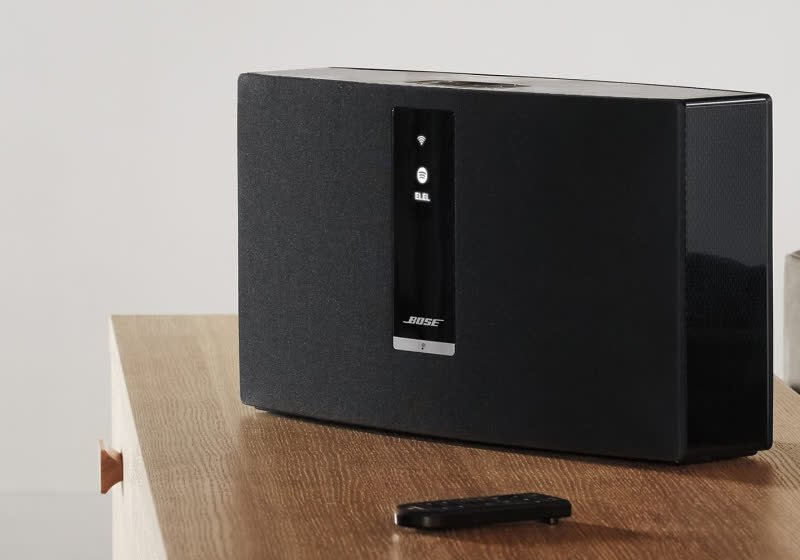
Bose, renowned for its premium audio gear, announced a strategic shift in the lifecycle of its SoundTouch lineup. The SoundTouch line has long been marketed for its ease of use, multiroom capabilities, and cloud-connected features that allowed users to stream music from services, control playback via apps, and integrate with other Bose devices. However, in a move that aligns with the broader patterns of hardware aging and the rising cost of sustaining cloud-based services, Bose indicated that many of these cloud features would be retired. The decision does not amount to an outright shutdown of the speakers themselves; instead, Bose is effectively “bricking” or retiring the cloud-dependent functions while preserving the hardware’s basic audio functionality for local playback. The company frames the transition as a cost and resource consideration, acknowledging that continuing to support an aging product line with expansive cloud integration is unsustainable in the long term.
The broader context for this decision includes the rapid evolution of wireless ecosystems and the emergence of newer Bose products that leverage updated software architectures, streaming protocols, and cloud integrations. For consumers, this means a transition period where SoundTouch devices can still play music offline or via Bluetooth, USB, or local network playback, but with diminished access to online services, app-based control, and remote management. Bose’s stance underscores a shift from a cloud-centric model toward a more hardware- and locally controlled experience, with cloud features phased out in a gradual or staged manner to minimize disruption.
This article provides a deeper look into the rationale behind Bose’s decision, the practical implications for SoundTouch users, and the potential paths forward for customers who want to maintain a robust audio experience without being tied to cloud-dependent functionality. It also places the development within the larger industry trend of winding down legacy cloud services that were once central to connected speakers, while still offering a functional, if reduced, product experience.
In-Depth Analysis
The SoundTouch ecosystem arrived as Bose’s answer to the growing demand for wireless, multiroom audio that could be controlled with a single app and integrated into a broader home audio strategy. These devices offered straightforward setup, reliable streaming from popular services, and the promise of synchronized playback across multiple rooms. Over time, however, the tech landscape shifted toward more flexible, cloud-native platforms and more aggressively supported ecosystems from major streaming providers. The financial and logistical burden of maintaining cloud services for older hardware became harder to justify, particularly as customer upgrade cycles accelerated and newer Bose systems introduced enhanced software experiences with fresh APIs, security updates, and ongoing cloud support.
Bose’s announcement clarifies that the cloud-based features—such as remote control via the SoundTouch app, access to online music services, and other online-enabled capabilities—will be retired. The company emphasizes that the physical speakers will continue to function for local playback, offline music sources, and supported wired or local networked streaming methods. This approach reduces the company’s ongoing obligations to keep legacy cloud endpoints, authentication methods, and service integrations operational, while still preserving the core audio function that many users rely on.
From a consumer perspective, this transition has several practical implications:
– Loss of Online Services: Users will lose the ability to manage playback or access music services through the SoundTouch app in the cloud-driven manner that previously existed. This can disrupt curated playlists, saved device groups, and remote control features that relied on cloud-based communication.
– Local Playback Still Works: The speakers can continue to operate for local playback—whether from Bluetooth sources, local network streams, USB inputs, or other non-cloud-enabled pathways. For many listeners, this preserves the essential listening experience, especially for those who maintain a library of local files or rely on a basic wired or wireless setup that does not require constant cloud connectivity.
– Ecosystem Migration Considerations: Bose has introduced newer ecosystems with updated software architectures. Users may consider migrating to these newer platforms to preserve a more seamless online experience, ongoing support, and access to modern streaming services. The decision to migrate may involve data transfer, reconfiguration of multiroom groups, and re-establishing preferences within a new control interface.
– Data and Settings: Depending on how Bose implements the sunset of cloud features, there may be limitations on exporting or preserving saved settings, favorites, or room configurations tied to the SoundTouch cloud account. Users should review Bose’s guidance on data migration and backup if available.
The broader industry context is worth noting. Other manufacturers have faced similar decisions as cloud services become more complex and costly to sustain for legacy devices. The balance between preserving value for current owners and encouraging upgrades to newer, more secure, and more capable systems is delicate. In some cases, companies provide transitional pathways—often with reduced functionality—so customers can still derive value from their devices while contemplating new hardware or software investments. Bose’s approach to keep core hardware functional while reducing cloud dependencies aligns with that pragmatic philosophy.
Customers who have invested in multiroom configurations based on SoundTouch may experience more pronounced disruption. Although basic playback persists, features such as synchronized playback across rooms, cross-device group control, and automated service integrations could be affected. Bose may offer transitional support or limited-time access to cloud features to ease the transition, but as with many sunset strategies, the long-term expectation is that cloud-based control will be phased out entirely or replaced with an alternative control framework within the Bose ecosystem.
Notably, this shift does not necessarily reflect a collapse of Bose’s hardware strategy. The company continues to push forward with newer products that emphasize modern software interfaces, better security, and deeper integration with streaming platforms and smart home ecosystems. For existing SoundTouch owners, the question shifts to planning for the future: whether to endure a functionality-reduced experience, upgrade to a newer Bose system, or seek compatible third-party interfaces that can fill gaps in control and streaming.
The security implications of removing cloud features are mixed. On one hand, reducing exposure to cloud endpoints may lower certain attack surfaces and minimize potential data exposure via outdated services. On the other hand, relying more on local control and legacy hardware could expose users to longer lifecycles of older software components that may no longer receive security updates. In either case, users should remain mindful of their home network’s security posture and consider updating firmware where available, as well as using secure networks and account hygiene practices.
From a retail and support perspective, Bose’s communication around the sunset of SoundTouch cloud features is critical. Providing clear timelines, outlining which features are affected, and offering migration paths helps reduce customer frustration. The company’s messaging should ideally include practical guidance on how to transition, what remains supported, and any potential trade-offs in performance or functionality. Clear, user-centric documentation can make a significant difference in how customers perceive the change—whether as a necessary business decision or as an avoidable disruption to their listening experience.
In terms of competitive positioning, Bose’s strategy can be viewed through the lens of product lifecycle management. Premium audio brands must balance the allure of cutting-edge capabilities with the realities of maintaining aging platforms. By preserving essential hardware functionality, Bose preserves value for a segment of customers who may not need cloud features to enjoy music. Simultaneously, the company nudges users toward its latest ecosystems, potentially increasing the likelihood of future purchases. The decision underscores a broader industry trend: cloud-centric convenience must be weighed against the costs of ongoing maintenance and the benefits of hardware-forward, locally controlled experiences.
For technology writers and consumers, this development is a reminder of how cloud dependencies can shape user experiences long after a device’s first launch. The SoundTouch case study illustrates the practical implications of sunset strategies, including the importance of transparency, customer support, and the availability of transition options. It also highlights the ongoing evolution of home audio, where the most valuable experiences often come from a mix of local playback, smart features, and cloud-enabled services that are carefully managed to balance cost, security, and user satisfaction.

*圖片來源:Unsplash*
Perspectives and Impact
The retirement of SoundTouch cloud features marks a watershed moment for Bose’s legacy line. For long-time SoundTouch customers, the news may feel like a retreat from a previously convenient, cloud-enabled model toward a more fragmented experience. While the hardware itself remains serviceable, the practical utility of the SoundTouch system is redefined. This shift can influence consumer sentiment in several ways:
- Perceived Value Decline: As cloud features fade, some users may perceive SoundTouch speakers as less valuable or modern compared to newer Bose systems that emphasize integrated software ecosystems and continuous cloud support. The ongoing relevance of these devices relies on how effectively Bose communicates the enduring value of local playback and the potential for future feature enhancements within newer hardware lines.
- Migration Dynamics: The decision may spur customers to upgrade to contemporary Bose ecosystems or to seek alternative brands that offer better long-term cloud support, broader service compatibility, and easier upgrade paths. Bose’s own product strategy could be to funnel a portion of the installed base toward newer lines, thereby sustaining brand loyalty while ensuring customers remain within the Bose ecosystem.
- Access and Control: The SoundTouch experience highlighted a time when control and streaming were centralized within a single app. As the cloud features recede, consumers may demand more flexible control options, such as compatibility with third-party home automation platforms or more open standards for local streaming. The market response could include increased demand for interoperable devices that function well in diverse setups without heavy reliance on proprietary cloud services.
- Security and Privacy Considerations: Reducing cloud dependence can mitigate certain privacy and security concerns, particularly for households that prioritize on-device or local-network control. Conversely, older devices left on legacy firmware may present longer-term security challenges if updates are no longer delivered. This duality emphasizes the importance of robust security planning in the design and lifecycle management of connected audio devices.
- Industry Trends: Bose’s move aligns with a broader industry pattern where brands sunset older cloud features as they shift investments toward newer platforms. This trend influences consumer expectations, encouraging buyers to consider the full lifecycle and upgrade trajectory of connected devices rather than focusing solely on initial price and capability.
The practical impact on the user base will depend on how effectively Bose communicates timelines, anticipated feature losses, and transition assistance. For some, the change will be largely transparent, particularly if their SoundTouch devices are used primarily for offline listening or local playback with minimal reliance on cloud features. For others, especially those who depend on synchronized multiroom playback and integrated streaming services, the impact could be more significant.
The signal sent by Bose’s strategy is that cloud-enabled convenience remains desirable, but it comes at a cost. The company is signaling a preference for modern, scalable platforms that can sustain ongoing updates, security improvements, and wider service compatibility. In effect, Bose is asking users to participate in a transition that prioritizes future-proofing of the brand’s ecosystem, even if it means accepting a less feature-rich experience on legacy hardware in the short term.
Looking ahead, there are several possible paths for the SoundTouch ecosystem:
– Transitional Support: Bose may offer a grace period during which some cloud features continue, with clear milestones for retirement. This approach helps customers adapt gradually and remaining interested in Bose services.
– Third-Party Integration: As cloud features wane, there could be opportunities for community-driven or third-party integrations that provide alternative control methods or streaming options through local networks or open standards.
– Reinvigoration through New Hardware: Bose could steer its customer base toward newer products that leverage more resilient cloud frameworks, better security practices, and expanded streaming support, thereby preserving the overall user experience while aligning with modern expectations.
– Enhanced Local Features: Newer Bose products might bring enhanced local playback features, improved device grouping, and more flexible control solutions that do not require constant cloud connectivity, potentially offering a more robust offline experience.
The social and cultural implications should not be overlooked. For many home audio enthusiasts, technology is as much about brand trust and continuity as it is about sound quality. When familiar features disappear, communities often rally around forums and user groups to discover workarounds or to advocate for better transition options. Bose’s handling of this transition will likely influence how the brand is perceived in its after-sales support and how prepared customers feel about future product lifecycles.
From a business standpoint, this decision reflects a pragmatic approach to lifecycle management. The cost of maintaining cloud services, particularly for older devices that may have limited or outdated APIs, can be prohibitive. By reorienting the SoundTouch line toward a more hardware-centric usage pattern, Bose can allocate resources toward testing, security updates, and feature improvements in its current-generation products, while still honoring a portion of the user base that relies on the devices’ core audio capabilities. In the increasingly competitive speaker market, preserving brand integrity and customer trust during transitions is essential, and Bose’s approach—if well-communicated and well-supported—can maintain consumer goodwill even as the feature set changes.
For manufacturers, Bose’s stance provides a case study in managing the delicate balance between product aging and customer satisfaction. The loss of cloud functionality is not merely a feature downgrade; it is a strategic decision about the role of legacy devices within a modern ecosystem. How Bose handles data migration, customer service support, and the availability of affordable upgrade options will shape the perceived fairness and transparency of such transitions across the industry.
In sum, the SoundTouch cloud sunset represents a nuanced evolution of Bose’s hardware strategy. The legacy devices retain their core purpose as reliable speakers, but their role within the company’s broader streaming and control ecosystem shifts. This change invites customers to reflect on their own usage patterns, consider new options within Bose’s lineup, and prepare for a listening experience that emphasizes local control and offline capability while acknowledging the practical limits of cloud-based support for aging hardware.
Key Takeaways
Main Points:
– Bose is retiring most SoundTouch cloud features while keeping the speakers functional for local playback.
– The transition aims to reduce ongoing cloud maintenance costs and align with newer Bose ecosystems.
– Users should plan for migration to current Bose platforms or adapt to a more limited feature set on SoundTouch hardware.
Areas of Concern:
– Loss of synchronized multiroom control and online streaming via SoundTouch app.
– Potential data or settings migration challenges and limited transitional support.
– The possibility of reduced resale value for legacy SoundTouch devices.
Summary and Recommendations
Bose’s decision to sunset SoundTouch cloud features without immediately disabling the hardware itself marks a practical approach to product lifecycle management. By preserving core audio playback, Bose ensures that current devices continue to deliver value, especially for users who primarily rely on offline playback or local network streaming. However, the loss of cloud-based features such as remote control, online streaming service integrations, and multiroom synchronization could significantly impact users who relied on SoundTouch as their central control hub.
For SoundTouch owners, the recommended course of action is to assess personal usage patterns and determine whether upgrading to a newer Bose system offers a more seamless and future-proof experience or if continuing to operate SoundTouch devices in a reduced capacity still meets essential needs. If upgrading, consider devices that align with your preferred streaming services, control interfaces, and multiroom requirements, ensuring compatibility with your existing home network and future plans. If sticking with SoundTouch, prepare for the eventual obsolescence of cloud features, and explore any available transitional options or third-party integrations that can help bridge functionality gaps.
Ultimately, Bose’s sunset strategy reflects a broader industry reality: cloud-based features add significant value but require sustained investment. The company’s approach—to preserve hardware utility while retiring cloud services—strikes a balance that may satisfy many users while guiding others toward newer technologies. Prospective buyers and current owners should stay informed through official Bose communications, document timelines for feature retirements, and remain mindful of how such transitions could influence their home audio setups and overall listening experience.
References
- Original: https://www.techspot.com/news/110844-bose-ending-soundtouch-cloud-features-but-not-entirely.html
- Additional references:
- Bose official announcements and support pages regarding SoundTouch sunset and migration guidance
- Industry analyses on sunset of legacy cloud features in connected speakers
- Reviews of Bose newer ecosystems and how they compare in cloud support and offline functionality

*圖片來源:Unsplash*