TLDR
• Core Points: Bullet journals are structured, rapid-logging systems; junk journals prioritize found materials and artistic expression.
• Main Content: Both formats offer creative outlets; choosing depends on organization needs, aesthetic preferences, and purpose.
• Key Insights: Customization drives satisfaction; hybrid approaches often work best for many makers.
• Considerations: Time commitment, supplies, and planning style influence effectiveness.
• Recommended Actions: Explore both layouts, prototype with simple inserts, then adapt to fit personal goals.
Content Overview
Journaling has evolved beyond a single method, birthing distinct styles that appeal to different creators. Among the most discussed are the bullet journal and the junk journal. Each approach offers a unique way to capture thoughts, plans, memories, and creative expression. The bullet journal, popularized by the rapid-logging method, emphasizes efficiency, organization, and task management. The junk journal, on the other hand, centers on collage, found materials, texture, and a tactile, often eclectic, narrative. Both have enthusiastic communities online and in craft spaces, where practitioners share layouts, supplies, and techniques. This article examines what sets these two journaling styles apart, how each can be used effectively, and how to decide which is right for you. It also considers potential overlaps, benefits, and drawbacks, helping readers choose a path—or a flexible hybrid—that suits their needs and preferences.
In-Depth Analysis
Bullet Journaling: Structure, Speed, and Purpose
– Core concept: A bullet journal uses a rapid-logging system consisting of bullets, short notes, and a flexible index. The format is designed to capture tasks, events, and notes in a compact, customizable notebook. The meta-principle is simplicity and speed: you log items quickly, then migrate or mark them as completed.
– Key components:
– Index: Tracks where sections live in the notebook for quick reference.
– Future Log: A space to record tasks or events planned beyond the current month.
– Monthly Log: A calendar view and tasks for the month.
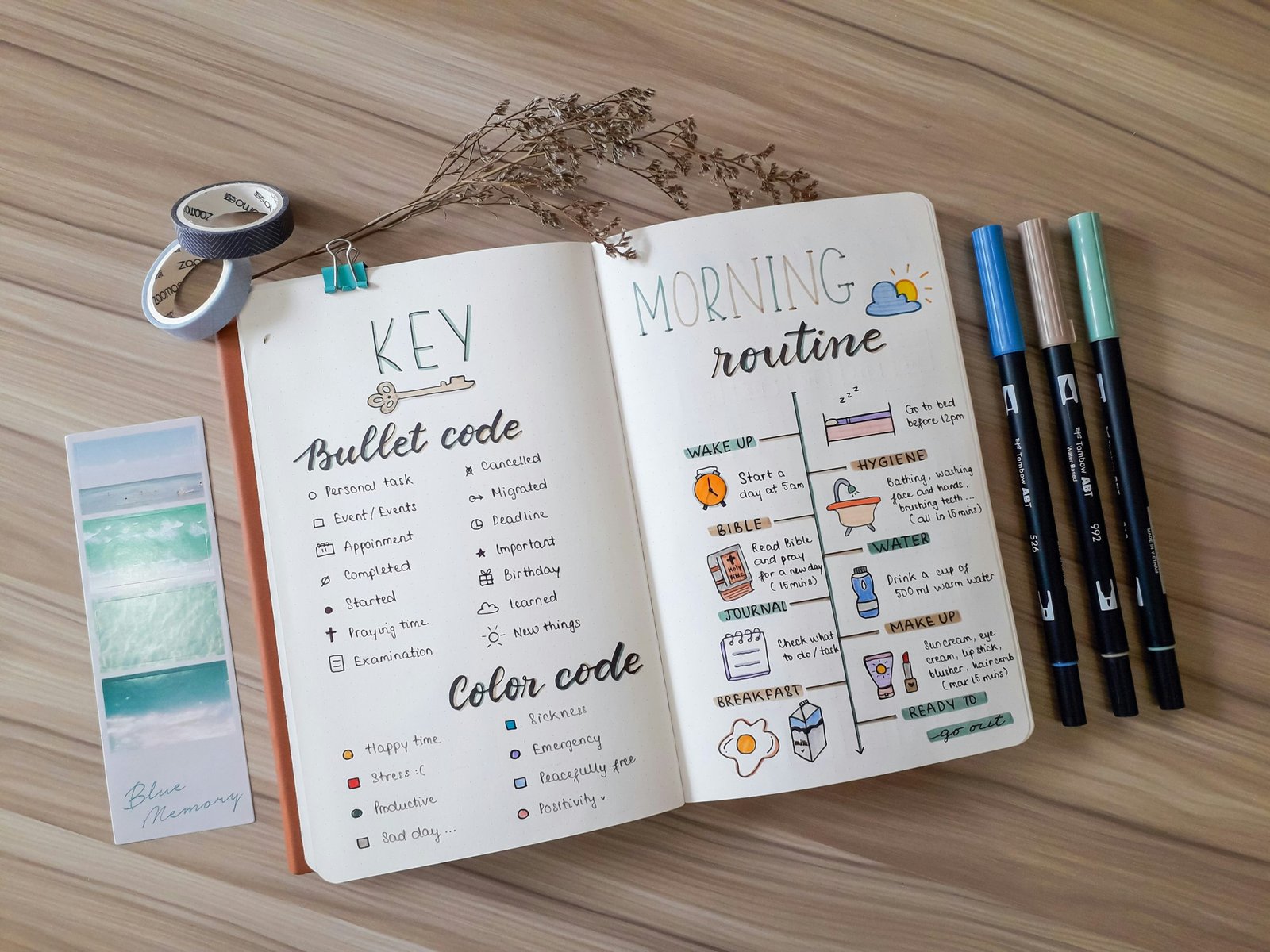
– Daily/Weekly Entries: Short notes with bullets (dots, dashes, or other symbols) indicating tasks, events, or notes.
– Migration: A process to re-evaluate unfinished tasks and decide whether to carry them forward.
– Benefits:
– High level of organization with minimal friction; great for people who value structure and productivity.
– Easy to customize; supports migrating tasks, journaling notes, habit tracking, collections, and trackers within a single notebook.
– Portable and cost-effective; often relies on simple notebooks and common writing tools.
– Potential drawbacks:
– Can feel rigid or daunting if one tries to adhere strictly to a complex framework.
– Requires ongoing ritual to maintain the index, migrate tasks, and keep layouts coherent.
– Not inherently focused on aesthetics; if visual appeal is important, a simple layout may feel unfinished.
Junk Journaling: Texture, Memory, and Expression
– Core concept: A junk journal embraces a collage-and-text approach, employing found papers, ephemera, fabric, photographs, and other tactile materials to craft a visual and tactile record. It prioritizes personal meaning, memory, and creative exploration over strict organization.
– Key components:
– Found materials: Old envelopes, tickets, receipts, magazine clippings, scraps, textiles, and other interesting bits.
– Stitching, glue, and mixed-media techniques: Layers, textures, paint, stamps, and decorative elements create depth.
– Intent and narrative: Pages often tell stories or capture moods, experiences, or periods in a more impressionistic way.
– Benefits:
– Highly expressive and visually rich; fosters creative play and material exploration.
– Encourages preservation of memory through tangible artifacts and altered book pages.
– Flexible structure; there is less pressure to follow a fixed template, which can reduce anxiety for some makers.
– Potential drawbacks:
– Can become physically bulky and difficult to store; materials can be messy and require space to assemble.
– Progress may be hard to quantify; for those who rely on measurable tasks, the lack of a formal system can feel unfocused.
– Materials and techniques can be time-consuming and costly, depending on the extent of collage and embellishment.
Hybrid and Overlaps: Finding Your Best Fit
– Many creators blend elements from both approaches. A hybrid journal might combine a structured bullet-journal framework for planning and task management with dedicated pages for collage, found-material art, and memory documentation.
– Common ground includes:
– A single notebook or a set of notebooks dedicated to different purposes but living in one ecosystem.
– Collection pages or “inspo boards” that compile ideas, quotes, and references.
– Habit or mood tracking alongside creative pages, combining practicality with artistry.
– Personalization is central. The most effective journaling approach is the one that you actually use consistently. If a rigid system stifles creativity, a looser structure or a mixed method may be more sustainable.
Practical Considerations When Choosing a Style
– Time and discipline: Bullet journals can be quick when you keep to a streamlined system; junk journals often require longer sessions for cutting, arranging, and gluing.
– Materials and tools: Bullet journals typically require basic writing supplies and a notebook. Junk journals may involve scissors, glue, adhesives, magazines, ephemera, stencils, paints, and a workspace.
– Aesthetic goals: If you enjoy clean lines, calendars, and productivity dashboards, a bullet journal aligns well. If you love collage, textures, and visual storytelling, a junk journal is appealing.
– Storage and care: Consider how you will store and protect pages, especially when using wet media or delicate materials in a junk journal.
– Purpose: Define what you want to achieve—task management, memory keeping, creative exploration, or a combination of these—which will guide your method.
Getting Started: Simple Pathways to Try
– Test the waters with a single notebook:
– Bullet journal starter: Create a basic index, a monthly log, a few daily entries, and a handful of collections (e.g., books to read, health habits, project trackers). Keep it simple to test the workflow.
– Junk journal starter: Collect a small handful of materials (glue, scissors, old papers, a notebook), and begin with a few pages that mix text and collage. Focus on one theme per page to build confidence.
– Track your experience:
– Note how you feel about organization, time spent, and satisfaction with the final pages.
– Record which aspects you actually use and which feel redundant.
– Allow space for iteration:
– Don’t feel compelled to settle on a single method immediately. Build a flexible routine that can evolve as needs change.
The Case for a Flexible, Personal Approach
– The most successful journaling practice often resembles a personal toolkit rather than a rigid prescription. Some people thrive on the clarity of a bullet journal, while others find the tactile joy of a junk journal more sustaining. Many discover that a hybrid approach offers the best of both worlds: structured planning and expressive creativity within a single or linked set of notebooks.
– Community influence matters: Online communities, workshops, and local maker spaces frequently share layouts, prompts, and techniques. Exposure to different styles can spark new ideas for your own practice.
– Growth over perfection: The goal is sustained engagement and meaningful capture of thoughts, memories, and plans. Perfection is less important than regular use and personal satisfaction.

*圖片來源:Unsplash*
Future Trends and Potential Developments
– Digital-physical hybrids: Some journalers integrate digital planning tools with analog pages, scanning or photographing pages to back up memories while maintaining tactile practice.
– Eco-conscious materials: A rise in sustainable journaling practices emphasizes recycled papers, upcycled ephemera, and refillable notebooks.
– Inclusive communities: More guides and tutorials are focusing on accessibility, including simple layouts for beginners, clear explanations of techniques, and budget-friendly materials.
– Creative experimentation: As makers push boundaries, new forms such as micro-journaling (tiny pages), zines, and modular pages may blend with traditional bullet or junk journal concepts.
Key Takeaways
Main Points:
– Bullet journals prioritize efficiency, organization, and task management through rapid logging.
– Junk journals emphasize memory-keeping, collage, and tactile creativity using found materials.
– Hybrid approaches are common and often effective, combining structure with artistic expression.
Areas of Concern:
– Time and resource demands: Junk journaling can require more time, space, and materials than a minimalist bullet journal.
– Consistency and motivation: Maintaining a system that feels meaningful can be challenging if the purpose is not clearly defined.
– Storage and maintenance: Large or heavily embellished journals may become cumbersome to store or transport.
Summary and Recommendations
If you’re new to journaling, start with a simple bullet-journal framework to experience the benefits of organization and task management. Create a one-page index, a monthly spread, and a few daily entries to establish the rhythm. If you’re drawn to creative expression and tangible memories, begin a small junk-journal project with a limited palette of materials, and let pages evolve organically. Don’t feel constrained to pick one approach exclusively; many successful journaling practices blend elements from both styles to suit evolving goals, moods, and lifestyles.
As you experiment, keep a few practical guidelines in mind:
– Define your primary objective: Is the journal primarily for planning, memory-keeping, or artistic exploration?
– Start small: Use a single notebook or a single project at a time to avoid overwhelm.
– Allow flexibility: Permit your system to adapt as your needs change.
– Share and learn: Engage with communities and consider exchanging ideas, layouts, and techniques for inspiration.
– Preserve what works: Adopt pages or techniques that genuinely add value to your routine and let go of what doesn’t.
By approaching journaling with curiosity and flexibility, you can discover a method that not only captures thoughts and memories but also sustains creativity and personal growth over time.
References
- Original: https://abeautifulspace.co.uk/bullet-journal-vs-junk-journal-whats-the-difference/
- Additional references:
- The Bullet Journal System: How to Start and Use It Effectively
- Junk Journaling: Techniques, Materials, and Inspirations for Mixed-M media Pages
- How to Create Hybrid Journals: Blending Planning and Art in One Notebook
Forbidden:
– No thinking process or “Thinking…” markers
– Article must start with “## TLDR”
Ensure content is original and professional.

*圖片來源:Unsplash*