TLDR
• Core Points: Bullet journals and junk journals serve different creative and organizational needs; they share a DIY spirit but diverge in structure, materials, and purpose.
• Main Content: The article contrasts format, customization, and goals of bullet journals and junk journals, offering guidance on when each might be preferable.
• Key Insights: Structure and intentionality define each method; readers should align journal choice with their workflow, aesthetic preferences, and time commitment.
• Considerations: Availability of supplies, maintenance burden, and potential for procrastination or overwhelm should be weighed.
• Recommended Actions: Identify your top priorities (organization vs. libre creativity), trial both styles, and adapt a hybrid approach if helpful.
Product Review Table (Optional)
N/A
Content Overview
Introduction to two popular journaling approaches—bullet journaling and junk journaling—and a primer on why people choose one over the other. The concept of creating a personalized, tactile record of life resonates across styles, but the specifics matter: Bullet journals tend to emphasize rapid capture, planning, and concise structure, whereas junk journals lean into collage, ephemera, and an exploratory, often more aesthetic, approach. The article situates these journals within the broader context of mindful journaling, productivity, and creative expression, and aims to help readers decide which format aligns with their goals, resources, and daily rhythms.
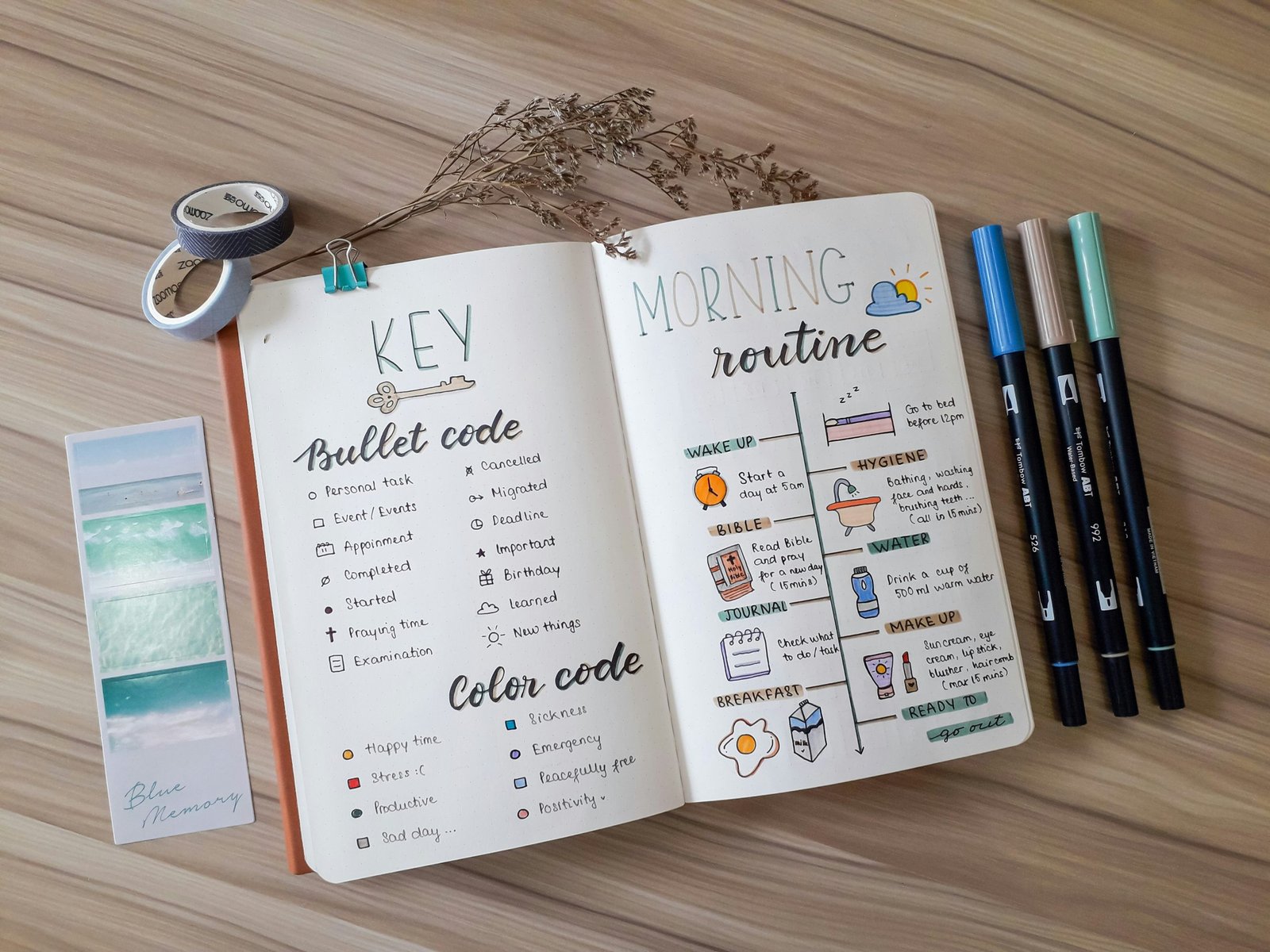
What is a bullet journal? A bullet journal is typically a modular system designed to combine planning, note-taking, and rapid logging into a single notebook. Originating from a method popularized by Ryder Carroll, the bullet journal emphasizes brevity, flexibility, and efficiency. Entries often use bullets, quick signifiers, and a set of standard page types (migrations, logs, trackers, and collections). The core philosophy is to reduce friction: capture information quickly, review it regularly, and adapt as needed. The notebook remains largely clean and consistent, potentially with a minimal desk setup and a focus on functional organization.
What is a junk journal? Junk journaling embraces a tactile, collage-driven, scrapbook-like approach. It invites the user to repurpose “found” or leftover materials—bits of paper, tickets, postcards, fabric scraps, labels, magazine clippings—into a visually rich and emotionally resonant record. The process is often explorative, slower, and more experimental than a bullet journal. The emphasis is on texture, color, memory, and storytelling through layered pages and mixed-media techniques. Junk journals can function as personal diaries, creative art journals, or memory books that celebrate the materiality of everyday life.
The article’s goal is not to prescribe a single “best” method but to illuminate the differences, so readers can choose or combine approaches in ways that fit their personalities, routines, and journaling objectives.
In-Depth Analysis
A bullet journal and a junk journal differ in structure, purpose, and workflow, yet both stem from a shared desire to capture thoughts, plans, and experiences in a tangible, personal format.
- Structure and layout
- Bullet journal: The structure is purpose-built for efficiency and adaptability. Its pages often include monthly calendars, daily logs, habit trackers, goal pages, and collections. The organization is designed to be consistent enough to ease review and planning, yet flexible enough to accommodate shifting priorities. The emphasis is on rapid logging—short phrases, bullets, and simple symbols—so you can capture information quickly and move on.
Junk journal: The structure is more fluid and open-ended. Pages are assembled like a handmade book or scrapbook, with mixed-media elements such as collage, paint, stamps, washi tape, and found ephemera. There is less pressure for uniformity; the visual and tactile principles drive the experience. Pages may be arranged thematically or chronologically, but the emphasis is on exploration and self-expression rather than standardized planning.
Purpose and goals
- Bullet journal: The primary aim is organization and productivity. People adopt bullet journaling to track tasks, appointments, routines, goals, and progress. The method encourages a balance of capturing action items and reflecting on outcomes. A well-maintained bullet journal can become a central tool for time management, task prioritization, and habit formation.
Junk journal: The primary aim is aesthetic enjoyment, memory keeping, and creative exploration. Junk journaling often serves as a visual diary or art journal. The process is about the experience of making—deliberating over color combinations, textures, and materials—and preserving memories or thoughts in a tactile, visually compelling way.
Materials and tools
- Bullet journal: The typical toolkit is minimal and portable: a single notebook, a pen, and maybe a ruler or page tabs. Some users add a few specialized prompts or trackers, but the core is lightweight and practical.
Junk journal: Materials are abundant and varied. Creators collect scraps, old book pages, napkins, stamps, fabric pieces, glue, scissors, adhesives, inks, paints, stencils, and multimedia embellishments. The supply list can grow rapidly as pages become collages or mixed-media compositions.
Time investment and maintenance
- Bullet journal: Maintenance is ongoing but can be tailored to the user’s schedule. Some people dedicate a few minutes daily to log tasks and reflections; others do shorter weekly reviews. The key is consistency and a workflow that fits one’s life.
Junk journal: The process tends to be less time-bound and more explorative. Pages can be created in longer sessions as inspiration strikes. Because it often involves cutting, gluing, and layering, it may require more setup and cleanup, but it also offers an immersive creative ritual.
Aesthetics and user experience
- Bullet journal: Aesthetics can vary widely but often emphasizes clarity, legibility, and a clean, organized appearance. Some users adopt minimalist designs, while others incorporate color-coding, headings, and decorative elements; the priority remains readability and efficiency.
Junk journal: Aesthetics are central to the experience. The journal is a canvas for color, texture, and personal symbolism. The look of each page is typically unique, sometimes deliberately eclectic or chaotic, and the joy comes from the tactile sensation of flipping through layered pages.
Compatibility and integration
- Bullet journal: This method is commonly used as a central planning hub. It integrates daily scheduling, long-term planning, and personal reflection into one place. It can be adapted to various productivity frameworks, such as time-blocking, task migration, or rapid logging.
Junk journal: Junk journaling is often more of a standalone creative outlet. While it can include reflections or notes, its strength lies in the artistry and the act of making. Some people pair junk journaling with digital journaling or other planning methods, but the core is the physical, hands-on process.
Potential benefits and drawbacks
- Bullet journal benefits: Quick capture, clear organization, regular reflection, adaptability to changing needs, and a compact system that travels easily. Potential drawbacks can include the risk of becoming overstructured, feeling pressured to maintain layouts, or spending excessive time on formatting at the expense of content.
Junk journal benefits: Rich creative engagement, memory preservation through tactile media, and a low-pressure approach to “page completion” that emphasizes process over performance. Potential drawbacks include a steeper setup, potential material costs, and a time investment that might be hard to sustain for someone seeking a strictly practical planner.
What to consider when choosing
- Goals: If you want a unified system to manage tasks, appointments, and progress, a bullet journal is often a better fit. If you want a visually expressive, memory-rich artifact that doubles as a personal art project, a junk journal may be more satisfying.
- Time and discipline: For those who prefer a quick daily routine with predictable reviews, bullet journaling offers a straightforward cadence. If you enjoy long sessions of creative layering and experimentation, junk journaling provides a flexible open canvas.
- Materials and space: Consider whether you have the space to store, sort, and manage varied ephemera. If you prefer a lean setup, a bullet journal with minimal supplies could be ideal.
Personal preferences: Some readers appreciate the efficiency and minimalism of bullet journaling; others are drawn to the texture, color, and nostalgia of junk journaling. The best choice aligns with your personality and what you want to experience in journaling.
Hybrid possibilities
Many journalers effectively combine elements from both styles. For example, they might use a bullet journal for planning and task tracking, while dedicating occasional pages to collage and mixed-media explorations. A hybrid approach can preserve the organizational benefits of bullet journaling while allowing creative expression through artful inserts, glue pages, or decorative spreads. The key is to maintain a workflow that remains functional and enjoyable, rather than allowing one approach to overwhelm the other.

*圖片來源:Unsplash*
Accessibility and inclusivity
The choice between bullet and junk journaling is accessible to beginners and seasoned creators alike. Bullet journaling offers a gentle entry point for those seeking structure and productivity. Junk journaling invites experimentation with materials and techniques, which can be inviting for people who connect more with tactile processes. Both paths encourage mindfulness, reflection, and personal meaning, making journaling a versatile tool for well-being and self-expression.Practical tips for beginners
- Start simple: If choosing bullet journaling, begin with a basic index, a few monthly log pages, and a simple daily log. If choosing junk journaling, assemble a starter kit with a few glue sticks, scissors, a small selection of papers, and a notebook that can handle glue and ink.
- Set realistic expectations: Decide how often you want to update your journal and what you want to capture. Overloading a new practice with too many goals can lead to burnout.
- Use prompts: For bullet journaling, use prompts like “tasks,” “events,” “notes,” and “habits” to guide rapid logging. For junk journaling, collect a manageable group of ephemera that resonates with you and build around it.
- Protect your materials: If you’re integrating wet media, consider a protective cover or a separate journal to avoid bleed-through.
Reflect regularly: Build in a routine to review what you’ve captured or created. Regular reflection enhances the effectiveness of whichever method you choose.
Common misconceptions
- It’s all or nothing: Many people benefit from a flexible blend of both styles rather than choosing one exclusively.
- It must be perfect: Journaling is a personal practice meant to serve you; perfection can hinder progress. The value lies in consistency and personal meaning, not in flawless aesthetics.
- One method is superior: Neither method is inherently better; each serves different purposes and preferences. The best choice is the one that fits your life and brings you joy and clarity.
Perspectives and Impact
The choice between bullet journaling and junk journaling is ultimately a reflection of individual priorities and lifestyle. For some, clarity, efficiency, and the ability to manage tasks across a busy schedule are paramount. In these cases, bullet journaling can be a practical ally, helping users track habits, monitor progress, and maintain focus on goals. The method’s strength lies in its capacity to consolidate several functions—planning, note-taking, and reflection—into a single, portable notebook. The disciplined, standardized approach can reduce cognitive load, making it easier to translate intentions into action.
For others, the journaling experience is primarily about exploration, memory-making, and the joy of creation. Junk journaling provides a medium for spontaneous expression and personal storytelling. It invites imagination, experimentation with color and texture, and the use of found objects to evoke memories and emotions. The resulting artifact becomes not only a record of thoughts but a tangible object of beauty and sentiment. In a world where digital communication often dominates, junk journals can offer a meaningful counterbalance—a physical, sensory retreat that honors the imperfect, handmade nature of life.
The broader impact of journaling trends also encompasses well-being, creativity, and resilience. Regular journaling—whether structured or exploratory—has been linked to reduced stress, improved memory, and increased self-awareness. The choice of format may influence adherence; for some, a highly organized system reduces anxiety and creates a sense of control, while for others, the freedom and playfulness of junk journaling sustain motivation and ongoing engagement with creative practices.
Looking ahead, hybrid models are likely to grow in popularity. The digital-to-analog continuum provides opportunities to integrate the strengths of both approaches. For example, a digitally planned task list can be paired with physical journaling sessions that incorporate collage or hand-drawn elements. As creators gain experience, they may discover personalized hybrids that blend structure with artistic exploration, enabling a journaling practice that is both functional and emotionally fulfilling.
Moreover, the conversation around journaling is expanding to include accessibility and inclusivity. People with different cognitive styles, physical abilities, or time constraints can adapt journaling to their needs. Simple, compact bullet journals may be ideal for busy individuals who travel frequently, while larger junk journals can serve as contemplative projects for those with dedicated studio space. The core principles—intentionality, self-expression, and reflection—remain the constants that give journaling its enduring value.
In terms of future trends, the rise of eco-conscious and sustainable crafting practices may influence material choices in junk journaling. Reusing paper, avoiding waste, and selecting upcycled embellishments align with broader environmental values. The community around journaling continues to share ideas about prompts, layouts, and techniques, fostering a supportive ecosystem for beginners and seasoned practitioners alike.
Key Takeaways
Main Points:
– Bullet journaling and junk journaling are distinct yet complementary approaches that serve different needs: organization versus artistic expression.
– Structure and intentionality differentiate the two; choosing depends on personal goals, time, and preferred workflow.
– Hybrid models offer flexible pathways that combine efficiency with creativity, enabling a personalized journaling practice.
Areas of Concern:
– Risk of burnout with overly rigid bullet journaling or overwhelming material costs with junk journaling.
– Potential mismatch between a user’s lifestyle and the demands of a particular format.
– Maintaining consistent practice, especially when juggling multiple formats or competing priorities.
Summary and Recommendations
Bullet journaling and junk journaling represent two ends of a broad spectrum of personal journaling practices. The former emphasizes streamlined planning, rapid capture, and consistent review, making it well-suited for individuals seeking clarity, accountability, and a portable system. The latter centers on tactile creativity, memory preservation, and exploratory process, appealing to those who savor material interaction and visual storytelling. Neither approach is inherently superior; the most effective practice is the one that aligns with your personality, schedule, and goals.
For readers undecided about which path to pursue, a practical plan is to test both styles for a set period—two to four weeks each—to observe how they fit with daily routines, cognitive load, and personal enjoyment. Consider starting with a minimal bullet journal setup to establish a planning rhythm, then introduce a small junk journaling project as a weekend or downtime activity. If you find value in both, a hybrid approach can offer the best of both worlds: use a structured system for tasks and planning while dedicating occasional pages to creative, mixed-media explorations.
Ultimately, journaling should feel like a supportive, sustainable practice. It should help you remember important details, track progress toward goals, relieve stress, and provide a space for creative expression. By understanding the differences and potential synergies between bullet journals and junk journals, you can craft a journaling practice that resonates with you today and remains adaptable as your needs evolve.
References
- Original: https://abeautifulspace.co.uk/bullet-journal-vs-junk-journal-whats-the-difference/
- Additional references:
- Ryder Carroll. The Bullet Journal Method. Lothian Books, 2013 (conceptual foundation of bullet journaling)
- A Gentle Art of Scrapbooking: Techniques for Mixed Media Journaling (general techniques and materials for junk journaling)
- Psychology Today: Benefits of Journaling for Mental Health and Well-Being (context on journaling benefits)
Note: The above references are suggested to provide broader context and support for ideas discussed, but the article remains original in content and synthesis.

*圖片來源:Unsplash*