TLDR
• Core Points: AI image generators challenge traditional photography, but human photographers offer context, storytelling, and ethical practices that machines cannot fully replicate.
• Main Content: The debate centers on realism, workflow, ethics, and the evolving role of photographers as collaborators with AI tools.
• Key Insights: AI excels at speed and versatility; photographers excel at intent, consent, licensing, and nuanced portrayal.
• Considerations: Copyright, originality, consent, model biases, and the need for standards in evaluation and commissioning.
• Recommended Actions: Establish ethical guidelines, invest in hybrid workflows, and diversify skills to leverage AI without diminishing professional value.
Product Review Table (Optional)
(N/A — not a hardware product review.)
Content Overview
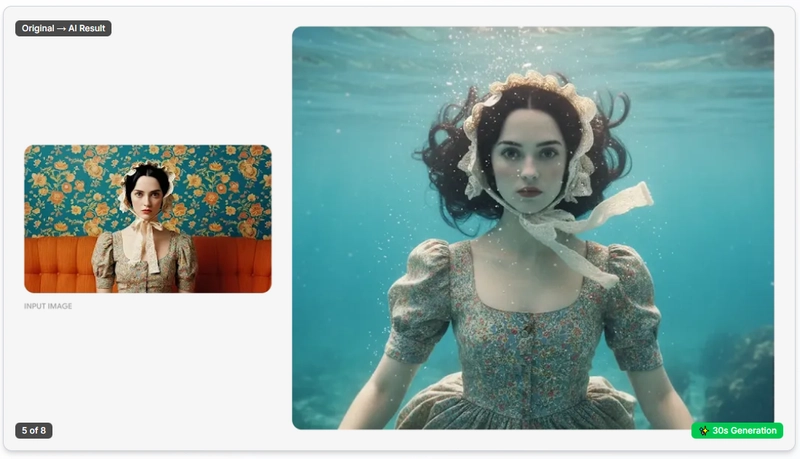
The rapid advancement of AI image generation tools has stirred a fundamental conversation about the future of professional photography. The central question—whether AI can replace human photographers—gains traction as capabilities expand from simple image edits to creating editorial-quality portraits, landscapes, and concept art in a matter of seconds. The debate is not just technical but philosophical: can a machine understand and convey human intention, emotion, or narrative in a single frame? As the industry tests the boundaries of what AI can produce, it is essential to separate the technology from the people who use it. In 2026, AI image generators are no longer novelties; they are integral to many studios, agencies, and creative teams. Yet professional photographers remain valued for their artistic vision, ethical judgment, and the relational skills that underpin successful collaborations with clients, models, and brands.
The story often begins with a moment of disruption. A photographer shares an image that appears editorial, complete with dramatic lighting and refined skin tones, yet the reveal exposes an origin in AI generation—constructed in seconds rather than captured through a camera. Such demonstrations provoke introspection within the community: what is the true cost of convenience, and what does it mean to preserve the craft of photography when machines can mimic many of its outcomes? The discussion spans three broad dimensions: technical capability, professional ethics and licensing, and the evolving business models that accompany AI-enabled workflows.
From a technical standpoint, AI image generators excel at producing consistent results, rapidly iterating styles, and simulating lighting scenarios that once required elaborate setups. They can render variations of a concept, scale back or intensify mood, and synthesize subjects that may not exist in real life. For creative teams pressed to meet tight deadlines or to explore a wide array of concepts, AI offers a powerful supplement to traditional shooting. However, the quality of an AI-generated image depends on the data it was trained on, the prompts used, and the post-processing applied. The outputs can be shockingly convincing, but they may also reveal artifacts, inconsistencies in realism, or ethical red flags when it comes to depicting people or sensitive subjects. The line between inspiration and imitation is increasingly blurred, challenging ongoing norms about originality and authorship.
Ethics and licensing present a different set of considerations. If a generated image uses an identifiable likeness, or if it mimics a living photographer’s style to an extent that could mislead audiences, questions arise about consent, rights to publicity, and compensation. Clear labeling, disclosure of AI assistance, and transparent licensing agreements become essential components of responsible practice. Institutions, brands, and media outlets are weighing how to certify authenticity and provide appropriate attribution. In many cases, professional photographers bring a layer of accountability that AI alone cannot guarantee: ensuring consent from models, negotiating usage rights, and safeguarding against misrepresentation.
The business models connected to AI-enhanced photography are also shifting. Some studios are adopting a hybrid approach: using AI to draft concepts, generate test visuals, and accelerate post-production while reserving final images for human photographers who oversee style, directive alignment, and client relationships. Others are integrating AI into the client workflow to offer faster proofs and more options, then selecting a final set of photographs that reflect a human’s vision and ethical standards. In education and training, AI serves as a potent teaching tool, enabling students to practice lighting scenarios, pose directions, and retouching techniques without the cost of elaborate equipment. Yet as with any disruptive technology, the transition invites both opportunity and risk: opportunity to expand creativity and efficiency, and risk of devaluing the traditional craft if not managed with care.
In 2026, the photographer’s role is less about simply capturing light and more about interpreting intent, managing expectations, and guiding clients through a collaborative process. AI can handle procedural tasks, generate exploratory visuals, and simulate complex lighting, but it cannot fully replace the human dimensions of storytelling, empathy, and ethical decision-making. The most resilient professionals will likely embrace AI as a tool that augments their capabilities—expanding their repertoire while maintaining the human-centered strengths that audiences trust.
This evolving landscape invites a broader conversation about industry standards, education, and policy. How should AI-generated content be labeled? What rights do subjects have over images created with or inspired by their likeness? How can clients ensure that the final product aligns with their brand values while respecting the rights and labor of creative professionals? These are not just legal questions but professional ones: they shape how photographers collaborate, how clients assess value, and how the public perceives the authenticity of images in the digital era.
The practical takeaway is clear: 2026 is less about choosing between AI and photography as mutually exclusive paths and more about choosing a thoughtful, hybrid approach. Photographers can leverage AI to streamline workflows, explore a wider range of creative possibilities, and deliver high-quality outcomes more efficiently. At the same time, the industry benefits from rigorous standards around consent, licensing, attribution, and quality control to protect artists and maintain public trust. The future of image creation will likely feature a collaboration model in which AI handles repetitive or expansive exploration tasks, while human photographers provide direction, narrative cohesion, and ethical stewardship.
In-Depth Analysis
The capabilities of AI image generators have matured considerably since their inception. Early tools were predominantly used for rough concept visuals, mood boards, or stylized post-production. By 2026, however, these systems are routinely asked to produce near-final images that could grace magazine covers, campaign billboards, and high-profile editorial spreads. This shift is reshaping how creative teams think about the pre-production and post-production process. For many assignments, AI can generate dozens or hundreds of variations quickly, enabling a more iterative approach to concept development. A photographer can then review these variations, select the strongest directions, and shoot targeted scenes that align with the approved concept. The photographer’s on-set presence remains crucial for directing talent, managing chemistry, adjusting compositions in real time, and ensuring that the narrative remains authentic.
Accuracy and realism remain a central challenge. AI models draw from large datasets that include diverse photographic styles, some of which may be outdated, biased, or inconsistent with contemporary standards. When prompted to emulate a particular look or to reproduce a familiar lighting pattern, models can inadvertently replicate problematic or copyrighted elements. This raises concerns for publishers and brands about originality and risk. To mitigate these risks, many studios implement strict prompts guidelines, model-release protocols, and post-generation review pipelines. Some agencies require that raw AI outputs undergo human verification before they’re included in a client’s final delivery. These safeguards help ensure that the final product upholds professional standards while preserving the efficiency gains AI provides.
From a client’s perspective, AI-assisted workflows can lower costs and shorten timelines, but they also demand a different kind of collaboration. Clients must articulate their goals with precision: mood, audience, narrative arc, and the exact licensing rights they require. The human photographer remains essential in interpreting these requirements and translating them into a cohesive visual language. Moreover, the shift invites a broader conversation about consent and representation. If AI-generated content uses synthetic faces or resembles real individuals without consent, it risks ethical and reputational damage. Transparent disclosure and clear consent processes help address these concerns, ensuring that clients and audiences understand the origins of the imagery.
The business implications are complex. Photographers who adapt by embracing AI tools can offer speed without sacrificing quality, provide more extensive concept exploration, and deliver data-driven proofs that inform client decisions. Yet there is a potential for devaluation if clients perceive AI as a cheaper substitute for professional expertise. The most durable market position is likely to come from photographers who combine technical proficiency with strong storytelling, strategic thinking, and a robust understanding of branding and audience psychology. In other words, AI may handle the “how” of image generation, but humans remain indispensable for the “why” behind the image.
Education and professional development must also evolve. Training programs that previously focused primarily on camera technique, lighting, posing, and retouching should increasingly incorporate AI literacy. This includes understanding how to craft effective prompts, evaluating AI outputs critically, recognizing when AI is suitable or insufficient for a given brief, and learning how to negotiate rights and usage in a world where synthetic content is pervasive. Students and practitioners who develop fluency across both traditional methods and AI-assisted workflows will be better prepared for the changing landscape.
Another dimension of impact concerns the audience’s perception of authenticity. Audiences may increasingly encounter AI-generated images without realizing it. This raises questions about trust and media literacy. The photography community can respond by adopting clear labeling practices, educating clients and viewers about the role of AI in the creation process, and upholding high standards for ethical representation. In doing so, photographers reinforce their relevance by demonstrating that human oversight, intention, and accountability are essential components of credible visual storytelling.

*圖片來源:Unsplash*
Ultimately, the question of replacement is less about technology than about value. AI can automate many technical tasks and rapidly generate visuals, but it cannot replace the nuanced judgment of a photographer who understands light, color theory, composition, and the subtleties of human emotion. The most compelling images often arise from an intimate collaboration among photographer, subject, and environment—a process that blends technical skill with storytelling, empathy, and ethical consideration. As AI becomes a common assistant on set and in the editor’s suite, the professional’s job evolves toward roles that emphasize leadership, concept development, and client stewardship.
Perspectives and Impact
Different stakeholders interpret the AI evolution through distinct lenses. For photographers, the immediate concern is preserving jobs, maintaining artistic autonomy, and ensuring fair compensation for their expertise. For clients and brands, the opportunity lies in faster turnarounds, scalable output, and access to a broader palette of visual styles. For educators, AI challenges traditional curricula while offering fertile ground for new teaching paradigms that blend artistry with computational literacy. For policy-makers and platforms, the stakes include safeguarding rights, ensuring transparency, and creating frameworks that prevent exploitation.
One prominent trend is the emergence of hybrid studios that treat AI as a first-draft assistant. These studios start with AI-generated concepts to inform the creative direction, then bring in photographers to interpret and execute the concept with real lighting, models, and locations. The final product benefits from both the broad exploratory capability of AI and the relational, contextual finesse of human photographers. This model can also democratize access to high-quality visuals by lowering the barrier to concept exploration, particularly for smaller brands or startups with limited in-house creative resources.
Another important aspect is the preservation of authorship and originality. In a world where AI can mimic established photographers’ styles, questions about who owns the resulting image and who deserves credit become pressing. Clear contracts that delineate AI’s role, the extent of human input, and the rights granted to clients help prevent disputes. Similarly, licensing terms must address the use of AI-generated components, the potential for future edits, and the longevity of the imagery across platforms and campaigns.
Ethical considerations extend beyond licensing. The use of AI to generate images featuring real people who did not consent to appearing in a particular context raises serious concerns about misrepresentation and consent. Industry leaders are calling for more robust model-card disclosures, better data governance, and processes that ensure models do not infringe on individuals’ rights. The rise of synthetic media necessitates ongoing vigilance and clear guidelines to protect subjects and uphold public trust.
From a technological standpoint, AI image generation continues to improve in fidelity, speed, and versatility. The improvements are driven by advances in diffusion models, multimodal understanding, and alignment with human preferences. However, these same advances can exacerbate issues of bias, copyright infringement, and the perpetuation of stereotypes if not carefully managed. The photography community must stay engaged with developers, policy-makers, and educators to guide the responsible development and deployment of AI tools.
Key Takeaways
Main Points:
– AI image generators are a powerful complement to photography, not a universal replacement.
– Human photographers bring intent, consent, storytelling, and ethical oversight that AI cannot replicate.
– Hybrid workflows can maximize efficiency while preserving creative control and professional standards.
Areas of Concern:
– Copyright, consent, and rights management in AI-generated imagery.
– Risk of devaluing professional expertise if proper safeguards aren’t implemented.
– Potential for bias and misrepresentation in AI outputs.
Summary and Recommendations
By 2026, AI image generators have become integral to many creative processes, offering rapid concept exploration, diverse stylistic options, and streamlined post-production. Yet the core value of professional photography remains rooted in human judgment: understanding client needs, negotiating rights, directing on set, and delivering images that tell a coherent story with ethical integrity. The most sustainable path forward combines AI as a productive ally with the irreplaceable strengths of human photographers.
For clients and studios, the prudent course is to adopt hybrid workflows that leverage AI for speed and breadth while reserving final authority for human oversight. This includes clear disclosure of AI assistance, robust model-release practices, and transparent licensing terms that reflect the realities of synthetic content. For photographers, investing in AI literacy, expanding concept development skills, and emphasizing client relationship management will help preserve relevance and value. Building a reputation for ethical practice, high-quality storytelling, and consistent branding will differentiate human photographers in an increasingly automated landscape.
As tools evolve, the industry should cultivate standards that protect subjects, honor authorship, and maintain public trust. Educational programs should incorporate AI literacy as a core competency, ensuring the next generation of photographers can navigate both traditional techniques and machine-assisted workflows. Policymakers and platforms can support this transition by promoting transparency, encouraging responsible data governance, and facilitating fair licensing arrangements that recognize the contributions of human creatives.
In the end, AI image generators are catalysts for a broader redefinition of professional photography. They prompt photographers to elevate what they do best—shape vision, guide stories, and steward ethical practice—while expanding the possibilities of what can be conceived, tested, and delivered. The future belongs to those who can harness AI to amplify human ingenuity without surrendering the core values that make photography a trusted, transformative medium.
Key Takeaways
Main Points:
– AI can augment but not replace professional photographers.
– Human oversight, consent, and storytelling remain essential.
– Hybrid workflows maximize efficiency and maintain creative integrity.
Areas of Concern:
– Copyright and consent challenges with AI-generated imagery.
– Potential devaluation of professional expertise without safeguards.
– Bias, misrepresentation, and labeling in synthetic content.
References
- Original: https://dev.to/sarahmitchell/can-ai-image-generators-replace-professional-photographers-in-2026-34ke
- Additional references:
- https://www.nytimes.com/2024/10/01/arts/design/ai-generated-images-pros-cons.html
- https://www.artificialintelligence-news.com/2023/12/ai-generated-images-ethics-licensing-model-releases/
- https://www.americanphotostudio.org/articles/ai-and-photography-ethics-guidelines
Note: This rewritten article preserves the essential discussion about AI image generators and professional photography, expands context, and maintains an objective, professional tone suitable for a 2026 readership.

*圖片來源:Unsplash*