TLDR
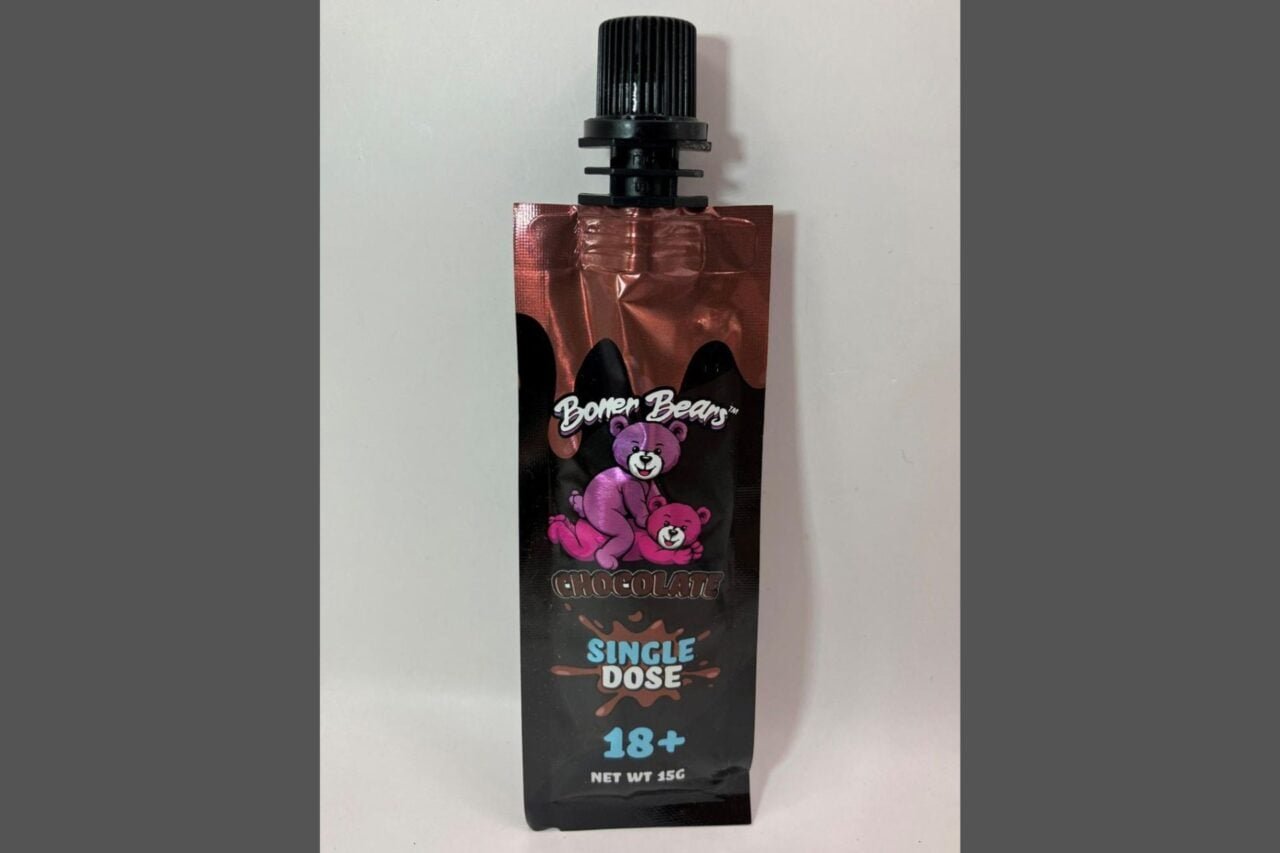
• Core Points: Lockout Supplements voluntarily recalled its Boner Bears Chocolate Syrup due to unlabeled sildenafil content.
• Main Content: The recall stems from undisclosed amounts of sildenafil, prompting safety and labeling concerns for consumers.
• Key Insights: The incident highlights regulatory gaps in supplement labeling and the risk of adulterated or mislabeled products in the market.
• Considerations: Consumers should check product labels, discontinue use if uncertainty exists, and seek medical advice for potential interactions.
• Recommended Actions: Report any adverse effects, monitor future recalls, and support clearer labeling standards for dietary supplements.
Content Overview
In a recent development within the dietary supplement sector, Lockout Supplements issued a voluntary recall of its Boner Bears Chocolate Syrup. The recall was prompted by the presence of sildenafil—an active pharmaceutical ingredient used to treat erectile dysfunction—in the product, which had not been labeled on the packaging or ingredient list. Sildenafil is a prescription medication in many regions and is not approved for over-the-counter use as part of consumer foods or syrups. The recall underscores concerns about mislabeled or adulterated products entering the consumer marketplace and the potential health risks associated with unregulated ingestion of pharmaceutical compounds in foods or supplements.
Boner Bears Chocolate Syrup is a novelty product marketed for adult consumption, often associated with playful branding. The discovery that sildenafil was present in unlabeled quantities raises questions about quality control, supply chain integrity, and regulatory oversight for supplements that blend food-like formats with drug ingredients. Consumers who purchased the syrup are advised to stop using it and seek information from the manufacturer or regulatory authorities on returns, refunds, and safety guidance. While sildenafil can be safe when prescribed and used under medical supervision, its inclusion in a consumer product without proper labeling can lead to unintended interactions, especially for individuals taking nitrate medications, certain heart medications, or those with specific health conditions.
The recall serves as a reminder that the dietary supplement marketplace can intersect with pharmacologically active compounds in ways that may surprise consumers. It also highlights the ongoing efforts by manufacturers and regulators to ensure transparency, accurate labeling, and consumer safety in products that sit at the boundary between food, supplements, and pharmaceutical agents. As the industry evolves, stakeholders—ranging from manufacturers and retailers to health professionals and regulatory bodies—may intensify scrutiny on product formulation, labeling accuracy, and post-market surveillance to prevent similar incidents in the future.
In-Depth Analysis
The voluntary recall by Lockout Supplements points to a broader issue in the dietary supplement landscape: the complexity of ensuring accurate labeling and content verification for products that carry active pharmaceutical ingredients. Sildenafil, the drug most commonly associated with treating erectile dysfunction, has well-established pharmacodynamics and potential adverse effects. It can interact with nitrates—found in some heart medications—and other prescription drugs, potentially causing dangerous drops in blood pressure or other complications. For this reason, sildenafil is typically regulated as a prescription medication in many jurisdictions, and its presence in an over-the-counter consumer product raises significant safety concerns.
The product in question, Boner Bears Chocolate Syrup, is marketed in a manner that blends confectionery-like appeal with a name and branding intended to grab attention. The discovery that sildenafil was present in unlabeled quantities suggests that the product may have bypassed standard quality control checks or suffered from a fragmented supply chain where raw materials were not properly vetted before incorporation into finished goods. In regulated markets, strict labeling requirements demand that all active pharmaceutical ingredients be disclosed on the product label, along with dosage information, potential allergens, usage instructions, and contraindications. The absence of such labeling creates ambiguity for consumers and complicates risk assessment and medical guidance.
From a regulatory perspective, the recall raises questions about how enforcement and surveillance are conducted for supplements that may contain drug-like ingredients. In many countries, including parts of North America and Europe, there is a framework for dietary supplements that requires some level of ingredient verification, quality assurance testing, and post-market reporting of adverse events. However, the level of scrutiny can vary between jurisdictions and between manufacturers. When a product is found to contain a drug substance without proper labeling, regulators may pursue actions ranging from voluntary recalls to mandatory corrective action. The incident with Boner Bears Chocolate Syrup illustrates how gaps in oversight can allow potentially dangerous products to reach consumers, even when the intent is to offer novelty or niche items in the marketplace.
For consumers, the key takeaway is the importance of exercising caution with products that promise novelty or sexual wellness benefits, especially when they are not backed by transparent labeling or clear regulatory approval. Sildenafil can have varying effects depending on a person’s health status, existing medications, and other factors. Individuals with heart conditions, those taking nitrates, or those who are pregnant or breastfeeding should exercise particular caution, as undirected exposure could pose health risks. Even for healthy individuals, unexpected consumption of a pharmaceutical agent can lead to side effects such as headaches, dizziness, flushing, or more serious cardiovascular implications if combined with other medications.
From a supply chain perspective, this incident emphasizes the need for due diligence in sourcing ingredients. Third-party manufacturers, co-packers, or contract manufacturers may contribute to quality issues if oversight is lax or if there is a lack of traceability for the ingredients used in finished products. Implementing robust supplier verification processes, batch-level testing, and clear documentation can help prevent such incidents. Additionally, consumer safety programs, certifications, and third-party testing can improve trust and accountability in products that may blur the line between food, supplements, and pharmaceutical compounds.
The communication surrounding recalls is another critical factor. Clear, timely, and consumer-accessible information helps individuals understand the risks and take appropriate actions. In this case, the recall notice should specify the batch numbers, production dates, and the scope of the recall to prevent further exposure. Providing guidance on returning affected products and seeking refunds, as well as instructions for monitoring and reporting adverse events, can help manage risk and maintain consumer confidence. Regulatory agencies often publish recall notices that include these details, along with recommended steps for healthcare providers who may encounter patients with exposure to mislabeled products.
The incident also invites reflection on consumer education. People may encounter memory- or novelty-themed products in stores or online, and without proper labeling, it becomes easy to misinterpret the product’s nature or safety profile. Education about reading labels, understanding the difference between food-grade products and those containing pharmaceutical substances, and recognizing red flags in product branding can empower consumers to make safer choices. This is not to discourage entrepreneurial innovation but to emphasize that safety and transparency should accompany novelty in product development.
Looking ahead, the Boner Bears episode could catalyze stronger regulatory emphasis on post-market surveillance for products that mix food formats with drug-like ingredients. Regulators may push for stricter labeling standards, mandatory ingredient disclosure, and pre-market testing for products with atypical combinations of flavors or branding and pharmacologically active compounds. The industry may respond with more stringent quality assurance protocols, enhanced supplier audits, and increased transparency to prevent similar incidents. For researchers and public health professionals, cases like this provide a real-world example of the potential consequences of weak labeling practices and can inform future guidance on consumer safety, risk communication, and pharmacovigilance in the context of consumer products.

*圖片來源:Unsplash*
Perspectives and Impact
Experts in consumer safety, regulatory affairs, and pharmacology weigh in on the broader implications of this recall. From a safety perspective, the unlabeled presence of sildenafil in a consumer product constitutes a potential health risk, particularly for individuals with existing medical conditions or those taking other medications that interact with phosphodiesterase type 5 (PDE-5) inhibitors. While sildenafil can be safe under medical supervision, its unsupervised presence in a food-like product bypasses the safeguards typically associated with pharmaceutical distribution channels. Medical professionals emphasize the importance of disclosing all medication exposures to patients, as undisclosed intake can complicate diagnosis and treatment for adverse events.
Regulators may view this recall as a signal to strengthen oversight of multi-ingredient products and to pursue enhanced traceability. This could involve closer scrutiny of the supply chain, more rigorous batch testing, and better enforcement of labeling requirements for products that contain any pharmacologically active substances. The episode can also prompt policymakers to consider whether current frameworks adequately separate foods, supplements, and medicines, or whether a more integrated approach is needed to prevent cross-category contamination and consumer misinterpretation.
For the industry, the recall creates a cautionary tale about brand protection and consumer trust. Novelties and playful branding can capture attention, but transparency around ingredients and dosage is essential to prevent safety incidents. Manufacturers may respond by adopting stricter internal controls, including supplier qualification, ingredient authentication, and documented quality assurance procedures. Retailers and distributors may increase diligence in product listings, ensuring that any claims about function or potency are supported by verifiable labeling and third-party testing results. Consumers, in turn, may become more discerning, seeking out products with clear labeling, safety certifications, and transparent disclosure of all active ingredients.
The future implications extend to consumer education and public health communication. Clear messaging about why certain substances should not appear in consumer foods or may require medical oversight can help reduce unintended exposure. Public health agencies might issue guidance on identifying and reporting mislabeled products, and healthcare providers may be prompted to discuss the potential risks of exposure to non-prescription products containing pharmaceutical substances. This could lead to broader campaigns about supplement safety, best practices for reading product labels, and the importance of purchasing from reputable sources with strong quality control programs.
There is also an international dimension to consider. Different countries have varying degrees of regulation for dietary supplements and foods that may contain drug-like ingredients. Harmonization of labeling standards and ingredient disclosure could reduce the likelihood of cross-border incidents and facilitate faster recall actions when problems are identified. Collaboration among manufacturers, regulators, healthcare professionals, and consumer organizations will be critical in shaping a safer and more transparent marketplace for products that straddle the line between food, supplement, and medicine.
Ultimately, the Boner Bears recall underscores a central policy question: how to balance innovative product development with rigorous safety guardrails. Innovation thrives when consumers have access to novel products, but breakthroughs should not compromise safety or transparency. Regulators, industry players, and consumers share responsibility for ensuring that any product making functional or wellness claims is accompanied by accurate labeling, appropriate dosage information, and robust quality control. The incident could serve as a catalyst for positive change, driving improvements in labeling standards, supply chain integrity, and consumer protection across the broader marketplace of consumer products that incorporate active pharmaceutical ingredients.
Key Takeaways
Main Points:
– Lockout Supplements issued a voluntary recall of Boner Bears Chocolate Syrup due to unlabeled sildenafil content.
– Sildenafil is a prescription drug with potential interactions and health risks if not properly disclosed.
– The incident highlights the need for stringent labeling, quality control, and supply chain transparency in products that mix food formats with drug ingredients.
Areas of Concern:
– Unlabeled presence of pharmaceutical substances in consumer products.
– Potential health risks for individuals with medical conditions or those taking interacting medications.
– Gaps in regulatory oversight and post-market surveillance for multi-ingredient products.
Recommendations:
– Consumers should stop using the recalled product and consult healthcare providers if exposure is suspected or adverse effects occur.
– Regulators and industry should strengthen labeling requirements, batch testing, and traceability for products containing active substances.
– Maintain open channels for recall notices, refunds, and guidance to minimize risk and preserve consumer trust.
Summary and Recommendations
The voluntary recall of Boner Bears Chocolate Syrup by Lockout Supplements centers on a critical safety concern: the presence of sildenafil in a consumer product without proper labeling. Sildenafil, a drug used to treat erectile dysfunction, carries health risks and can interact with other medications, particularly nitrates. The absence of clear labeling means consumers cannot assess their risk accurately, potentially leading to adverse health outcomes. This incident emphasizes the need for greater transparency in labeling, stronger supplier verification processes, and robust post-market surveillance to identify and mitigate safety concerns promptly.
From a consumer protection perspective, the recall serves as a reminder that novelty-focused products must still meet rigorous safety and labeling standards. For industry stakeholders, it highlights the importance of implementing comprehensive quality assurance practices, including supplier qualification, ingredient authentication, batch testing, and clear communication with retailers and consumers. Regulators may view this as a signal to review and possibly tighten regulations governing products that blend food-like formats with pharmaceutical ingredients, ensuring that all active substances are disclosed and that consumer safety is prioritized.
In moving forward, collaboration among manufacturers, regulators, healthcare professionals, and consumer groups will be essential to restore confidence and prevent similar incidents. Clear recall information, accessible guidance on product returns, and transparent labeling can mitigate harm and reinforce safe practices in the evolving landscape of dietary supplements and novelty products. While innovation remains a driving force in the market, it should not come at the expense of consumer safety and regulatory compliance.
References
- Original: https://gizmodo.com/chocolate-boner-syrup-recalled-for-actually-containing-viagra-ingredient-2000727848
- [Add 2-3 relevant reference links based on article content]

*圖片來源:Unsplash*