TLDR
• Core Points: Corsair introduces new DDR5 packaging to improve security and transparency amid chip shortages, rising RAM scams, and inflated prices.
• Main Content: The redesign targets clearer in-pack information and anti-traud measures to help customers verify product authenticity.
• Key Insights: Packaging can significantly reduce counterfeit risk; trust signals are increasingly important in a volatile memory market.
• Considerations: Adoption across all SKUs and consumer education will be essential for effectiveness.
• Recommended Actions: Competitors should assess similar packaging transparency; retailers should reinforce verification steps at sale.
Content Overview
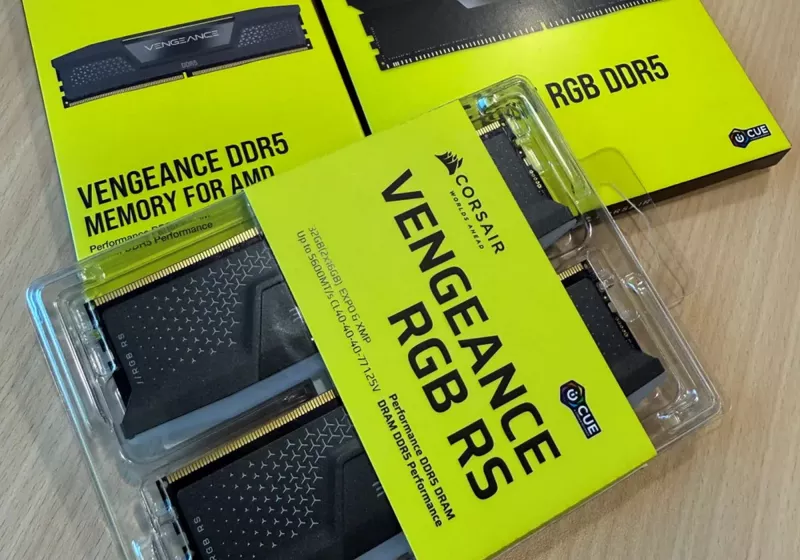
In recent months, the memory market has faced a paradox: chipmakers enjoy record revenues, yet downstream buyers confront persistent shortages, elevated prices, and a surge in fraudulent RAM sales. This tension has intensified scrutiny around product authenticity and supply chain integrity. Corsair, a major player in the DRAM space, has taken a concrete step to address these concerns by redesigning the packaging for a subset of its DDR5 products. The updated packaging is designed to improve security and transparency, helping customers verify what is actually inside the box and reducing the likelihood of counterfeit or misrepresented components reaching end users.
The move arrives in a market where rapid demand fluctuations, supply constraints, and the proliferation of gray-market channels have created opportunities for fraud. By enhancing packaging cues and information, Corsair aims to provide clearer signals to consumers and retailers, enabling more reliable purchase decisions and fostering greater confidence in Corsair’s DDR5 lineup. While the packaging refresh is currently limited to select DDR5 SKUs, the change signals an industry awareness that packaging and labeling choices can play a meaningful role in combating scams and improving perceived value for legitimate buyers.
In-Depth Analysis
Corsair’s packaging redesign reflects a broader trend in hardware security where the physical presentation of a product serves as a first line of defense against fraud. The DDR5 ecosystem has evolved rapidly, bringing higher performance capabilities but also exposing customers to a more complex supply chain. In this context, counterfeit RAM and misrepresented modules can exploit gaps in consumer familiarity and purchasing channels, particularly when shortages drive buyers to look for quick deals or gray-market options.
Key elements typically associated with such packaging improvements include:
Clear disclosure of specifications: The new packaging emphasizes exact memory specifications—including capacity, speed (e.g., DDR5-xxxx), timing, voltage, and module type (e.g., UDIMM or SO-DIMM). By presenting precise data upfront, Corsair reduces ambiguity and helps buyers confirm compatibility with their systems.
Visible authenticity indicators: Anti-counterfeit features, such as tamper-evident seals, unique lot numbers, holographic marks, or barcode-based verification, may be incorporated to enable straightforward in-store or online verification. These cues deter counterfeit products and provide a verifiable audit trail for retailers and distributors.
Expanded product storytelling: Packaging can convey product provenance, warranty terms, and performance expectations in a consolidated format. This helps buyers evaluate the claimed performance against real-world system configurations and reduces the appeal of potentially inflated claims from unauthorized sellers.
Consumer education resources: QR codes or web links on the packaging direct customers to official Corsair channels for product registration, warranty information, and compatibility guides. Direct access to firmware updates or memory profiling tools can further assist users in validating that they received genuine Corsair modules.
Sustainability considerations: Beyond security, packaging redesigns often aim to reduce waste or improve recyclability. While the primary objective here is security and transparency, environmental messaging may also factor into consumer perception and brand trust.
The emphasis on transparency aligns with wider industry expectations that buyers deserve clarity about what they’re purchasing. In a market where shortages have driven buyers to act quickly, clear packaging can serve as a decision anchor, reducing the risk of misrepresentation and return fraud. Industry observers note that the effectiveness of such packaging improvements depends on widespread adoption, consistent labeling across product lines, and robust verification infrastructure at the point of sale.
From Corsair’s perspective, the packaging refresh is not merely cosmetic. It signals a commitment to integrity in a high-risk segment of the market. If the initiative resonates with retailers and consumers, it could set a benchmark for other RAM manufacturers and accessory brands. However, the real-world impact will hinge on several factors, including how retailer networks implement the changes, whether the new labels survive transit and handling without degradation, and how quickly verification tools and processes can scale to accommodate a growing range of DDR5 SKUs.
Market signals also suggest that trust and authenticity will become differentiators as the memory landscape continues to evolve. As supply tightness persists, buyers may increasingly weigh the reliability of packaging and the availability of easy verification as part of their purchase decision. Corsair’s approach, if successful, could catalyze broader industry adoption of standardized authenticity cues and consumer-facing verification workflows.
Perspectives and Impact
The Corsair packaging redesign underscores the importance of trust-building in hardware markets where counterfeiting and misrepresentation can erode consumer confidence rapidly. By prioritizing transparent in-pack information and authenticity indicators, Corsair aims to demystify the products for end users who may be comparing multiple brands or sourcing from uncertain channels.

*圖片來源:Unsplash*
Industry stakeholders view packaging as a practical, scalable element of product security. Unlike more invasive supply chain controls, packaging changes are relatively low-cost, quick-to-implement, and publicly visible. When executed well, they can create a perceptible improvement in consumer confidence without requiring wholesale changes to manufacturing processes.
For retailers, the redesign offers clearer buying signals and a more straightforward path to verification at the point of sale. Retail employees can reference standardized labeling to confirm product legitimacy before checkout, reducing post-sale returns and disputes related to counterfeit modules. Online retailers can also leverage the packaging cues in product listings and unboxing content to educate customers about how to verify authenticity.
From a consumer standpoint, better packaging can translate into practical benefits: faster validation of product identity, improved warranty experiences, and reduced risk of receiving counterfeit or misrepresented memory modules. For enthusiasts and professionals who rely on DDR5 for high-performance computing, content on the packaging—such as verified speeds, timings, and recommended configurations—helps set realistic expectations and minimizes confusion when upgrading or building systems.
However, several questions remain about the breadth and durability of the initiative. Will Corsair extend the packaging overhaul to all DDR5 products, including entry-level modules and higher-margin kits? How will other manufacturers respond—will they implement similar authenticity cues, or will the market consolidate around a few early adopters? Another area of potential impact concerns interoperability with verification systems. If consumer verification relies on online tools, there must be ongoing maintenance of digital databases, link integrity, and accessibility across devices and regions.
Additionally, the timing of the rollout matters. In a period of persistent supply constraints, buyers may prefer quick, inexpensive upgrades. Packaging improvements must therefore be designed to complement, rather than complicate, the purchasing process. If the packaging adds steps or creates friction in vendor-buying experiences, it could be met with resistance, particularly among price-conscious consumers.
Lastly, the trend toward greater transparency could influence regulatory expectations over time. Governments and industry groups may advocate for standardized labeling or verification mechanisms to combat fraud, especially in high-ticket hardware markets. Corsair’s packaging initiative could serve as a practical blueprint for such standards, potentially accelerating the adoption of common authenticity cues across brands.
In sum, Corsair’s DDR5 packaging redesign is a meaningful strategic move tied to risk management and customer trust. By making in-pack information clearer and incorporating anti-counterfeit signals, the company addresses a critical pain point in a volatile market. The long-term success of the initiative will depend on adoption breadth, retailer execution, consumer education, and the development of scalable verification tools that keep pace with product diversification in the DDR5 segment.
Key Takeaways
Main Points:
– Corsair updated DDR5 packaging to enhance security and transparency.
– The change aims to help consumers verify product authenticity amid RAM scams.
– Packaging enhancements include clearer specifications and potential authenticity indicators.
Areas of Concern:
– Full-market adoption across all DDR5 SKUs remains uncertain.
– Reliance on verification tools requires ongoing maintenance and access.
– Effectiveness depends on retailer and consumer engagement with the new packaging.
Summary and Recommendations
Corsair’s initiative to redesign DDR5 packaging reflects a proactive response to the twin pressures of high demand and rising fraud in the memory market. By prioritizing clarity of specifications and introducing authenticity cues, the company seeks to provide buyers with tangible signals that distinguish genuine Corsair modules from counterfeit or misrepresented products. The approach aligns with broader consumer expectations for transparency and trust in high-value hardware purchases.
To maximize impact, Corsair should consider extending the packaging redesign across its entire DDR5 product lines and ensuring that verification resources are robust and globally accessible. Collaboration with major retailers and channel partners will be crucial to standardize the new packaging cues and facilitate in-store verification processes. Consumer education campaigns, supported by clear online guides and support channels, will help buyers understand how to verify authenticity quickly.
From an industry perspective, Corsair’s packaging direction could catalyze a broader move toward standardized authenticity cues in RAM and other high-value components. Competitors may follow suit to preserve market integrity and consumer trust. Regulators and industry groups could also view such measures favorably as practical steps in mitigating fraud. As the DDR5 ecosystem continues to evolve, packaging-based security features, coupled with digital verification infrastructure, may become a baseline expectation for legitimate manufacturers and retailers alike.
Overall, the packaging redesign is a constructive step toward reducing fraud-related risk and improving buyer confidence in DDR5 memory purchases. The ultimate success will hinge on comprehensive adoption, effective retailer integration, and the sustained availability of accurate, accessible verification information for consumers.
References
- Original: https://www.techspot.com/news/111325-corsair-redesigns-ddr5-packaging-combat-rising-ram-scams.html
- Additional sources:
- Industry analysis on memory market dynamics and fraud risks in high-demand hardware sectors
- Reports on packaging security features and anti-counterfeit measures for consumer electronics
- Corsair official statements or press releases related to DDR5 packaging and product security initiatives

*圖片來源:Unsplash*