TLDR
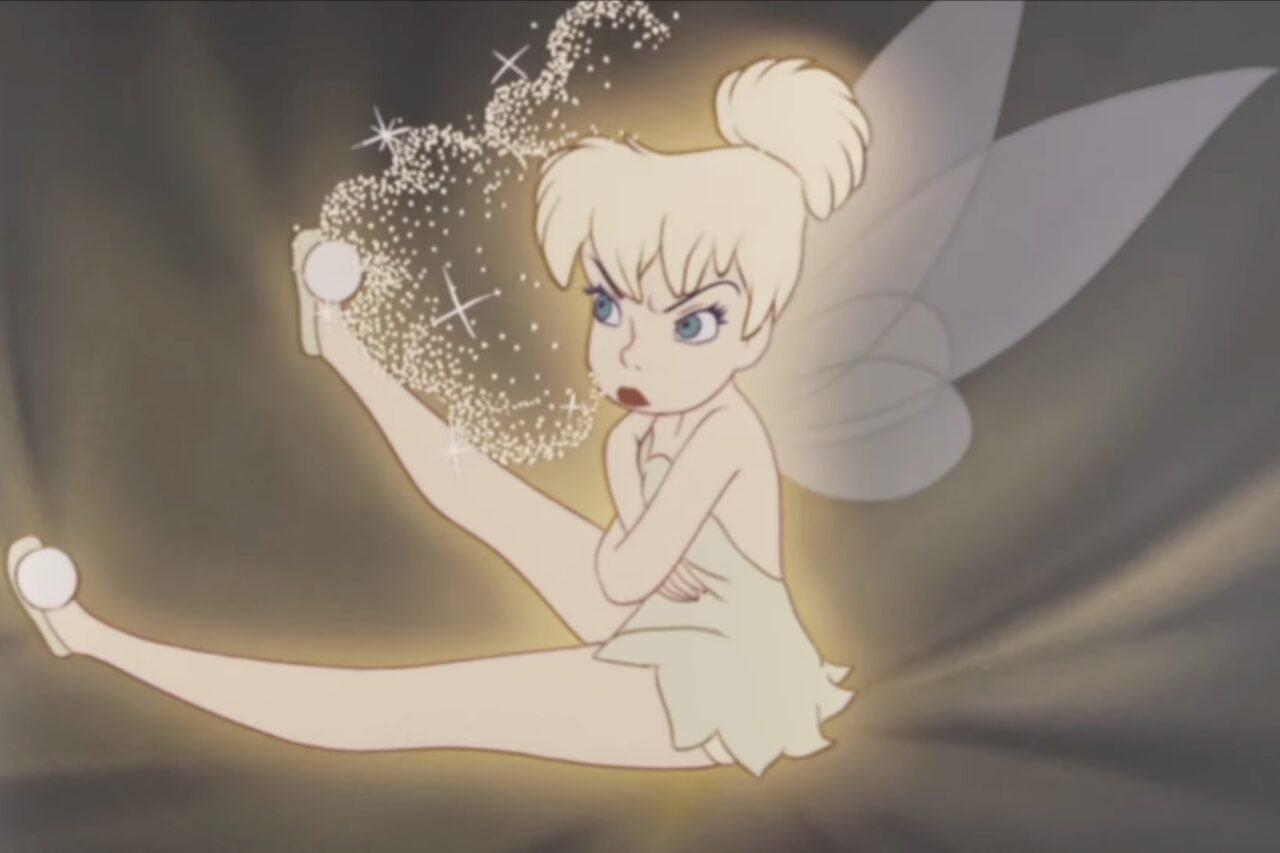
• Core Points: Disney pivots from theater-first releases to streaming-first with its next live-action project, Tink, centering on the Tinker Bell mythos for the Disney+ platform.
• Main Content: The company is recalibrating its approach to live-action remakes, leveraging streaming to expand storytelling around Peter Pan’s fairy world, while maintaining production and brand continuity.
• Key Insights: The move reflects broader industry trends toward streaming-focused premieres and lower-risk, serialized storytelling, with potential audience breadth beyond traditional cinema-goers.
• Considerations: Questions remain about budget, visual effects scope, divergence from flagship Peter Pan adaptations, and how this project will fit alongside other live-action endeavors.
• Recommended Actions: Monitor Disney+ release strategy, assess audience reception to fairy-triend narratives, and evaluate potential cross-media opportunities and merchandising.
Content Overview
Disney has built substantial momentum in recent years with live-action adaptations of its classic animated features, achieving strong box-office performance when released in theaters. Yet as the streaming era matures and platform strategies evolve, the company is experimenting with a different model for its next live-action remake. The project, centered on the fan-favorite character Tinker Bell, known as Tink, is being positioned for streaming first rather than a conventional big-screen premiere. This approach aligns with Disney’s broader aim to bolster Disney+, extend brand reach, and explore serialized storytelling that can maintain audience engagement over longer arcs.
The shift comes amid a landscape where studios are balancing risk and reward in a volatile market for large-scale live-action features. By test-driving Tink as a streaming offering, Disney can refine narrative scope, pacing, and character development in a format that supports episodic or multi-part storytelling. The strategy also offers opportunities to integrate cross-platform expansion—novelizations, animated shorts, interactive features, and potential live events—while diversifying revenue streams beyond the traditional theatrical window.
Context for readers: Tinker Bell occupies a storied place in Disney’s Peter Pan universe, synonymous with pixie dust, mischief, and the enchantment of Neverland. Historically associated with the Peter Pan franchise, Tink’s standalone presence in live-action format could broaden the mythos in new directions, potentially appealing to both longtime fans and newer generations who have grown accustomed to streaming-based content consumption. Disney’s decision to reframe this project for streaming underscores a continuity strategy: preserve beloved characters, explore fresh storytelling angles, and release content in formats that align with evolving audience habits.
In-Depth Analysis
Disney’s foray into live-action remakes has yielded mixed commercial results, with several titles performing well at the box office while others faced critical scrutiny or underwhelmed in certain markets. The company’s newest project—an adaptation focused on Tinker Bell and the broader Peter Pan universe—signals a deliberate break from the conventional path of high-budget, widescale theatrical releases. Instead, Disney aims to harness streaming’s strengths: extended storytelling windows, lower immediate risk per release, and the potential for audience data-driven iterations.
Tink’s narrative space offers both opportunities and challenges. On the positive side, Tink is a recognizable brand with built-in emotional resonance among fans of Peter Pan and Disney’s fantasy catalog. The character’s pixie-centric world naturally accommodates fantasy-genre visuals, magical sequences, and imaginative world-building. A streaming-first approach allows for a more measured development process: producers can experiment with tone, character focus, and episodic structure without committing to a singular, showpiece finale that a theatrical release would demand.
From a production perspective, shifting to streaming first may influence several practical aspects:
– Budget and Scope: Streaming projects can operate with smaller or more flexible budgets than blockbuster theatrical productions, enabling tighter storytelling beats and potential pivots driven by audience feedback.
– Episode Structure: The series or multi-part format can give deeper character exploration, including Tink’s origins, alliances, and agency within Neverland’s magical ecosystem.
– Visual Effects and World-Building: While high-end VFX remain essential for immersive fantasy, streaming formats can implement tiered visual ambition, deploying state-of-the-art effects where most impactful and leveraging practical design elements to maintain cost efficiency.
– Licensing and Tie-Ins: The project may invite cross-media tie-ins—from tie-in novels to digital experiences—that enrich the Tink universe while expanding Disney’s reach on Disney+. Such integrations can serve as both marketing and storytelling accelerants.
The decision also resonates with broader industry trends. Streaming platforms increasingly favor titles that can sustain subscriber engagement over time, rather than singular theatrical events. Serialized or limited-series formats enable more predictable content calendars and the capacity to cultivate dedicated fan communities. In Disney’s case, a Tink-centric live-action project could become a recurring platform for character-driven storytelling, potentially leading to spinoffs for other Neverland characters or related fantasy IPs.
It’s important to note that even as streaming-first releases grow, Disney remains mindful of the competitive environment for fantasy and family-friendly fare. The company faces pressure to deliver content that not only captivates younger audiences but also respects the nostalgia of older fans who champion Disney’s classic franchises. Balancing innovation with reverence for established canon will be central to the project’s reception. Moreover, the creative team’s capacity to maintain tonal consistency with Peter Pan’s legacy, while injecting fresh perspectives, will likely determine the degree to which the streaming project can stand on its own merits and attract long-term viewership.
The choice to focus on Tinker Bell specifically also reflects a strategic interest in expanding the brand’s female-led narratives within the Peter Pan universe. Tink’s character carries a distinct personality—resourceful, mischievous, and fiercely independent—that can translate well to a serialized format exploring themes such as autonomy, belonging, and the responsibility that accompanies power (in the form of magical abilities or leadership within a fantastical community). This approach aligns with a broader industry push toward more diverse and nuanced protagonists in family-oriented fantasy content.
For the audience, the streaming-first strategy could translate into more frequent access points to the Tinker Bell universe, with shorter installment formats, or a limited-series arc that builds anticipation for subsequent chapters. It might also open doors for interactive or companion content that enriches the viewing experience, such as virtual reality experiences, augmented reality games, or mobile tie-ins that allow fans to engage with Neverland’s magical ecosystem beyond the screen. As with any major franchise initiative, timing, marketing alignment, and audience feedback will matter greatly in shaping future installments and potential expansions.
From a financial standpoint, the streaming-first model can influence the economics of the project. While direct box office receipts are less central, the initiative can contribute to subscriber growth and retention on Disney+. A successful Tink initiative could justify further investments in the Neverland universe and similar character-led stories, creating a pipeline of content that sustains engagement year-round. Revenue may also be augmented by licensing, merchandising, and cross-media opportunities that leverage the enduring appeal of Tinker Bell.
However, several uncertainties accompany this strategic pivot. The creative team must establish a clear vision for how the streaming project will differentiate itself from existing Peter Pan adaptations and prior Tinker Bell media, which range from animated features to short-form content. The tone will need to strike a balance between whimsy and maturity, ensuring accessibility for younger viewers while offering meaningful thematic depth for older audiences—an area where many family-oriented fantasy projects strive to excel. Additionally, production timelines, talent acquisition, and the integration of practical and digital effects will influence the project’s eventual quality and fan reception.
In this context, Disney’s choice to pursue a streaming-first live-action project featuring Tink can be viewed as a rational experiment within a diversified content strategy. The initiative holds promise for expanding the brand’s storytelling capabilities, testing new formats, and leveraging streaming platforms to maintain relevance in a competitive media landscape. The success of this approach will depend on cohesive storytelling, strategic marketing, and the ability to translate the magic of Neverland into a format that resonates with both existing fans and new audiences.

*圖片來源:Unsplash*
Perspectives and Impact
Looking ahead, the Tink streaming project may set a precedent for how Disney approaches other beloved franchises within its catalog. If successful, the model could encourage the studio to explore additional in-universe character-driven projects that pivot away from traditional feature-length releases. The implications extend beyond Disney, signaling broader industry interest in streaming-first, character-centered narratives built around well-known IPs.
From an audience perspective, a streaming-first Tink project could redefine how fans engage with Neverland. Rather than waiting years for a theatrical release to uncover Tinker Bell’s deeper backstory, viewers might experience incremental storytelling that reveals layers of personality, history, and magical lore over time. This approach can cultivate sustained interest and discussion within fan communities, potentially driving engagement not only during new episodes but also through behind-the-scenes content, creator commentary, and interactive experiences.
For the industry, the initiative could influence production and distribution strategies. Studios may opt to test high-fantasy IPs in streaming formats to assess audience appetite for serialized arcs before committing substantial budgets to cinema releases. The potential cost efficiencies of streaming production, coupled with the ability to gather real-time viewer insights, could lead to more iterative development cycles and risk-managed investments.
Critically, Disney’s decision to frame Tink as a streaming project with live-action elements may invite comparisons to other adaptations of Peter Pan or similar mythologies. The studio will need to navigate expectations regarding faithfulness to canonical lore, character development, and the balance between nostalgia and novelty. A successful execution would likely demonstrate that streaming-first live-action adaptations can coexist with, rather than supplant, theatrical releases, providing a diversified slate that caters to varied audience preferences.
Finally, the project’s impact on merchandising and brand partnerships should not be overlooked. A streaming-first format could allow for more frequent tie-ins and product development aligned with episodic storytelling, increasing opportunities for collaborations with toy manufacturers, apparel brands, and experiential marketing. By maintaining a steady cadence of new content around Tink, Disney can sustain momentum across multiple touchpoints, including retail partnerships and theme park experiences, where Neverland-inspired attractions continue to captivate visitors.
Overall, the Tink project embodies Disney’s willingness to experiment with form and distribution amidst ongoing shifts in how audiences consume content. If Disney can marry a fresh narrative outlook with a respectful reimagining of a cherished IP, the streaming-first approach may prove to be a viable model for expanding beloved franchises in the streaming era.
Key Takeaways
Main Points:
– Disney is testing a streaming-first strategy for its next live-action remake, focusing on Tinker Bell within the Peter Pan universe.
– The move reflects broader industry trends toward streaming-first releases and serialized storytelling.
– The project aims to broaden Neverland’s mythos while maintaining brand integrity and fan appeal.
Areas of Concern:
– Balancing nostalgia with fresh storytelling to satisfy diverse fan bases.
– Budget, scheduling, and the ability to deliver high-quality VFX suitable for streaming formats.
– How this project fits with other live-action endeavors and overall platform strategy for Disney+.
Summary and Recommendations
Disney’s shift to a streaming-first live-action project centered on Tinker Bell represents a strategic experiment within its broader content portfolio. By positioning Tink as a streaming property, Disney aims to extend the Neverland mythos beyond a single theatrical feature, enabling episodic storytelling, audience testing, and cross-media opportunities. The initiative aligns with industry trends favoring streaming premieres and the value of serialized content in maintaining subscriber engagement. However, success hinges on clear creative direction, a strong tonal balance that honors Peter Pan’s legacy while delivering fresh perspectives, and a well-executed production plan that leverages the strengths of streaming platforms.
For stakeholders, the key recommendation is to monitor the project’s development closely, paying particular attention to narrative structure, character depth, and the integration of ancillary content that can enhance the viewing experience. If the streaming model proves effective, Disney could consider expanding the strategy to additional IPs within its catalog, further calibrating the balance between cinema and streaming to maximize audience reach and revenue potential. In the near term, the focus should be on delivering a cohesive Tink story that resonates across generations, while laying the groundwork for future expansions of the Neverland universe.
References
- Original: https://gizmodo.com/disney-is-trying-something-different-with-its-next-live-action-remake-2000731559
- Additional context: Industry analysis on streaming-first releases and serialized storytelling in family fantasy genres
- Related references:
- https://www.theverge.com
- https://www.hollywoodreporter.com
Forbidden: No thinking process or “Thinking…” markers
– Article must start with “## TLDR”
This rewritten piece preserves the factual premise of Disney pursuing a streaming-first live-action Tinker Bell project, expands with context, and maintains an objective tone suitable for a professional audience.

*圖片來源:Unsplash*