TLDR
• Core Points: Google ends its 30% Play Store fee and introduces rules to accommodate third-party app stores and alternative billing.
• Main Content: The company is publicly revamping Android and the Play Store to reduce or remove the traditional commission and to enable third-party app stores and alternative payment systems, aligning with settlements and regulatory pressure.
• Key Insights: These changes aim to diversify app distribution, improve competition, and address antitrust scrutiny without waiting for full judicial approval.
• Considerations: Developer revenue models, user security, data access, and ongoing enforcement of these new policies will be critical areas to monitor.
• Recommended Actions: Stakeholders—developers, device makers, and users—should review updated terms, test third-party store integrations, and monitor how Google enforces compliance and security across ecosystems.
Content Overview
The tech industry has long watched Google’s Play Store as the gatekeeper for Android app distribution, imposing a 30 percent commission on many transactions. This fee structure has been a focal point of antitrust scrutiny and settlements involving Google and major industry players. In a notable shift, Google has announced it will do away with the 30 percent cut on Play Store transactions and will implement changes to how third-party app stores and alternative billing systems are handled on Android. Some tweaks had been proposed as part of a settlement Google reached with Epic Games in November 2025. Rather than awaiting final judicial approval, Google is publicly revamping Android and the Play Store ecosystem, signaling a more open and competitive landscape for app distribution.
The core change centers on how Google collects fees from developers and how it facilitates alternative app distribution channels. By reducing or removing the traditional Play Store commission in certain contexts and by clarifying support for third-party stores, Google seeks to address regulatory concerns while maintaining a controlled environment for app safety and security. The move aligns with broader industry pressure to foster competition and give developers more flexible monetization options, potentially reshaping the economics of Android app distribution.
While the policy shift is welcomed by many developers and regulatory observers, it also raises questions about user security, data governance, and the long-term implications for the Play Store’s revenue model. Google’s approach emphasizes creating a framework where third-party stores can operate within Android and where alternative billing systems can function under defined guidelines. The company has indicated that these changes will be rolled out publicly, signaling a transition that aims to balance openness with the platform’s safety and integrity.
Overall, the changes reflect a significant evolution in Google’s strategy for app distribution on Android. They indicate a broader trend toward greater platform openness, increased competition among app stores, and diversified monetization approaches for developers. The coming months are likely to reveal how these policies are implemented in practice, how developers respond, and how users experience the evolving ecosystem.
In-Depth Analysis
Google’s decision to eliminate or dramatically reduce the Play Store’s traditional 30 percent commission is a watershed moment for the Android ecosystem. Historically, the Play Store has served as the default app distribution channel on Android devices, with Google taking a 30 percent share of many in-app purchases and app sales. This model has been criticized for limiting competition, contributing to higher costs for developers, and constraining consumer choice. The Epic Games settlement in November 2025 placed additional pressure on Google to reevaluate its fee structure and to open up more flexible payment and distribution options.
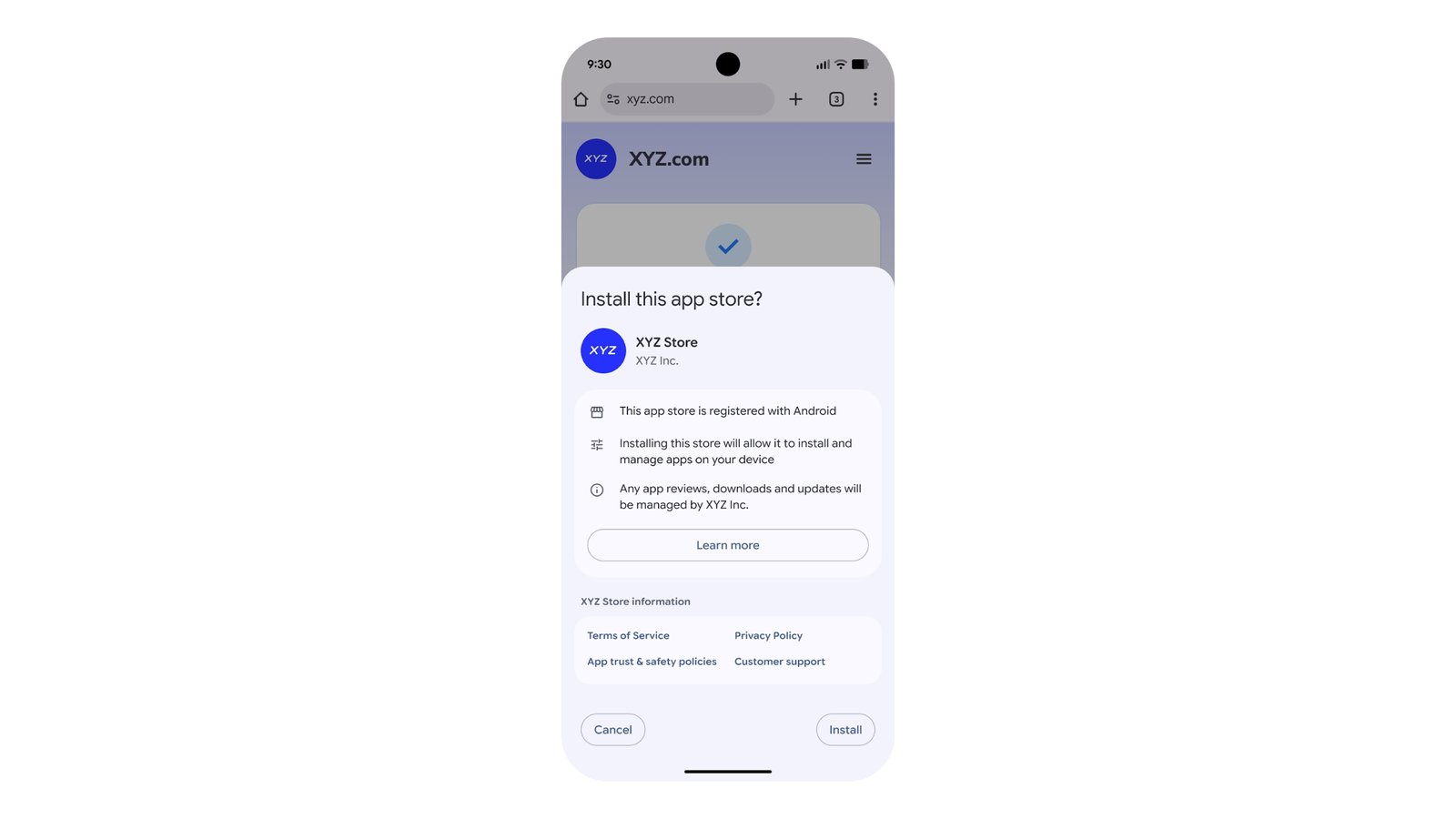
The immediate implication is a broader architectural change in Android and Play Store governance. By publicly announcing reforms rather than waiting for judicial conclusions, Google is signaling a proactive stance—one that could diffuse regulatory tensions and set a precedent for other digital storefronts. The most consequential aspect of these changes is the introduction of a framework that supports third-party app stores and alternative billing systems. This marks a strategic shift from a vertically integrated approach to a more modular, multi-store environment. In practice, developers could distribute apps through other storefronts that run on Android, potentially reducing reliance on Google’s distribution channel. Likewise, alternative billing options may allow developers to bypass Google’s standard fee structure through negotiated terms or different monetization models.
To balance openness with security, Google is expected to implement a set of safeguards. These safeguards would likely cover app vetting, security compliance, fraud prevention, and user privacy protections, ensuring that third-party stores and alternative billing do not compromise the platform’s integrity. The policy may include requirements around data handling, permission scoping, and transparency in pricing. The complexity of integrating third-party stores and billing systems lies in ensuring a consistent user experience and a secure environment across devices and versions of Android. Google’s plan will need to address fragmentation concerns, particularly given the diversity of device makers and custom Android forks in the market.
Developers will watch closely how revenue-sharing arrangements evolve under the new framework. A reduced or eliminated Play Store commission could significantly affect pricing strategies, app profitability, and bundled features like subscription management. For some developers, third-party stores might offer more favorable terms or regional variations, potentially widening access to new markets. However, the transition could entail additional work to integrate multiple storefronts, maintain compliance across platforms, and manage customer data in compliance with privacy laws. The degree to which users will benefit depends on how effectively third-party stores compete on price and user experience, and whether Google maintains robust protections guaranteeing app safety and reputability across its ecosystem.
The policy shifts also respond to antitrust concerns by attempting to loosen the monopolistic grip of the Play Store on Android software distribution. If third-party stores gain traction, the competitive landscape could become more dynamic, with speech about consumer choices and developer negotiation power gaining prominence. Regulators have long called for more transparent and fair terms, and Google’s changes could influence policy discussions in other jurisdictions, possibly encouraging similar reforms for other major app platforms.
There are potential risks for Google’s own revenue model. The Play Store has been a major revenue driver for Google, contributing to the company’s broader advertising and services ecosystem. A drastic reduction in the commission could affect Google’s strategic monetization approach, including its control over payment processing, fraud prevention investments, and the cross-subsidization of free or low-cost services through app revenue. Google’s ability to maintain security, ensure quality, and monetize the platform will be tested as third-party stores multiply and as alternative billing methods proliferate.
From a user perspective, the introduction of third-party stores could mean more options and potentially lower prices, but it could also introduce complexity. Users will need clear signals to evaluate app trustworthiness across different storefronts, with consistent privacy and security guarantees. In addition, user data handling practices must be scrutinized: if third-party stores operate with looser oversight, there is a risk of data fragmentation or misuse. The success of this shift will hinge on how well Google communicates safety standards, enforces compliance, and preserves a seamless user experience across diverse distribution channels.
In the medium term, developers and device makers will explore how this framework interacts with other policy initiatives, such as digital wallet and payment standards, regional regulatory requirements, and cross-border commerce rules. The evolving landscape could spur new partnerships between Google and alternative storefronts, or lead to the emergence of industry-wide standards that facilitate interoperability while maintaining user protections. The strategy also aligns with a broader move among tech platforms to address anti-competition concerns by promoting choice and facilitating fair competition among marketplaces.

*圖片來源:Unsplash*
The pathway to successful implementation will involve careful staging. Early stages may feature pilot programs or regional rollouts to test third-party storefront integrations, billing system compatibility, and the effectiveness of security controls. Feedback from developers, retailers, and users will shape subsequent iterations. The balance between openness and platform integrity will be central to the policy’s long-term reception and effectiveness.
Perspectives and Impact
Developers: A potential shift toward flexible monetization could unlock new revenue opportunities, especially for developers who can leverage multiple storefronts or alternative billing. However, it also introduces development and support overhead as apps must function across various stores with potentially differing requirements and verification processes. Clarity around revenue-sharing terms and dispute resolution will be crucial.
Users: Consumers may benefit from increased choice and potentially lower prices, depending on how third-party stores price apps and how secure they are. The user experience will be a key determinant of success: if third-party storefronts offer a fragmented or inconsistent experience, user trust could erode. Clear signals about app provenance, security, and privacy protections will be essential.
Device Manufacturers and OEMs: Android’s modular ecosystem could become more attractive for device makers seeking differentiated app distribution channels. OEMs might choose to pre-install or promote certain storefronts, creating opportunities for partnerships but also raising questions about device neutrality and user autonomy.
Regulators and Industry: The changes respond to regulatory pressure and antitrust concerns by promoting competition and user choice. They may set a precedent that influences policy discussions in other major app ecosystems, potentially accelerating reforms in similar markets.
Google’s Strategic Position: The shift signals a recognition that maintaining a monopolistic distribution channel may not be sustainable long-term. By enabling third-party stores and alternative billing, Google could mitigate regulatory risk while preserving overall platform security. The challenge will be to maintain control over core safety standards and ensure a cohesive user experience across a fragmented distribution landscape.
Security and Privacy: A broader ecosystem must be matched with robust security standards. Third-party stores must adhere to consistent vetting and privacy practices to prevent malware, fraud, and data leakage. Ongoing monitoring, auditing, and user education will be important components of the new framework.
Market Dynamics: If third-party stores gain traction, competition among app marketplaces could intensify, potentially driving innovation in app discovery, pricing models, and developer support tools. However, the success of this shift will depend on the timely and consistent enforcement of new rules and the quality of user-facing protections.
Key Takeaways
Main Points:
– Google plans to end or significantly reduce the 30 percent Play Store fee for certain transactions.
– The company will introduce and support third-party app stores and alternative billing systems on Android.
– Changes align with the Epic Games settlement framework and broader antitrust considerations.
Areas of Concern:
– How revenue is redistributed among developers, Google, and third-party stores.
– Ensuring user security, data privacy, and consistent app quality across multiple storefronts.
– Managing fragmentation and maintaining a seamless user experience.
Summary and Recommendations
Google’s announced reform to remove or reduce the Play Store’s 30 percent commission and to enable third-party app stores and alternative billing systems represents a pivotal shift in Android’s app distribution model. This move addresses regulatory scrutiny and aims to foster greater competition, choice, and monetization flexibility for developers. The transition, however, will hinge on effective implementation: clear rules for third-party storefronts, robust security and privacy protections, and transparent pricing and revenue-sharing terms.
For developers, the immediate implication is potential diversification of distribution channels. This could unlock new markets and more favorable monetization terms in some cases but will require additional integration and compliance work. Developers should prepare by monitoring policy updates, evaluating the most viable distribution strategies, and planning for multi-store maintenance. For users, the outcome depends on how third-party stores perform in terms of safety, reliability, and user experience. Clear indicators of provenance and strong protections will be needed to maintain trust as the ecosystem evolves.
Regulators and industry observers will be watching how these reforms unfold across regions and markets. If successful, Google’s approach could catalyze broader reforms across major app ecosystems, encouraging more competition and innovative business models while maintaining platform integrity.
In the months ahead, detailed policy documents, rollout timelines, and developer guidance will be essential for stakeholders. The balance among openness, security, and revenue sustainability will determine whether the new framework achieves its objectives of enhanced competition and user protection without compromising the Android ecosystem’s reliability and trust.
References
- Original: https://www.engadget.com/apps/google-ends-its-30-percent-app-store-fee-and-welcomes-third-party-app-stores-185248647.html?src=rss
- Additional context: antitrust settlements and implications for app store economics
- Industry analysis on third-party app stores and alternative billing systems
Forbidden:
– No thinking process or “Thinking…” markers
– Article starts with “## TLDR”

*圖片來源:Unsplash*