TLDR
• Core Points: Google launches Universal Commerce Protocol (UCP), an open standard for AI-powered shopping backed by major retailers and payment players, signaling a strategic push into agentic commerce. Amazon’s retail dominance could be challenged as interoperability and open standards gain momentum.
• Main Content: UCP aims to standardize how AI assistants, marketplaces, and payment systems interact, enabling seamless, personalized shopping experiences across platforms while preserving retailer control and consumer data considerations.
• Key Insights: Industry players anticipate faster, more personalized shopping experiences; concerns center on data leverage, platform equity, and potential fragmentation if adoption is uneven.
• Considerations: Retailers and developers must weigh interoperability against data privacy, security, and cost of implementation; regulators may scrutinize cross-platform data flows.
• Recommended Actions: Stakeholders should monitor UCP adoption, pursue collaborative partnerships, and invest in compliant AI-enabled shopping capabilities to remain competitive.
Content Overview
The digital retail landscape is undergoing a notable shift as Google steps more decisively into agentic commerce—the use of artificial intelligence to autonomously perform shopping tasks on behalf of consumers. At the heart of this shift is Universal Commerce Protocol (UCP), a new open technical standard designed to streamline the interaction between buyers, sellers, and payment networks in AI-driven shopping experiences. The rollout signals Google’s intent to shape how search, shopping, and commerce intersect in an era where AI agents can interpret intent, compare options, and execute purchases with minimal human intervention.
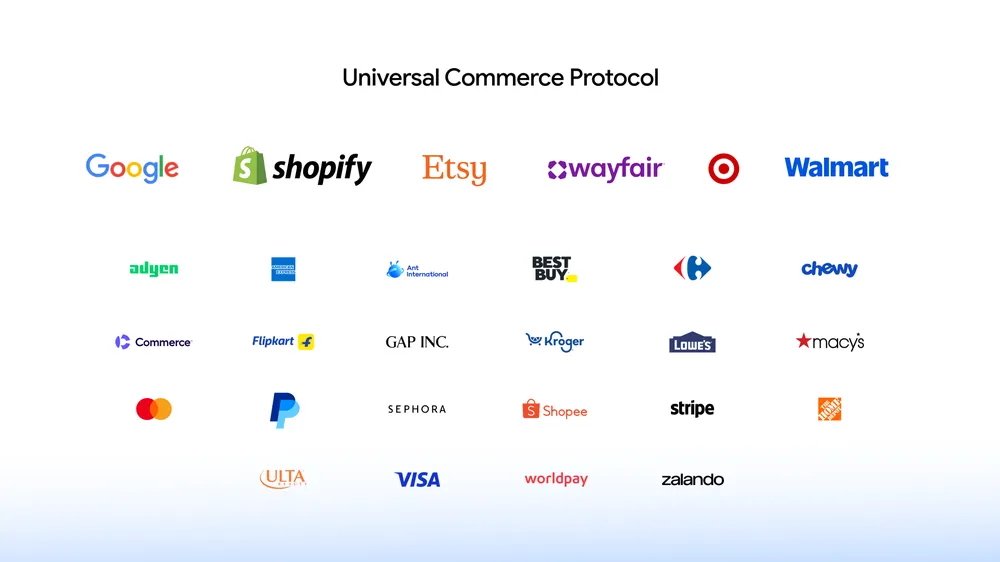
UCP represents a collaborative effort that has attracted support from a broad coalition of retailers and payment providers. By establishing a common protocol for data exchange, authentication, product representation, pricing, fulfillment signals, and payment authorization, the standard aims to reduce friction for consumers while preserving flexibility for retailers to curate their own experiences and protect sensitive data where appropriate. Notably, one major e-commerce player—Amazon—is not part of the initial lineup of UCP supporters, raising questions about how quickly and uniformly the ecosystem will cohere around a single standard and what this means for market power and competitive dynamics.
The move aligns with a broader industry push to harness AI and machine learning to enhance shopping efficiency, relevance, and speed. As consumers increasingly rely on voice- and text-based assistants to discover products, compare prices, and complete transactions, the value of interoperable protocols grows. UCP seeks to balance AI-driven convenience with the need for retailer control over data, branding, and customer relationships. This balance is crucial as the commerce ecosystem evolves toward more agentic, automated shopping experiences where the line between search, discovery, and checkout becomes increasingly blurred.
The announcement also arrives amid ongoing debates about platform governance, data portability, and the potential for cross-platform shopping experiences to upend traditional retailer strategies. If UCP achieves broad adoption, retailers may gain new avenues to reach customers without being tethered to a single platform’s proprietary tools, while consumers could benefit from more seamless, personalized, and price-transparent shopping journeys. However, the success of such a standard depends on widespread industry participation, robust security measures, and careful attention to privacy and consent.
This development comes as Google continues to diversify beyond its core search and advertising business, exploring deeper integrations with shopping, payments, and AI-enabled experiences. The implications extend beyond consumer convenience, touching on competitive dynamics among major tech platforms, retailer strategies, and the evolving role of AI in commerce. As stakeholders assess UCP’s potential, questions about interoperability, data governance, and the concentration of power in AI-driven retail ecosystems remain central to the discourse.
In-Depth Analysis
Google’s introduction of Universal Commerce Protocol (UCP) marks a watershed moment in the evolution of agentic commerce, a field where AI agents autonomously assist with shopping tasks, from product discovery to purchase execution. UCP is designed as an open technical standard that standardizes essential data and process flows across disparate platforms—retail websites, marketplaces, payment networks, and AI interfaces. The goal is to reduce the complexity developers face when building AI-assisted shopping experiences that can operate across retailer ecosystems, while giving retailers a predictable framework within which they can innovate and differentiate their offerings.
A core motivation behind UCP is interoperability. In today’s landscape, retailers often rely on a mosaic of tools, partner integrations, and sometimes siloed data systems that complicate the creation of consistent AI experiences. An open standard like UCP could enable AI agents—whether embedded in search, assistant apps, or third-party shopping interfaces—to request product information, compare options, verify stock, confirm delivery estimates, and process payments in a manner that is consistent across participating platforms. For consumers, this could translate into faster, more personalized shopping journeys where the AI agent can pull in real-time pricing, promotions, and fulfillment options from multiple sources without requiring manual handoffs.
Backers of UCP include a range of major retailers and payment service providers. Their participation signals a shared interest in shaping how AI-powered shopping will unfold, potentially reducing reliance on any single platform’s proprietary tools. By agreeing on a common data model for products, prices, availability, and order processing, the ecosystem can lower integration costs and accelerate time-to-market for new AI-enabled shopping experiences. This, in turn, could widen the appeal of agentic shopping to a broader audience, including users who value convenience, speed, and tailored recommendations.
Yet the absence of Amazon from the initial supporter cohort is a notable gap. Amazon’s retail dominance—built on a highly integrated technology stack, vast product catalog, and sophisticated logistics network—has long-set the tempo for e-commerce innovation. Its absence from UCP’s early adopters raises questions about how quickly Amazon and other non-participating retailers will align with the standard, or whether they will pursue parallel, incompatible workflows that could fragment the market. Historically, when competing ecosystems diverge on standards, consumers and developers face higher integration costs and a more complex decision matrix about which platforms to trust for a given shopping context.
From a strategic perspective, Google’s move aligns with broader efforts to integrate its AI capabilities with commerce. If UCP gains traction, Google could leverage its computing power, search visibility, and AI tools to facilitate more seamless shopping experiences that still respect retailer control and consumer privacy constraints. For retailers, the prospect of unified protocols promises reduced fragmentation and a clearer path to deploying consistent AI-enhanced shopping experiences across channels. It could enable more rapid experimentation with conversational commerce, image-based product discovery, and dynamic pricing within a standardized framework, all while preserving brand integrity and customer relationships.
Regulatory and competitive considerations also come into play. Interoperable standards can help prevent vendor lock-in and promote competition by lowering the barriers to entry for new marketplaces and AI-powered interfaces. At the same time, policymakers are increasingly attentive to how data flows across platforms and how AI systems leverage consumer information to influence purchasing decisions. The adoption of UCP will likely be contingent on robust data governance, transparent consent mechanisms, and stringent security measures to protect consumer data from misuse or leakage.
Industry observers are also weighing how UCP might influence the economics of online shopping. A common protocol may reduce integration costs for retailers and technology partners, potentially lowering the total cost of ownership for AI-enabled shopping initiatives. This could accelerate innovation in areas like personalized recommendations, omnichannel fulfillment, and frictionless checkout experiences. Conversely, there are concerns about whether an open standard could dilute retailer-specific competitive advantages, especially if critical differentiators such as loyalty programs, exclusive products, or unique data insights are easy to replicate across platforms.
Beyond technical considerations, UCP’s success will depend on governance and openness. Questions about how the standard will be maintained, updated, and enforced, as well as how participating parties influence decision-making, will matter to developers and retailers alike. A transparent governance model that includes representation from retailers, payment providers, AI developers, consumer advocates, and regulators could help build trust and ensure that the standard remains adaptable to evolving consumer expectations and technological advances.
The broader market implications are significant. If UCP achieves broad adoption, we could see a shift in how retailers structure partnerships and how marketplaces compete. Open standards may empower smaller retailers to participate in AI-driven shopping experiences that were previously out of reach due to integration costs. At the same time, dominant platforms with large AI capabilities and extensive data resources could leverage UCP to further entrench their positions, raising concerns about potential consolidation and leverage power within AI-enabled commerce networks.
Concrete use cases envisioned by UCP include AI-powered price comparison across multiple retailers in a single conversational thread, seamless cross-platform checkout, and real-time fulfillment coordination. Imagine a consumer asking a smart assistant to “find the best deal on wireless noise-canceling headphones for under $200 with next-day delivery,” with the assistant aggregating eligible options, applying coupons, checking stock, and initiating the purchase across participating retailers. Beyond price, the protocol could support richer product representations—multimedia product data, reviews, and warranty information—delivered consistently to the consumer’s AI assistant. The future vision envisions a more fluid shopping experience that spans search, discovery, comparison, and checkout, reducing the need for consumers to repeatedly enter information or switch between apps.

*圖片來源:Unsplash*
However, achieving this vision requires addressing several challenges. Data privacy and consent are paramount as consumer data moves across platforms and is used to tailor recommendations or alter pricing. Security remains a critical concern given the lure of rewards programs and payment information as tempting targets for cyber threats. Interoperability must be carefully designed to avoid introducing new vectors for fraud or data leakage. Retailers will also need to invest in updating their systems to align with UCP’s data models and APIs, which could entail upfront costs and ongoing maintenance.
From a strategic standpoint, Google’s push may be part of a broader strategy to diversify into commerce-related AI services, positioning the company as a central orchestrator in the AI-powered shopping ecosystem. The ecosystem’s openness could complement Google’s existing dominance in search and digital advertising, while also challenging other tech giants that are exploring similar avenues. The dynamics could influence how brands allocate investments between owned channels, marketplaces, and conversational commerce experiences, as well as how payments ecosystems evolve to support frictionless transactions in an AI-enabled world.
As retailers and developers consider adopting UCP, there will be a search for best practices and architectural patterns. Key questions include how to design data models that are both expressive enough to capture product nuances and robust enough to support rapid, real-time decision-making in AI conversations. Another priority is ensuring that the protocol supports consistent taxonomy and categorization of products across platforms, which is essential for meaningful comparisons and for maintaining a coherent consumer experience.
The technological evolution driving UCP underscores a broader trend: the increasing integration of AI into commerce infrastructure. This trend promises to unlock new capabilities—from voice-activated shopping assistants and image-based product discovery to real-time price optimization and autonomous checkout—while also requiring careful attention to governance, ethics, and consumer protection. The coming years are likely to see a tug-of-war between open standards that enable interoperability and proprietary systems that optimize for specific platforms. How this balance is struck will shape the competitive landscape of online retail for years to come.
Perspectives and Impact
Industry Outlook: Analysts view UCP as a potential catalyst for accelerated innovation in agentic commerce, enabling more seamless cross-platform shopping experiences and reducing integration friction for retailers and developers. If broadly adopted, UCP could unlock new pathways for AI-driven discovery, personalized pricing, and omnichannel fulfillment coordination.
Competitive Dynamics: Amazon’s absence from the initial cohort of UCP supporters suggests a strategic calculation about openness and control. Amazon has historically relied on its own platforms and data to power its shopping experience. If other retailers and payment providers converge around UCP, Amazon may face increased pressure to participate or risk losing opportunities to offer consistent AI-assisted experiences across multiple channels.
Consumer Privacy and Trust: The protocol’s open nature brings privacy considerations to the forefront. Effective consent mechanisms, transparent data usage policies, and robust security controls will be essential to maintaining consumer trust. Users should have visibility and control over how their shopping data is shared across platforms and AI services.
Regulatory Considerations: Governance of cross-platform data exchange and AI-driven decision-making will attract regulatory scrutiny. Policymakers may look at data portability, competition concerns, and the safety of AI systems in commerce. A balanced regulatory framework could promote innovation while safeguarding consumers and ensuring fair competition.
Market Access and Innovation: Open standards like UCP have the potential to democratize access to AI-enabled shopping capabilities. Smaller retailers and new marketplaces could more easily integrate with AI assistants and consumer-facing shopping experiences, leveling the playing field and enriching consumer choice.
Ethical and Operational Risks: As AI agents handle more of the shopping process, issues such as algorithmic bias, misrepresentation, and counterfeit risk may intensify. Stakeholders will need to implement rigorous testing, monitoring, and governance to mitigate these risks and ensure accurate, trustworthy recommendations.
Long-Term Implications: The evolution of agentic commerce will likely influence how retailers structure data governance, loyalty programs, product catalog management, and supply chain coordination. Standards like UCP could become foundational to a more interconnected, AI-driven retail ecosystem, but they will require ongoing collaboration to stay relevant amid rapid technological change.
Key Takeaways
Main Points:
– Google unveils Universal Commerce Protocol (UCP), an open standard to enable AI-driven shopping across platforms.
– Backed by major retailers and payment providers, with Amazon notably absent from early supporters.
– UCP aims to standardize data flows for product information, pricing, fulfillment, and payments to support seamless agentic commerce.
Areas of Concern:
– Dependency on broad industry adoption; uneven uptake could fragment the ecosystem.
– Data privacy, security, and consumer consent across cross-platform shopping.
– Potential competitive implications for Amazon and other incumbents, including shifts in retail power dynamics.
Summary and Recommendations
Google’s launch of Universal Commerce Protocol signals a deliberate strategy to shape the future of agentic commerce by establishing an open, interoperable standard for AI-powered shopping. The initiative seeks to reduce integration complexity for developers, enable more consistent and personalized consumer experiences, and potentially foster greater competition by lowering barriers to entry for retailers and new marketplaces. The absence of Amazon from the initial supporter group introduces a notable strategic variable that could influence the pace and breadth of UCP’s adoption. If the standard achieves broad industry participation, it could democratize access to AI-enabled shopping capabilities, empowering smaller retailers to participate in sophisticated, cross-platform shopping experiences.
For retailers, payment providers, and AI developers, the implications are multifaceted. Embracing UCP could lead to faster time-to-market for AI-assisted shopping features, improved cross-channel consistency, and the ability to deliver more compelling, data-driven consumer experiences. However, these benefits must be weighed against implementation costs, data governance considerations, and the need to maintain brand integrity and control over customer relationships. Retailers should assess their readiness to adopt or adapt to UCP, including capacity to align product data models, integrate with AI interfaces, and establish clear data ownership and consent practices.
Policymakers and industry watchdogs may view UCP as a potential accelerant for interoperability and competition, but they will also scrutinize data protection, security frameworks, and antitrust implications in an increasingly AI-centric commerce environment. Regulatory clarity around data usage in AI-driven shopping, along with robust governance mechanisms within the standards body, will be critical to sustaining trust and encouraging widespread adoption.
In the near term, stakeholders should monitor how UCP evolves, identify strategic use cases that benefit from cross-platform AI-assisted commerce, and invest in compliant, scalable architectures that can leverage the protocol’s capabilities. Collaboration between retailers, technology providers, and consumer advocates will be essential to ensure that the standard remains open, secure, and aligned with consumer expectations.
Ultimately, UCP’s trajectory will influence the balance of power in the online retail ecosystem. If it gains traction, it could compress the time-to-value for AI-enabled shopping experiences and reshape how retailers compete—moving some of the advantage away from single-platform dominance and toward interoperable, AI-driven commerce networks. The coming years will reveal whether this ambitious standard can deliver on its promise of a more seamless, intelligent, and consumer-centric shopping future.
References
- Original: https://www.geekwire.com/2026/google-makes-a-big-move-into-agentic-commerce-raising-questions-about-amazons-retail-dominance/
- Additional context and related developments in agentic commerce and open standards (to be selected based on current industry coverage).

*圖片來源:Unsplash*