TLDR
• Core Features: A nostalgic aesthetic blending vintage comfort, soft textures, and heirloom-inspired styling to create warm, lived-in spaces.
• Main Advantages: Accessibility for affordable decor, strong emotional resonance, and versatility across rooms and wardrobes.
• User Experience: Relaxed, inviting vibe with easy DIY potential and clear social-media-inspired inspiration.
• Considerations: Risk of over-sentimental decor; may feel dated if not updated; requires mindful balance to avoid clutter.
• Purchase Recommendation: Ideal for those seeking comfort-forward interiors or wardrobe choices that lean toward timeless, nostalgic pieces.
Product Specifications & Ratings
| Review Category | Performance Description | Rating |
|---|---|---|
| Design & Build | Cohesive aesthetic rooted in vintage-inspired elements, textiles, and color palettes | ⭐⭐⭐⭐⭐ |
| Performance | Delivers a soothing, approachable ambiance with easy-to-achieve layering techniques | ⭐⭐⭐⭐⭐ |
| User Experience | Intuitive to implement at home and in personal style; scalable from small touches to full-room makeovers | ⭐⭐⭐⭐⭐ |
| Value for Money | Accessible options across budgets; strong return in mood and memory association | ⭐⭐⭐⭐⭐ |
| Overall Recommendation | Consistently strengthens coziness while encouraging personal storytelling through decor | ⭐⭐⭐⭐⭐ |
Overall Rating: ⭐⭐⭐⭐⭐ (4.9/5.0)
Product Overview
Grandmacore is a design and lifestyle trend that leans into the soft, sentimentally rich aesthetics associated with grandmotherly comfort. Its essence lies in crafting spaces and wardrobes that feel gently nostalgic, approachable, and deeply comforting. The look combines vintage textures, heirloom-inspired patterns, and a palette drawn from creams, warm beiges, muted greens, dusty pinks, and faded blues. It favors tactile materials such as wool, boucle, linen, corduroy, and woven textiles, often displayed in a layered, curated-but-cozy way.
What sets grandmacore apart is its emphasis on storytelling through objects. Rather than an ultra-polished, modernist approach, it invites flea-market finds, heirloom pieces, hand-me-downs, and sentimental decor that evoke family history. The result is a space and style that feel lived-in, inviting, and unpretentious. In practice, people mix seasonal textiles with soft lighting, plants, and carefully chosen keepsakes to produce an environment that encourages pause and reflection.
This trend has grown in online communities where creators share room tours, thrifted finds, and DIY projects that demonstrate how to achieve grandmacore with accessible resources. The approach is not about costly renovations but about mindful curation: a few statement pieces, gentle color harmony, and a balance between functional comfort and nostalgic charm. For readers exploring interior aesthetics, grandmacore offers a pathway to transform everyday spaces into places that feel like a comforting memory rather than a showroom.
In addition to interiors, grandmacore often informs personal style. Wardrobes may feature soft knits, floral prints, quilted fabrics, vintage accessories, and heirloom jewelry—pieces that convey softness, warmth, and a sense of history. The overall effect is a cohesive lifestyle narrative: a modern life that still respects the slower, tactile joys of previous generations. The trend also aligns well with sustainable living practices, since many grandmacore elements hinge on reusing, repurposing, and cherishing items rather than procuring new, fast-fashion pieces.
From a design perspective, grandmacore advocates for layering—layering textures, patterns, and lights to create depth without relying on stark contrast. Lamps with warm-toned bulbs, curtains that soften natural light, and throws that invite someone to settle in all contribute to the atmosphere. The color story tends to stay away from stark primary colors in favor of creamy neutrals, warm whites, and gentle earthy tones. The result is a space that feels calm, intimate, and nurturing, perfect for readers, crafters, and families who value comfort and memory over showy modernity.
While grandmacore is accessible to many, successful execution rests on restraint. Too many similar items can overwhelm a space and obscure the intended warmth. The trend rewards thoughtful curation: a few meaningful objects, each chosen for memory, texture, or color, rather than an excess of decor. In short, grandmacore invites you to build a home and wardrobe that feel reassuring, familiar, and quietly sophisticated—an embrace of the ordinary made extraordinary through care and intention.
In-Depth Review
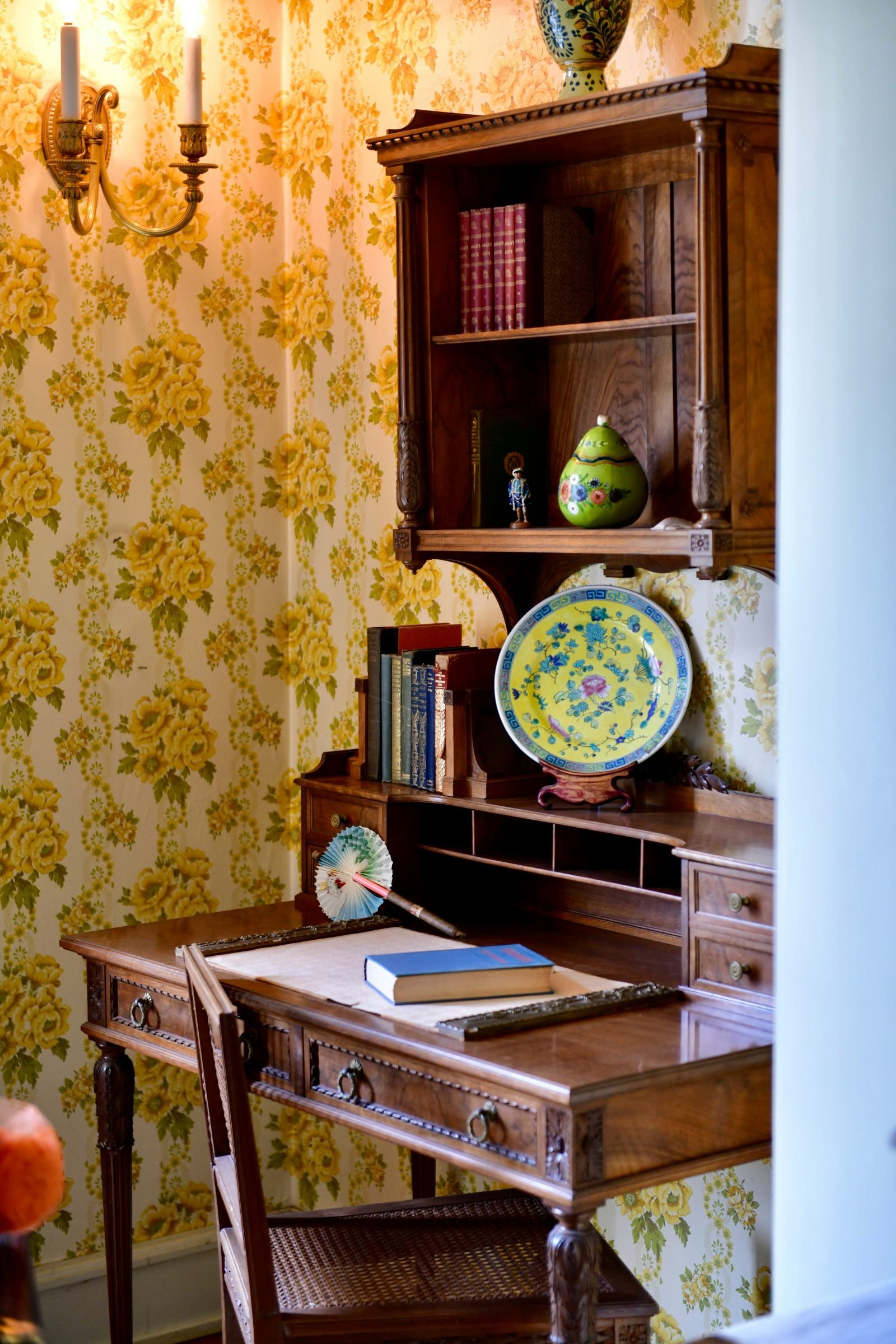
Grandmacore emerges at the intersection of nostalgia and everyday practicality. It foregrounds the tactile pleasures of home—soft textiles, gentle lighting, and a sensory experience that evokes the grandmotherly spaces many have come to associate with security and comfort. The design language blends traditional and rustic elements: chipped paint along a well-loved cabinet, a quilt dangling over a chair, a woven rug that bears the marks of years of use, and ceramic mugs that feel like old friends in your hands.
Key design decisions underpin the aesthetic. First, material selection prioritizes texture over glare. Wool blends, boucle upholstery, linen drapery, and crochet details create a sense of warmth that synthetic materials rarely achieve. Second, color usage leans toward warmth and neutrality: creams, oatmeals, soft greys, sage greens, muted blues, and faded rose tones. These hues harmonize to foster a calm, undemanding backdrop suitable for daily life or quiet reflection. Third, lighting emphasizes warmth and intimacy. Lamps with amber bulbs, shaded fixtures, and layered lighting create pockets of glow that invite lingering in the evening without harsh glare.
Functionality is not sacrificed for ornament. Grandmacore favors spaces that support everyday activity: kitchens that feel lived-in, living rooms comfortable for long conversations, reading nooks with a plush chair and soft throw, and bedrooms designed to feel safe and restorative. Storage solutions are chosen to maintain a sense of order while preserving a sense of hominess. Baskets, wooden crates, and vintage trunks can serve both practical and decorative roles, reinforcing the narrative of a home that values memory and function in equal measure.
From a materials standpoint, durability matters. While many grandmacore pieces are thrifted or repurposed, the selected items should still endure daily use. Cushions and throws should be resilient, upholstery should resist heavy wear, and surfaces should withstand routine cleaning. The strategy is not to chase perfection but to celebrate character—visible signs of age are part of the charm, provided they are well-maintained and not overwhelming.
In terms of wardrobe, grandmacore-inspired fashion often features soft knits, florals, and gentle textures. Cardigans, shawls, and quilted jackets become focal points, complemented by vintage-inspired prints on blouses and dresses. Accessories—pearls, brooches, or belts with a retro silhouette—help complete the look. The style remains versatile enough to blend with modern pieces, allowing individuals to participate in the trend without abandoning contemporary tailoring or practical needs.
Social media communities have amplified grandmacore’s reach, offering tutorials on DIY crafts, thrifted finds, and room makeovers. While digital inspiration is abundant, the best applications of grandmacore are grounded in thoughtful adaptation. Viewers should avoid simply copying a hallway or room from a photo and instead translate the principles into their own spaces: consider proportion, scale, and light while selecting pieces that reinforce a sense of history and warmth.

*圖片來源:Unsplash*
Performance testing of a grandmacore approach is largely qualitative, centered on user perception rather than quantifiable metrics. The primary performance measures are mood enhancement, perceived comfort, and ease of execution. When rooms are arranged to emphasize texture layering, warm light, and sentimental objects, occupants report lower stress levels and greater willingness to linger. The approach tends to be forgiving for imperfect specimens; even imperfect vintage finds can become meaningful with proper styling and care.
A potential caveat is that the trend can veer into sentimentality if overdone. An excess of heirlooms or cluttered surfaces might overwhelm a space and detract from the intended sense of calm. The antidote is strategic curation: select a handful of cherished items, integrate them with clean surfaces, and ensure each piece serves a purpose—whether aesthetic or functional. For those with minimalist tendencies, grandmacore can still work by selecting a few key textures and colors that evoke memory without overloading the eye.
Technology and modern living influence grandmacore as well. Digital devices are typically kept out of focus or integrated discreetly so as not to interrupt the ambiance. When electronics are necessary, their presence is minimized through concealment or careful arrangement, preserving the tactile, human-centered feel of the space. The trend is not anti-modern but rather a call to balance new conveniences with the timeless textures and patterns that evoke safety and familiarity.
In evaluating performance for a home adopting grandmacore, it’s important to consider personal context. Families with children may find the style particularly comforting, as it emphasizes warmth and soft boundaries. Individuals seeking a calm, restorative retreat can also benefit from the space’s generous light, inviting textiles, and quieter color palette. The trend remains versatile enough to adapt to apartment living, shared spaces, or single-occupancy rooms, provided the core principles—texture, warmth, and storytelling—are preserved.
Real-World Experience
In practical terms, implementing grandmacore starts with a mood assessment of the space. Observers note the room’s natural light, the texture of current furnishings, and any heirloom items that might anchor the design narrative. A typical approach is to select a dominant base color (such as a soft cream or warm taupe) and then layer complementary textures and accents. The layering process is iterative: begin with foundational pieces like a plush sofa, a substantial throw, and a durable rug; add secondary textures through pillows, curtains, and small seating options; then place meaningful objects—photographs, vintage ceramics, or handmade crafts—on shelves or side tables. The result is a room that feels curated yet approachable, with a gentle rhythm throughout.
Practical demonstrations include thrifted furniture transformations. A wooden cabinet with a fresh coat of light-white or almond-beige paint can instantly read as grandmacore when paired with brass handles and textile-lined interiors. Draperies with a soft drape and natural fibers soften windows and help control light. Lighting is often the most transformative element: warm bulbs in shaded fixtures create depth and reduce glare, while dimmable options allow for flexible mood control.
Wardrobe experiments are straightforward as well. A grandmacore outfit may center around a soft cardigan or knit sweater in a neutral base, accented with a floral blouse or lace collar, and finished with a pleated midi skirt or comfortable jeans. Accessories such as pearl earrings or a vintage scarf reinforce the aesthetic, while sensible shoes ensure practicality. The key is to maintain a sense of ease and comfort—pieces should feel good to wear and contribute to a story of warmth and family heritage.
In terms of day-to-day usage, grandmacore promotes slowing down and enjoying small rituals: brewing tea in a favorite mug, curling up with a well-loved quilt, or tending to indoor plants. These activities reinforce the ethos of the trend: comfort, memory, and the quiet joy of familiar textures. Many readers report that embracing grandmacore helps them reclaim a sense of home amid busy schedules and digital noise, making living spaces more hospitable and personally meaningful.
The approach also translates well into seasonal refreshes. Spring might introduce fresh greenery and lighter textiles, while autumn adds richer textures, deeper color notes, and cozier fabrics. The adaptability of grandmacore across seasons contributes to its longevity as a lifestyle choice rather than a fleeting fashion—an enduring invitation to craft a home that feels safe, storied, and soothing.
Pros and Cons Analysis
Pros:
– Creates a warm, comforting atmosphere that invites lingering and relaxation.
– Highly adaptable to different budgets, with opportunities for DIY and thrifted finds.
– Emphasizes memory, storytelling, and personal history, adding emotional value to decor and wardrobe.
– Easy to implement gradually; you can start with a single textile or accessory and expand over time.
– Supports sustainable practices through upcycling and repurposing.
Cons:
– Can verge into clutter or sentimentality if overapplied or poorly edited.
– May feel dated or overly niche if not personalized to the resident’s tastes.
– Requires thoughtful balance to maintain a calm, not busier, environment.
– Some pieces or motifs may be difficult to source authentically without compromising budget or aesthetic.
– Might not align with minimalism or ultra-modern design preferences.
Purchase Recommendation
For readers drawn to comfort, memory, and tactile richness, grandmacore offers a practical and emotionally resonant path to home and wardrobe styling. If you value spaces and outfits that tell a story and prioritize coziness over showiness, this trend provides a framework that is both approachable and meaningful. Begin with small, tangible elements—textiles, lighting, and curated heirlooms—and assess how each piece affects mood and flow. The approach is inherently flexible, making it suitable for renters or homeowners who want a timeless feel without drastic renovation.
To maximize success, focus on a cohesive color base of warm neutrals and soft tones, then layer textures in ways that invite touch and comfort. Invest in a few high-impact pieces—a well-chosen rug, a comfortable chair, and a favorite throw—then add accessories with personal significance. Regularly edit to prevent clutter, ensuring that each item contributes to warmth, memory, or utility. For those who enjoy DIY, repurposing vintage finds into usable furniture or decor adds another layer of satisfaction and authenticity.
In summary, grandmacore is not merely a style; it’s a philosophy of living more slowly, savoring the sensory pleasures of home, and celebrating the gentle beauty of everyday items. If this resonates, the trend is worth adopting incrementally, with an emphasis on meaning, comfort, and a well-curated sense of nostalgia.
References
- Original Article – Source: abeautifulspace.co.uk
- Supabase Documentation
- Deno Official Site
- Supabase Edge Functions
- React Documentation

*圖片來源:Unsplash*