TLDR
• Core Points: Advocacy groups urge California to revoke covert license plate reader (LPR) permits; concerns focus on secrecy, scope, and federal data sharing within a broad surveillance network.
• Main Content: A coalition of over 25 civil liberties and civil rights organizations calls for transparency and oversight as covert LPRs operate in California, potentially linking to a national surveillance infrastructure.
• Key Insights: The push highlights tensions between public safety, privacy, and civil liberties; the exact locations, operators, and data-sharing practices of the sensors remain opaque.
• Considerations: Legal authority, vendor contracts, data retention, and interagency collaboration require scrutiny; California officials face political and legal risk in granting or revoking permits.
• Recommended Actions: State oversight, public disclosure of sensor locations and data flows, robust privacy protections, and clear sunset clauses or audits for LPR programs.
Content Overview
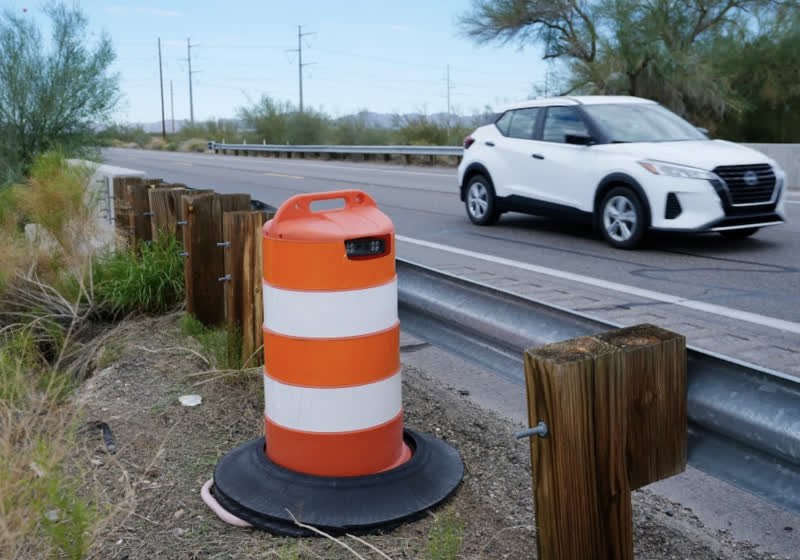
Recent developments have spotlighted hidden or covert license plate reader (LPR) systems installed in California. In a coordinated effort, more than two dozen advocacy organizations—including the Electronic Frontier Foundation (EFF) and Imperial Valley Equity and Justice—submitted a formal letter to Governor Gavin Newsom urging the state to revoke permits for these covert sensors. The signatories argue that the devices constitute part of a sprawling domestic surveillance apparatus that operates with limited transparency and accountability.
The letter emphasizes concerns about secrecy surrounding LPR deployments, the potential for data collection beyond traditional law enforcement needs, and the possibility of sharing collected information with federal partners. The coalition frames the issue within a broader debate over civil liberties, data privacy, and the proper boundaries of surveillance technology in public spaces. While LPRs can enhance public safety by identifying stolen vehicles or locating missing persons, critics warn that covert installations undermine democratic norms by circumventing public scrutiny and legislative oversight.
California, a state with a long record of privacy advocacy, has historically implemented various surveillance technologies under regulatory frameworks that require some degree of transparency. Yet, the deployment of covert LPRs—if confirmed—raises questions about consent, public awareness, and the risk of mission creep. The advocacy letter calls for immediate action to revoke permits for these devices until robust safeguards are established, including clear parameters for data usage, retention, access controls, audit mechanisms, and sunset provisions.
The broader backdrop involves a federal surveillance ecosystem in which data collected by LPRs—especially those integrated with or sharing data with federal systems—could be incorporated into national databases or tasking frameworks. Proponents of reform note that such integration intensifies the stakes of privacy and civil liberties, given the potential Reach of federal analysis and the possibility that local data could be leveraged for purposes beyond local policing.
This issue sits at the intersection of technology, law, and civil rights. It invites ongoing public dialogue about how to balance safety and privacy in an era of advanced analytics, machine learning, and cross-jurisdictional information sharing. As California officials weigh responses, stakeholders from advocacy groups, law enforcement, policymakers, and the broader public will be watching closely to see how the state addresses concerns about covert surveillance, accountability, and the integrity of the democratic process.
In-Depth Analysis
The contemporary debate over license plate readers centers on two core tensions: operational utility and civil liberties. LPRs deploy cameras that capture images of license plates, reading alphanumeric sequences via optical character recognition (OCR) technology. In many jurisdictions, these systems are used to automate the process of identifying stolen vehicles, tracking vehicles of interest, or solving criminal investigations more efficiently. However, when deployed covertly—without public notice, signage, or formal community engagement—the potential for overreach, data accumulation, and mission creep increases substantially.
Advocacy groups framing the CA controversy argue that covert installations undermine democratic principles by bypassing standard legislative channels and public accountability mechanisms. They contend that permit concealment can obscure who funds the systems, who operates them, and how data is stored and used. The letter to Governor Newsom likely underscores concerns about data retention periods, who can access the data, and whether the information may be shared with federal agencies or used for non-law-enforcement purposes. In recent years, civil liberties organizations have scrutinized the legal and ethical frameworks surrounding LPR programs, emphasizing:
- Transparency: Public awareness of where sensors are placed and how data flows through the system.
- Oversight: Clear governance, including independent audits and sunset clauses to reassess program necessity and privacy protections.
- Proportionality: Limiting data collection to legitimate policing objectives and avoiding broad, non-specific surveillance scopes.
- Safeguards: Strong access controls, encryption, and strict data-sharing policies to prevent misuse or mission creep.
- Accountability: Mechanisms to address regulatory violations, data breaches, or improper data dissemination.
The controversy also intersects with broader national security and immigration enforcement concerns. Some advocates worry that LPR data could be funneled into federal surveillance programs or integrated with other databases to create a more comprehensive picture of individuals’ movements. While collaboration between local, state, and federal agencies has practical benefits for public safety, it also heightens the risk that ordinary residents may be subject to pervasive monitoring without adequate remedies or recourse.
From a policy perspective, California has a history of pursuing privacy protections and public accountability in technology deployment. The state has enacted laws aimed at safeguarding consumer privacy and ensuring transparency in surveillance practices. However, enforcement and scope vary by agency and by program, particularly when technology deployments are rolled out through procurement contracts, interagency agreements, or public-private partnerships with private vendors delivering LPR services. In such contexts, contractual terms often determine the extent of transparency, data controls, and the right to audit or challenge program decisions.
The funding and operational architecture of covert LPRs are a focal point for the discussion. Some LPR programs rely on local law enforcement budgets, while others involve state or federal financing and coordination with national platforms. In scenarios where local sensors feed data into federal systems, questions arise about data retention timeframes, purpose limitations, and whether there are automatic retention or sharing triggers that can expand the scope of surveillance beyond the originally stated objectives.
The public interest argument for LPRs centers on efficiency and the potential to solve crimes more rapidly. Proponents highlight the ease of identifying stolen vehicles, missing persons, or vehicles involved in criminal activities, which can translate into faster investigations and potential deterrence. They argue that technological advances in OCR accuracy, analytics, and data fusion can provide meaningful public safety benefits when deployed with careful governance and oversight.
Critics, however, warn that the benefits may be overstated or unevenly distributed. They point to concerns about privacy erosion, racial and socioeconomic biases in predictive policing and surveillance, and the possibility that data gathered in one context can be repurposed for uses far beyond its original intent. The risk of data breaches and the difficulty of fully removing data once it has entered a national or cross-jurisdictional system add to these worries.
Technological considerations also shape the debate. LPRs rely on image capture, OCR, and pattern recognition to extract license plate strings. Modern systems may integrate with facial recognition or other biometric data pipelines in some jurisdictions, although licenses for such integration vary widely and are often subject to legal review and public debate. The methodological robustness of OCR under adverse lighting or weather conditions and the potential for false positives or misidentifications can influence both the effectiveness of policing and the civil liberties costs associated with erroneous data processing.
In California’s context, questions remain about where covert LPRs are located and who authorized their deployment. The lack of public notification can impede community trust and hamper the ability of residents to advocate for policy changes that reflect their privacy preferences. Public transparency is often seen by privacy advocates as essential for democratic legitimacy, particularly for technologies capable of long-term data retention and cross-agency sharing.
The interplay between state-level governance and federal data-sharing frameworks is particularly salient. If California LPR data becomes accessible to federal systems, it could feed into national surveillance architectures that operate beyond the direct oversight of any single state. This possibility has spurred calls for more stringent state-level controls, including:
- Legislative mandates requiring disclosure of sensor locations and data-sharing agreements.
- Independent privacy impact assessments that evaluate how data is collected, stored, processed, and eventually disposed of.
- Clear limits on data retention: distinguishing between temporary caches for ongoing investigations and permanent archival storage.
- Access controls that restrict data to law enforcement purposes, with strict auditing and reporting requirements.
- Notification requirements for communities impacted by surveillance deployments.
Another layer of complexity arises from private sector involvement in LPR deployments. Some LPR systems are deployed under contracts with private vendors who supply cameras, software, and data processing capabilities. In such arrangements, responsibility for privacy protections and accountability can become diffuse, making independent oversight more challenging. Contractual provisions, procurement ethics, and conflict-of-interest considerations become critical in ensuring that the deployment remains aligned with public policy objectives and civil liberties protections.

*圖片來源:Unsplash*
The conversation surrounding covert LPRs in California thus hinges on achieving a balance: leveraging technology to enhance safety and investigative capabilities while preserving fundamental rights and maintaining public trust. This balance requires transparent decision-making processes, robust legal frameworks, and ongoing engagement with affected communities and stakeholders. It also calls for explicit statements about the scope of data sharing with federal agencies, the geographic reach of the sensors, and the specific categories of data that will be collected, stored, or transmitted.
Perspectives and Impact
The advocacy push to revoke permits for covert LPRs reflects a broader societal concern about the rapid expansion of surveillance technologies in everyday life. Public sentiment often sees these tools as double-edged swords: capable of deterring crime and facilitating rapid investigations on one hand, and as instruments of pervasive monitoring and potential civil liberties violations on the other.
For residents of California, the presence of covert LPRs can provoke a sense of uncertainty and concern about personal privacy. Even if the sensors are designed for legitimate law enforcement purposes, the opacity surrounding their deployment makes it difficult for the public to hold authorities accountable or understand how data is used. In communities with histories of surveillance-related harms or discriminatory policing, covert deployment may be viewed as particularly problematic, reinforcing mistrust between residents and law enforcement institutions.
Lawmakers and policymakers face the challenge of crafting regulations that preserve security while ensuring transparency. The California Legislature has, in various contexts, passed laws aimed at protecting privacy and setting governance standards for surveillance technologies. Yet, the speed at which new tools are developed and deployed can outpace legislative processes. That dissonance creates openings for advocacy groups to demand stronger oversight, especially in cases where installations are not well publicized or where data-sharing arrangements with federal agencies lack public visibility.
The potential impact of the LPR controversy extends beyond California’s borders. If the state takes a firm stance against covert deployments, it could influence other states to demand similar transparency and oversight for their own LPR programs. Conversely, if California allows covert operations to continue without significant reforms, concerns may intensify elsewhere, reinforcing a national debate about federal-local data sharing, privacy protections, and the boundaries of public surveillance.
From a civil liberties perspective, the core issue centers on whether the benefits of LPRs justify the accompanying privacy costs when deployments occur without adequate public engagement. Privacy advocates argue for privacy-by-design principles, which would require minimal data collection, robust access controls, and user-centric governance that includes independent audits. They also advocate for clear, enforceable limits on how long data can be retained and when it must be destroyed.
Law enforcement perspectives emphasize the practical advantages of LPRs in solving crimes and improving response times. They may argue that such tools are essential for addressing property crime, traffic incidents, and more serious offenses. In many cases, agencies maintain that LPR data is used under strict warrants, court orders, or lawful investigations, with access limited to personnel directly involved in the case. However, even with legal safeguards, the potential for overbroad application or unintended data exposure remains a concern for those worried about civil liberties.
The future implications of this debate may hinge on the development of more robust privacy-preserving technologies and governance frameworks. Advances in data minimization, differential privacy, and secure data-sharing architectures could help reconcile some safety benefits with privacy protections. Public-facing dashboards, routine transparency reports, and citizen advisory boards could foster greater trust and accountability, ensuring that surveillance technologies operationalize public safety without eroding civil liberties.
It is also essential to consider the constitutional and statutory landscape governing surveillance in California. The state has a complex system of constitutional rights, privacy protections, and administrative procedures that apply to governmental data collection and retention. Any expansion of LPR usage, especially covert deployments, must align with these legal frameworks and withstand scrutiny during legislative oversight, court challenges, or administrative reviews.
The political dynamics cannot be ignored. Advocates for privacy and civil liberties may push for legislative bans, outright prohibitions, or stringent controls on LPRs, while law enforcement communities may lobby for continued or expanded use of the technology for efficiency and crime prevention. The governor’s office, the legislature, and relevant state agencies must navigate competing interests and public sentiment when shaping policy responses.
Ultimately, the decision to revoke or permit covert LPR installations involves a calculus of risk and benefit, balancing public safety interests with the fundamental rights to privacy and free movement. The ongoing discourse in California could set precedents that influence how other states approach similar technologies, potentially shaping national norms around surveillance, governance, and civil liberties.
Key Takeaways
Main Points:
– A coalition of more than 25 advocacy groups calls for revocation of covert LPR permits in California.
– The dispute centers on transparency, oversight, data sharing, and potential federal involvement.
– California policy responses will influence broader national debates on surveillance and civil liberties.
Areas of Concern:
– Secrecy surrounding deployments and lack of public accountability.
– Unclear data retention, access, and sharing practices, including potential federal data flow.
– Risk of mission creep and erosion of civil liberties without robust safeguards.
Summary and Recommendations
The controversy over covert license plate readers in California underscores a broader national conversation about privacy, safety, and the accountability of surveillance technologies. While LPRs can offer tangible benefits for crime reduction and investigation efficiency, their covert deployment raises legitimate concerns about transparency, governance, and civil liberties. The advocacy letter to Governor Newsom reflects a desire for greater public oversight, explicit permissions, and strong privacy protections to ensure that data collection remains proportionate, transparent, and subject to meaningful review.
To move toward a balanced resolution, California officials could consider several concrete steps. First, require public disclosure of all LPR deployments, including exact sensor locations, data-sharing agreements, and the scope of data collected. Second, establish independent oversight with regular privacy impact assessments and ongoing audits to evaluate effectiveness, privacy risks, and compliance with state law. Third, implement strict data governance policies: limiting retention, defining permissible uses, requiring minimization of data, and enforcing access controls with documented authorization. Fourth, introduce sunset clauses for covert deployments or, where feasible, convert covert installations to clearly authorized, publicly disclosed programs with transparent governance. Fifth, ensure robust community engagement and provide avenues for public comment and redress in cases of concerns or suspected misuse.
If California can articulate a clear framework that safeguards privacy while preserving legitimate law enforcement capabilities, it may set a constructive precedent for other states grappling with similar technology deployments. Open, accountable governance backed by enforceable safeguards can help address the legitimate public safety goals associated with LPRs while protecting the civil liberties that underpin a democratic society. The conversation is far from resolved, but the path toward a transparent, accountable, and privacy-conscious approach is essential for maintaining public trust as surveillance technologies evolve.
References
- Original: https://www.techspot.com/news/111305-privacy-activists-call-california-remove-covert-license-plate.html
- Additional references:
- Electronic Frontier Foundation (EFF) on surveillance and transparency: https://www.eff.org/issues/privacy
- California Privacy Rights Alliance on surveillance transparency: https://privacycenter.org/ca
- National Conference of State Legislatures (NCSL) on surveillance laws and LPRs: https://www.ncsl.org/research/telecommunications-and-information-technology/surveillance-laws.aspx

*圖片來源:Unsplash*