TLDR
• Core Points: Create a balanced gallery wall with thoughtful layout, cohesive framing, varied artwork, and personal touches; plan, test, and adjust before committing.
• Main Content: Practical guidance on selecting pieces, grouping layouts, framing, spacing, and hanging techniques to achieve a curated look on a budget without designer help.
• Key Insights: Start with a clear concept, curate a mix of sizes and mediums, consider color and frame continuity, and use templates or paper cutouts to preview the arrangement.
• Considerations: Space, wall material, weight considerations, and safety; lighting and travel-distance between pieces; timing and reconfiguration for future updates.
• Recommended Actions: Audit available wall space, draft multiple layouts on paper, gather frames and mats, hang with proper hardware, and iterate until satisfied.
Content Overview
Gallery walls offer one of the most timeless and stylish ways to inject character and personality into any home. A well-executed gallery wall can feel curated and intentional, even if you’re not hiring a designer. This guide outlines practical steps for building a gallery wall that looks polished, balanced, and personalized, while staying approachable and budget-conscious.
The essence of a successful gallery wall lies in thoughtful curation, cohesive presentation, and a flexible approach. It’s not about filling every inch of wall space with art; it’s about telling a visual story in a way that feels harmonious with the room’s architecture and lighting. The process benefits from clarity of concept, deliberate piece selection, and precise execution. By following a structured plan, homeowners can create a sophisticated display that reflects their style without professional involvement.
The article discusses how to start, what to consider when choosing pieces and frames, how to lay out the arrangement, and practical hanging methods. It emphasizes the importance of prep work—measuring, sketching layouts, and testing arrangements with paper templates before committing to nails and screws. The goal is a curated look achieved through careful selection, consistent framing or deliberate variation, and a layout that breathes with the surrounding interior.
In addition to aesthetics, the piece highlights practical considerations such as wall type, weight distribution, and safety, especially for large or heavy frames. Lighting, alignment at eye level, and the relationship between artworks and furniture are addressed. The guide also offers strategies to refresh or rotate your gallery wall over time, ensuring the display remains relevant and engaging as tastes or spaces evolve.
Overall, the approach balances creativity with pragmatism: establish a unifying concept, curate a diverse but cohesive collection, and execute with precise, repeatable steps. This makes it feasible for anyone to achieve a high-end, gallery-like result without hiring a professional designer.
In-Depth Analysis
A gallery wall’s impact rests on a few core principles: balance, rhythm, and cohesion. First, define a concept or mood for the display. This could be a color story, a thematic thread (travel, family, nature), or an era-inspired vibe. The concept provides a north star for item selection, framing choices, and spacing decisions, helping disparate pieces feel intentional when grouped together.
Piece selection should blend variety with unity. Include a mix of mediums—prints, photographs, canvases, and even three-dimensional objects—while maintaining a cohesive through-line. Variations in subject matter are acceptable, but maintain consistency in tone. For color-based walls, a dominant color palette helps tie different works together; for neutral or monochrome spaces, consider black-and-white photography, muted tones, or art with a similar level of contrast.
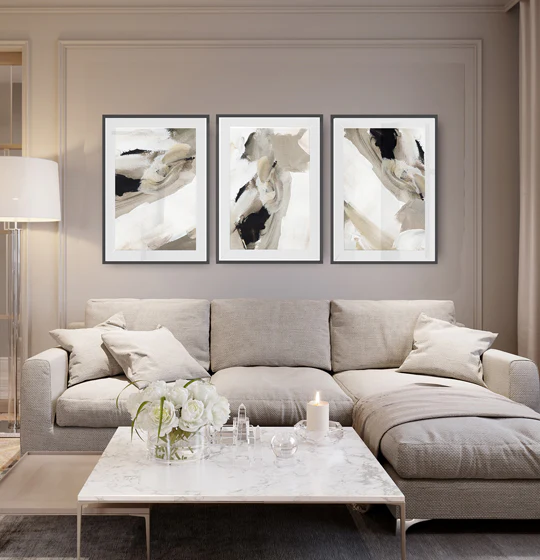
Framing and matting contribute significantly to perceived quality. Decide whether to unify the gallery by matching frames and mats or to create a deliberate contrast. A uniform framing approach often yields a sleek, cohesive feel, especially in modern interiors. In other contexts, varied frames can introduce texture and personality if they share common dimensions, color accents, or matting styles to maintain visual harmony. Consider the artwork’s size and orientation—portrait and landscape pieces should be balanced to avoid a lopsided composition.
Layout planning is critical. Start with a mental image or physical scaffolding to map the arrangement. A common method is to lay out the pieces on the floor or prop them on the wall using painter’s tape to simulate edges. Paper templates cut to the exact size of each frame are an excellent way to test spacing and positioning without making holes. Aim for a consistent gap between frames, typically 2 to 4 inches, though this can vary depending on wall size and frame proportions. Establish a clear anchor point—often a central piece at eye level—and build outward to create a cohesive grid or an organic, salon-style display.
Spacing and alignment should read as intentional. For a grid arrangement, align all frames along two horizontal and two vertical axes, keeping offset minimal to preserve rhythm. For an organic gallery wall, use a loose, modular approach: let distances vary, but keep the vertical alignment and corner anchors visually grounded to avoid a chaotic appearance. The anchoring concept helps bridge different art pieces into a single, curated tableau.
Hanging technique matters for safety and stability. Use appropriate hardware based on wall type and frame weight: picture hooks for lightweight frames, multi-picture hanging systems, or wall cleats for heavy canvases. If the wall has drywall, ensure the hardware engages studs for heavy frames. Leveling is essential; a simple spirit level or a smartphone app can help maintain straight lines. Consider using a temporary mounting option, such as removable adhesive putty, for lighter items during the planning phase, while avoiding long-term reliance on such solutions for heavy artwork.
Lighting enhances the impact of a gallery wall. Position the display to take advantage of natural light without causing glare. In rooms with limited natural light, supplement with adjustable track lighting or picture lights to highlight colors and textures. A well-lit wall draws attention and helps preserve the integrity of the colors and details in each piece.
Practical considerations include wall material and the weight distribution of the assembled display. Some walls tolerate heavy frames, while others require reinforcement or alternative mounting strategies. The arrangement should also consider furniture adjacency: ensure the lowest artwork sits at or slightly above eye level relative to seating, creating a comfortable viewing experience from typical seating positions. If you plan frequent rearrangements, use lightweight frames and modular layouts that can be easily reconfigured without extensive re-hanging.
A gallery wall is not a one-and-done project. It can evolve with changes in taste, décor, or lifestyle. Build in a degree of flexibility by choosing frames and artworks that can be swapped without major rework. Rotations are common: swap pieces seasonally or when new purchases arrive, while preserving the overall concept.

*圖片來源:Unsplash*
The article also emphasizes practicality and budget-mindedness. You don’t need trend-driven masterpieces to achieve a refined look. Reframing existing photos and prints, sourcing affordable new art, or incorporating personal mementos can be just as effective as purchasing high-end pieces. A thoughtful curation strategy—paired with disciplined measurement and planning—can yield a sophisticated gallery wall that rivals those designed by professionals.
Finally, the piece outlines a workflow designed to minimize trial-and-error. Begin by auditing the walls you want to use, measuring spatial dimensions, and identifying a focal area. Collect potential art and frames, along with hanging hardware. Create a mock layout on the floor or a wall using tape or cut-out paper templates. Iterate until you’re satisfied with the balance, spacing, and overall feel, then proceed to permanent mounting.
Perspectives and Impact
A well-executed gallery wall transcends mere decoration; it communicates personal taste, values, and a sense of place. When homeowners curate their own displays, they gain a tactile connection to their living spaces. The process of selecting pieces—whether family photos, favorite prints, or found artworks—becomes a narrative that reflects daily life and memories. This personal storytelling is amplified by how the pieces interact visually.
The impact of a curated gallery wall extends beyond aesthetics. It can anchor a room’s design scheme and influence how other elements are perceived. The color palette and arrangement can set the tone for surrounding furniture, textiles, and architectural features. In smaller rooms, a gallery wall can visually stretch the space by guiding the eye upward or along a deliberate line, adding depth and focal interest without overwhelming the room.
From a practical standpoint, a successfully curated wall is attainable without professional assistance. With careful planning, even repeatable layouts—such as grids or salon-style clusters—can be achieved using affordable frames and prints. This democratizes interior design, empowering individuals to shape their environments in ways that suit their lifestyles and budgets. It also invites ongoing engagement: as life changes, the gallery can evolve, reflecting shifts in taste, occupancy, or travel. In this sense, a gallery wall is not a static feature but a dynamic installation that grows with the home.
Looking ahead, one can anticipate continued interest in gallery walls as a foundational design strategy. As housing styles diversify and living spaces become more adaptable, modular and lightweight framing options will likely rise in popularity. Digital services that enable easy customization and previewing of layouts may further empower homeowners to experiment with arrangements before committing to hardware. Sustainability considerations may steer people toward repurposing frames and prints, reinforcing the idea that a curated wall can be built from existing resources with thoughtful curation rather than expensive purchases.
The broader implications touch on accessibility in interior design. By removing barriers to professional design services, more people can achieve high-quality, personalized interiors. The concept of a curated gallery wall aligns with contemporary preferences for authenticity and individualized spaces, rather than homogenized trends. As more households embrace this approach, it could influence retail strategies, encouraging shops to stock versatile frames, affordable art, and easy-to-hang hardware designed for non-professionals.
In sum, a gallery wall built without a designer offers a pathway to refined interior expression that is both practical and personal. It leverages core principles of layout, framing, and lighting, while inviting ongoing adaptation. Whether populating a living room, hallway, or bedroom, a well-planned gallery wall can elevate the space, reflect the owner’s story, and stand the test of time as a chic, curated feature.
Key Takeaways
Main Points:
– Define a clear concept to guide artwork selection and layout.
– Mix sizes, mediums, and orientations while maintaining visual cohesion.
– Use paper templates or floor planning to test layouts before hanging.
– Choose framing strategies (uniform or varied) that support the desired vibe.
– Prioritize proper hanging hardware and safe weight distribution.
Areas of Concern:
– Weight-bearing limits and wall type considerations.
– Achieving balance in irregular, non-grid layouts.
– Potential for overfilling or clutter if not planned carefully.
Summary and Recommendations
To create a gallery wall that looks curated without hiring a designer, start with a precise concept that informs your choices of art, frames, and layout. Gather a diverse but cohesive collection of pieces—photos, prints, and small objects—that share a unifying color story or tonal range. Plan meticulously: measure wall space, draft multiple layouts on paper or using cutouts, and test the arrangement before committing to holes. Decide on a framing strategy that suits your space—uniform frames for a clean, modern look or varied frames for texture and personality—ensuring that the overall rhythm remains balanced. Hang with appropriate hardware, distribute weight evenly, and ensure sightlines from seating areas work comfortably. Lighting should highlight the display without creating glare, and you should consider future updates to keep the wall fresh. By combining thoughtful curation with careful execution, you can achieve a sophisticated, designer-like gallery wall using accessible, budget-friendly methods.
For ongoing relevance, treat the gallery wall as a living feature that can evolve with your space. Swap in new pieces over time, reframe, or rearrange to reflect changing tastes or seasonal moods. With deliberate planning and a bit of patience, a gallery wall can transform a room into a curated, personalized focal point that feels cohesive, polished, and uniquely yours.
References
- Original: https://abeautifulspace.co.uk/how-to-build-a-gallery-wall-that-looks-curated-without-hiring-a-designer/
- Additional references:
- https://www.housebeautiful.com/room-decorating/wall-art/a19840785/how-to-arrange-wall-art/
- https://www.idealhome.co.uk/decorating-t ideas/creating-gallery-wall-213223
- https://www.apartmenttherapy.com/how-to-create-a-gallery-wall-367026
Forbidden:
– No thinking process or “Thinking…” markers
– Article must start with “## TLDR”
Ensure content is original and professional.

*圖片來源:Unsplash*