TLDR
• Core Points: Buy preowned ladies’ Rolexes with diligence: set budget, verify authenticity, inspect condition, consider seller reputation, and plan financing with family finances in mind.
• Main Content: A structured guide to evaluating, purchasing, and maintaining a preowned ladies’ Rolex responsibly within family financial planning.
• Key Insights: Authenticity checks, service history, and total cost of ownership matter as much as sticker price; prioritize long-term value and reliability.
• Considerations: Market timing, model depreciation, potential repairs, and resale considerations should influence decisions.
• Recommended Actions: Define budget, research models, choose reputable sellers, obtain certification of authenticity, and arrange for servicing and insurance.
Content Overview
For many, a ladies’ Rolex represents more than a timepiece; it is a symbol of achievement, craftsmanship, and enduring style. The decision to purchase a preowned ladies’ Rolex can be prudent for those who want luxury without paying premium for new models. When family finances are a factor, a thoughtful, well-researched approach becomes essential. This guide outlines practical steps to buy a preowned ladies’ Rolex responsibly, balancing personal aspiration with financial stewardship.
First, establish a clear budget that aligns with your broader financial goals. This includes not only the purchase price but also ancillary costs such as authentication, potential servicing, insurance, and possible upgrades or accessories. Understanding the total cost of ownership helps prevent impulse purchases that could strain family resources.
Second, educate yourself about the market. Rolex models for women come in various sizes, materials, and configurations, from classic precious-metal pieces to stainless steel options with colorful dials. While some models retain strong value, others may depreciate or require significant maintenance. Gaining familiarity with current market prices, typical depreciation curves, and demand drivers will empower you to make a more informed decision.
Third, verify authenticity and condition. Preowned watches can range from mint-condition timepieces to units with cosmetic or functional issues. Key authenticity checks include serial numbers, model numbers, hallmarks, movement provenance, and paperwork such as original box, papers, and service records. Obtain a professional appraisal or authentication from a reputable watchmaker or authorized dealer, especially if purchasing through a secondary market or private seller. A documented service history can provide confidence that the watch has been cared for and that upcoming servicing needs are anticipated.
Fourth, assess the seller’s credibility. Reputable sources include established jewelry houses, authorized Rolex dealers with certified preowned programs, and well-reviewed online marketplaces with buyer protections. Be cautious with private sellers who cannot provide verifiable provenance, receipts, or service records. Check for reviews, return policies, warranty options, and buyer protections before committing.
Fifth, consider wear, restoration, and servicing options. Even minor wear can affect value and performance. Round-trip servicing costs, water-resistance checks, and potential replacement parts should be factored into the total price. It may be worthwhile to budget for a complete servicing and possible strap or bracelet refurbishment to restore the watch’s condition and longevity.
Sixth, plan for financing in a family context. If the purchase is being considered within a household budget, explore financing options that align with your goals, such as setting aside a dedicated savings fund, leveraging low-interest financing, or trading up from a current watch. Ensure the buy aligns with other priorities like education, housing, savings, and debt management.
Seventh, think about insurance and security. A valuable timepiece warrants appropriate insurance coverage, especially for transit, travel, or events. Obtain a professional appraisal for insurance purposes and research jewelry and watch insurance policies that cover theft, loss, and damage.
Eighth, consider long-term value and resale. Rolex watches, particularly certain models in good condition, can retain value and may even appreciate over time, depending on market dynamics and model desirability. However, no investment is guaranteed. If future resale is a possibility, document provenance and servicing history, maintain the original box and papers, and keep the watch in excellent condition.
Finally, make a decision that balances desire with practicality. While owning a preowned ladies’ Rolex can be gratifying, it should not compromise essential financial priorities or create avoidable stress. A well-planned purchase that aligns with your values and financial plan is more likely to deliver lasting satisfaction.
In-Depth Analysis
The pursuit of a preowned ladies’ Rolex involves several layers of consideration beyond the initial price tag. Understanding the product, the market, and the broader financial context can help buyers avoid common pitfalls and maximize value.
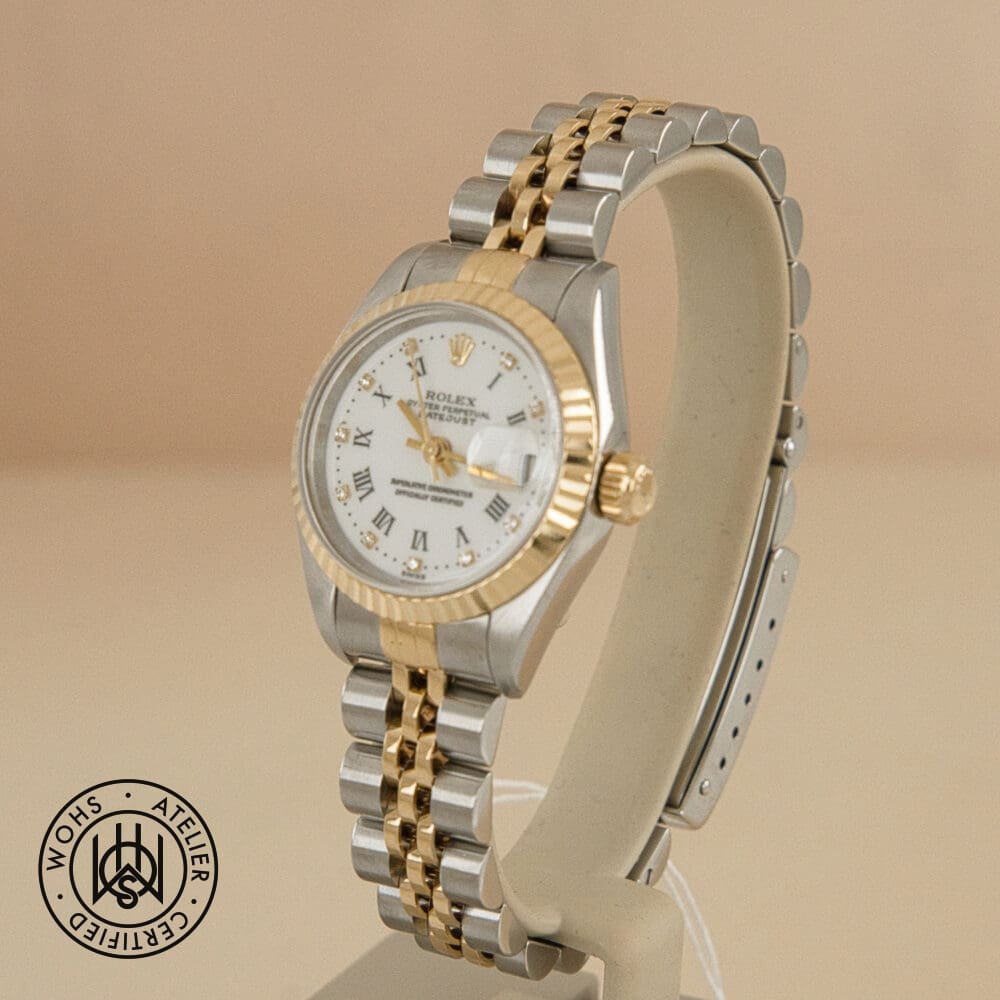
Market literacy is foundational. Rolex is a globally recognized emblem of luxury and precision. Among women’s lines, models vary widely in size (most commonly 26–31 mm), case materials (stainless steel, gold, two-tone, platinum), and dial configurations (colors, diamonds, milestones). The market’s dynamics mean that supply and demand can shift price trajectories. Limited-production or iconic references may hold value better than more common pieces, but trends can evolve with fashion and collector interest. Buyers should study recent sale prices on trusted platforms, observe price stability across seasons, and identify which references have demonstrated resilience.
Authenticity and provenance are non-negotiable. The secondary market presents authentic opportunities but also risks of counterfeit or altered pieces. Authenticity indicators include correct serial numbers, case hallmarks, movement specifications, and the presence of original paperwork. Independent authentication by a trained watchmaker or a Rolex-certified center is prudent, particularly when the price seems unusually favorable or when documentation is incomplete. Service records not only prove maintenance but can inform current condition and anticipated needs.
Condition assessment is integral to valuation. A preowned watch’s value depends on cosmetic wear, movement integrity, and water-resistance. Scratches, polished surfaces, or replaced components can affect both aesthetics and value. The efficiency of the movement (timing accuracy, power reserve) should be tested, and gaskets and seals checked to prevent moisture ingress. A recent service with genuine Rolex parts can enhance reliability and longevity but adds to upfront cost. Buyers should request a condition report and, if possible, a pressure test of water resistance.

*圖片來源:Unsplash*
Seller credibility shapes risk exposure. Reputable sellers typically offer guarantees, detailed descriptions, high-resolution photographs, and return policies. Private sellers may provide lower prices but carry higher risk. When dealing with private parties or smaller retailers, insist on verifiable provenance, an independent appraisal, and a clear return window. Leverage buyer protections offered by marketplaces and consider using payment methods with recourse if issues arise.
Total cost of ownership goes beyond the sticker price. Servicing intervals for Rolex watches vary with usage, but many recommend service every 5–10 years, depending on movement and external conditions. Servicing costs can be substantial and may include movement overhaul, crown and seal replacement, bracelet adjustments, and refinishing. Accessories such as spare links, authentic bracelets, and original boxes impact resale value. Insurance is another ongoing cost; a high-value item deserves coverage to mitigate loss due to theft or damage.
Financing and opportunity cost in a family setting require careful planning. If a purchase is funded through savings rather than credit, it preserves future financial flexibility. When credit is used, interest and repayment terms should be aligned with other family priorities. Some buyers opt to finance a purchase with a short-term plan to free up cash for essential expenses, while others accumulate funds gradually, turning the acquisition into a milestone saved for over time.
Resale considerations are nuanced. Rolex watches can appreciate in value for certain references, but many factors—model rarity, condition, completeness (original box and papers), and market sentiment—determine resale outcomes. Maintaining the watch’s condition, documenting servicing, and preserving originality (e.g., avoiding non-original parts) can preserve or enhance resale value.
Ethical and sustainability angles matter to some buyers. The sourcing of precious metals and the environmental footprint of manufacturing are increasingly considered in luxury purchases. Some buyers prefer to purchase preowned pieces to mitigate new-asset demand and to avoid supporting newly mined materials. Transparent provenance can also mitigate concerns about the watch’s history and ownership.
Perspectives and Impact
The decision to purchase a preowned ladies’ Rolex intersects with personal identity, family finance, and the broader luxury market. For many, a Rolex is a milestone—a reward for hard work, a keepsake to be passed down, or a wearable symbol of personal achievement. When integrated with family budgeting and long-term goals, such a purchase can reinforce positive financial behavior: prioritizing saving, setting boundaries on discretionary spending, and building a habit of thoughtful purchasing.
Market trends indicate continued demand for women’s Rolex models, with particular interest in iconic references and stainless steel options that blend durability with elegance. The preowned market can serve as a practical pathway to ownership for those who value quality and resale potential, especially when new model prices are less accessible or when waiting lists for certain configurations are long.
From a social perspective, owning a luxury watch can influence perceptions of status and success. However, it is essential to ground this aspiration in personal values and financial realities. A well-planned purchase that aligns with family priorities—not just personal glitz—tends to yield greater satisfaction and less financial strain. For families, this approach models disciplined savings, careful evaluation of needs versus wants, and forward-looking planning.
Future implications hinge on evolving consumer preferences and the luxury watch market. As new materials, designs, and smart-wuse features emerge, the role of traditional mechanical watches may shift, but the allure of craftsmanship and heritage remains strong for many buyers. The durable design of Rolex, coupled with the potential for long-term wear and occasional appreciation, suggests that, for some shoppers, a preowned piece could be a sensible acquisition when approached with due diligence.
Key Takeaways
Main Points:
– Define a clear, comprehensive budget that covers purchase, authentication, servicing, and insurance.
– Prioritize authenticity and provenance; seek professional verification and complete service history.
– Assess condition, movement performance, and potential future maintenance needs.
– Vet sellers carefully; prefer reputable dealers with clear warranties and returns.
– Consider long-term value, insurance, and total cost of ownership to align with family finances.
Areas of Concern:
– Counterfeit risks and incomplete documentation in the preowned market.
– Hidden maintenance costs and the variability of service intervals.
– Market volatility that can affect resale value and perceived investment potential.
Summary and Recommendations
Purchasing a preowned ladies’ Rolex can be a prudent and rewarding choice when approached with structured planning, careful evaluation, and alignment with family financial goals. The process hinges on thorough market research, diligent authenticity checks, and prudent budgeting that accounts for all aspects of ownership—from the initial price to ongoing servicing and insurance. By selecting reputable sellers, obtaining independent authentication, and maintaining the watch in excellent condition, buyers can maximize the likelihood of satisfying both personal taste and strategic financial objectives.
For families, adopting a disciplined approach—setting a savings target, scheduling servicing windows, and documenting all aspects of the purchase—can convert a luxury acquisition into a sustainable, value-forward decision. While a preowned Rolex is not a guaranteed investment, it can offer enduring enjoyment and potential resale value when cared for and sourced responsibly. With these guidelines, buyers can navigate the market confidently, secure a legitimate timepiece, and integrate the purchase into a balanced financial plan that honors both aspiration and prudence.
References
- Original: https://abeautifulspace.co.uk/how-to-buy-a-preowned-ladies-rolex-while-managing-your-family-finances/
- Additional references:
- Rolex Official Pre-Owned Program: https://www.rolex.com/watches/pre-owned.html
- Watch Authentication Guide: https://www.hodinkee.com/articles/how-to-authenticate-a-rolex
- A Practical Guide to Buying a Pre-Owned Rolex: https://www.chrono24.com/magazine/guide/buy-pre-owned-rolex.htm

*圖片來源:Unsplash*