TLDR
• Core Points: Assess space, purpose, materials, comfort, durability, climate, maintenance, and budget to select the right garden furniture set.
• Main Content: A balanced approach considers layout, seating needs, material performance, weather resistance, and upkeep for long-lasting outdoor furniture.
• Key Insights: Choose modular or adaptable pieces, prioritize maintenance-friendly materials, and protect investments with proper covers and storage.
• Considerations: Local climate, usage frequency, and aesthetic alignment with garden style influence material choices and design.
• Recommended Actions: Measure space, list must-haves, compare materials, test comfort, and plan for protection and longevity.
Content Overview
Choosing garden furniture is more than picking a pretty set. The right outdoor furniture should harmonize with your garden’s layout, serve your lifestyle, and withstand the local climate. When evaluating options, consider how much space you have, how you intend to use the area, and how often you expect to refresh or repair outdoor seating and tables. The market offers a wide range of materials—wood, metal, resin, wicker, and more—each with distinct advantages and maintenance requirements. This guide provides a structured approach to selecting a garden furniture set that balances aesthetics, comfort, durability, and value, helping you invest in pieces that enhance your outdoor living space for years to come.
In-Depth Analysis
Selecting a garden furniture set is a multi-faceted decision. A thoughtful process begins with a clear assessment of the space and how the furniture will fit within it. Start by measuring the available area, noting entrances, walkways, and any fixed features such as a grill, fire pit, or planters. Consider sightlines and how the furniture will look from indoor vantage points as well. The layout should encourage easy movement and conversation while avoiding crowding. A well-planned arrangement might use a central seating cluster, a dining area, and a separate lounging corner, all tied together with outdoor rugs, cushions, and lighting that withstand the elements.
Purpose and usage drive material choices and construction. If you frequently entertain guests, you may prioritize a durable dining set with weather-resistant finishes and versatile seating. For daily family use, look for comfort and practicality, such as ergonomically designed chairs, generously padded cushions, and a sturdy table surface. If you have children or pets, consider steel or aluminium frames with kid-safe finishes and removable, washable cushion covers. For tranquil solo or couple time, a compact bistro set or a pair of loungers might be ideal.
Material performance matters. Common outdoor furniture materials include:
- Wood: Teak, acacia, eucalyptus, and acacia blends are popular for their natural beauty. Teak is renowned for durability and moisture resistance but tends to be more expensive. Regular care, including cleaning and periodic oiling or sealing, helps preserve appearance and longevity.
- Metal: Aluminum and wrought iron offer strength and weather resistance. Aluminum is lightweight and rust-resistant, while wrought iron provides a classic look but may require anti-rust treatment and maintenance in damp climates.
- Resin and wicker: Synthetic wicker and resin materials mimic natural textures while offering low maintenance and good resistance to fading. Ensure UV-stabilized coatings to minimize color wash and brittleness over time.
- Fabrics and cushions: Outdoor fabrics should be water-repellent, UV-stable, and easy to wash. Removable covers simplify maintenance, but zipper and seam quality matter for longevity.
Weather and climate influence durability. In coastal or humid environments, salt air and moisture can accelerate corrosion and fading. In regions with harsh winters, stackable, modular, or easily stored pieces can reduce wear during off-season. Protect furniture with covers rated for outdoor use and consider storage options like sheds or garages to extend life. For areas with heavy rainfall, ensure chairs and tables have drainage and avoid cushions that retain water. In hot climates, consider shade solutions to reduce heat buildup and fabric degradation.
Maintenance and care are critical for value. Regular cleaning removes dirt, salt, and pollen that can degrade finishes. Use appropriate cleaners for each material, avoid harsh chemicals, and follow manufacturer guidelines. Wood may require periodic sealing or oiling; metal may benefit from rust prevention coatings or touch-up paint. Cushions should be dried promptly after rain and stored in dry conditions to prevent mold. A routine maintenance schedule helps preserve appearance, safety, and structural integrity.
Budget and value considerations come into play as you balance upfront cost with long-term durability. Higher-quality materials typically offer longer lifespans and lower maintenance burdens, reducing long-term replacement costs. It’s often prudent to invest in a core set that meets your daily needs with modular components you can expand over time. Look for warranties that cover structural components, rust, or fabric fade. When possible, test items in person to gauge comfort, support, and sturdiness before purchasing online.
Ergonomics and comfort should not be overlooked. Proper seat height, back support, and cushion firmness impact how much time you’ll spend outdoors. If your budget allows, opt for cushions with removable, washable covers and UV-resistant fabrics. Consider footrests, armrest design, and table height to ensure comfortable dining and lounging experiences.
Aesthetics and cohesion matter for long-term satisfaction. The furniture should complement your garden’s style, colors, and materials. Neutral tones can anchor a look and accommodate seasonal accents, while bold hues can create focal points but might require more maintenance to keep vibrant. Consistency with landscaping elements (planters, pathways, and lighting) helps create a unified outdoor environment.
Practical planning steps can streamline the decision process. Start with a space plan that outlines zones for dining, lounging, and movement. Create a wish list that prioritizes essential pieces first (e.g., a dining set for family meals) and add optional items (like a chaise lounge or side tables) as your budget allows. Compare materials across durability, maintenance, and environmental impact, including the manufacturing ethics and sourcing of materials when possible. Read product reviews and examine customer photos to gauge real-world performance beyond manufacturer claims.
Safety considerations should guide selection as well. Ensure furniture is stable, with non-slip feet or protective pads to prevent floor damage or movement on patios. Check weight limits on tables and benches, especially for households with children or elderly members. If you plan to host gatherings, consider wind resistance—anti-tip designs and sturdy constructions can reduce accidents during breezy conditions.
Maintenance strategies enhance longevity. A proactive approach includes:
– Rotating cushions and fabrics seasonally to prevent uneven wear and fading.
– Cleaning furniture according to material-specific guidelines (gentle soaps for wood, mild cleaners for metal, and appropriate fabric care).
– Using protective covers during off-seasons or inclement weather.
– Storing cushions in breathable containers to prevent mold and mildew.
Insurance considerations are rarely discussed but worth noting in some regions. High-end outdoor furniture can be a valuable outdoor asset, and some homeowners’ policies may offer coverage for loss due to weather events or theft. If your area experiences frequent storms or flooding, review policies to understand coverage limits.
Sustainability and environmental impact are increasingly relevant. Look for furniture made from responsibly sourced wood, recycled materials, or durable, long-lasting designs that reduce waste. Consider repairability; pieces that can be refurbished or upgraded rather than discarded contribute to a lower environmental footprint.

*圖片來源:Unsplash*
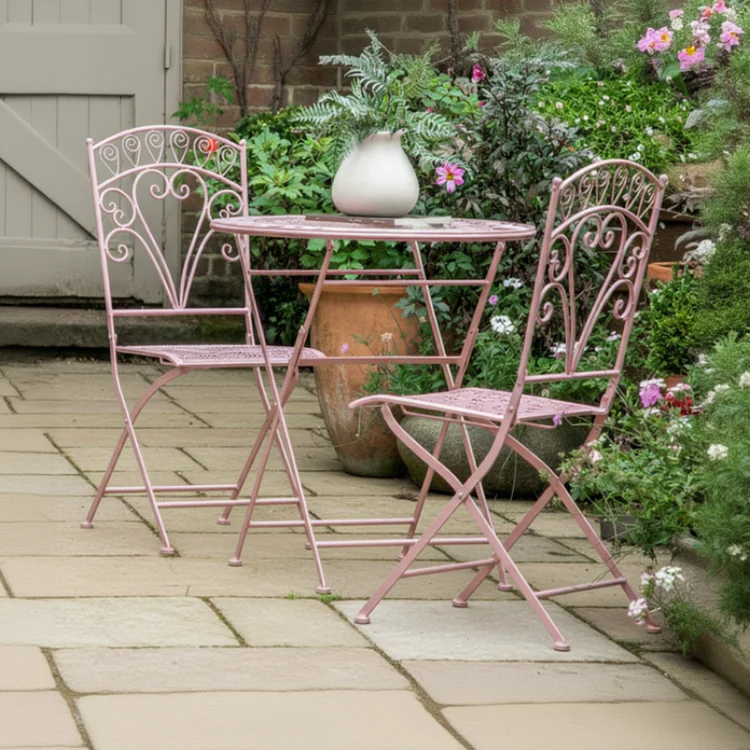
Case studies and scenarios can illustrate how to apply these principles. For example, a small urban balcony may benefit from a compact bistro set with foldable chairs and a small fold-down table, combined with weather-resistant cushions. A medium-size backyard might support a dining set for eight, complemented by modular lounge seating that can be rearranged for different gatherings. A large garden could expand with a sun-loving lounge area, a fire pit seating cluster, and separate dining zone, all connected via pathways and lighting.
When selecting a set, compare delivery times and assembly requirements. Some garden furniture arrives in flat-pack form and requires assembly, while others arrive pre-assembled. Check for included hardware, warranties, and support for assembly if needed. If you’re not comfortable with DIY assembly, factor in professional installation costs or ready-to-use options.
Ultimately, the decision comes down to fit, function, and foresight. The right garden furniture set should harmonize with your space, fulfill your daily needs, and endure the test of time and weather. With careful evaluation of space, materials, maintenance, and budget, you can select a garden furniture collection that enhances your outdoor living experience and remains a source of comfort and enjoyment for years to come.
Perspectives and Impact
The choice of garden furniture influences how people live and interact with their outdoor environments. A well-planned outdoor setup invites longer time outside, promotes socialization, and can extend usable living space during temperate seasons. The shift toward modular and adaptable designs reflects changing lifestyles, with a preference for pieces that can be reconfigured as needs evolve, whether for hosting gatherings, relaxing with family, or creating quiet corners for reading. Material science continues to advance, expanding the range of options that resist weathering, fade less quickly, and require less maintenance, thereby increasing the lifespan of outdoor furniture investments.
Climate change and increasingly variable weather patterns underscore the importance of resilience in outdoor furnishings. Furniture that can withstand higher humidity, stronger UV exposure, and more frequent rain events will be necessary in many regions. At the same time, sustainability considerations push consumers toward responsibly sourced materials and products designed for repair and longevity rather than premature replacement. This shift aligns with broader movements in consumer behavior toward mindful consumption and reduced waste.
As urban living spaces grow smaller, the demand for compact, modular, and multi-functional outdoor furniture will likely rise. Buyers may prioritize items that can transition from dining to lounging and that can be easily stored during off-seasons. Innovations in cushion fabrics, resistant coatings, and lightweight yet durable alloys will further enhance outdoor usability, making outdoor living more accessible to a wider range of households.
The future of garden furniture is likely to emphasize customization and integration with outdoor electronics and smart lighting. Weatherproof charging stations, built-in solar lighting, and furniture with embedded wireless charging surfaces could merge comfort with technology, enabling outdoor spaces to function as extensions of interior living areas. However, this also raises considerations about aesthetics, power safety, and energy efficiency that designers and homeowners will need to address.
In summary, the continued evolution of garden furniture reflects broader societal trends toward comfort, flexibility, sustainability, and seamless integration with outdoor environments. Thoughtful selection grounded in space analysis, material performance, and maintenance will help ensure that outdoor furniture remains a cornerstone of enjoyable outdoor living for years to come.
Key Takeaways
Main Points:
– Assess space, usage, and layout before selecting furniture.
– Choose materials that balance durability, maintenance, and climate tolerance.
– Prioritize comfort, safety, and modularity for long-term versatility.
Areas of Concern:
– Overlooking maintenance requirements can lead to premature wear.
– Extreme weather exposure without protection shortens furniture lifespan.
– Mismatched scale or awkward layouts can reduce usability and enjoyment.
Summary and Recommendations
To select an effective garden furniture set, begin with a thorough space assessment and a clear understanding of how you plan to use the outdoor area. Prioritize materials with proven weather resistance and manageable maintenance in your climate, and ensure the design supports comfort and safety for all household members. Consider modular or adaptable options that can be reconfigured as needs change, and invest in protective measures such as weatherproof covers and appropriate storage. By balancing space, function, aesthetics, and durability, you can create an outdoor environment that enhances your lifestyle and remains inviting through seasons and years.
If you plan to host regularly, opt for a durable dining set in a weather-resistant finish complemented by a comfortable lounge area with cushions designed to withstand sun and rain. For smaller spaces, seek compact, multi-functional solutions that maximize seating without overcrowding. For larger gardens, a layered approach with dining, lounging, and focal features like a fire pit or water element can create varied experiences and zones.
Remember to verify delivery and assembly requirements, check warranties, and review care instructions. With careful planning and thoughtful material choices, your garden furniture can become a lasting centerpiece of outdoor enjoyment that suits your climate, lifestyle, and aesthetic preferences.
References
- Original: https://abeautifulspace.co.uk/how-to-choose-a-garden-furniture-set-for-your-garden/
- 2-3 relevant reference links based on article content (to be added by user or editor)
- Additional sources on material care and outdoor furniture maintenance (as needed)
Forbidden:
– No thinking process or “Thinking…” markers
– Article must start with “## TLDR”

*圖片來源:Unsplash*