TLDR
• Core Points: Create a bloom bar with fresh arrangements, edible flowers, or petals, plus simple props, storage, and safety considerations for a unique party focal point.
• Main Content: Steps to plan, assemble, and style a bloom bar, including sourcing blooms, setup tips, food-safety considerations, and budget ideas.
• Key Insights: A bloom bar blends aesthetics and interaction, elevating guest experience while remaining adaptable to venue and budget.
• Considerations: Flower safety (edible vs. non-edible), local sourcing, shelf life, and cleanup.
• Recommended Actions: Map the guest experience, curate a bloom palette, test arrangements, and plan for logistics and sanitation.
Content Overview
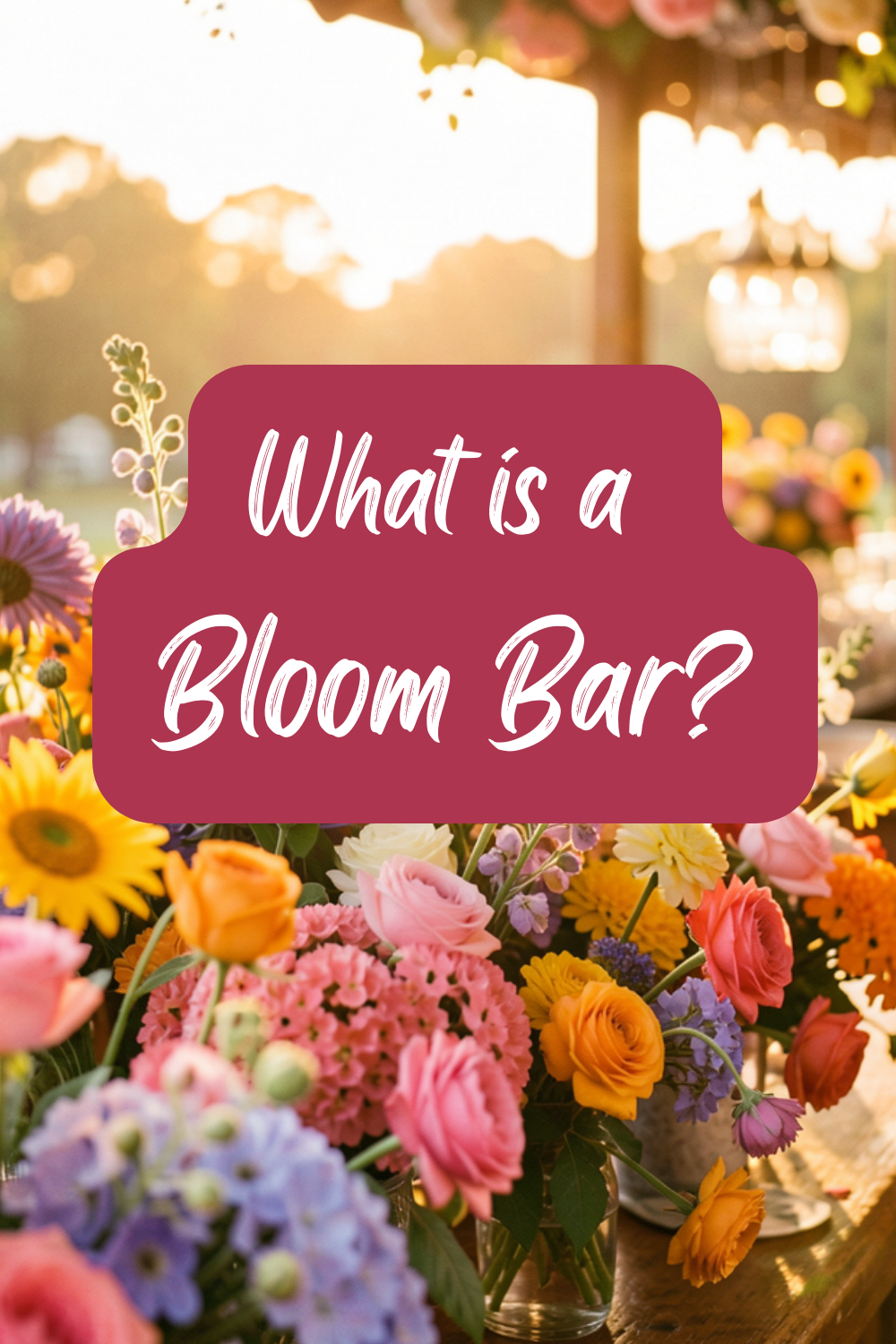
A bloom bar is a visually striking, interactive décor concept that encourages guests to mingle, create mini floral displays, or select petals to mix into drinks and desserts. This idea blends artistry with practicality, offering a customizable centerpiece that can be tailored to any party theme, season, or budget. The bloom bar can feature fresh flowers, edible petals, and decorative elements such as glass jars, wooden bases, and piping bags for a DIY floral “spray” or petal confetti in drinks. When designed thoughtfully, a bloom bar serves as a photogenic focal point and an engaging activity, encouraging guests to participate without requiring specialized floral design skills.
The concept is adaptable for various occasions: weddings, birthdays, baby showers, corporate events, or intimate gatherings. By planning around color schemes, flower availability, and venue constraints, hosts can create a bloom bar that enhances ambiance while aligning with practical considerations like cleanliness, safety, and budget. Below is a structured guide on planning, sourcing, assembling, styling, and maintaining a bloom bar to maximize guest enjoyment and minimize stress for hosts.
In-Depth Analysis
Planning a bloom bar starts with clarifying the objectives: do you want a floral display, an interactive petal station, a DIY bouquet station, or edible flower petals for garnishes and desserts? Once you’ve defined the purpose, consider the theme and color palette. A bloom bar should harmonize with the overall decor, table settings, and lighting. Cohesive color stories—such as blush pinks and whites for a wedding, bold tropical hues for a summer party, or muted earth tones for a rustic event—help create a cohesive visual impact.
Sourcing and selecting flowers is the next critical step. Work with a reputable florist, local flower market, or reputable online supplier who offers seasonal varieties and reliable delivery. Consider the venue’s climate and duration of the event when choosing blooms. Fresh arrangements are visually stunning but have limited shelf life; plan for procurement timing to ensure peak freshness during the event. If edible options are desired, verify the edibility of each flower variety, and consult food-safety guidelines to avoid potential contamination.
A bloom bar can be organized in several configurations. Common setups include:
– Fresh-cut arrangements in wide-mouthed jars or vessels, surrounded by greenery and filler elements.
– An interactive “petal station” where guests can pluck petals to sprinkle on desserts, garnish cocktails, or create confetti.
– A DIY bouquet or mini centerpiece bar with pre-arranged stems that guests can customize with ribbons, twine, or accents.
– A hybrid station combining non-edible florals for display with separate edible petals or herbs for consumption.
Layout and workflow are essential for a smooth experience. Place the bloom bar in a high-traffic area with ample space for guests to gather, reach, and participate without creating congestion. Provide clear labeling for different components (edible vs. non-edible petals, fragrance-free options, allergen considerations). Ensure there are surfaces at comfortable heights for guests to view and handle flowers, and have a dedicated area for waste disposal and cleanup.
Safety and hygiene should not be overlooked. Use clean vessels and sanitization practices for any edible elements. If guests will handle blooms directly, provide gloves or design the station to minimize direct contact where appropriate. Consider allergy concerns by offering fragrance-free options and avoiding highly scented varieties if guests with sensitivities are present. To protect delicate petals and flowers, store them in cool environments and avoid exposure to direct heat or bright sunlight during setup and the event.
The budget for a bloom bar can vary widely depending on scale, flower selection, and whether you hire a florist or DIY. A budget-friendly approach uses locally sourced, seasonal blooms and simple containers, while a premium version may involve high-end blooms, specialty vases, and customized signage. Keep a clear list of required components, including:
– Flowers and greenery
– Containers (jars, vases, troughs)
– Edible petals or herbs (optional)
– Labels and signage
– Tools for assembly (scissors, floral tape, wire, ribbons)
– Table linens, backdrop, and props
– Waste and cleanup supplies
Maintenance during the event is essential to keep the bloom bar looking fresh. If possible, designate a host or team member to refresh water, re-trim stems, rotate petals, and replace wilting blooms. Lightweight, easily replaceable components help maintain the display’s impact throughout the event.
Styling considerations can elevate the bloom bar into a signature moment. Group blooms with complementary textures (soft petals, spiky greenery, delicate fillers) to create visual depth. Vary vessel shapes and heights to add dimension, and incorporate natural textures such as wood, rattan, or marble to align with the venue’s aesthetic. Lighting also plays a major role: soft, warm lighting enhances color and creates an inviting mood. A simple “photo moment” backdrop with the bloom bar as the focal point invites guests to capture memories without disrupting the flow of the party.
Imparting guidance through labeling is helpful. Use clear, concise signage to indicate how the system works: which elements are edible, how guests can use petals for drinks or desserts, and any safety notes (for example, “not for contact with skin for sensitive individuals”). If you’re hosting a more formal event, consider a short cue card or a QR code linked to a simple guide for guests to follow.
Accessibility considerations should be part of the plan. Ensure the bloom bar is reachable by guests who use mobility aids, and avoid arrangements that block pathways or seating. Consider sensory aspects; some guests may prefer fragrance-free options, while others may enjoy the scent of fresh blooms. Providing a non-fragrance alternative helps accommodate a wider range of guests.
Finally, plan for cleanup. A bloom bar creates a significant amount of natural materials that need disposal or repurposing after the event. Coordinate with the venue or a local recycling program to manage flower disposal, and consider composting where appropriate. If the event is potentially large, create a post-event schedule that includes disassembly, container cleaning, and returning borrowed items.
For hosts who want a quick-start blueprint:
– Define the concept and color palette
– Decide on edible vs. non-edible elements
– Source seasonal flowers and containers
– Build a simple display with clear labeling
– Assign a staff member to maintenance and sanitation
– Plan for lighting and photo opportunities
– Prepare a cleanup timeline
A bloom bar is not just a decorative feature; it is an experience that invites guests to engage creatively with the setting. With careful planning, thoughtful sourcing, and practical execution, it can be a memorable centerpiece that complements the party’s theme and elevates the overall ambiance.

*圖片來源:Unsplash*
Perspectives and Impact
The bloom bar represents a convergence of aesthetics, interaction, and sustainability in event decor. It showcases how decorative elements can be transformed into participatory experiences, enabling guests to become part of the design narrative rather than passive observers. This approach can influence future event planning by promoting flexible, interactive stations that align with contemporary preferences for privacy, personalization, and social sharing.
From a sustainability perspective, bloom bars offer opportunities to minimize waste and emphasize seasonal, locally sourced materials. When designed with compostable or recyclable containers and responsibly sourced blooms, bloom bars can reduce the environmental footprint of a celebration. This trend aligns with growing consumer interest in experiential décor that also reflects ecological responsibility.
The practical implications for event organizers include streamlined workflows and scalable setups. A bloom bar can be adapted for intimate gatherings or large receptions by adjusting the number and variety of blooms, container sizes, and staffing needs. By pre-planning for storage, transportation, and on-site maintenance, organizers can ensure consistent presentation and guest satisfaction throughout the event.
Looking ahead, advancements in delivery timing, preservation technologies, and edible florals may broaden how bloom bars are implemented. As cultivators offer longer-lasting varieties or preserved petals, hosts may enjoy more durable centerpieces that maintain their appearance without frequent refreshes. The integration of digital guides or augmented reality to educate guests on floral selections could further enhance the interactive element of bloom bars.
However, there are potential challenges to consider. Weather conditions, venue restrictions, and allergen concerns require proactive risk management. Not all venues permit fresh-cut flowers in food and beverage areas, and some guests may have sensitivities to fragrance or pollen. To mitigate these risks, hosts should have alternative, non-fragrance displays and ensure that edible petals are clearly labeled and handled under hygienic conditions.
In terms of cultural considerations, some guests may have preferences or beliefs about the use of flowers in certain contexts. Clear communication about the concept and options available at the bloom bar helps ensure inclusivity and comfort for all attendees. By providing choices—such as non-edible décor and edible garnishes—hosts can accommodate a broad range of tastes and sensitivities.
The bloom bar phenomenon also offers marketing and social-media value. The visually striking display often becomes a natural backdrop for photographs, encouraging guests to share images on social networks. Thoughtful branding, signage, and themed backdrops can amplify this effect, turning the bloom bar into a memorable feature that extends beyond the event itself.
In summary, the bloom bar concept reflects a broader shift toward experiential décor that blends artistry, interaction, and sustainability. It enables hosts to craft a dynamic focal point that engages guests while maintaining practicality and budget-conscious decisions. As event trends continue to evolve, bloom bars stand out as a versatile and stylish option for elevating celebrations.
Key Takeaways
Main Points:
– A bloom bar provides a visually appealing, interactive décor element that enhances guest engagement.
– Proper planning around sourcing, safety, layout, and maintenance is essential for success.
– The concept is adaptable to various event sizes, themes, and budgets, with opportunities for sustainability and social sharing.
Areas of Concern:
– Edibility and safety of flowers; allergen and fragrance considerations require careful labeling and options.
– Freshness and shelf life demand precise timing, storage, and potential staffing needs.
– Venue restrictions and cleanup logistics must be anticipated to avoid disruptions.
Summary and Recommendations
A bloom bar offers a stylish, interactive way to elevate party décor while providing guests with a hands-on experience. To maximize impact while minimizing risk, start with a clear objective and budget, select seasonally available blooms, and design a layout that accommodates movement, accessibility, and safety. Different configurations—display-focused, interactive petal stations, or a mix—can be tailored to suit the event’s theme and guest preferences. Lighting, color coordination, and texture variety greatly enhance the display, making it an attractive backdrop for photographs and social sharing.
Key practical steps include coordinating with florists or suppliers for reliable delivery, ensuring edible elements are clearly labeled and prepared under hygienic conditions, and establishing a maintenance plan for keeping the bar fresh throughout the event. Preparation and rehearsal can help identify potential bottlenecks, such as crowding around the station or difficulty in replenishing supplies.
For future improvements, hosts might explore preserved petals, edible flower kits for guests, or modular bloom bar components that can be easily assembled or disassembled. Collecting guest feedback after the event can inform adjustments for subsequent occasions, ensuring the bloom bar remains a desirable and practical feature.
Overall, the bloom bar is a versatile, eye-catching concept that can transform ordinary party décor into an experiential centerpiece. With thoughtful planning and attentive execution, it can be a standout element that enhances ambiance, encourages guest interaction, and leaves a lasting impression.
References
- Original: https://abeautifulspace.co.uk/how-to-create-a-bloom-bar-at-your-party/
- Additional references:
- A Practical Guide to Edible Flowers, Garden & Green Living Resources
- Seasonal Flower Arrangements and Party Styling, Floral Design Associations
- Food Safety Guidelines for Edible Flowers, Food Safety Authority or equivalent local authority

*圖片來源:Unsplash*