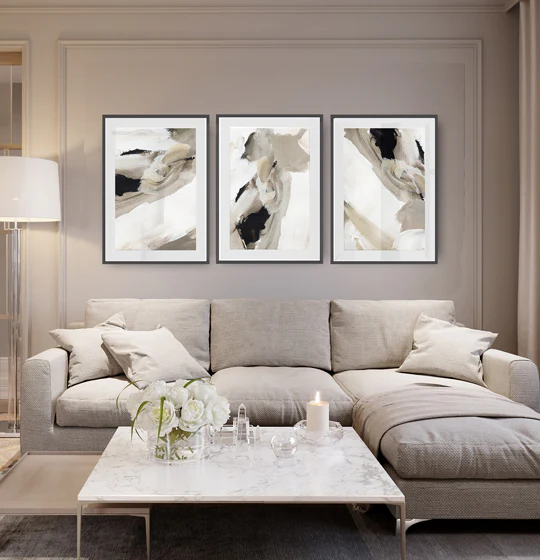
TLDR
• Core Points: Curated gallery walls blend varied frames, sizes, and artwork with thoughtful spacing, lighting, and color schemes to achieve a polished, designer-inspired look on a budget.
• Main Content: Start with a unifying concept, gather a diverse mix of art and objects, plan layout with templates, and finalize mounting with precise measurements and supportive hardware.
• Key Insights: Consistency in framing and rhythm in spacing matter more than perfectly matching pieces; a well-lit, cohesive color palette elevates the result.
• Considerations: Wall type, ceiling height, available wall space, and weight-bearing capacity influence layout decisions and hardware choices.
• Recommended Actions: Create a visual map, experiment with mockups, and implement with level, tape guidelines, and proper hanging hardware.
Content Overview
Gallery walls have stood the test of time as a stylish means to inject character and personality into a home. Rather than commissioning a complete tailored design, a thoughtfully assembled gallery wall can achieve a curated, high-end look using accessible materials and careful planning. The core idea is to curate a collection that feels intentional, even if it comprises a mix of prints, photographs, canvases, and mementos. By focusing on balance, proportion, and rhythm, homeowners can emulate the elegance of a designer gallery without the associated cost or process.
This article outlines a structured approach to building a gallery wall that reads cohesive and polished. It emphasizes developing a unifying concept, selecting pieces with a deliberate eye, planning the layout before hanging, and executing with accuracy. The goal is not to chase uniformity but to create a harmonious display where variety is deliberate, not random.
In-Depth Analysis
A successful gallery wall begins with a clear concept. This doesn’t require a strict theme, but a guiding idea helps maintain cohesion. Consider color stories (shades that recur across frames and artwork), subject matter that complements an overall mood (calm, energetic, nostalgic), or a mix of media that still reads as one installation. The concept acts as the north star during both selection and arrangement.
Fragmented but complementary pieces can yield a gallery that feels curated. Instead of relying solely on matching frames, aim for a consistent visual rhythm. Variations in frame weight, matting, and size can coexist if balanced with repeated elements. For instance, you might pair light-colored frames with a few darker accents, or intersperse portraits with abstract work to create a dynamic but organized flow.
Selection should consider scale, proportion, and distribution. Start by choosing anchor pieces—one or two larger works that anchor the wall. Surround these with smaller items that fill gaps without overcrowding. A rough rule of thumb is to keep the overall wall layout within a single, toward the center, defined by the width and height of the available space. This does not mean everything must be identical; rather, aim for a cohesive silhouette that feels intentional.
Before you mount anything, map out the layout. A practical method is to lay out paper templates of each frame size on the floor. Arrange these templates to approximate the final arrangement on the wall. Use painter’s tape to mark the intended positions on the wall, or arrange the frames directly on the floor against a wall to visualize spacing and rhythm. This helps you refine the layout and avoids multiple nail holes.
When assembling the gallery, consider the relationship between pieces and their surroundings. The wall color, room lighting, and nearby furniture influence how the gallery reads. If the space lacks natural light, consider how artificial lighting (such as directed spotlights or picture lights) can enhance the display. Lighting should highlight key pieces while maintaining overall balance across the wall.
Hardware and hanging technique are essential. Use appropriate wall anchors for the wall type (drywall, plaster, brick, or concrete). For heavier frames or canvases, consider secure mounting with picture-hanging hardware rated for weight, such as wall anchors, studs, or masonry anchors. A sturdy wire system or French cleats can support heavier arrangements with equal weight distribution. For lighter frames, picture-hanging hooks and nails can be sufficient as long as you distribute weight evenly.
Frame selection can be diverse, but consistency in size relationships helps. Pair a core selection of frame sizes (for example, one 24×36, two 18×24, and several 12×16 pieces) to create a stable grid or organic mosaic. Natural materials and matte finishes generally photograph well and tend to blend with multiple décor styles. If you incorporate non-art items—such as a mirror, a decorative plate, or a textile piece—treat them as visual anchors that anchor the layout and contribute texture and depth.
Spacing is critical to the overall feel. A typical gallery wall uses even spacing between frames, often 2–4 inches apart, though your layout may use varied gaps to create rhythm. Taller walls benefit from vertical alignment or staggered grids to maintain balance. A common approach is to arrange frames at eye level for the primary seating area or foyer, ensuring the display is comfortably viewed from multiple angles.
Color and material storytelling are powerful tools. A cohesive color palette across frames and matting ties disparate works together. If artwork has bold colors, you can balance with neutral mats or frames in soft whites, blacks, or natural woods. Conversely, you can lean into color by choosing frames that echo hues present in the artwork. The aim is to harmonize disparate pieces, rather than forcing uniformity.
Maintenance and evolution are worth planning for. Gallery walls are not static; you may want to rotate works seasonally or as new pieces arrive. Preserve the display by using acid-free mats for prints, avoiding direct sunlight when possible, and dusting frames regularly. If you rely on changeable media such as posters or prints, consider a simple hanging system that allows easy replacement without compromising the layout.
Finally, the perception of a gallery wall can be influenced by room scale and ceiling height. On small walls or rooms with lower ceilings, opt for a compact arrangement with fewer pieces, or a linear, grid-based layout to keep the eye moving. On tall walls, a vertical alignment or a larger central piece with surrounding smaller works can create an impactful focal point without visually overpowering the space.
In practice, building a gallery wall is a balance between intention and flexibility. While you may begin with a plan, the process often reveals opportunities to rethink spacing or swap pieces. The key is to maintain a coherent narrative—where each component supports the whole—while enjoying the process of curating a personal collection that reflects your taste and life experiences.

*圖片來源:Unsplash*
Perspectives and Impact
A well-designed gallery wall can transform a room by introducing depth, texture, and a curated atmosphere. It elevates everyday walls into artful displays that reflect personal stories, affinities, and moments in time. The impact extends beyond aesthetics; a thoughtfully arranged gallery wall can anchor furniture arrangements, guide traffic flow, and create conversation points for guests.
This approach democratizes interior design by reducing the barrier to achieving a high-end look. You don’t need a designer to execute a gallery wall that feels intentional and polished. By following a methodical process—define a concept, select diverse yet cohesive pieces, create a detailed layout, and execute with careful mounting—you can achieve a refined result with careful attention to proportion and rhythm.
As décor trends continue to evolve, gallery walls retain their appeal due to their versatility. They accommodate a wide range of tastes, from minimalist line drawings to bold photographic collages, and from vintage frames to modern materials. The ability to adapt a wall to changing preferences makes this a sustainable, flexible design strategy. In addition, gallery walls can be a practical solution for families and renters who want to personalize limited spaces without committing to permanent renovation.
Future implications include continued innovation in framing options, lightweight yet durable materials, and modular hanging systems that simplify reconfiguration. Advances in wall-safe adhesives, magnetic mounting, and adjustable rails may streamline the process, enabling more people to achieve professional-looking results with relative ease. As people place greater emphasis on storytelling in interior design, gallery walls are likely to become even more prominent as a vehicle for personal narratives, travel memories, and artistic exploration.
There are potential challenges to consider as well. Overly busy walls can overwhelm a room and distract from architectural features. It’s important to maintain balance between the wall display and other design elements. Additionally, improper mounting can cause damage to walls or pose safety risks, particularly for heavier frames or in households with small children or pets. Careful planning and appropriate hardware selection are essential to mitigate these concerns.
Overall, the curated gallery wall represents a practical, adaptable strategy for elevating interior spaces. Its enduring popularity stems from its ability to combine personal expression with design discipline, offering a way to showcase art and memory in a beautiful, organized, and accessible format.
Key Takeaways
Main Points:
– Begin with a unifying concept to guide piece selection and layout.
– Mix frames and media thoughtfully, focusing on rhythm and proportion rather than uniformity.
– Plan layouts with templates or mockups before hanging; measure carefully and use proper hardware.
– Lighting and wall color influence how the gallery reads and should be considered during planning.
– Galleries can evolve; choose systems and materials that allow easy rotation and updates.
Areas of Concern:
– Weight and wall structure must support heavier frames and canvases.
– Inadequate spacing or mismatched elements can create visual clutter.
– Frequent changes may require reusable mounting solutions to minimize wall damage.
Summary and Recommendations
Creating a gallery wall that feels curated without professional help is entirely achievable with methodical planning and thoughtful execution. Start by establishing a guiding concept that aligns with the room’s mood and color palette. Select a diverse mix of artwork, photographs, and meaningful objects, but maintain a cohesive rhythm through consistent framing dimensions, matting, or color accents. Before drilling, lay out a mock arrangement using templates or taped floor plans to refine spacing and alignment, ensuring a balanced composition that fits the wall’s proportions.
Hardware choices are crucial. Use sturdy hanging systems appropriate for the wall type and the combined weight of all pieces. Heavier items may require stud mounting or masonry anchors, while lighter items can use reliable hooks and picture wire. Keep spacing tight enough to create cohesion but varied enough to avoid a rigid grid, unless a grid-based look is desired for the space.
Lighting considerations can elevate the display, highlighting key pieces while maintaining overall harmony. The wall color and surrounding furniture should guide frame choices and mats to ensure a unified appearance. Remember that gallery walls are dynamic; plan for rotation by selecting frames and mounting systems that allow easy updates without repeated wall damage.
Ultimately, the result should feel intentional and personal, a reflection of taste and lived experiences rather than a copied look. With careful planning, precise execution, and an eye for balance, a gallery wall can transform a room into a sophisticated, welcoming, and expressive space.
References
- Original: https://abeautifulspace.co.uk/how-to-build-a-gallery-wall-that-looks-curated-without-hiring-a-designer/
- Additional references:
-https://www.idealhome.co.uk/interiors/how-to-create-gallery-wall-ideas-281468
-https://www.housebeautiful.com/room-decorating/west-elm-gallery-wall/
-https://www.joyfuldesingstudio.com/blog/how-to-create-a-gallery-wall

*圖片來源:Unsplash*