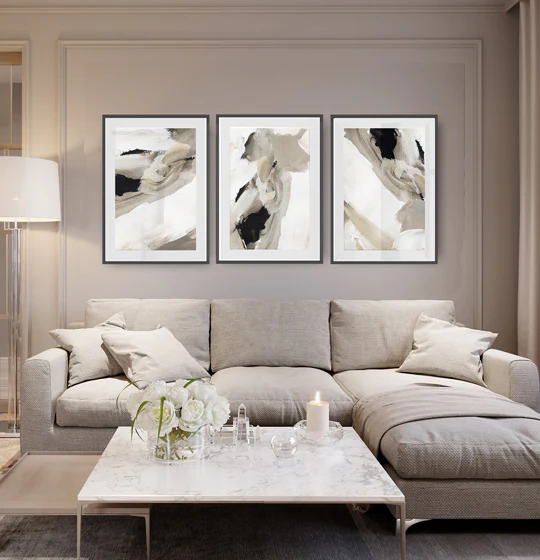
TLDR
• Core Points: Curated gallery walls can be achieved with a thoughtful mix of frames, artwork, and spacing, all without a professional. Start with a plan, measure for accuracy, choose a unifying theme, and vary scale to create visual interest.
• Main Content: Build a gallery wall by outlining a layout, selecting a cohesive color palette, sourcing varied art, and using proper framing and hanging techniques for a polished, designer-like result.
• Key Insights: Consistency in framing and matting, strategic spacing, and a balanced mix of affordable and statement pieces are key to a successful, timeless wall.
• Considerations: Space, wall type, weight-bearing requirements, and selecting pieces you genuinely love are essential to avoid a chaotic look.
• Recommended Actions: Sketch a layout, curate 8–12 pieces, gather frames, test with paper templates, and hang using level, wall anchors, and proper hardware.
Content Overview
Gallery walls remain one of the most enduring and stylish ways to introduce character and personality into a home. They can transform a space, from a plain hallway to a feature wall in a living room, by telling a visual story through art, photography, prints, and meaningful mementos. While a designer can bring a polished, high-end feel to a wall, a well-executed gallery can be achieved by homeowners with careful planning and a few practical steps. This guide explores practical strategies to create a gallery wall that looks curated and cohesive without the need to hire a professional.
The appeal of a gallery wall lies in its ability to combine different pieces into a singular narrative. It is not about filling space but about orchestrating a collection that resonates with your everyday life and aesthetic preferences. The process involves understanding your space, selecting items with intention, and paying attention to details such as framing, matting, and placement. With the right approach, even a modest budget can yield a sophisticated display that feels purposeful rather than random.
This article consolidates practical steps, from initial planning to final hanging, and emphasizes that a curated look comes from consistency, balance, and thoughtful sourcing rather than exclusive access to professional services. By laying out a clear plan, choosing a cohesive color palette, and combining varied yet harmonious pieces, you can achieve a gallery wall that elevates your interior design without overwhelming the room or your budget.
In-Depth Analysis
A gallery wall is more than a collection of framed art; it is a design approach that can anchor a room and guide the viewer’s eye through the space. The core idea is to introduce a curated, cohesive display that reflects personal taste and complements existing furniture and décor. The following steps break down the process into actionable stages.
1) Start with a clear plan
Before touching a nail or a frame, sketch out a layout. Consider the wall’s dimensions, the height of the ceiling, and the furniture nearby. A practical starting point is to map your arrangement on the floor with paper templates cut to the exact sizes of your frames. This allows you to experiment with composition without making holes in the wall. A well-planned wall reduces the risk of misalignment and ensures that the final installation breathes with proportion.
2) Define a unifying concept
Curated does not mean identical. The unifying concept can be color, subject matter, era, or framing style. You might choose a soft neutral background palette with warm wood frames or opt for a bold, high-contrast mix of black-and-white photography with slim metal frames. The key is to select pieces that feel related in some way—through color, theme, or texture—so the collection reads as a thoughtful ensemble rather than a random assortment.
3) Curate a diverse but harmonious collection
A strong gallery wall often blends different mediums and formats. Mix photography, prints, illustrations, and small canvases with varying frame styles and sizes. However, maintain a balance by limiting how many extreme elements you include. For example, pair a large statement piece with several smaller works and a few mid-sized frames to create rhythm. Also consider the emotional tone of each piece; alternating between energetic and calm works can create a dynamic yet cohesive display.
4) Focus on framing and matting
Framing can dramatically influence how a piece feels. Coordinate frames to reinforce the chosen concept. If you prefer a clean, modern look, consistent black or white frames can unify disparate works. If you favor a more eclectic feel, mix frame colors while keeping matting consistent in width. Matting adds a sense of depth and can protect artwork by preventing direct contact with the glass. Choose acid-free mats and UV-protective glass or acrylic to preserve prints over time.
5) Determine layout and spacing
Spacing is one of the most crucial yet overlooked aspects of a gallery wall. Aim for even spacing between frames, typically 2 to 3 inches apart for smaller pieces and up to 4 to 6 inches for larger configurations. The overall grid doesn’t need to be perfectly uniform; a slightly irregular arrangement can feel more dynamic, but consistency in the lines and alignment helps maintain order. For a large wall, consider a grid-based approach as a starting point, then introduce a few offset frames to add visual interest.
6) Plan the arrangement at eye level
Position the center of the gallery at or slightly above eye level (roughly 57 to 60 inches from the floor). This standard helps ensure the wall feels comfortable to view from typical standing height. If the wall sits over a couch, align the average center of the collection with the midline of the furniture, creating a balanced relationship between art and seating area.
7) Choose high-quality reproductions and affordable options
Quality is not synonymous with price. You can achieve a refined look using affordable prints and posters if you select well-produced reproductions on quality paper and pair them with sturdy frames. Seek out prints from reputable sources, limited edition posters, or digital downloads that offer clean lines and crisp imagery. For personal touches, include a few favored photographs or family images in the mix—these can ground the wall in your lived experience.
8) Test before you commit
Lay out the frames on the floor or on a large table to test the composition. If possible, use paper templates cut to the frame dimensions and tape them to the wall to visualize the final arrangement. This step helps you refine the layout without making holes. It also allows you to adjust for scale and rhythm before committing to wall installation.
9) Prepare the wall and use the right hardware
The nature of your wall determines the hardware you’ll use. Drywall requires sturdy picture-hanging hardware, such as anchors and screws designed for heavy frames. Plaster and masonry walls demand appropriate anchors and longer screws, along with possibly masonry nails. If you anticipate heavy frames or a large total weight, spread the load across multiple wall studs to prevent damage and ensure safety.

*圖片來源:Unsplash*
10) Hang with care and verify level
Use a level during installation to ensure straight alignment. A laser level can simplify the process for larger configurations. After hanging, double-check each piece for levelness and alignment relative to the rest of the wall. Small adjustments are often necessary in the final layout, and it’s easier to address them before the wall is permanently complete.
11) Personalize with layering and texture
Depth and texture can elevate a gallery wall beyond a flat display. Consider adding a small decorative element such as a mirror, a piece of textured textile, or a three-dimensional object that fits within the frame or sits slightly offset from the wall to add interest. Layering different surfaces, such as a gallery wall above a console table, provides context and a sense of place.
12) Maintain and refresh
Gallery walls are not static. As your collection grows or your tastes change, you can refresh by swapping pieces, rotating a few frames, or introducing new works. Regularly dust frames and glass to keep the wall looking crisp. If a piece feels out of place over time, consider retiring it or replacing it with something that better aligns with the rest of the display.
Throughout the process, the objective remains the same: create a curated, cohesive look that feels personally meaningful and visually balanced. The combination of careful planning, thoughtful framing, and precise hanging can deliver a sophisticated result that rivals professionally designed displays, all while staying within a reasonable budget and timeline.
Perspectives and Impact
A well-executed gallery wall has implications beyond aesthetics. It can shape how a room is perceived, influence the mood of a space, and reflect the homeowner’s identity. The approach emphasizes accessibility: you don’t need a designer to achieve a polished result. By prioritizing consistency in framing, rhythm in layout, and intentional choices in artwork, a gallery wall becomes a narrative within a room that invites conversation and exploration.
For many households, a gallery wall also provides a flexible framework for change. Pieces can be rotated seasonally or as new favorites emerge, allowing the display to evolve without major renovations. This adaptability makes it a sustainable design approach that can grow with the home and its occupants. Moreover, the practice of planning, measuring, and testing can be a satisfying, hands-on project that engages family members or roommates, fostering collaboration and a shared sense of achievement.
As interior design trends shift, gallery walls retain their relevance due to their versatility. They can be scaled up for dramatic impact in larger rooms or toned down to a subtle accent in compact spaces. The concept can cross into different styles—from minimalist and modern to vintage and eclectic—so long as a coherent thread ties the pieces together. The future of gallery walls lies in the ongoing balance between personalization and visual harmony, offering homeowners an approachable avenue to express taste while shaping the atmosphere of their living spaces.
There is also value in considering the environmental and financial aspects of gallery walls. Reusing frames, repurposing artwork, or selecting prints from affordable sources can reduce waste and cost while still achieving a refined look. This mindful approach aligns with broader sustainable design practices that prioritize longevity, adaptability, and responsible consumption. The net effect is a design strategy that is inclusive, flexible, and capable of delivering a gallery display with lasting appeal.
Key Takeaways
Main Points:
– Plan the layout on paper or floor before mounting to ensure proportion and rhythm.
– Create a cohesive look through a unifying concept, balanced framing, and intentional piece selection.
– Use proper hardware and measurement to ensure safety and precision in hanging.
Areas of Concern:
– Overcrowding the wall or mismatched frames can produce a chaotic result.
– Poor lighting or glare on glass can diminish the artwork’s impact.
– Neglecting wall type and weight considerations can lead to unstable installations.
Summary and Recommendations
Creating a gallery wall that feels curated without professional assistance is achievable through structured planning, deliberate selection, and precise execution. Start with a clear layout, establishing a cohesive concept that unifies diverse pieces. Prioritize consistent or complementary framing and matting to anchor the display, while varying sizes and shapes to introduce visual interest. Plan the arrangement at eye level, test the composition with templates, and prepare the wall with appropriate hardware for the wall type. The result should be a balanced, personal display that elevates the room and stands as a testament to thoughtful, accessible design. With attention to lighting, maintenance, and periodic refreshing, a gallery wall can remain a timeless addition to your home rather than a passing trend.
References
- Original: https://abeautifulspace.co.uk/how-to-build-a-gallery-wall-that-looks-curated-without-hiring-a-designer/
- Additional references:
- https://www.housebeautiful.com/room-decorating/wall-art/a19970460/how-to-hang-picture-frame-wall/
- https://www.elledecor.com/design-decorate/home-trooms/g21210556/how-to-create-gallery-wall/

*圖片來源:Unsplash*