TLDR
• Core Points: Curated gallery walls combine varied frame sizes, cohesive color schemes, and thoughtful layout without needing a pro. Use planning, test layouts, and personal significance for a balanced display.
• Main Content: Start with a clear plan, curate pieces with balance and rhythm, and adapt spacing and framing to your space; aim for cohesion rather than uniformity.
• Key Insights: Edges and proportions matter; story over symmetry; mix textures, art types, and scale to achieve a polished yet personal look.
• Considerations: Wall type, lighting, frame costs, and the weight of heavier pieces must be addressed; safety and accessibility matter.
• Recommended Actions: Gather potential pieces, create a paper or cardboard mock layout, then install with measured spacing and professional-grade hanging hardware if needed.
Content Overview
Gallery walls are a timeless design approach that injects character and personality into any home. Rather than relying on a single focal piece, a gallery wall layers a variety of art, photos, and decorative objects to tell a story about the space and its inhabitants. The goal is to achieve a curated, cohesive look that feels intentional rather than random. This article outlines practical steps to build a gallery wall that appears designer-curated without hiring a professional, focusing on planning, curation, layout, and installation.
A successful gallery wall balances variety and unity. It involves careful consideration of color palettes, frame styles, subject matter, and the rhythm created by repeated shapes and spacing. By approaching the project methodically—starting with a clear plan, selecting pieces that fit a chosen narrative, and testing layouts before committing to nails and screws—you can achieve a polished result that reflects your personal taste and the room’s architecture.
The following guidance emphasizes accessibility for homeowners, including budget-conscious strategies, scalable methods for different wall sizes, and practical tips for mounting and safety. Whether updating a living room, hallway, or stairwell, a well-executed gallery wall can anchor a space, guide the eye through the room, and invite daily engagement with art and memories.
In-Depth Analysis
Planning lays the groundwork for a successful gallery wall. Begin by assessing the wall space you intend to fill, considering light, traffic patterns, and the wall’s architectural features. Take precise measurements of the area, noting any furniture that may influence placement. A practical starting point is to define a virtual “gallery plane” that sits at a comfortable viewing height—typically around 57 to 60 inches from floor to the center of the art. This baseline helps prevent frames from feeling top- or bottom-heavy as you assemble your arrangement.
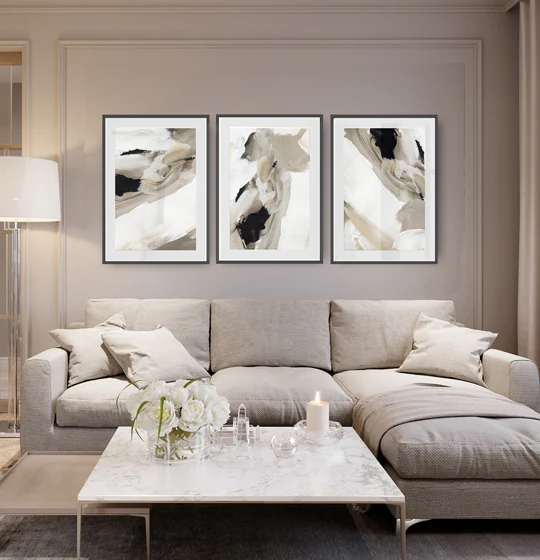
The next step is curatorial selection. Curate pieces that resonate with you and harmonize with the room’s color palette and style, whether it’s modern, traditional, mid-century, or bohemian. You don’t need a uniform frame or identical art to achieve cohesion. In fact, mixing frame finishes can enrich a gallery wall if done intentionally. A unifying thread—such as a recurring color family, a shared motif, or a common frame size—helps the display feel intentional rather than eclectic for its own sake.
To avoid an accidental hodgepodge, start with a core group of anchor pieces. These larger, statement items establish the wall’s tone. You can pair these with smaller complementary works, photographs, or decorative objects. A good rule of thumb is to include a range of sizes while keeping at least three anchor pieces spaced evenly across the arrangement. This creates balance and a scaffolding around which smaller pieces orbit.
Layout planning can be approached in both physical and digital ways. Traditionalists often cut out paper templates in corresponding frame sizes and place them on the wall to test spacing. This allows you to visualize the final arrangement without making holes. If you prefer a digital route, many design apps let you upload photos of your wall and drag-and-drop frames to simulate layouts. Both methods help you refine rhythm, scale, and alignment before committing hardware.
Spacing is a critical factor in achieving a curated look. Consistent gaps—typically between 2 to 4 inches depending on the size of the frames—create a cohesive flow. Some designers favor a tight rhythm with precise, grid-like arrangements for formal spaces, while others opt for a more relaxed approach with varied gaps to emphasize personality. Neither approach is inherently superior; the key is consistency within the chosen rhythm.
Frame selection contributes to the wall’s overall strength. You don’t need to buy all new frames; mixing wood tones, metals, and colors can enrich the display. If you choose to mix materials, aim for a unifying element—such as similar frame edge widths or a shared matte finish—to prevent the arrangement from appearing disjointed. Framing can be chosen based on the artwork’s genre: classic photographs may benefit from clean, simple frames, while modern or abstract art can pair with bolder, sculptural frames.
Artwork selection is another opportunity to tell a story. Incorporate a combination of visual art, photographs, typography, and small mementos that have meaning or significance in your home. When hanging personal photographs, group a collection with consistent matting to provide visual breathing room and unify disparate images. If you include larger canvas pieces or framed prints, plan their placement to anchor the composition, with smaller items filling the surrounding space to maintain balance.
Hanging strategy adds the finishing touch. The most common approach is to align the center of the wall’s gallery plane while maintaining consistent spacing. Achieve this by marking nail points with painter’s tape or a level line. For heavier pieces, use appropriate wall anchors and hardware rated for the weight. If you need to suspend multiple frames from above, consider using a picture rail or French cleat for a clean, secure installation. Don’t underestimate the importance of wall anchors and weight limits; choosing hardware that matches the wall material (drywall, plaster, brick) and the frame mass reduces risk of sagging or damage over time.
Lighting elevation can dramatically enhance a gallery wall. Consider soft, even lighting rather than harsh spotlights. Picture lights, wall sconces, or track lighting with adjustable heads can highlight art without creating glare or hotspots. If wiring is a challenge, cordless LED picture lights or battery-powered fixtures offer a practical alternative. Placing lighting slightly above eye level and angled toward the center of the frames helps ensure even illumination and reduces cast shadows that can distract from the artwork.
Practical budgeting tips keep the project accessible. A gallery wall does not need to be an expensive undertaking. Start with a few affordable prints or personal photos in ready-made frames, then gradually add pieces over time as budget allows. Rotating in newer pieces or reusing existing frames can build a dynamic display without a large upfront investment. When selecting art, consider purchasing limited-run prints or digital downloads in bulk—these often come at reasonable prices and can be printed in consistent dimensions to preserve rhythm.
Conversely, the installment process benefits from patience and precision. Take breaks during layout testing to approach the wall with fresh eyes. Once the layout feels right, mark the wall precisely, install hardware securely, and hang pieces carefully. Use a level to ensure each frame sits straight, and step back frequently to assess overall balance from multiple distances. If you’re adjusting to an irregularly shaped space or a wall with architectural quirks, embrace asymmetry as a design feature rather than a flaw.

*圖片來源:Unsplash*
Finally, maintenance matters. Gallery walls aren’t “set and forget.” They should evolve as your home changes and your taste shifts. Rotate pieces seasonally, swap out prints with new acquisitions, and refresh matting or framing as needed. Regularly cleaning frames and glass keeps the display looking crisp, while periodic redos can reinvigorate the room without requiring a full redesign.
In summary, a gallery wall built with care—from planning and curation to precise layout and thoughtful hanging—can deliver a sophisticated, customized look without designer intervention. By prioritizing coherence, rhythm, and personal meaning, homeowners can create a dynamic focal point that evolves with their space and style.
Perspectives and Impact
Gallery walls offer a versatile design language that can adapt to different architectural contexts and life stages. For renters or homeowners who move frequently, a gallery wall represents a flexible décor strategy that can be reconfigured or relocated with minimal wall damage, especially when using removable frames and non-invasive hardware. This adaptability aligns with contemporary living patterns where aesthetics must travel with people and furniture rather than remain static in a single dwelling.
Beyond aesthetics, gallery walls can influence room scale and traffic flow. A carefully arranged wall can visually widen a space, anchor seating arrangements, or guide guests through a corridor. The choice of imagery and color can also affect mood—cool tones can create calm in a living area, while warm, high-contrast pieces can energize a hallway or stairwell. By thoughtfully curating content that reflects personal memories, interests, and cultural touchstones, a gallery wall becomes a narrative thread that connects rooms and functions within the home.
Future implications include the increasing accessibility of high-quality prints and customization options. Online marketplaces offer broad catalogs of affordable artworks, while community galleries and local artists provide opportunities for one-of-a-kind pieces. As framing technologies evolve, lighter, more durable materials and modular frames may simplify installation and adjustment, enabling more homeowners to experiment with gallery layouts. Additionally, the growing popularity of virtual staging tools allows people to preview arrangements before purchasing or hanging, reducing waste and improving confidence in design decisions.
As trends shift, the core principles of a well-executed gallery wall remain stable: balance, rhythm, and meaning. A curated display thrives on intentional decisions about what to include, where to place it, and how it interacts with the surrounding environment. The result is a wall that feels thoughtfully composed rather than assembled, offering a personal visual diary that speaks to the homeowners’ lives and sensibilities.
Key Takeaways
Main Points:
– Start with planning: measure, map a central baseline height, and test layouts before committing.
– Anchor with larger pieces, then layer smaller works around them to create rhythm and balance.
– Mix frame styles and artwork types strategically to achieve cohesion without monotony.
Areas of Concern:
– Misjudging wall type or weight can lead to structural damage; use appropriate hardware.
– Overly busy layouts can feel chaotic; aim for a unifying theme or color family.
– Budget constraints may tempt excessive repurposing; plan purchases with a long-term display in mind.
Summary and Recommendations
To build a gallery wall that appears curated without the aid of a designer, begin with a solid plan. Assess the wall space, decide on a unifying narrative, and establish a practical baseline for height and spacing. Assemble a mix of anchor pieces and supporting works, paying attention to scale, color, and frame materials. Use paper templates or digital tools to preview layouts, then transfer the chosen arrangement to the wall with precise measurements and appropriate hardware. Lighting should flatter the artwork without overpowering it, and maintenance should be part of the ongoing plan, allowing for rotation and refreshes as your taste or space evolves.
This approach delivers a sophisticated, personal display that elevates any room while staying within budget and enabling iterative experimentation. The result is a gallery wall that feels curated and intentional, reflecting the inhabitants’ personality and the home’s architectural character.
References
- Original: https://abeautifulspace.co.uk/how-to-build-a-gallery-wall-that-looks-curated-without-hiring-a-designer/
- Additional references:
- https://www.housebeautiful.com
- https://www.apartmenttherapy.com
- https://www betterhomesandgardens.com
Forbidden:
– No thinking process or “Thinking…” markers
– Article must start with “## TLDR”
Ensure content is original and professional.

*圖片來源:Unsplash*