TLDR
• Core Points: Period homes charm with original features; winter cosiness hinges on insulation, lighting, textiles, and authentic decor.
• Main Content: Aggressive weatherproofing, layered textiles, warm lighting, and mindful use of period features create a snug, inviting winter interior.
• Key Insights: Balance preservation with modern comfort; prioritize energy efficiency without compromising character.
• Considerations: Budget, ongoing maintenance, and long-term durability of materials in damp, cold conditions.
• Recommended Actions: Assess insulation, upgrade glazing where feasible, layer textures, and selectively restore key period elements.
Content Overview
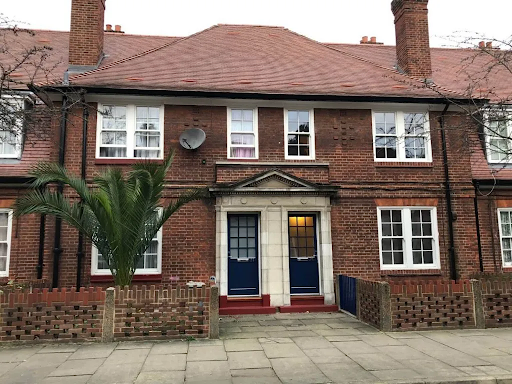
Period homes boast distinctive character, from tall ceilings and sash windows to exposed timber beams and original fireplaces. Preserving these features while improving winter comfort often requires a careful balance between authenticity and practical updates. Core strategies focus on reducing drafts, optimizing lighting, and enriching interiors with textiles and finishes that echo the home’s historic character. By weaving modern efficiency with period-appropriate aesthetics, homeowners can create a cosier living environment without sacrificing the home’s intrinsic charm.
At the heart of a cosier winter home lies temperature stability. Traditional construction methods in period houses—thick walls, single-glazed or draft-prone windows, and uneven floors—can lead to heat loss. Complementary upgrades that respect the building’s fabric are essential. These include targeted insulation, draught-proofing, and thoughtful window treatments that preserve exterior appearance while improving comfort. Equally important are soft furnishings: layered textiles, warm color palettes, and tactile surfaces that invite lingering in living spaces. Lighting plays a pivotal role, with a mix of ambient, task, and accent lighting that provides warmth and depth regardless of the season.
This article explores practical, respectful approaches to enhance cosiness in a period home during winter. It outlines actionable steps—ranging from structural considerations to interior styling—that maintain historical integrity while delivering modern-day comfort. The goal is to help readers enjoy a warmer, more inviting home without compromising the architectural features that define a period property.
In-Depth Analysis
Cosiness in a period home emerges from a multi-faceted approach that respects both the building’s architectural language and the practical needs of winter living. The following areas deserve careful attention:
1) Insulation and Draft-Proofing
– Period homes frequently suffer from uneven heat distribution due to large door thresholds, sash windows, and older wall constructions. Reducing heat loss begins with identifying cold spots and draft sources, particularly around windows and doors.
– Era-appropriate insulation options include cavity wall insulation where feasible, loft insulation, and under-floor insulation in accessible areas. When considering wall insulation, assess the likelihood of dampness and masonry movement; sometimes external insulation with breathable materials is preferable to internal options, preserving interior space and plasterwork.
– Draft-proofing can substantially improve comfort. Weatherstripping, door sweeps, and quality secondary glazing for vulnerable windows can drastically cut drafts while maintaining external appearance. If double glazing is not possible on original sashes, consider secondary glazing with slim profiles to minimize visual impact.
2) Windows and Natural Light
– Windows define a period home’s exterior and interior character. While replacing original windows can compromise authenticity, modern solutions can improve performance. Secondary glazing, high-performance curtains, or Roman blinds in period fabrics can enhance warmth without altering the window’s exterior silhouette.
– Maximizing daylight in winter improves mood and reduces artificial heating needs. Consider reflective paints, lighter interior walls in strategic rooms, and corridor lighting to magnify natural light. In rooms dominated by low light, place mirrors opposite windows to bounce daylight deeper into the space.
3) Heating Strategy
– Central heating should be efficient and controllable. If radiators are not in ideal condition, consider upgrading to modern, efficient radiators that fit the original room geometry and do not overwhelm the space visually.
– Radiant heat options, such as underfloor heating, offer even warmth but must be planned with care to avoid damaging historic floors or damp issues. For many period homes, a combination of efficient radiators and targeted underfloor zones in living areas can provide consistent warmth.
– Zonal heating allows different parts of the house to be heated according to use, reducing energy waste. A programmable thermostat and smart controls help maintain comfort without excessive energy consumption.
4) Building Fabric and Damp Control
– Period homes may have damp-related challenges stemming from historical ventilation patterns and moisture ingress. Regular maintenance of damp-proofing measures, gutters, and drainage is vital.
– Breathable, moisture-managing wall coverings (lime plaster, breathable wallpapers) help regulate humidity and preserve plasterwork. Avoid non-breathable modern finishes in damp-prone areas to prevent trapped moisture.
5) Textiles, Colours, and Surfaces
– Textiles contribute significantly to perceived warmth. Layering throws,—wool, linen, and cotton—adds physical warmth and visual richness. Choose textiles with period-appropriate textures such as tartans, damasks, herringbone, and jacquards that echo historical aesthetics.
– Warm color palettes play a role in comfort.Earthy tones, deep greens, warm neutrals, and rich reds can create a snug atmosphere while aligning with period style. Balance bold hues with lighter shades to maintain a balanced, breathable space.
– Surfaces such as timber floors, tiled hearths, and fireplace surrounds are central to period character. Restorations should honor original materials where feasible. If restoring a fireplace, ensure safe, code-compliant operation and consider modern, efficient, vented fireplaces that respect the room’s proportions.
6) Lighting Design
– Winter interiors benefit from layered lighting: ambient, task, and accent lighting. A combination of ceiling luminaires, wall sconces, and table lamps can create warmth and depth.
– Light temperature matters: warm white (approximately 2700–3000 Kelvin) evokes cosiness and complements traditional materials. Dimmer switches allow for flexible mood control during long winter evenings.
– Highlighting architectural details—fireplaces, timber beams, and plasterwork—with subtle accent lighting enhances the period feel while maintaining practicality.
7) Furnishings and Layout
– Furniture should be comfortable, proportionate to rooms, and mindful of the space’s original layout. Overly heavy or modern-heavy pieces can clash with historic features. Instead, seek a balance between period-inspired silhouettes and modern comfort.
– Soft seating around the fireplace or a focal seating area invites gatherings and warmth. Arrange seating to maximize warmth from radiators and fireplaces while preserving clear circulation.
8) Fireplaces and Hearths
– A well-maintained fireplace remains a central feature in many period homes. If a working fireplace is present, ensure proper flue operation, chimney maintenance, and safe clearance around hearth materials.
– If a real fire isn’t feasible, consider gas or ethanol alternatives with tasteful hearth surrounds that maintain proportion and fire features without excessive emissions.

*圖片來源:Unsplash*
9) Storage and Clutter Management
– Winter storage solutions help keep spaces tidy and functional. Closed storage with soft-close mechanisms reduces visual clutter and contributes to a calmer interior.
– Use woven baskets, wooden chests, and cabinetry that reflect the period’s materials and craftsmanship for both form and function.
10) Outdoor Connections
– The transition from outdoors to indoors matters in winter. Exterior doors with reliable weather seals, porch canopies, and entry mats help keep cold air out and warmth inside.
– A small, sheltered outdoor seating area with appropriate wind protection can extend living space during milder winter days and encourage use of the garden.
By integrating these elements thoughtfully, homeowners can achieve a cosier winter environment that respects the integrity of a period home. The key lies in prioritizing energy efficiency and comfort while preserving characteristic architectural features and materials.
Perspectives and Impact
The pursuit of cosiness in a period home intersects with broader considerations, including energy efficiency, heritage conservation, and modern living standards. Several trends and implications emerge:
- Preservation vs. Upgrades: The need to maintain authenticity often clashes with the desire for modern comfort. Thoughtful upgrades that are reversible or designed to minimize alteration of original fabric are increasingly favored. For example, secondary glazing preserves appearance while improving thermal performance, and breathable wall finishes help manage moisture without compromising heritage features.
- Energy Efficiency as Equity: Well-insulated period homes are valuable not only for comfort but also for long-term energy cost savings and carbon footprint reduction. As energy prices and climate concerns persist, improving efficiency without erasing character can be seen as a form of heritage stewardship combined with practical living.
- Materials and Craftsmanship: Restoring or preserving original materials supports traditional crafts and local supply chains. Engaging specialists who understand historic building methods ensures that interventions are appropriate and durable.
- Adaptation for Modern Lifestyles: The layout and room function in period houses often differ from contemporary needs. Subtle reconfigurations, such as creating flexible living spaces with careful alignment to existing features (stairs, fireplaces, window walls), can enhance usability while preserving character.
- Maintenance Demands: Period homes require ongoing maintenance, including monitoring damp, plaster stabilization, and timber preservation. A proactive maintenance plan helps protect against costly damage and preserves value over time.
- Health and Comfort: A cosier home is not just about warmth; humidity control, air quality, and lighting quality contribute to overall wellbeing. Modern ventilation strategies that respect historic fabric can improve indoor environments without compromising aesthetics.
Looking ahead, homeowners and preservationists may increasingly collaborate with architects, builders, and conservators to develop integrative solutions. Innovations in breathable insulation, retrofit-compatible glazing, and heritage-compatible smart controls could further enhance comfort while honoring the home’s period identity.
Key Takeaways
Main Points:
– Balance preservation with modern comfort through targeted, reversible upgrades.
– Prioritize draft-proofing, insulation, and controlled lighting to boost cosiness.
– Use textiles, color, and period-appropriate furnishings to create warmth without compromising character.
Areas of Concern:
– Risk of dampness if insulation and ventilation are misapplied.
– Potential loss of original features from poorly planned upgrades.
– Budget constraints and ongoing maintenance requirements.
Summary and Recommendations
To make a period home feel cosier in winter while preserving its architectural value, start with a comprehensive assessment of thermal performance and moisture management. Implement targeted improvements that respect the building’s fabric: consider secondary glazing for windows, draught-proofing measures, and breathable insulation where appropriate. Layer warmth with textiles, warm lighting, and carefully chosen furniture that complements the period style. Prioritize safe, efficient heating solutions that provide even warmth across spaces and allow for zone-controlled comfort. Where feasible, consult heritage specialists to ensure interventions align with conservation best practices and local regulations. By combining structural mindfulness with thoughtful interior styling, you can enjoy a warmer, more inviting period home without sacrificing its historic charm.
References
- Original: https://abeautifulspace.co.uk/how-to-make-a-period-home-feel-cosier-in-winter/
- Additional references:
- Historic England. Guidance on improving energy efficiency in historic buildings.
- English Heritage. Conservation principles for furnishings and interiors in period homes.
- Building Research Establishment (BRE). Guidelines for breathable insulation and damp control in older properties.
Forbidden:
– No thinking process or “Thinking…” markers
– Article starts with “## TLDR”

*圖片來源:Unsplash*