TLDR
• Core Points: Five PCH variants (Z990, Z970, W980, Q970, B960) expected for Intel 900-series Nova Lake; next-gen LGA 1954 motherboards launching with Nova Lake-S this year; chipsets differ in multiple features.
• Main Content: Nova Lake’s 900-series chipsets diversify by platform positioning and connectivity; details suggest broader PCIe, USB, and power management differences across variants.
• Key Insights: The lineup indicates Intel’s strategy to address high-end desktop, workstations, workstations-lite, and value segments with differentiated I/O and scaling.
• Considerations: Leaks imply ongoing changes before formal disclosure; real-world specs may vary; platform compatibility with upcoming CPUs remains critical.
• Recommended Actions: Monitor official Intel announcements for confirmation; evaluate motherboard options once specs are finalized; plan builds around the appropriate Z, W, Q, or B variant.
Product Specifications & Ratings (Product Reviews Only)
Not applicable here.
Content Overview
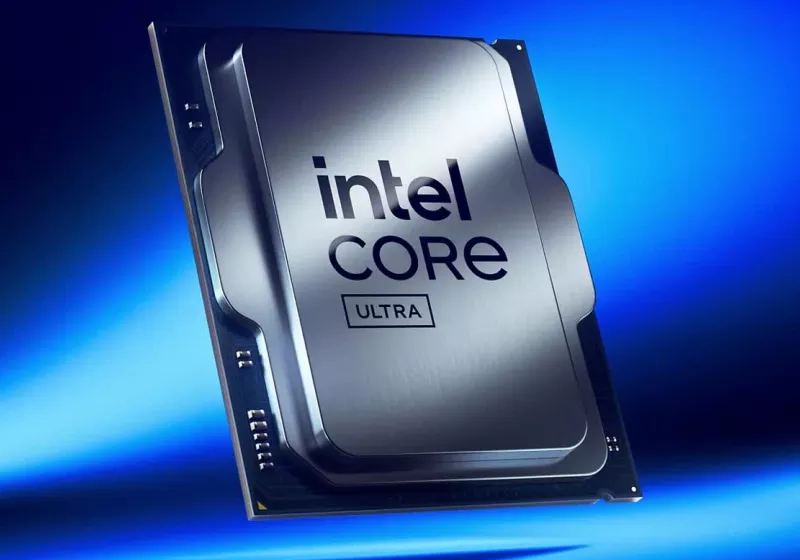
The tech-press ecosystem has started painting a clearer (albeit still partially speculative) picture of Intel’s upcoming 900-series chipset family, code-named Nova Lake. According to a tipster identified as Jaykihn, Intel’s forthcoming platform will expand to include five Platform Controller Hub (PCH) variants: Z990, Z970, W980, Q970, and B960. These would be paired with next-generation LGA 1954 socket motherboards and align with the broader Nova Lake-S family slated for release later this year. The reported variations among these chipsets touch on several key dimensions, including the number of lanes, USB support, PCIe configurations, and likely power delivery and pricing tiers, enabling Intel to tailor solutions across enthusiast, workstation, and mainstream markets.
The potential proliferation of PCH SKUs is not unusual for Intel’s high-end desktop (HED) and workstation families, as it allows the company to more precisely match I/O capabilities and platform power envelopes to customer needs. However, as with all leaks, the specifics should be treated cautiously until Intel provides official specifications and validation. The following analysis synthesizes what is currently known, discusses plausible implications for motherboard design and system builders, and outlines what enthusiasts and professionals might expect as Nova Lake approaches launch.
Nova Lake is positioned as Intel’s successor to prior 600-series/700-series platform generations, riding a wave of architectural and manufacturing shifts to support higher bandwidths, improved input/output, and scalable features for a broad spectrum of desktop and professional workloads. If the five-PCH strategy holds, users could anticipate distinct tiers: premium (Z-series), workstation-focused (W-series), enterprise-capable (Q-series), and value-oriented (B-series), with the Z990 likely representing the top tier of performance and connectivity while B960 would cater to mainstream builds with essential features.
This article distills the current leak-based picture, explains how the PCH variations might translate into real-world motherboard configurations, and examines the potential impact on the market, including platform longevity, upgrade paths, and overall ecosystem support.
In-Depth Analysis
The reported lineup for Intel’s 900-series Nova Lake chipset family comprises five PCH variants: Z990, Z970, W980, Q970, and B960. The naming convention suggests a tiered approach similar to prior generations, where “Z” designators typically correspond to high-end desktop or enthusiast-grade boards with robust I/O and overclocking capabilities; “W” components are commonly associated with workstation-oriented features and reliability; “Q” denotes more business- or enterprise-focused capabilities; and “B” indicates a more value-oriented option with a balanced feature set.
Platform integration on LGA 1954 motherboards implies a shift in motherboard form factors and socket compatibility across Nova Lake-S systems. The LGA 1954 socket has historically served mid-to-upper-range desktop platforms, and its pairing with a Nova Lake generation signals continued emphasis on PCIe bandwidth expansion, improved memory subsystem support, and enhanced peripheral connectivity. The exact socket-to-PCH interconnects, including PCIe lanes carried by the chipset (often referred to as DMI/Direct Media Interface in Intel parlance, and PCIe via the chipset), will shape motherboard lane distribution among CPU-connected PCIe slots, M.2/NVMe storage, and chipset-integrated connectivity such as USB, SATA, and Ethernet.
Key unknowns that leaks often leave ambiguous include the total number of PCIe lanes supplied by each PCH variant, whether PCIe 5.0 or PCIe 4.0 is the predominant standard, and how many USB 3.x/USB4-capable ports each chipset will expose. It is common for higher-end variants to offer greater PCIe lane counts, more USB ports, and expanded I/O hubs (e.g., more SATA ports, dual 10GbE or 2.5GbE networking options, and enhanced display interfaces). The W980, given its workstation designation, might emphasize reliability features such as ECC memory support at the chipset level, enhanced RAID capabilities, or more robust power delivery and thermal management for sustained workloads. The B960, in contrast, may provide a more economical configuration with essential PCIe lanes and modest USB and networking features to appeal to mainstream builders and system integrators.
Another important aspect is timing. If Nova Lake-S is launching later this year, the 900-series PCH variants would be released in lockstep with new CPUs designed to exploit their architectural enhancements. Intel’s cadence often includes a new CPU microarchitecture paired with a chipset refresh, ensuring platform-wide improvements in I/O throughput, memory bandwidth, and compatibility with next-gen storage and networking technologies. The interplay between CPU generation and chipset capabilities will be critical for end-users planning future-proof builds, particularly for tasks such as content creation, software development, 3D rendering, multi-threaded workloads, and enterprise-grade workloads.
From a motherboard design perspective, a broader PCH family invites manufacturers to delineate product tiers more clearly. Z-series boards could feature premium VRMs, robust cooling solutions, multiple PCIe x16 slots, extensive M.2 NVMe options (potentially with PCIe 4.0 or 5.0 support), and advanced networking features (multi-port 2.5GbE, 10GbE, or Thunderbolt). W-series boards might prioritize stability and professional features, offering dual BIOS, high-precision PWM control for cooling efficiency, enterprise-grade Ethernet, and durable components. Q-series boards would likely emphasize security features, remote management capabilities, and business-oriented I/O configurations. B-series boards would deliver essential connectivity with a compelling price-to-performance ratio for mainstream users who want solid performance without premium extras.
It is essential to approach these leaks with a critical eye. Historically, pre-release disclosures can omit critical details or present optimistic specifications that change before product launch. Real-world performance will hinge on the actual CPU-to-PCH interconnect design, the final PCIe lane allocations, memory subsystem improvements, and the motherboard’s power delivery architecture. In addition, the evolution of standards such as PCIe, USB, and display interfaces will influence how Nova Lake’s chipsets are received by enthusiasts and professionals.
Market implications of a five-variant PCH lineup extend beyond raw feature sets. A broader portfolio provides Intel with more options to address different budget segments, which can help reduce market fragmentation and simplify purchasing decisions for system builders. It could also intensify competition with rival platforms, particularly AMD, which has offered multiple chipset configurations and tiered platforms for years. If Nova Lake’s 900-series chipsets deliver meaningful improvements in bandwidth, peripheral support, and reliability, they could reinvigorate platform updates across desktop and workstation segments.
The timing and specifics of Nova Lake’s integrated features will influence early-adopter decisions. For enthusiasts seeking maximum performance, the Z990 with superior I/O and PCIe lane assignments could be compelling. For professional content creators and engineers, the W980 or Q970 might deliver the balance of stability, security, and connectivity needed for demanding workloads. For mainstream users, the B960 could offer a compelling upgrade path with modern I/O and storage capabilities at a lower price point than its higher-tier siblings.
As always with chipset-heavy platforms, motherboard manufacturers will likely reveal full feature sets, layout options, and BCLK/uncore tuning capabilities closer to launch. Early motherboard previews may indicate how the PCH variants allocate PCIe lanes between CPU-attached slots and chipset-connected devices, how many M.2 slots are supported, what the maximum number of USB ports and SATA ports will be, and whether new features such as onboard Thunderbolt, integrated AI accelerators, or enhanced hardware security modules will be part of the package.

*圖片來源:Unsplash*
Overall, the Nova Lake 900-series PCH family represents Intel’s continued strategy toward differentiated platform tiers, enabling a wider array of system configurations while consolidating product families around a unified platform. The true impact will depend on final specifications, motherboard implementations, and consumer reception once official specifications are published and devices begin shipping.
Perspectives and Impact
The potential introduction of five distinct PCH variants under the Nova Lake umbrella could have several meaningful ramifications for the industry and for end-users. A multi-tier chipset approach enables Intel to more precisely align product features with use cases, which can reduce overkill for some buyers and under-specification for others. For enthusiasts, the Z990 becomes a focal point for high-performance builds that demand the maximum possible PCIe bandwidth and expansive I/O. For professionals who rely on long-term stability and enterprise-grade features, the W980 or Q970 might deliver necessary reliability, security, and management capabilities. For mainstream consumers, the B960 could provide modern connectivity and storage options at a more accessible price point.
The plan to introduce Nova Lake on LGA 1954 motherboards suggests continued support for motherboards that are not in the latest Extreme or premium segments but still offer robust I/O, PCIe expansion, and storage options. This approach can help maintain ecosystem parity for users upgrading from earlier generations who want a tangible upgrade path without migrating to the most expensive boards or CPUs. It also supports a gradual transition as more users move to newer CPUs and platforms, ensuring broader compatibility with existing peripherals and storage devices.
From a system integration perspective, motherboard manufacturers will need to optimize BOMs, electrical designs, and thermal solutions to accommodate the varying power requirements and I/O profiles of the five PCH variants. The presence of higher-end variants with more PCIe lanes and advanced features may necessitate more sophisticated cooling and more capable voltage regulation modules (VRMs) on Z990 and W980 boards, while B960 boards may emphasize cost efficiency and compact designs. These design choices can influence pricing, availability, and the overall attractiveness of different platform configurations to different segments of the market.
Looking forward, Nova Lake’s 900-series deltas could influence software ecosystems and driver development. More complex chipsets with expanded I/O features require mature firmware and driver support to unlock their full potential. Intel’s software stack, including management utilities and security features, will play a critical role in enabling these capabilities as part of the platform’s long-term viability. This is especially true for enterprise-focused SKUs like Q970 and W980, where remote management, reliability, and security features are prioritized.
Finally, the release cadence and the reception of Nova Lake will shape Intel’s competitive posture. If the 900-series chipsets deliver clear advantages in bandwidth, latency, and peripheral support, they could pull ahead in segments where PCIe expansion and hardware-level reliability are critical. Conversely, if rival platforms offer more compelling total-cost-of-ownership or more mature software ecosystems, Intel will need to respond with price adjustments, feature refinements, or accelerated roadmap updates.
In sum, the five-variant Nova Lake PCH strategy signals Intel’s intent to broaden its desktop and workstation platform horizons, offering users more tailored choices while striving to maintain performance leadership. The actual value will depend on how these chipsets perform in real-world workloads, how motherboard partners implement their boards, and how software and drivers mature to exploit the enhanced capabilities.
Key Takeaways
Main Points:
– Intel reportedly plans five PCH variants for the 900-series Nova Lake: Z990, Z970, W980, Q970, B960.
– These chipsets are expected to support next-gen LGA 1954 motherboards and pair with Nova Lake-S later this year.
– Differences across variants likely include PCIe lane allocations, USB/I/O capabilities, and targeted market segments.
Areas of Concern:
– Official specifications and performance claims remain unconfirmed.
– The exact CPU-to-PCH interconnect details and PCIe lane distributions are unknown.
– Availability, pricing, and real-world performance will determine actual platform attractiveness.
Summary and Recommendations
The alleged five-variant 900-series Nova Lake chipsets—Z990, Z970, W980, Q970, and B960—illustrate Intel’s strategy to provide differentiated platform options across enthusiast, workstation, enterprise, and mainstream markets. By aligning these PCH variants with LGA 1954 motherboards and a Nova Lake-S CPU lineup launching later in the year, Intel could offer scalable I/O, bandwidth, and feature sets that better match diverse workloads and budgets. However, given that the information stems from a leak, it is essential to await official disclosures for precise specifications, including PCIe lane counts, USB and networking capabilities, memory support, and overclocking or reliability features.
For consumers and builders, the prudent approach is to remain patient until Intel confirms the full suite of specifications and performance metrics. When official details arrive, evaluate motherboard options by considering:
– The required PCIe lane budget for GPUs, NVMe storage, and expansion cards.
– Networking needs (e.g., multiple Ethernet ports, PCIe-based adapters, or Thunderbolt support).
– Memory subsystem capabilities and any ECC or stability features relevant to professional workloads.
– Cooling and power delivery, particularly for Z990 and W980 boards designed for sustained performance.
– Total cost of ownership, factoring in CPU, motherboard, RAM, and required peripherals.
As Nova Lake approaches, expect a flurry of official previews, motherboard shortlists, and early benchmarks from OEM partners. These disclosures will clarify how the 900-series PCH variants stack up against competing platforms and whether Intel’s multi-tier strategy delivers meaningful advantages for different user cohorts. Until then, the five-variant Nova Lake concept remains an intriguing glimpse into Intel’s platform planning for the near future.
References
- Original: https://www.techspot.com/news/111254-massive-leak-details-intel-900-series-nova-lake.html
- Additional context on past Intel chipset tiering and platform design considerations (general industry references)
- Industry analyses on platform differentiation and motherboard ecosystem implications
Forbidden:
– No thinking process or “Thinking…” markers
– Article starts with “## TLDR”

*圖片來源:Unsplash*