TLDR
• Core Points: IShowSpeed interacts on Omegle; a snoring Mongolian girl scene goes viral, fueling debates on consent, humor, and online behavior.
• Main Content: The incident sparked widespread meme culture, media coverage, and discussions about platform safety and creator responsibility.
• Key Insights: Online humor can quickly cross lines; context and consent matter; virality reshapes public perception of content creators.
• Considerations: Audience expectations, platform guidelines, potential harm to non-consenting participants, and the ethics of reaction content.
• Recommended Actions: Content creators should consider consent, framing, and sensitivity; platforms might reinforce safety measures; viewers benefit from critical consumption.
Content Overview
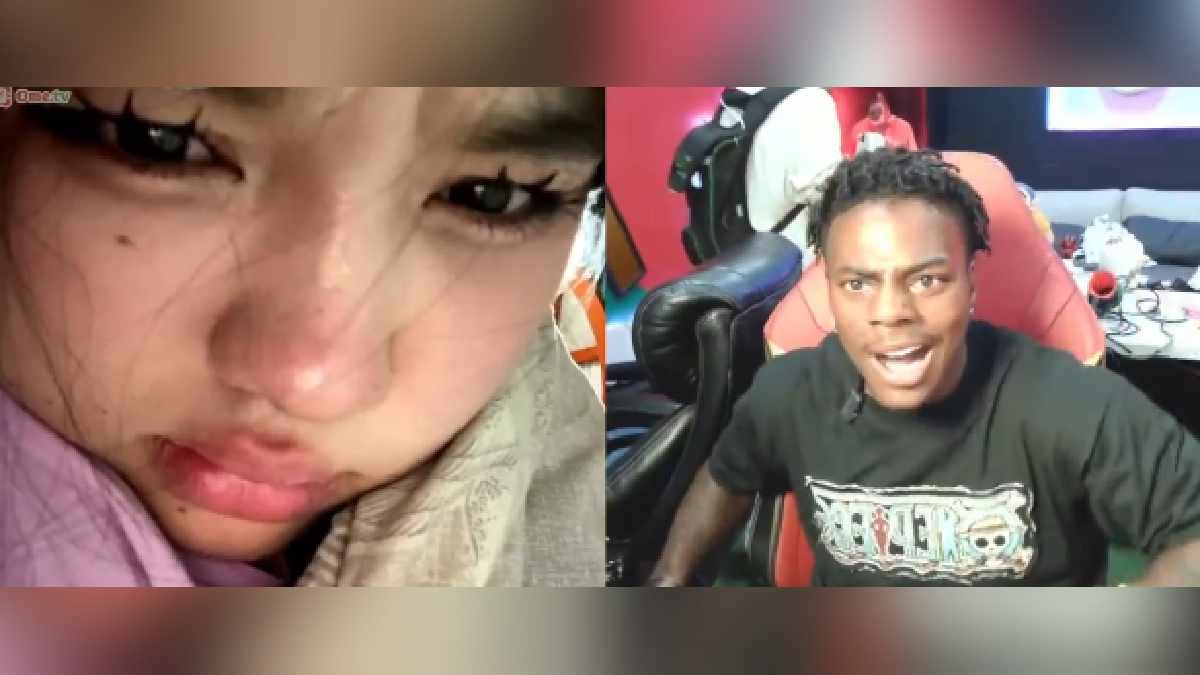
The incident at the center of this article involves a popular content creator known for streaming personality and meme-driven clips who participated in a quick, on-the-spot interaction on Omegle. Omegle is a platform that pairs strangers for text or video conversations, often generating material for creators who mine spontaneous behavior for comedic or dramatic effect. In this particular moment, the creator’s approach to the conversation, combined with the reaction of a sleeping participant—a young woman from Mongolia—became a focal point for a broader discussion about the boundaries of humor, consent, and the responsibilities that come with viral content.
Initially, the clip circulated on social media and quickly spread across multiple platforms. Viewers were drawn by the juxtaposition of boyish bravado, unexpected interruptions, and the stark contrast between an intense, high-energy creator and a peaceful, sleeping participant. The moment’s ambiguity—whether the interaction was playful or invasive—led to a spectrum of interpretations. Supporters argued that the clip captured a spontaneous moment that reflects online culture, while critics asserted that waking someone who is asleep crosses ethical lines and risks exploiting a non-consenting person for entertainment.
As the video gained traction, it entered the meme ecosystem. Memes, reactions, and side-by-side edits proliferated, with communities debating the implications of using real people’s candid moments for humor. The situation highlighted the tension between creators’ instinct to entertain and audiences’ evolving expectations around consent, respect, and the potential harms of online pranks. The episode also prompted broader conversations about platform safety, the responsibilities of content producers, and how audiences should engage with viral material that involves private individuals.
This article synthesizes the available information, frames it within the context of ongoing discussions about online ethics and meme culture, and considers the potential implications for creators, platforms, and viewers.
In-Depth Analysis
The event under review centers on a moment from a streaming personality whose content routinely relies on rapid-fire interactions with strangers and audience-friendly antics. Omegle serves as a laboratory for real-time reactions, where participants often confront unexpected prompts or interruptions. In this instance, the creator initiated a segment that involved engaging with a sleeping participant during a live or semi-live exchange. The result was a clip that some interpreted as playful mischief, while others perceived it as intrusive behavior that disrespects a person’s personal boundaries.
From a media studies perspective, the clip illustrates several key dynamics of modern internet culture:
– Spontaneity versus planning: The on-demand nature of Omegle exchanges means moments can be unpredictable. For a creator accustomed to scripted or heavily edited content, unscripted interruptions can be both a source of humor and a vulnerability.
– Consent and depiction: Even though the participant’s consent is not explicitly visible in a short clip, the broader question becomes: to what extent is a sleeping individual’s presence in a public or semi-public space fair game for monetized entertainment? The line between “public behavior” and “privacy rights” can be blurred on platforms that reward sensational, high-engagement content.
– The ethics of humor: Humor often relies on discomfort, surprise, or subversion of social norms. However, humor that targets a sleeping person introduces a risk of inadvertent harm or offense, particularly when viewers interpret the action as disrespectful or exploitative.
– Memetic acceleration: Once a moment enters the meme ecosystem, it can evolve rapidly. Variations, captions, and remix formats amplify reach but can also distort original intent, making it difficult to trace the initial context.
It’s important to note that the video’s reception diverged among audiences. Some viewers saw a playful, unintentional moment that reflected the impulsive nature of online content creation. Others argued that the act crossed a line, normalizing behavior that can be interpreted as harassment or lack of consent. This dichotomy is not unique to this particular incident; similar debates have repeatedly emerged around prank culture and reaction content on platforms where virality can be rapid and far-reaching.
The aftermath included a flurry of online discourse, with many content creators and commentators weighing in on the responsibilities that come with a large following. Proponents of stricter norms argued for explicit consent and clearer boundaries in easy-to-share formats like Omegle videos, while opponents often claimed that the entertainment value and authenticity of unscripted moments should be preserved, even if they feel uncomfortable to some viewers.
The incident also drew attention to the role of non-symmetric power dynamics in online content. A widely followed creator holds substantial influence, which can shape audience perceptions and set behavioral expectations. In this environment, viewers may anticipate similar energy levels, stunts, or shock-based humor in future posts. Critics warn that this can create a cycle in which creators feel compelled to push boundaries further, potentially leading to increasingly controversial or harmful content.
From a platform governance standpoint, the episode reignites conversations about safety features, user reporting mechanisms, and how platforms handle content that involves non-consenting individuals or sensitive situations. While Omegle is designed for anonymity and spontaneity, it also raises questions about moderation, content labeling, and the duty of creators to consider the broader impact of their clips when sharing with large audiences.
It is worth acknowledging that viral moments often outpace the ability of platforms to respond quickly with nuanced policies. When a clip spreads, the surrounding dialogue—whether it’s praise, outrage, or satire—can influence how audiences interpret the action and whether the content remains a defining example of a trend or fades into obscurity. The long-term effects on the participants, the creator’s reputation, and future collaborations are difficult to quantify but are tangible in shaping public perception.
The broader implication for audiences is that online humor, while appealing for its immediacy, has a potential cost. Viewers are reminded of the responsibility that accompanies silent or non-consenting moments captured in real time. The incident serves as a case study for how a single video can become a flashpoint for discussions about consent, respect, and the ethics of monetizing everyday interactions in public or semi-public digital spaces.

*圖片來源:description_html*
Perspectives and Impact
For creators: The incident underscores the need for clear boundaries when engaging with strangers on platforms that encourage spontaneity. It prompts creators to consider whether a moment is inherently entertaining or whether it exploits someone’s vulnerability. The ongoing debate emphasizes a balance between authenticity and respect for participants.
For platforms: The episode highlights gaps in safety measures and content labeling, especially for formats that blend public content with personal vulnerability. It raises questions about how to classify, demote, or provide context to content featuring non-consenting participants and how moderation policies adapt to fast-moving memes.
For audiences: Viewers are invited to reflect on how they engage with viral content. Memes can celebrate ingenuity and humor while also normalizing behavior that may cause harm. The incident encourages critical consumption, encouraging audiences to consider consent, context, and the potential impact on real people.
For non-consenting participants: The episode brings attention to the vulnerability of individuals who participate in online recordings, often without full awareness of how the footage might be used. It underscores the importance of consent, even in informal or spontaneous settings, and the potential for lasting reputational effects from a single moment captured on camera.
For the broader internet culture: The moment is part of a larger pattern in which viral clips catalyze discussions about the ethics of pranks, the responsibilities of influencers, and the evolving definitions of humor in a world of rapid content-sharing. It contributes to ongoing debates about where to draw the line between entertainment and exploitation.
Future implications include a possible shift toward more explicit consent cues in spontaneous content, greater scrutiny of how platforms support creators in obtaining or signaling consent, and a broader cultural shift toward empathetic engagement with strangers online. It may also influence sponsorship and collaboration decisions, as brands seek alignment with content that balances humor with responsibility.
Key Takeaways
Main Points:
– Spontaneous online interactions can quickly become controversial when non-consenting participants are involved.
– Memes amplify both the humor and the ethical questions surrounding pranks and reaction content.
– Creator responsibility and platform policies are increasingly under scrutiny as audiences demand more respect and clarity.
Areas of Concern:
– Consent and boundary-setting in fast-paced, unscripted formats.
– Potential harm to individuals depicted in viral content, including reputational risk.
– The tension between authentic, impulsive humor and respectful online conduct.
Summary and Recommendations
The Omegle moment featuring IShowSpeed has become a focal point for broader conversations about consent, humor, and responsibility in online content creation. While spontaneity and edgy humor can drive engagement and virality, there is a growing expectation that creators acknowledge the potential harm to non-consenting participants and the individuals who appear in their videos. This incident serves as a reminder that fast-moving meme culture operates within a social and ethical framework that increasingly prioritizes consent, respectful portrayal, and accountability.
For creators, a practical approach involves establishing clear personal boundaries for live or semi-live content, seeking explicit consent when feasible, and considering the potential impact on anyone depicted. Context matters, and framing is critical: providing respectful narration, avoiding demeaning captions, and offering space to address any concerns after posting can mitigate harm and support constructive dialogue.
Platforms may respond by refining consent indicators, improving moderation for prank-oriented or reaction content, and promoting educational resources that help creators navigate ethical considerations. For audiences, cultivating critical media literacy—recognizing the difference between entertainment value and potential harm—can support healthier engagement with viral material.
In the end, the balance between authenticity, humor, and respect will continue to shape how viral content evolves. As online communities mature, they may reward creators who combine creativity with responsibility, fostering a culture where spontaneous moments can be entertaining without compromising the dignity and rights of real people.
References
- Original: in.mashable.com
- [Add 2-3 relevant reference links based on article content]

*圖片來源:Unsplash*