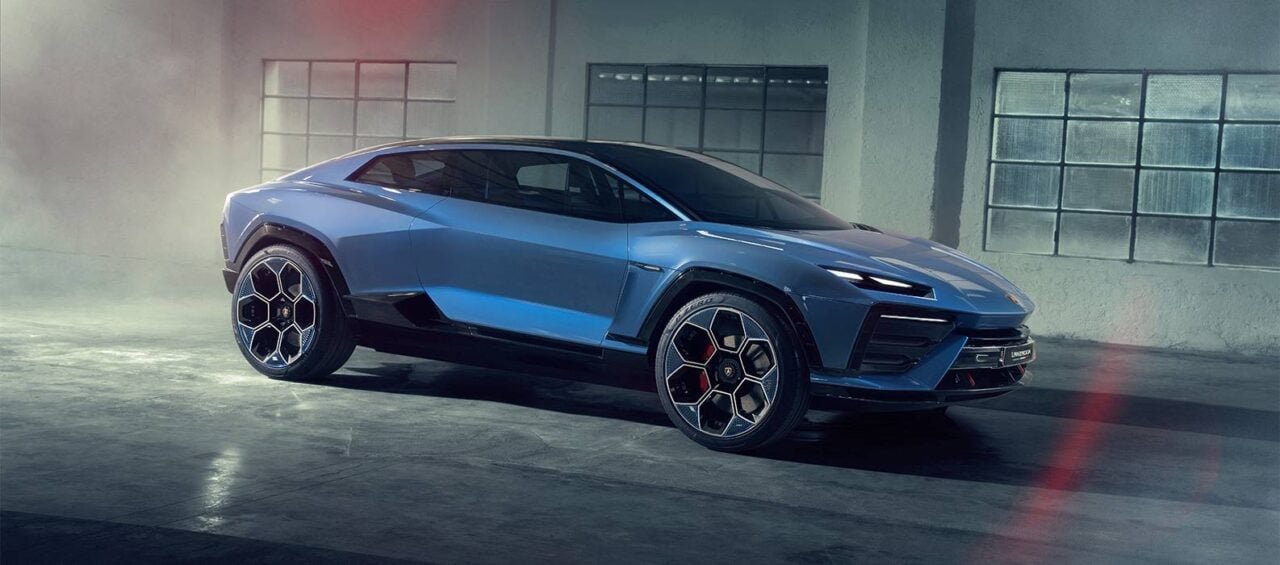
TLDR
• Core Points: Lamborghini planned an electric vehicle strategy for years but canceled the project, citing the current EV form’s inability to deliver the brand’s demanded emotional connection.
• Main Content: The luxury automaker concluded that existing EV technology fails to meet its criteria for an exceptional, emotionally engaging driving experience.
• Key Insights: The decision underscores a tension between premium supercar expectations and mainstream EV development, highlighting a potential shift in strategy for high-performance brands.
• Considerations: The move raises questions about how such brands will balance performance, sound, feel, and user experience in an era of electrification.
• Recommended Actions: Monitor Lamborghini’s future approach to electrification, including potential hybrid innovations, new propulsion concepts, or alternative performance technologies that preserve brand identity.
Content Overview
Lamborghini has long emphasized an “emotional connection” as a core attribute of its cars. In recent years, the automaker explored electrification as part of a broader plan to transition away from internal combustion engines while preserving the distinctive sensory and dynamic qualities that define the brand. However, after evaluating multiple EV concepts and prototypes, Lamborghini concluded that the current generation of electric vehicles, in its benchmarks and design philosophy, does not deliver the kind of visceral, driver-centric experience that fans expect from a Lamborghini. As a result, the company has decided to cancel its planned EV program in its existing form.
This development reflects a broader industry debate: can high-performance, luxury sports cars retain their signature appeal in an era where many manufacturers are aggressively pursuing battery-powered propulsion? Lamborghini’s stance suggests a measured approach: not all electrification paths are compatible with the brand’s distinctive identity, and the company is prioritizing a compelling emotional connection over a rapid pivot to electric power.
The decision does not necessarily mean the end of electrification for Lamborghini. It signals a pause or reevaluation that could lead to an alternative path—potentially involving hybrid systems, new propulsion concepts, or carefully designed electric technology that aligns with the brand’s ethos. In the background, other high-performance brands are testing methods to preserve sound, feel, and engagement while delivering improved efficiency and performance. Lamborghini’s experience contributes to the ongoing conversation about how to reconcile premium branding with the practical and performance demands of electrification.
In-Depth Analysis
Lamborghini’s core philosophy centers on creating a strong emotional bond between the car and the driver. Driving a Lamborghini, according to brand messaging, is not solely about top speed or acceleration; it’s about an immersive experience characterized by a distinctive engine note, tactile feedback, and a certain immediacy of response that resonates with enthusiasts. This emphasis on sensory and emotional attributes shapes how the company evaluates new propulsion technologies.
Over the past several years, Lamborghini actively studied electric propulsion, kinetic energy recovery, battery placement, weight distribution, and chassis tuning to understand how an EV could fit within the brand’s performance envelope. The company reportedly conducted extensive tests and simulations to assess practical issues such as weight, charging infrastructure, thermal management, and the dynamic behavior of heavy battery packs at the limit of performance. Despite progress in many technical areas, executives concluded that current EV forms fail to deliver the “specific emotional connection” the brand requires.
Several factors factor into this determination:
Sound and Feel: A defining trait of Lamborghini is the audible and tactile character of combustion engines. Electric motors offer different acoustic profiles, and while manufacturers can simulate sounds, many purists feel the resonance and emotional impact aren’t the same as natural combustion or meticulously engineered acoustic experiences. The rough equivalence of “engine drama” is harder to reproduce in an electric platform without sacrificing the brand’s identity.
Weight and Proportionality: EVs rely on heavy battery packs. For a brand whose performance identity includes razor-sharp handling and a particular relationship between seat-to-wheel dynamics and mass distribution, the added weight of batteries can complicate chassis tuning and cornering immediacy. Although technology exists to mitigate weight through materials and design, achieving the same feedback characteristics as a petrol-powered Lamborghini remains challenging.
Throttle and Transmission Feel: Lamborghini’s performance ethos has historically been tied to rapid, direct throttle response and transmission behavior, often varying in a way that rewards driver input. Electric powertrains offer instant torque, but the lack of traditional gears or the absence of a certain mechanical cadence can disrupt the expected driving narrative for enthusiasts.
Sound Engineering: Some brands go to great lengths to recreate or enhance exhaust tones electronically or mechanically. For a company whose ritual includes the exhausts and the soundscape of a Ferrari-style engine, the engineering challenge of delivering a compelling electric soundscape is non-trivial and can be controversial among purists.
Emotional Feedback vs. Efficiency Targets: EVs generally optimize for efficiency, range, and fast charging performance. Balancing these objectives with the emotional engagement Lamborghini aims to deliver creates tensions in product planning, particularly for a limited-production brand with high-performance expectations.
Given these considerations, Lamborghini reportedly concluded that pursuing an electric-first strategy as conceived at the time would not meet the emotional criteria central to the brand. The decision to cancel the current EV initiative indicates a strategic pivot rather than a wholesale retreat from electrification. The company may reevaluate, repurpose, or reframe its approach to ensure any future electrified product embodies the emotional warmth and visceral response that define its heritage.
Additionally, the broader automotive market context cannot be ignored. Other high-performance brands have released electric hypercars or hybrids that push the envelope, yet these vehicles often balance stark performance with new sensory experiences—whether through acoustic design, chassis engineering, or distinctive design cues. Lamborghini’s pause highlights a quest for a unique emotional proposition within the constraints and opportunities of modern propulsion technology.
The company’s leadership likely weighs several potential paths. One option could involve hybridization to retain an audible and tactile driving feel while leveraging electric assist for performance and efficiency gains. Another possibility is the development of advanced, non-traditional propulsion concepts—such as modular propulsion architectures or innovative energy storage solutions—that maintain the brand’s performance ideals. Any future direction would need to preserve the sense of drama, immediacy, and personality that have made Lamborghini a benchmark in the supercar segment.
The broader implications of this decision extend beyond Lamborghini’s immediate product lineup. If a major performance marque determines that an EV-only strategy risks diluting the essential emotional connection with the driver, other brands may face similar assessments. The outcome could influence how the industry approaches product cycles, marketing narratives, and technology partnerships. It could also affect consumers who prioritize the sensory experience of driving as much as raw numbers like horsepower or zero-to-60 times.
Critics might question whether Lamborghini’s stance is a temporary setback or a longer-term pause. EV technology continues to mature, with improvements in battery density, power electronics, weight reduction, and acoustic engineering. The pace of these advancements could eventually enable an EV platform that convincingly delivers the emotional engagement Lamborghini aims for. If the brand continues to study and iterate, it may return with a refined approach that harmonizes electrification with the distinctive driving experience fans expect.

*圖片來源:Unsplash*
It’s also important to consider the role of policy and market demand. Regulations around emissions and the push toward electrification are unlikely to retreat, and consumer interest in high-performance EVs remains robust in many markets. Lamborghini’s strategic recalibration could reflect a prioritization of product integrity over speed to market. The brand may choose to align more closely with its traditional strengths—engine sound design, extreme performance, and striking aesthetics—while exploring complementary technologies that do not compromise its emotional core.
From a leadership perspective, this decision demonstrates a willingness to make difficult calls in pursuit of long-term brand viability. It underscores the importance of clear value propositions that transcend conventional metrics such as top speed and acceleration. For enthusiasts, the news signals that Lamborghini remains committed to delivering a compelling, emotionally resonant driving experience, even if that means taking a step back from a straightforward EV rollout.
In sum, Lamborghini’s cancellation of its planned EV program reflects a calculated prioritization of an emotional connection as the linchpin of the brand’s identity. While electrification remains an industry-wide reality, the company appears to be charting a more nuanced course—one that seeks to integrate electrification in a way that preserves the sensory, dynamic, and visceral attributes that define its most celebrated models. Whether this leads to a hybrid approach, a reimagined electric platform, or an entirely different propulsion philosophy, the central objective remains: to deliver a Lamborghini experience that continues to captivate drivers on an emotional level.
Perspectives and Impact
The decision to pause or cancel an explicit EV program has implications beyond product development. Brand positioning, consumer perception, and the competitive landscape within the supercar sector are all affected. If Lamborghini’s approach signals a broader trend among luxury performance brands, it could prompt others to think more deeply about how they translate electric capabilities into a distinctive brand narrative.
Customer expectations for high-performance vehicles often balance raw performance numbers with intangible aspects such as sound, atmosphere, and driver engagement. The cancellation highlights the ongoing debate about whether electric propulsion can fully capture these intangible qualities, especially for brands with a storied history of combustion-engine performance. It also underscores the potential value of hybrid architectures that preserve the immediate gratification and emotional resonance associated with engines while offering enhanced efficiency and performance through electrification.
In the near term, Lamborghini’s stance could influence showroom strategies and marketing language. The company may emphasize continuity with its V12 and V10 legacy, highlighting ongoing development in performance engineering, materials science, and chassis tuning that aim to preserve a signature driving experience. This approach could help maintain brand loyalty among existing customers while gradually integrating new technologies in ways that do not compromise the core emotional proposition.
Beyond Lamborghini, the industry’s experimentation with sound design and driver-centric interfaces in EVs may accelerate. Automakers are increasingly exploring ways to produce more engaging auditory and tactile feedback through electronic soundscapes, haptic controls, and dynamic chassis systems. The tension between efficiency, performance, and emotion could become a defining axis for future product development across the high-performance segment.
Regulatory and market pressures will continue to shape decisions. Emissions targets and incentives influence how and when brands introduce electrified models. The challenge for Lamborghini and similar manufacturers is to align regulatory compliance with a unique customer experience that remains faithful to the brand’s heritage. The outcome will likely depend on continued innovation in powertrain engineering, materials science, and the integration of advanced driver-assistance systems that enhance performance without eroding the emotional core.
From a broader perspective, the decision prompts a reflection on what constitutes “innovation” in the automotive space. It challenges the industry to define progress not solely by new propulsion modalities but by how technology can deepen an emotional connection between car and driver. If Lamborghini can eventually demonstrate that electrification can be married to an unmistakable personality and driving sensation, it could set a new standard for how luxury performance brands approach the electrified future.
Key Takeaways
Main Points:
– Lamborghini planned an EV strategy but canceled the project in its current form due to insufficient emotional connection.
– The company prioritizes an emotionally engaging driving experience, not just performance metrics or efficiency gains.
– The decision suggests a potential pivot toward hybrids, alternative propulsion concepts, or a redesigned EV approach aligned with brand identity.
Areas of Concern:
– Can premium supercar brands preserve sensory engagement in an electrified landscape?
– How will weight, sound design, and drive feel be reconciled with electric powertrains?
– What are the implications for the broader high-performance market and consumer expectations?
Summary and Recommendations
Lamborghini’s decision to cancel or pause its electric vehicle initiative, at least in the form initially contemplated, demonstrates a principled stance: protecting the brand’s core emotional DNA is essential even as the industry moves toward electrification. The company recognizes that not all electrified interpretations would meet the distinctive sensory and dynamic requirements that define its heritage. As a result, Lamborghini appears to be adopting a cautious but purposeful path rather than a rush to market with a first-generation EV that might dilute the brand’s emotional impact.
For stakeholders and enthusiasts, the immediate takeaway is that Lamborghini remains committed to delivering a driver-centric experience, even if that means delaying or reframing electrification. The company could pursue several viable routes in the near to mid-term:
– Hybrid performance platforms that merge the immediacy and engagement of internal combustion power with the efficiency and performance gains of electric assistance.
– Advanced propulsion concepts or novel energy storage solutions designed to preserve or recreate the emotional cues traditional Lamborghini customers expect.
– A reimagined electric platform that focuses on driver immersion, control feel, and sound design, leveraging state-of-the-art materials and software to simulate the emotional resonance of combustion engines.
In the longer term, the industry should watch how Lamborghini, and similar luxury brands, balance the demand for sustainability and performance with the enduring value of a distinctive sensory driving experience. If the brand succeeds in integrating electrification without compromising its emotional core, it could set a precedent for how high-performance manufacturers approach the electrified era—one that harmonizes innovation with identity.
For consumers, the news serves as a reminder that premium brands may prioritize the qualitative aspects of driving—sound, tactility, and emotional engagement—alongside traditional performance metrics. As technology evolves, buyers should stay informed about how brands are rethinking propulsion, materials, and vehicle dynamics to deliver a compelling automotive experience that remains true to a brand’s heritage.
References
- Original: https://gizmodo.com/lamborghini-has-been-planning-an-ev-for-years-its-just-been-cancelled-2000725571
- [Add 2-3 relevant reference links based on article content]

*圖片來源:Unsplash*