TLDR
• Core Points: A London surgeon performed remote robot-assisted cancer surgery on a patient 1,500 miles away, using a teleoperation setup linking The London Clinic in Harley Street with St Bernard’s Hospital in Gibraltar.
• Main Content: The procedure, led by Professor Prokar Dasgupta, marks a notable milestone in remote robotic surgery, expanding access to expert cancer care across international distances.
• Key Insights: Telepresence surgery relies on advanced robotics, real-time communication, and robust latency management; patient safety and regulatory oversight are central concerns.
• Considerations: Technical reliability, cybersecurity, licensing across jurisdictions, and equitable access require ongoing attention.
• Recommended Actions: Promote cross-border training, invest in secure networks, and establish standardized protocols for remote surgical cases.
Content Overview
The medical field continues to push the boundaries of what is possible with robotics and telemedicine, and the remote operation of cancer surgery represents a striking example. In this milestone event, Professor Prokar Dasgupta, a renowned figure in robotic surgery, performed a complex operation from The London Clinic’s dedicated robotic center on Harley Street. The patient was 62-year-old Paul Buxton, who was located at St Bernard’s Hospital in Gibraltar, a British overseas territory situated off the southern coast of Spain. The distance separating patient and surgeon reached approximately 1,500 miles, making this a landmark in the application of telepresence robotics to oncology. The procedure demonstrates how advancements in robotic platforms, secure communications, and surgical expertise can potentially bridge geographic barriers to deliver specialized care.
This achievement comes amid a broader wave of innovation aimed at expanding access to high-quality cancer treatment, especially for patients who live far from major metropolitan centers. Robotic-assisted surgery has become an integral part of many surgical disciplines due to benefits such as enhanced precision, reduced invasiveness, and potentially shorter recovery times. When combined with remote operation capabilities, these benefits could be extended to patients who might otherwise face lengthy travel or delays in receiving expert intervention. The Gibraltar case underscores both the promise and the practical considerations of remote surgical practice, including maintaining real-time feedback, ensuring patient safety, and navigating regulatory frameworks across jurisdictions.
In-Depth Analysis
Remote robotic surgery hinges on a confluence of technologies: high-fidelity robotic systems, low-latency communication networks, and sophisticated control software that translates a surgeon’s movements into precise actions inside the patient’s body. In the Gibraltar case, Professor Dasgupta leveraged The London Clinic’s robotic center to guide the procedure from a different country, enabling expert hands to operate without the patient having to travel to a distant hub of robotic expertise.
Key technical components likely involved include:
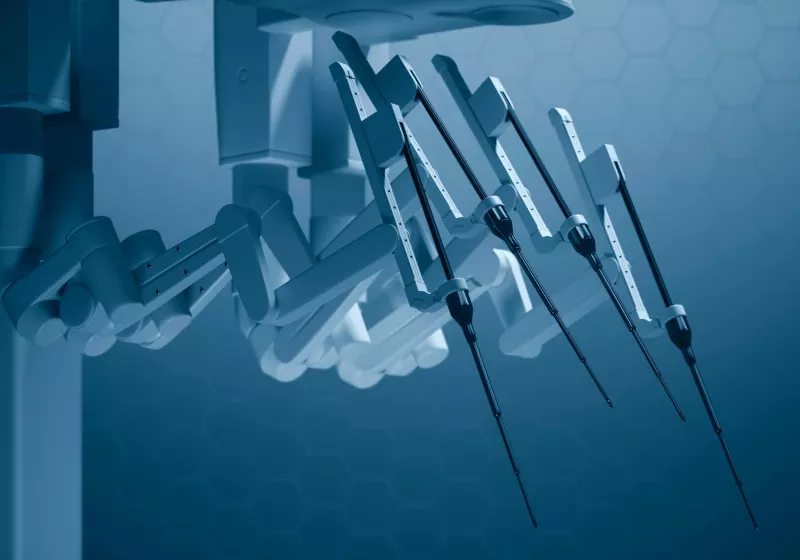
Robotic console and patient-side instruments: The surgeon operates from the console, which translates analog hand movements into microscopic, precise robotic actions within the patient. The system provides three-dimensional visualization, tremor filtration, and high degrees of freedom to navigate complex anatomical regions.
Telecommunication backbone: A secure, high-bandwidth link transfers audio-visual data, instrument positions, and system feedback between the surgeon and the operating room. Latency management is critical; even small delays can affect the perceived responsiveness of robotic controls.
Real-time monitoring and safety protocols: Teleoperation requires robust safety nets, such as emergency stop capabilities, redundant communication channels, and fail-safes to ensure patient safety in the event of a network interruption.
Regulatory and credential considerations: Cross-border procedures demand alignment with licensing requirements, patient consent processes, and institution-level approvals. Surgeons may need to hold permissions recognized by both the operating country and the patient’s location, and hospitals must adhere to local and international standards of care.
Patient selection and surgical planning: Not all procedures are amenable to remote execution. Case selection involves careful evaluation of the patient’s condition, anatomy, and the feasibility of remote access to the target surgical site. Preoperative imaging, simulation, and contingency planning are essential.
Postoperative care and follow-up: After a remote robotic procedure, standard postoperative pathways apply, with attention to potential challenges unique to remote surgery, such as coordination of care across borders, timely reporting of results, and management of any complications.
This milestone does not occur in a vacuum. It interacts with ongoing debates about access to specialized surgical care, the distribution of expertise, and the role of technology in reducing healthcare disparities. While linking a London-based robotics center with a Gibraltar hospital enables direct access to expert surgeons, it also raises questions about the scalability of such approaches. For remote surgery to become more commonplace, healthcare systems must invest in the necessary infrastructure, ensure rigorous training and credentialing, and establish international norms that safeguard patient safety while encouraging innovation.
From a clinical perspective, the benefits of robotic surgery—enhanced precision, smaller incisions, reduced blood loss, and potentially quicker recovery—are well documented in various settings. Remote execution could amplify these benefits by placing expert operators in regions lacking subspecialist surgeons. However, the technology’s success depends on a reliable network, robust cybersecurity measures, and well-defined protocols to manage unexpected events during the procedure. The Gibraltar operation represents a proof-of-concept that such a model can function, at least for certain complex operations, under appropriate conditions.
There are also practical considerations for hospitals contemplating remote robotic surgery. Institutions must invest in:
- High-quality telecommunication infrastructure with redundant pathways to mitigate outages.
- Specialized operating rooms equipped for remote missions, including secure data handling and compliant recording of the procedure.
- Training programs that prepare both surgeons and local teams to respond to incidents and to coordinate effectively across borders.
- Legal and ethical frameworks that address consent, liability, and patient rights in cross-border settings.
- Financial models that account for the cost of equipment, maintenance, and cross-institution collaboration.
The patient experience is another crucial dimension. While remote surgery can reduce travel burdens and enable access to top-tier surgeons, patients must be adequately informed about the remote nature of the procedure, the controls, and the associated risks. Clear communication and consent are integral to maintaining trust and ensuring that patients understand both the potential benefits and the boundaries of what remote robotic surgery entails.
The Gibraltar case may set the stage for broader adoption, but it will also illuminate challenges that need to be addressed. As healthcare systems across the world continue to grapple with increasing demand and uneven distribution of subspecialty expertise, the appeal of remote robotic platforms grows. If these systems are developed with careful attention to safety, regulation, and patient-centric care, remote surgery could become a more common option for complex interventions in the future.
Perspectives and Impact
The successful execution of a remote robotic cancer surgery between London and Gibraltar marks a notable moment with several potential implications for the medical field and health systems worldwide.
- Expanding access to expert care: For patients in regions with limited access to subspecialist surgeons, remote robotic surgery could dramatically shorten wait times and reduce the need for arduous travel. This is especially relevant for cancer care, where timely intervention can influence outcomes.

*圖片來源:Unsplash*
Cross-border collaboration and healthcare delivery: The case highlights how institutions across borders can collaborate to bring specialized skills to patients regardless of geography. It also underscores the importance of international cooperation in establishing shared standards, credentialing, and reimbursement mechanisms that enable such collaborations.
Educational and training benefits: Remote procedures provide opportunities for real-time mentorship and training for local surgical teams. Observers and trainees can gain exposure to advanced techniques without being physically present, potentially accelerating the diffusion of robotic skills.
Technological advancement and integration: The operation showcases the maturity of robotic platforms and telepresence technology. Ongoing improvements in haptic feedback, visualization, instrument precision, and latency reduction will be critical to expanding the range of procedures suitable for remote performance.
Policy, governance, and regulatory considerations: Cross-border teleoperation raises questions about liability, professional accountability, patient rights, and regulatory compliance. Policymakers and professional bodies will need to craft frameworks that protect patients while fostering innovation.
Economic implications: The cost-benefit calculus of remote surgery depends on initial capital expenditure, ongoing maintenance, and potential savings from reduced patient travel, faster recovery, and improved outcomes. Reimbursement models will need to adapt to cross-border interventions, which may involve complex billing and insurance arrangements.
Equity and access: While the technology can widen access in some contexts, disparities may emerge if only certain centers possess the requisite infrastructure or if regulatory hurdles impede certain populations. A concerted effort is required to ensure equitable access and avoid widening existing inequalities in cancer care.
Long-term clinical outcomes: As more remote procedures are performed, data collection and longitudinal studies will be essential to evaluate outcomes, complication rates, and patient satisfaction. Evidence-based assessments will help determine which procedures are best suited to remote execution and how to optimize protocols.
Looking ahead, the Gibraltar case could catalyze a broader exploration of remote surgery in oncology and other specialties. If healthcare systems can address the logistical, legal, and safety challenges, remote robotic surgery may become a valuable component of a more connected, patient-centered model of care. It will be important to track how this approach evolves, how patients respond to remote interventions, and how outcomes compare with traditional in-person robotic surgery. The balance between innovation and patient safety will continue to shape the trajectory of telepresence in surgery.
Key Takeaways
Main Points:
– Remote robot-assisted cancer surgery was performed by Professor Prokar Dasgupta from The London Clinic, with the patient located 1,500 miles away in Gibraltar.
– The procedure demonstrates the viability of teleoperation in complex oncological surgery and could broaden access to expert surgical care.
– Success hinges on advanced robotics, reliable communications, and stringent safety and regulatory frameworks.
Areas of Concern:
– Technical reliability and latency management remain critical for safety and performance.
– Cross-border licensing, liability, and data security require clear governance.
– Equity of access and cost-effectiveness need thorough evaluation as models scale.
Summary and Recommendations
The remote robotic cancer surgery conducted by Professor Prokar Dasgupta represents a meaningful advance in the application of telepresence robotics to oncology. By linking The London Clinic’s robotic center with St Bernard’s Hospital in Gibraltar, the procedure showcased the potential to extend high-level expertise beyond traditional geographic confines. This milestone underscores the broader trend toward leveraging technology to democratize access to specialized surgical care, reduce patient travel burdens, and potentially shorten timeframes to treatment.
To harness the benefits of remote robotic surgery while ensuring patient safety and system sustainability, several actions are recommended:
Invest in robust, secure telecommunication infrastructure: Hospitals should prioritize high-bandwidth, low-latency networks with redundancies and cyber safeguards to support reliable remote operations.
Develop standardized cross-border protocols: International collaboration should yield clear guidelines for credentialing, consent, liability, data handling, and postoperative follow-up in remote procedures.
Expand training and competencies: Create scalable training programs for surgeons and local surgical teams, emphasizing teamwork, remote assessment, and emergency responses in teleoperation contexts.
Conduct rigorous outcome research: Systematic data collection on safety, efficacy, complication rates, patient satisfaction, and cost-effectiveness will inform best practices and policy decisions.
Address equity and access: Policymakers and health systems should design models that prevent widening disparities, ensuring remote surgery benefits a broad patient population rather than a select few.
Foster patient-centered communication: Transparent information about the remote nature of the procedure, potential risks, and expected outcomes will help patients make informed decisions and maintain trust.
As remote robotic surgery evolves, ongoing collaboration among clinicians, engineers, regulators, and patient advocates will be essential. The Gibraltar case is a promising example, but its true value will be judged by how it informs scalable, safe, and ethical practices that improve cancer care for diverse patient populations around the world.
References
- Original: https://www.techspot.com/news/111595-london-doctor-carries-out-remote-robot-surgery-cancer.html
- Additional references:
- International guidelines on telemedicine and cross-border medical practice
- Reviews on robotic-assisted surgery outcomes and teleoperation latency management

*圖片來源:Unsplash*