TLDR
• Core Points: Microsoft closes traditional employee libraries to pivot toward AI-powered, personalized digital learning experiences across its workforce.
• Main Content: The Redmond campus library and other employee libraries are being shut as part of a broader modernization strategy leveraging AI and digital tools for learning.
• Key Insights: The move reflects a trend in large tech firms prioritizing scalable, AI-enabled training over physical book-based resources, with potential cultural and operational impacts.
• Considerations: Transition requires careful change management, preservation of knowledge access, and monitoring of employee engagement and learning outcomes.
• Recommended Actions: Communicate clearly with staff, invest in AI-enhanced learning platforms, provide alternative learning resources, and track efficacy and employee sentiment.
Content Overview
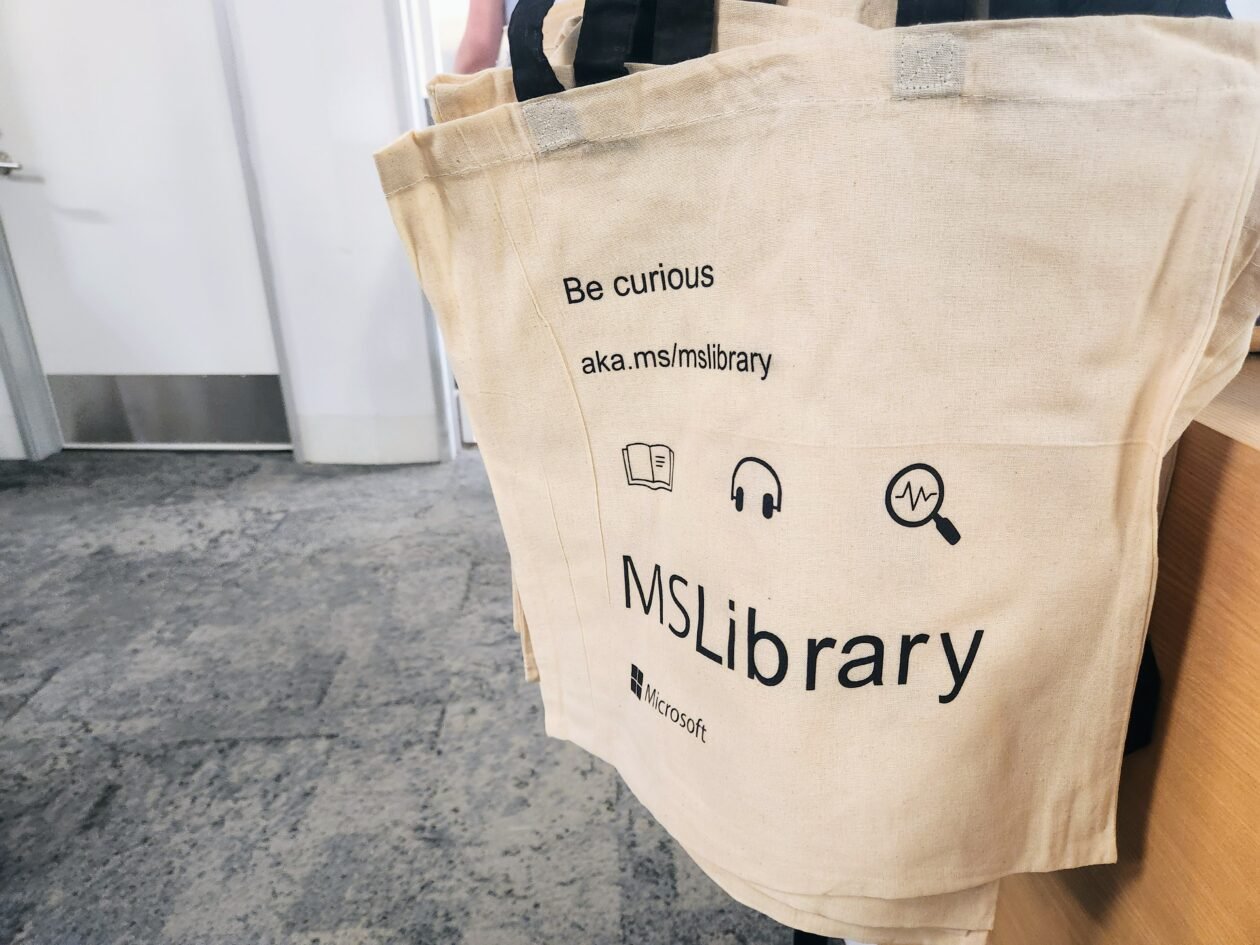
Microsoft announced a strategic shift away from maintaining traditional on-site employee libraries, including the long-standing Redmond facility where authors and speakers historically engaged with staff and where employees browsed a vast collection of books. The company frames this as part of a broader transition toward AI-powered learning and digital learning experiences. While physical libraries will close, Microsoft emphasizes that access to knowledge and development resources will continue through AI-driven platforms, digital catalogs, and remote access tools designed to personalize and scale learning for a diverse global workforce.
The rationale behind this decision centers on evolving learning needs and the efficiencies gained by integrating artificial intelligence and data-driven recommendations into training and development. By deploying AI systems that can curate content, suggest learning paths, and provide just-in-time knowledge, Microsoft aims to deliver more flexible, timely, and scalable learning experiences across its sprawling organization. The company also cites the ongoing investments in its research and platform capabilities that support these digital learning modalities.
This shift is not unique to Microsoft. Across the tech sector, several large employers have begun reimagining how employees access information and develop skills, balancing the value of curated physical collections with the advantages of digital, AI-enabled tools. The change prompts questions about how organizations maintain culture, knowledge sharing, and community-building when traditional in-person libraries and author events become less central to employee development.
As Microsoft moves forward, staff are expected to adapt to new modalities of learning, including AI-assisted content discovery, interactive modules, and remote or hybrid access to training materials. The transition underscores a broader industry move toward scalable learning ecosystems that can be continuously updated and personalized at a global scale, leveraging data and machine learning to optimize learning outcomes.
In-Depth Analysis
Microsoft’s decision to close traditional employee libraries, including its Redmond facility known for author talks and in-person book browsing, reflects a strategic reorientation toward digital and AI-enhanced learning platforms. The company’s leadership signals that these libraries will be replaced or supplemented by systems that leverage artificial intelligence to tailor content to individual employee needs, roles, and career trajectories.
One core driver behind the move is scalability. Physical libraries, by their nature, serve a finite number of employees within a given location. For a global technology leader with tens of thousands of employees and contractors, maintaining consistent access to resources across sites is logistically and financially complex. Digital libraries, AI-curated content, and cloud-based learning platforms offer the potential to provide customized recommendations at scale, ensuring that people in different regions and functional teams receive relevant materials in a timely manner.
Another contributing factor is the rapid pace of change in technology and business practices. Traditional library models can struggle to keep current with the latest research articles, courses, and industry insights. AI-enabled systems can ingest vast streams of information, summarize key developments, and present learning modules that align with current projects, compliance requirements, and strategic priorities. This aligns with Microsoft’s broader emphasis on AI capabilities and digital transformation across its products, services, and internal operations.
However, the transition raises questions about preserving institutions that foster organic knowledge sharing and a sense of community. Physical libraries often serve as quiet spaces for discovery, collaboration, and serendipitous learning. They also host author talks, panel discussions, and other events that create opportunities for cross-pollination of ideas across disciplines and teams. The closure of these spaces could reduce certain informal knowledge exchange opportunities and may require intentional efforts to preserve or replace these community-building aspects through virtual events, internal forums, and AI-mediated matchmaking for knowledge sharing.
Employee experience and engagement will likely be key metrics in assessing the success of this shift. Microsoft will need to demonstrate that AI-driven learning not only matches but exceeds the value previously offered by physical libraries. This includes measuring the speed with which employees gain new skills, the relevance and applicability of training, and the impact on performance, career progression, and retention. The organization may also monitor sentiment around the change, ensuring that staff feel supported and informed during the transition.
From a broader industry perspective, Microsoft’s move positions it within a growing trend of organizations embracing digital learning ecosystems. AI-powered recommendations, personalized learning paths, and on-demand content can reduce barriers to access and standardize learning quality across a large workforce. Yet challenges remain. AI systems must be transparent, equitable, and aligned with privacy and data governance standards. Ensuring that learning content is accurate, up-to-date, and free from biases is essential to maintaining trust and effectiveness.
The decision sits at the intersection of corporate strategy, talent development, and cultural stewardship. As Microsoft advances its digital learning agenda, it may explore hybrid approaches that retain some elements of the traditional library experience in virtual forms. This could include AI-driven virtual libraries, curated digital collections, online author talks streamed to employees, and interactive learning experiences that simulate the benefits of in-person gatherings without the physical footprint.
Implementation will require careful change management. Clear communication about the rationale, timelines, and available alternatives is critical. Providing training and support for employees to navigate new platforms will help minimize friction and resistance. It will also be important to gather ongoing feedback and iterate on the learning ecosystem to ensure it remains responsive to user needs and business objectives.
Security and compliance considerations will play a role as well. As libraries move from physical shelves to cloud-based repositories, organizations must safeguard intellectual property, manage licensing for digital content, and protect user data. Microsoft’s AI-enabled learning environment should incorporate robust access controls, data governance, and privacy protections to reassure employees and stakeholders.
The broader impact of this shift extends to organizational culture and corporate identity. For many employees, libraries have been a symbol of knowledge access, curiosity, and lifelong learning. Transitioning away from physical spaces may require deliberate cultural initiatives to maintain the ethos of inquiry and discovery in a digital format. Leadership will need to articulate a compelling narrative about how AI-enhanced learning supports employees’ growth, empowerment, and contribution to Microsoft’s mission.
In terms of the technology stack, Microsoft’s strategy likely integrates its own AI research capabilities, cloud services, and productivity tools. The aim is to deliver a seamless learning experience where employees can discover relevant materials, engage with interactive modules, and apply new knowledge to real-world tasks. This may involve partnerships with content providers, investments in proprietary training modules, and the deployment of analytics to track learning outcomes and adapt content recommendations over time.
Economic considerations also factor into the decision. Maintaining physical libraries involves ongoing costs, including space, staffing, inventory management, and maintenance. A pivot to digital learning can reduce physical overhead while increasing the reach and speed of knowledge dissemination. However, initial investments in AI infrastructure, content licensing, and platform development are significant and require careful budgeting and governance.
From an organizational learning theory perspective, the shift to AI-powered, digital learning experiences aligns with a move toward personalized, just-in-time learning. Rather than relying on one-size-fits-all training or the passive consumption of printed resources, employees can access customized content that aligns with their current tasks and future career goals. This approach has the potential to accelerate competency development and adapt to changing role requirements as technologies evolve.

*圖片來源:Unsplash*
Overall, Microsoft’s decision reflects a strategic recalibration of how knowledge and learning resources are delivered within a large, innovative organization. It signals confidence in AI-enabled education as a scalable solution that can meet the diverse needs of a global workforce, while also highlighting the need to balance digital efficiency with the human-centered aspects of learning that libraries historically supported.
Perspectives and Impact
The closure of Microsoft’s traditional libraries marks a notable moment in the ongoing evolution of corporate learning ecosystems. On one hand, the move reflects confidence in AI-powered learning tools to deliver personalized, scalable education that can adapt rapidly to changing business needs. Employees may benefit from more tailored content, faster access to relevant information, and learning experiences that accommodate flexible schedules and remote work arrangements.
On the other hand, the transition carries potential risks and cultural implications. Physical libraries have long served as quiet spaces for contemplation, research, and spontaneous discovery. They also function as venues for author talks, thought leadership events, and cross-team engagement, contributing to a sense of community and shared intellectual life. The removal of these spaces could diminish opportunities for informal mentorship and serendipitous learning moments. Microsoft will need to invest in virtual or community-oriented substitutes to counterbalance these losses.
From a workforce development standpoint, AI-driven learning platforms can help employees acquire skills that are directly applicable to their roles, potentially reducing time-to-proficiency. However, the reliance on algorithmically generated recommendations raises concerns about content bias, the representativeness of sources, and the potential for narrowing exposure to a broader range of perspectives. Ongoing governance and transparency in how AI tools curate and recommend materials will be essential to maintain trust and inclusivity.
The transition also has implications for authors, publishers, and external collaborators. In-person author talks and library events have historically provided visibility and engagement opportunities. While digital formats can extend reach, the shift may alter the nature of participation and the revenue models for external contributors. Stakeholders may seek assurance that high-quality, diverse voices continue to be represented within Microsoft’s learning ecosystem.
Economically, the move aligns with broader corporate strategies to optimize costs and invest in scalable technology platforms. Digital learning environments can reduce physical space requirements and operational overhead, while enabling more consistent training across geographies. Yet successful execution depends on sustained investment in content procurement, platform reliability, security, and user support. Companies must balance short-term cost savings with long-term commitments to maintain content quality and platform vitality.
Looking ahead, Microsoft’s AI-centric learning strategy could influence broader industry practices. If successful, it may encourage other corporations to reimagine how knowledge resources are delivered at scale, emphasizing AI-assisted personalization, continuous content updates, and seamless integration with daily workflows. It could also accelerate the development and adoption of best practices in AI ethics, data governance, and privacy within corporate learning contexts.
The cultural dynamics of a technology company with a long-standing appreciation for libraries will be tested. Leadership will need to articulate a clear narrative about the rationale, benefits, and support mechanisms associated with the change. Employee feedback loops, transparent metrics, and opportunities for engagement will be crucial to sustaining morale and ensuring the transition enhances, rather than diminishes, learning and development.
In terms of future implications for work and education, this shift signals a broader move toward AI-enabled lifelong learning within corporate settings. As organizations seek to keep pace with rapid innovation, personalized digital learning experiences may become the norm, influencing talent pipelines, performance management, and career progression. The challenge will be to preserve the human elements of learning—curiosity, mentorship, critical thinking, and the exploration of diverse ideas—within scalable digital ecosystems.
Key Takeaways
Main Points:
– Microsoft closes traditional employee libraries as part of a shift to AI-powered digital learning.
– Access to knowledge will be maintained via AI-driven platforms, digital catalogs, and remote tools.
– The change reflects a broader industry move toward scalable, personalized learning, with potential cultural impacts.
Areas of Concern:
– Loss of physical spaces for discovery and community events.
– Risk of reduced informal knowledge sharing and mentorship.
– Need for governance to ensure AI-curated content is unbiased, accurate, and diverse.
Summary and Recommendations
Microsoft’s decision to end traditional on-site employee libraries and replace them with AI-enhanced digital learning experiences demonstrates a strategic move to modernize workforce development at scale. By leveraging AI to curate content, personalize learning paths, and provide flexible access, the company aims to accelerate skill development, improve alignment with business goals, and support a global workforce operating across diverse time zones and roles. The shift acknowledges the realities of rapid technological change and the benefits of scalable digital tools, while acknowledging the cultural and social dimensions associated with moving away from physical libraries and in-person knowledge-sharing events.
To maximize positive outcomes from this transition, Microsoft should implement a comprehensive change-management plan that includes transparent communication, detailed timelines, and clear rationales. It should actively solicit and incorporate employee feedback, ensuring that concerns about community, mentorship, and cultural heritage of the library system are addressed through virtual equivalents, regular online events, and inclusive content strategies. Equally important is the investment in robust AI governance, privacy protections, and content quality controls to ensure that AI-driven recommendations are fair, accurate, and representative.
Operationally, the organization should focus on the following actions:
– Develop and deploy a high-quality digital library ecosystem that integrates AI-powered discovery, intuitive navigation, and seamless access to licensed content, internal documents, and learning modules.
– Establish metrics to evaluate learning outcomes, engagement, and time-to-proficiency, with ongoing optimization based on data-driven insights.
– Create virtual community spaces and events that replicate the social and mentorship benefits of traditional libraries, including author talks, guest lectures, and cross-team discussions.
– Ensure equity across geographies and roles by maintaining inclusive content and avoiding biases in AI recommendations.
– Maintain strong data governance, security, and privacy practices to protect intellectual property and user information.
Over time, the shift toward AI-enabled digital learning could redefine how employees acquire, retain, and apply knowledge. If implemented thoughtfully, with attention to culture, community, and quality, Microsoft’s approach may serve as a blueprint for scalable, personalized corporate learning in an era dominated by AI. However, success will hinge on balancing efficiency and personalization with the human-centered elements that have long defined effective learning and professional development.
In conclusion, the closure of Microsoft’s traditional libraries signals a broader transition in corporate education toward AI-powered digital experiences. The coming years will reveal how effectively these digital tools can replicate or surpass the value of physical libraries, and how organizations can preserve the culture of curiosity and lifelong learning that libraries have historically embodied.
References
- Original: www.geekwire.com
- Additional context: Industry analyses on AI-driven corporate learning and digital knowledge management
- AI in enterprise learning: best practices for governance, content curation, and privacy

*圖片來源:Unsplash*