TLDR
• Core Points: Microsoft closes traditional employee libraries to pursue AI-powered learning experiences; includes Redmond facility once used for author talks and casual reading.
• Main Content: Company emphasizes shift toward AI-enhanced training tools and digital resources over physical shelves.
• Key Insights: Move reflects broader corporate trend toward scalable, personalized learning; potential implications for staff engagement and archival access.
• Considerations: Balancing AI-enabled learning with ongoing access to curated expert human guidance and physical media.
• Recommended Actions: Communicate timeline and alternatives clearly; pilot AI learning programs alongside preserved knowledge repositories.
Content Overview
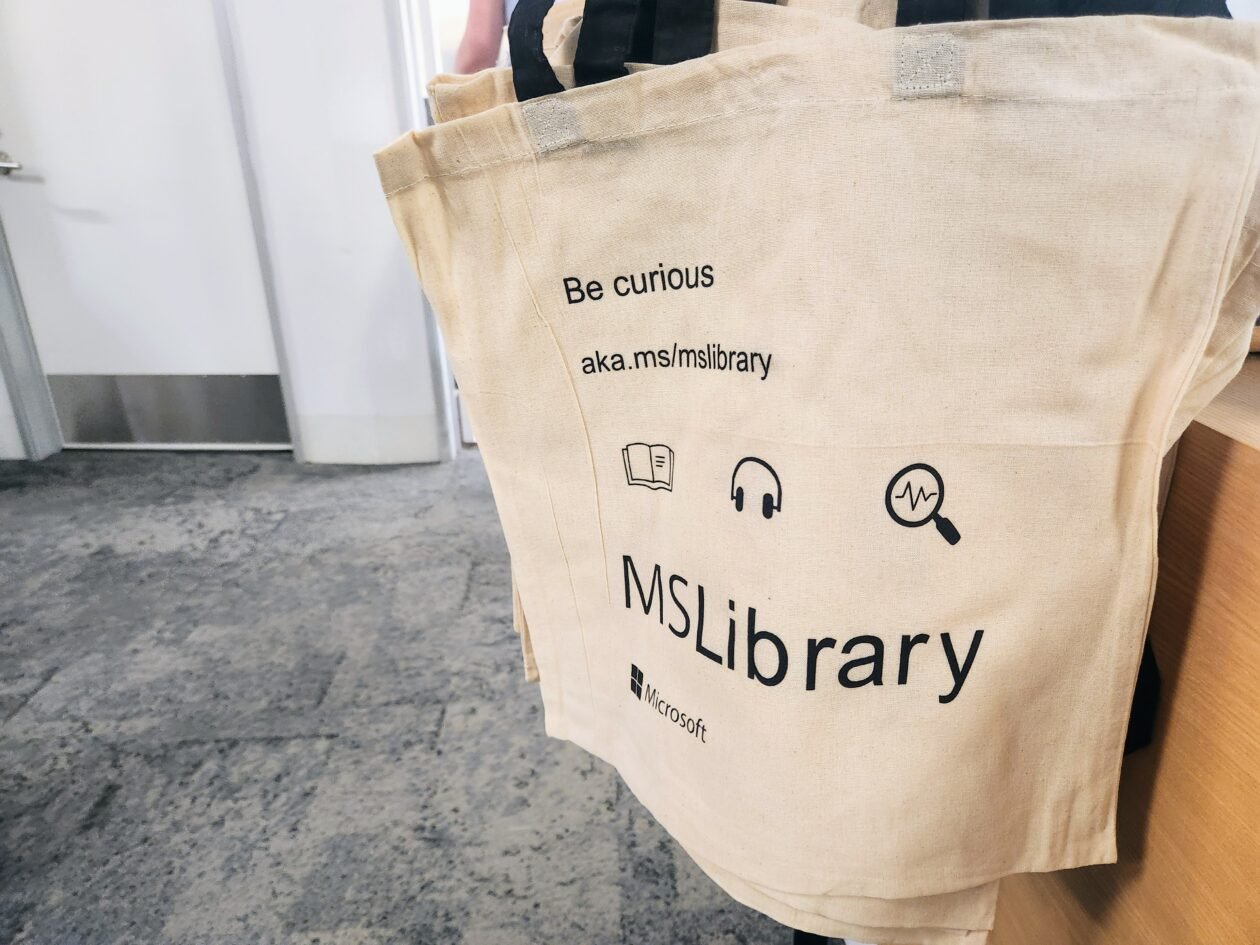
Microsoft has announced a significant change to its internal knowledge resources by closing its traditional employee libraries, including the well-known Redmond campus library where authors and industry speakers had historically shared insights with staff. The decision is framed by the company as part of a broader strategic shift toward AI-powered digital learning experiences. While the physical books and familiar reading spaces will be phased out, Microsoft emphasizes that its commitment to employee development remains strong, albeit through a different mode of delivery.
The Redmond library, among others, has long been a hub for informal knowledge exchange, author talks, and casual browsing during the workday. For years, employees could drop in to browse titles, discover new ideas, and participate in community events centered on reading and learning. The closure marks a notable departure from a traditional corporate culture that valued physical printed material as a central resource for professional growth. Microsoft says the transition is designed to scale personalized learning, accelerate access to up-to-date information, and integrate advanced AI tools that tailor content to individual roles and career paths.
The company’s rationale rests on the increasing availability of digital resources and the rapid pace of change in technology industries. AI-powered learning platforms can curate relevant materials, offer adaptive assessments, and provide real-time guidance, potentially reducing the time employees spend searching for information and enabling more time for hands-on work and skill development. Microsoft asserts that the shift aligns with evolving employee expectations for flexible, on-demand training that can be accessed from anywhere, not confined to a physical location or a published catalog.
The change also reflects a broader trend in large organizations reevaluating traditional libraries and learning centers. In many sectors, corporate libraries have faced budget pressures and shifting usage patterns as employees increasingly rely on digital channels for knowledge acquisition. In Microsoft’s case, the emphasis on AI-driven experiences underscores a strategic bet that intelligent systems can deliver more personalized and scalable learning outcomes than static, paper-based collections.
This article provides context on the decision, explores potential impacts on staff engagement and knowledge sharing, and considers the implications for the broader corporate learning landscape as companies navigate the balance between human expertise and machine-assisted instruction. It also looks at how Microsoft plans to maintain access to curated information, preserve institutional memory, and ensure that employees continue to develop critical skills in a rapidly changing environment.
In-Depth Analysis
The closure of Microsoft’s traditional libraries signals more than a simple relocation of resources; it represents a deliberate pivot in how the company envisions employee development in an era dominated by artificial intelligence and data-driven learning. At its core, Microsoft’s strategy appears to be moving from a static repository of printed materials to dynamic, AI-assisted learning ecosystems that can be personalized to the needs of individual workers, teams, and projects.
One of the primary motivations cited by the company is the acceleration of knowledge delivery. Traditional libraries, even well-curated corporate collections, require time for employees to discover, request, and physically access materials. AI-enhanced platforms, by contrast, can surface relevant documents, case studies, and training modules in real time, guided by an employee’s role, project requirements, and past learning history. In theory, this can shorten onboarding timelines, support continuous upskilling, and help teams stay aligned with the latest industry standards and internal procedures.
Another key factor is scalability. Physical libraries require substantial space, staffing, and ongoing maintenance. As Microsoft expands its product portfolio and accelerates innovation cycles, an AI-driven approach promises to deliver a scalable learning experience that can serve a large and geographically dispersed workforce without the need to expand physical infrastructure proportionally. This could be particularly impactful for remote or hybrid employees, who previously relied on the accessibility of on-site resources.
The shift also aligns with broader corporate priorities around digital literacy and AI fluency. By embedding AI-based learning tools into everyday workflows, Microsoft can position its employees to better understand and implement AI technologies, ethical considerations, and governance practices that are integral to the company’s product offerings. This approach mirrors a larger industry push to ensure staff competencies keep pace with rapid technological change, reducing skill gaps and enabling faster internal promotion cycles.
However, the transition raises several questions about how knowledge is curated, preserved, and accessed. Traditional corporate libraries often function as curated memory banks—repositories of institutional memory that capture historical perspectives, justifications for past decisions, and the evolution of corporate priorities. Critics might worry that moving away from physical collections could erode this sense of continuity or create gaps in contextual understanding if AI systems do not adequately preserve or present this context. Microsoft’s challenge will be to maintain a robust archive of institutional knowledge and ensure that AI recommendations do not overshadow the nuanced rationale behind past decisions.
Employee engagement is another area of consideration. For many workers, libraries have represented more than a supply of information; they have been spaces for dialogue, mentorship, and spontaneous collaboration. A transition to digital, AI-centric learning experiences could alter the social dimension of learning, reducing informal interactions that occur in reading rooms, book clubs, or author talks. To mitigate this, Microsoft will need to design digital spaces that foster community, mentorship, and cross-functional knowledge sharing, perhaps by integrating virtual forums, live talks, and collaborative learning projects within the AI platform.
The move also intersects with concerns about data privacy, algorithmic transparency, and bias. As AI-based learning systems determine what materials are surfaced and how recommendations are prioritized, it is crucial that Microsoft maintains clear governance over data usage, ensures opt-in controls, and implements fairness checks to prevent skewed outcomes that privilege certain departments or viewpoints. The company’s leadership will need to communicate how these systems are trained, what data feeds them, and how users can influence or correct the recommendations they receive.
From an organizational perspective, the decision to close physical libraries could influence hiring, retention, and recruitment messaging. Prospective employees may weigh the availability of traditional resources against the promise of cutting-edge digital tools. If AI-based learning is perceived as more efficient and better tailored to individual growth, it could attract talent eager to advance quickly in a technologically oriented environment. Conversely, some employees may value the tangible, personal experience of a physical library and feel a loss of cultural cohesion associated with that space. Microsoft may need to offer alternatives such as digital twin environments, virtual author talks, and on-demand media libraries to preserve a sense of culture and community.
The implementation strategy for this transition will be critical. A phased approach—closing specific libraries while piloting AI learning modules, migrating relevant holdings to digital formats, and expanding access through cloud-based platforms—could help minimize disruption. Clear communication about timelines, available resources, and support channels will be essential for helping employees adapt. Training for staff on how to leverage the AI tools, curate personalized learning paths, and contribute to the evolving knowledge base will also be important components of a successful rollout.
Beyond internal learning, Microsoft’s move may influence how other technology companies approach corporate libraries and education programs. If the AI-driven model demonstrates measurable improvements in training outcomes, speed to competency, and employee satisfaction, competitors and industry partners may adopt similar strategies. On the other hand, if challenges arise—such as reduced engagement with learning resources, questions about accessibility, or concerns about the quality of AI recommendations—companies may reassess the balance between digital learning and physical media.
The Redmond campus holds a symbolic place in Microsoft’s corporate narrative. The site has historically served not only as a hub for knowledge resources but also as a venue for events where authors, researchers, and industry leaders engaged with employees. Its closure, therefore, carries implications beyond logistics; it signals a shift in how Microsoft envisions the ecosystem for employee learning and knowledge exchange. The company’s leadership will need to articulate how the new AI-powered experiences will preserve or exceed the educational value previously offered by on-site libraries and associated programs.
Interdisciplinary learning will be a critical area to monitor. AI systems can pull in materials from across disciplines, enabling cross-pollination of ideas. Microsoft has the opportunity to integrate learning experiences that connect engineering with ethics, product management with user experience, and research with business strategy. By engineering pathways that encourage teams to explore diverse knowledge domains, Microsoft can foster innovation and better align employee development with the company’s strategic priorities.

*圖片來源:Unsplash*
Accessibility will also be a central consideration. Ensuring that AI-driven learning experiences are accessible to employees with varying abilities and learning preferences is essential. This includes supporting multiple languages, accommodating different reading levels, and providing alternative formats for content. A well-designed digital learning environment can be more inclusive if it offers flexible modes of engagement, such as text, audio, video, interactive simulations, and hands-on projects.
The financial implications of this transformation are multifaceted. Investing in robust AI platforms, content licensing, and ongoing content generation represents a shift in capital expenditures from physical assets to software and services. Over time, however, digital learning platforms may yield cost savings through reduced material costs, lower overhead for on-site facilities, and the potential for faster, data-driven improvements in training effectiveness. The total cost of ownership will depend on the platform’s scalability, the quality of content curation, and how effectively employees adopt and utilize the new tools.
In summary, Microsoft’s decision to close its traditional employee libraries as part of a broader pivot to AI-powered digital learning experiences reflects a strategic effort to modernize workforce development in a rapidly changing technological landscape. The transition is framed as a move toward scalable, personalized, and flexible learning that can better prepare employees for the demands of AI-centered products and services. Yet it also introduces challenges related to preserving institutional memory, maintaining social learning dynamics, safeguarding data integrity, and ensuring broad accessibility. The success of this initiative will hinge on thoughtful implementation, transparent communication, and ongoing attention to how digital and human elements of learning can be integrated to sustain a thriving corporate culture.
Perspectives and Impact
Experts note that the shift aligns with a broader trend across large organizations to leverage AI and data analytics for learning and development. When used effectively, AI-driven learning can tailor content to individual trajectories, reduce time-to-competency, and provide consistent access to up-to-date information regardless of an employee’s location. In Microsoft’s context, this could accelerate the company’s internal adoption of AI technologies, given that staff will increasingly interact with intelligent systems as part of their daily work.
Nevertheless, there are potential downsides to consider. The removal of physical libraries could reduce spontaneous, serendipitous discovery of ideas that often occur when browsing shelves. The social dimension of learning—where colleagues meet, discuss ideas, and exchange insights in informal settings—may suffer if digital environments are not designed with community in mind. To counteract this, Microsoft could embed social features within the AI platform, such as virtual reading groups, live Q&A sessions with subject matter experts, and cross-team collaborative projects that resemble the collaborative energy once found in physical spaces.
Another important perspective centers on the quality and curation of AI-driven recommendations. The usefulness of a learning platform depends on how well it interprets user needs, selects relevant materials, and avoids overwhelming users with too many options. Transparent governance around data inputs, algorithmic biases, and human oversight will be critical to maintaining trust in the system. Employees should have clear avenues to provide feedback, challenge recommendations, and request alternative resources when necessary.
From a strategic standpoint, the transition could influence talent acquisition and retention. Some prospective hires may view the use of cutting-edge digital learning tools as an attractive feature, signaling that the company prioritizes continuous, hands-on learning and technological fluency. Others may be more drawn to tangible resources and a sense of community associated with on-site libraries. Addressing these diverse preferences through hybrid offerings—combining AI-driven learning with opportunities for in-person engagement and curated physical materials where feasible—could help balance these dynamics.
Future implications extend beyond Microsoft’s own walls. If successful, AI-powered digital learning experiences may become a blueprint for other organizations seeking to modernize their training ecosystems. The approach could drive standardized learning paths across global teams, enable rapid dissemination of best practices, and reduce knowledge silos. However, it may also spur competition to develop more sophisticated, user-centric AI learning experiences and raise standards for accessibility and inclusivity in corporate education.
In terms of knowledge preservation, the company must consider how institutional memory will be maintained. AI systems can capture and index vast amounts of information, but they must be configured to retain historical context, rationale, and the provenance of sources. Archivists, knowledge managers, and subject matter experts will need to collaborate with AI developers to design interfaces that let users trace how a particular recommendation was formed and to access behind-the-scenes documentation when needed.
Ethical and governance considerations are also central to the long-term viability of AI-enabled learning. Microsoft’s leadership should articulate policies regarding data privacy, consent, and the use of employee-generated learning data. Clear boundaries between private learning records and organizational analytics should be established, with options for employees to opt out of certain data uses if desired. Furthermore, the platform should adhere to principles of fairness, transparency, and accountability, ensuring that diverse voices and perspectives are represented in the learning materials.
The Redmond campus library’s closure can thus be viewed as a symbolic milestone within a larger transformation of corporate knowledge management. It signals a willingness to embrace innovative technologies while acknowledging the need to preserve a culture of learning in a digital era. The next steps will involve refining AI-powered tools, expanding access to digital resources, and creating spaces—whether virtual or physical—that continue to foster curiosity, collaboration, and lifelong learning among Microsoft employees.
Key Takeaways
Main Points:
– Microsoft is closing traditional employee libraries, including the Redmond facility, to shift toward AI-powered digital learning experiences.
– The move aims to provide scalable, personalized learning, faster access to up-to-date information, and remote accessibility.
– The transition raises concerns about preserving institutional memory, maintaining social learning dynamics, and ensuring data governance and accessibility.
Areas of Concern:
– Potential loss of serendipitous discovery and in-person community through physical spaces.
– Risk that AI recommendations may reflect biases or reduce the diversity of perspectives if not properly managed.
– Need for careful planning to protect institutional knowledge and ensure transparent governance.
Summary and Recommendations
Microsoft’s decision to retire its traditional libraries in favor of AI-driven digital learning experiences reflects a broader shift toward scalable, personalized, and on-demand employee development. This transformation aligns with the company’s broader emphasis on AI technologies and the importance of equipping staff with the skills and knowledge needed to build and responsibly deploy AI-powered products. The success of this transition will depend on thoughtful execution that preserves the cultural and social aspects of learning, ensures robust data governance, and maintains accessible pathways to a broad spectrum of knowledge.
To maximize positive outcomes, Microsoft should pursue several concrete steps. First, implement a well-communicated timeline detailing which libraries will close, what digital resources will replace them, and how employees can continue to access curated knowledge. Second, design the AI learning platform with strong governance, transparency, and opt-out options, ensuring that content recommendations are fair, relevant, and unbiased. Third, create digital and hybrid spaces that replicate essential social learning experiences—virtual author talks, discussion forums, and collaborative projects—to maintain the sense of community that physical libraries fostered. Fourth, establish a robust archive strategy to preserve institutional memory, including documentation of past decisions, rationale, and historical context accessible through the AI platform or separate archives. Fifth, provide comprehensive training and support to help employees adopt the new tools, personalize their learning paths, and contribute to the evolving knowledge base. Sixth, monitor outcomes with clear metrics for learning effectiveness, engagement, and knowledge retention to iterate and improve the program over time.
If executed with attention to user needs, governance, and cultural preservation, the shift from physical libraries to AI-powered digital learning could accelerate Microsoft’s workforce development while maintaining a strong organizational identity. The coming years will reveal how well the company balances efficiency and personalization with the enduring human elements of learning—curiosity, mentorship, and collective inquiry.
References
- Original: https://www.geekwire.com/2026/microsoft-campus-library-closes-in-broader-shift-to-ai-powered-digital-learning-experiences/
- Additional context on AI-enabled corporate learning trends:
- https://www.mckinsey.com/business-functions/mature-organizations/our-insights/how-artificial-intelligence-will-redefine-organization-learning-and-development
- https://news.microsoft.com/2024/ai-learning-and-development-strategy/

*圖片來源:Unsplash*