
TLDR
• Core Points: SMS-delivered sign-in links can be intercepted or abused, risking exposure of sensitive user data across major services.
• Main Content: A investigation reveals widespread flaws in how some services send one-time or login links via SMS, enabling account access by attackers under certain conditions.
• Key Insights: Relying on SMS for authentication or login carries inherent security weaknesses; alternatives and mitigations are critical for safer user experiences.
• Considerations: Balance between user convenience and security; assess phishing risk, carrier delays, and SMS spoofing vulnerabilities.
• Recommended Actions: Adopt stronger multi-factor authentication, minimize SMS reliance, and implement detectable anomalies and tighter link controls.
Content Overview
Recent security research and independent audits highlight a troubling reality: even services with millions of users can expose sensitive data through the delivery of sign-in links via SMS. In an era where passwordless or two-factor authentication is increasingly common, the practice of sending login or sign-in links through traditional text messages remains popular for its convenience. However, several structural weaknesses in SMS-based delivery create attack surfaces that can compromise accounts and personal information.
The core problem is not merely the message content but the entire transmission and use lifecycle of these links. When a user initiates a sign-in request or requests a one-time login link, the system sends a URL to the user’s phone via SMS. If an attacker gains access to the phone number, the SMS channel can be exploited through SIM-swapping, number porting, or device compromise to obtain the link. Depending on the service’s design, the link may grant direct access to an account, require only a single click, or allow login with minimal additional verification. In many cases, there is insufficient time-bound or device-bound protection to limit misuse, especially if the SMS channel is compromised or if the link remains valid for an extended period.
Security researchers have underscored several common weaknesses observed across multiple platforms. First, the reliance on SMS as a delivery mechanism introduces an out-of-band dependency on the mobile network, which is susceptible to interception or misdirection. Secondly, some services fail to implement robust phishing defenses; attackers can impersonate legitimate messages and harvest login links. Third, there is often inadequate verification on the device side; a link received on a compromised phone may be exploited without requiring re-authentication or device confirmation. Finally, inconsistent risk signals and insufficient user notifications mean users and administrators may remain unaware of sign-in attempts or anomalous activity, delaying response and remediation.
The implications of these flaws are non-trivial. A successful exploitation can lead to unauthorized access to personal data such as emails, messages, financial information, and other services linked to the compromised account. The problem multiplies as many users reuse passwords or maintain similar credentials across platforms, heightening the potential fallout from a single compromised sign-in link. While some platforms have implemented additional checks or time-limited links, researchers note that the security posture varies significantly between providers, and no system is immune to determined attackers.
This article examines how widespread this issue is, why SMS-based sign-in links persist despite known risks, and what developers, security teams, and users can do to mitigate exposure. It also explores potential paths forward for more secure authentication paradigms, including moving beyond SMS to more resilient channels and layered verification strategies.
In-Depth Analysis
The central tension in modern authentication is balancing usability with security. Password-based systems have proven time-consuming and error-prone for users, while multi-factor authentication (M2FA) and passwordless logins promise stronger protection without constant credential recall. SMS-based sign-in links sit at the crossroads of these goals, offering a frictionless user experience but introducing a separate risk vector.
1) How sign-in links via SMS work
Most platforms that offer passwordless or one-click login send a unique URL or code to the user’s registered phone number. The user taps or clicks the link, which authenticates the session and grants access to the account. The time window in which that link remains valid, the need for additional verification, and the device requirements (such as whether the user must be on a particular app or platform) vary by provider. While the mechanism seems straightforward, its security depends on the integrity of the SMS channel and the strength of the verification logic on the receiving device.
2) Attack surfaces and threat models
– SIM swapping and number porting: An attacker can convince a mobile carrier to reassign a victim’s phone number to a SIM-controlled device. Once control is established, the attacker can receive the sign-in link and access the account.
– SMS interception and fraud: In some cases, attackers can exploit weaknesses in the mobile network or SIM tools to capture SMS messages containing sign-in links.
– Phishing and message spoofing: Malicious actors may imitate legitimate service messages, steering users to fake pages that harvest credentials or sign-in tokens.
– Device compromise: If a user’s device is compromised with malware, attackers may access incoming SMS messages or the apps that process sign-in links, bypassing additional verification steps.
– Link longevity and reuse: If a link does not expire quickly, or if the system allows reuse of tokens, attackers can exploit stale access tokens.
3) Varied security posture across providers
Providers differ in how aggressively they mitigate these risks. Some services implement shorter token lifetimes, one-time-use links, device-bound sessions, or require additional confirmation on the login attempt (for example, a push notification approval or a secondary check). Others may rely more heavily on the mere possession of the phone number, which increases risk for users who share devices, use family plans, or have appointment-based access to their devices.
4) Usability considerations
From a user experience perspective, SMS-based links are attractive because they require no extra apps or hardware keys and work across devices with basic cellular service. Users do not need to remember passwords or carry a hardware security key. However, the convenience comes at the cost of safety in scenarios where the phone number is no longer under the user’s control, or where the user cannot receive messages due to network issues, message delays, or carrier problems.
5) The role of phishing and social engineering
Attackers may exploit the trust users place in expected SMS behaviors. A message that appears to come from a familiar service, with a succinct and urgent tone, can lure victims into clicking the link without scrutiny. This is not a purely technical issue; it also hinges on user education and defensive design that reduces the likelihood of successful phishing attempts.
6) Technical mitigations and best practices
– Use time-bound, single-use links with strict expiration and short-lived tokens.
– Require multi-factor authentication beyond the sign-in link, such as a biometric check on the device or a push notification approval.
– Bind sign-in tokens to the device or app instance to prevent token reuse on other devices.
– Implement out-of-band verification that leverages secure channels beyond SMS, such as push-based approvals within an official app, or hardware security keys where feasible.
– Improve anomaly detection and alerting to inform users of sign-in attempts, especially from unfamiliar locations or devices.
– Require robust verification during recovery or suspicious activity, including alternative contact methods and identity checks.
– Reduce reliance on SMS by offering more secure options as defaults, while still supporting alternative workflows for users who require them.
7) Industry and policy context
Regulators and industry groups are increasingly emphasizing secure authentication as part of privacy and security frameworks. The balance between user experience and security is a moving target, with providers under pressure to adopt phishing-resistant login mechanisms and to minimize data exposure in the event of a breach. Some sectors—such as finance and healthcare—already enforce stricter authentication requirements, but the consumer tech landscape remains heterogeneous.
8) Real-world impact and case studies
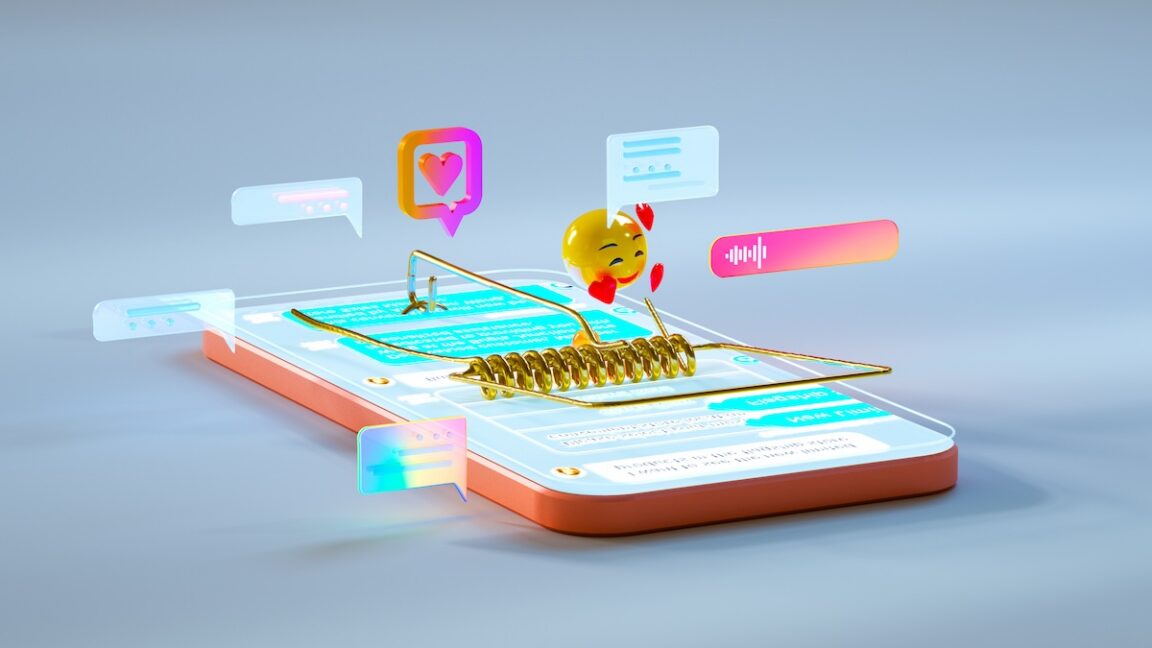
While the precise scope of risk varies, there have been documented incidents where attackers used SIM-swapped numbers to intercept sign-in links and gain unauthorized access to services. In other scenarios, users with weak SMS protections found their personal information exposed due to the inability to receive timely updates or to prove legitimate ownership of the account during recovery processes. These incidents underscore the importance of layered security and a defense-in-depth approach to authentication.
*圖片來源:media_content*
9) The path forward
As the threat landscape evolves, the industry is moving toward phishing-resistant authentication models. Passwordless ecosystems, device-based verification, and hardware security keys—when implemented thoughtfully—offer stronger protection against the most common attacks described above. Adoption requires careful consideration of user experience, accessibility, and cost, as well as a commitment to educating users about security best practices.
Perspectives and Impact
The visibility of this vulnerability comes at a time when the digital ecosystem is expanding. More services are offering convenience-centric login experiences, often leveraging existing communications channels (like SMS) that users already trust for basic notifications. The downside is that these channels were not designed with high-value security in mind. The risk is not just theoretical: a breach of a single account can reveal a treasure trove of linked services, personal data, and transactional records, given the interconnected nature of modern digital identities.
From a platform perspective, there is a tension between marketing simplicity and security complexity. Making authentication “just work” for millions of users drives engagement and reduces friction, but it also creates a broad surface area for abuse. The challenge for providers is to implement defenses that scale with their user base while maintaining a smooth onboarding experience and minimizing user disruption.
For users, the implications are twofold. First, there is an increased need for vigilance around authentication steps, particularly if the sign-in method relies on SMS. Second, users should consider enabling stronger security options that the service offers, such as app-based authenticators, push confirmations, or hardware security keys, and to remain aware of social engineering risks and potential carrier-related vulnerabilities.
Looking ahead, the security community is pressuring providers to adopt more robust authentication primitives. Phishing-resistant methods, such as FIDO2/WebAuthn security keys and platform-bound authenticators, are gaining traction. Additionally, relying less on SMS as a primary sign-in mechanism, even if it remains as a fallback option, can significantly reduce exposure. The transition toward stronger, more resilient authentication will require coordinated efforts among service providers, device manufacturers, carriers, and end users.
Policy considerations include consumer protection against data exposure resulting from authentication weaknesses and clearer disclosure of risk when sign-in methods use SMS. Regulators may push for clearer guidelines on how long sign-in links remain valid, how aggressively providers should monitor for abuse, and what guarantees exist for users when their phone numbers are compromised. The broader goal is to protect digital identities without imposing undue friction on everyday online activities.
Key Takeaways
Main Points:
– SMS-delivered sign-in links pose real security risks to millions of users.
– Attack vectors include SIM swapping, SMS interception, phishing, and device compromise.
– Security posture varies widely across providers, with some offering stronger protections than others.
Areas of Concern:
– Overreliance on SMS as a primary or fallback authentication channel.
– Inadequate time-bound controls and device-bound verification.
– Insufficient user awareness and phishing defenses.
Summary and Recommendations
The use of sign-in links sent via SMS represents a significant security vulnerability for large-scale online services. While the method offers convenient access and a frictionless user experience, it carries inherent risks that can lead to unauthorized access and data exposure. The responsible path forward involves adopting a layered security approach that reduces dependence on SMS, strengthens verification steps, and enhances user awareness.
Providers should implement phishing-resistant mechanisms, such as push-based confirmations within trusted apps, device-bound tokens, and, where feasible, hardware security keys. Token lifetimes should be strictly limited, and sign-in links should be single-use and time-constrained. Activity monitoring and real-time user notifications for sign-in attempts can help detect and deter abuse, while recovery and identity verification processes should be more stringent to prevent takeover during account restoration.
From the user perspective, enabling available secure alternatives—such as authenticator apps or security keys—and maintaining awareness of phishing tactics will significantly reduce risk. Users should also consider securing their phone numbers against SIM swapping and maintaining hygiene regarding account recovery options.
In the long term, the industry should move toward authentication architectures designed to resist phishing and social engineering, prioritizing privacy-preserving, user-centered security models. The transition requires collaboration among service providers, device manufacturers, carriers, and regulators to achieve a safer digital ecosystem without sacrificing usability.
References
- Original: https://arstechnica.com/security/2026/01/millions-of-people-imperiled-through-sign-in-links-sent-by-sms/
- Additional references:
- https://www.forbes.com/sites/forbestechcouncil/2023/08/10/why-sms-authentication-is-no-longer-enough-and-how-to-keep-it-secure/
- https://www.cisa.gov/uscert/ics/advisories/2020-124
- https://www.wired.com/story/passwordless-authentication-why-its-taking-so-long-to-take-off/

*圖片來源:Unsplash*