TLDR
• Core Points: Mother alleges EY’s demanding culture contributed to daughter’s overwork and death; calls for stronger rights to disconnect in India.
• Main Content: Public outcry highlights corporate burnout, accountability gaps, and the need for systemic protections for employees.
• Key Insights: Work-life boundaries, mental health support, and transparent corporate accountability become central to the discourse.
• Considerations: Legislative and workplace reforms must balance productivity with employee well-being; stakeholders should scrutinize firm practices.
• Recommended Actions: Organizations should assess workload, enforce reasonable hours, offer mental health resources, and adopt clear disconnect policies; policymakers may consider stronger right-to-disconnect provisions.
Content Overview
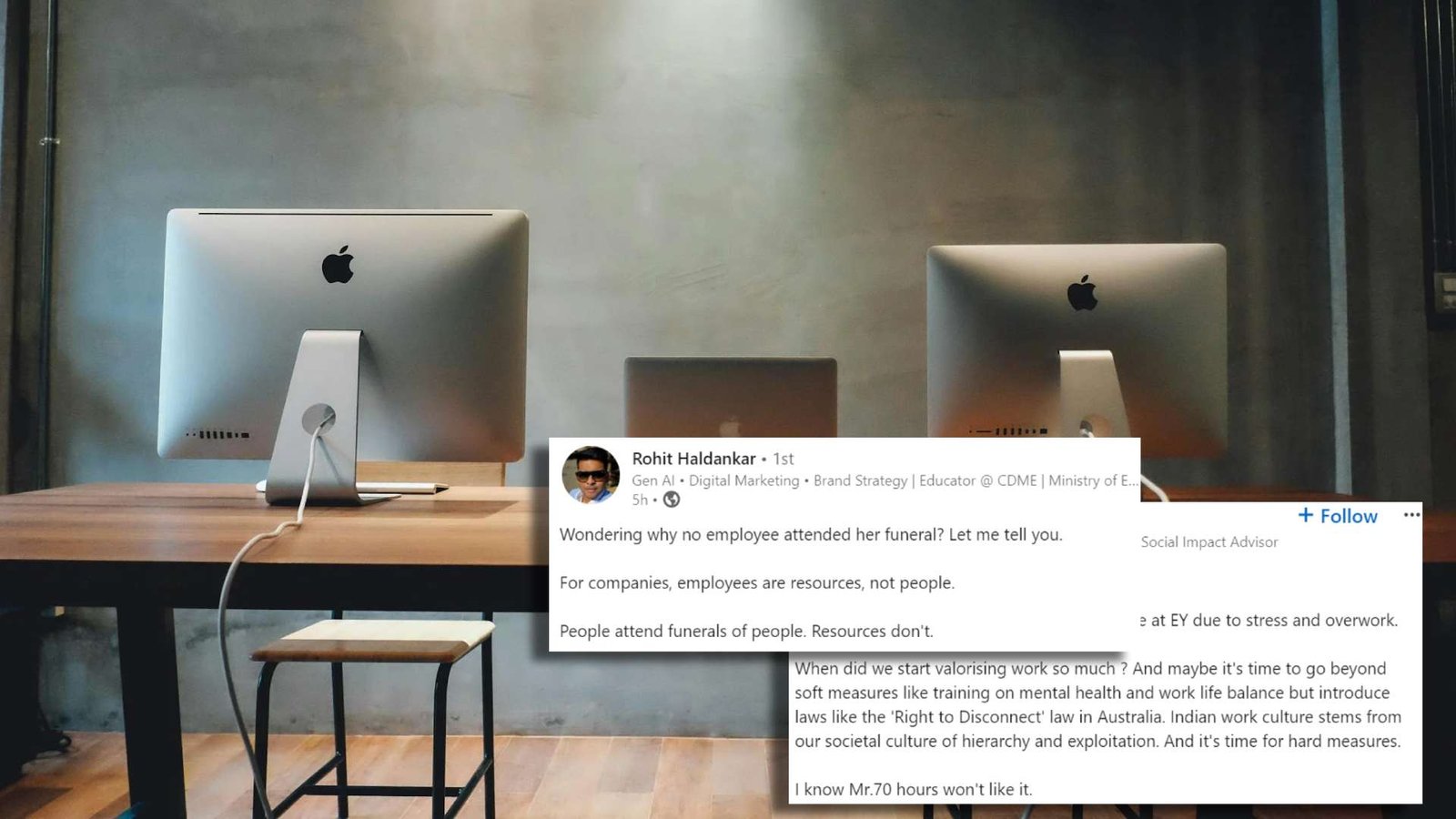
The case at hand centers on a mother whose daughter reportedly died due to excessive work demands, with her advocacy focusing on the culture within EY (Ernst & Young) and similar multinational firms operating within India. The narrative has galvanized public attention around the pressures of high-performance workplaces, especially in sectors where long hours are normalized and employee well-being may be deprioritized in favor of productivity and client service. The mother’s public statements emphasize that no EY representative attended her daughter’s funeral, a detail that has underscored perceptions of corporate aloofness or indifference to individual hardship. This incident has triggered broader conversations about work-life balance, burnout, and the need for formal mechanisms—often termed a “right to disconnect”—to safeguard workers’ personal time and mental health.
The controversy sits at the intersection of corporate culture, national labor norms, and evolving expectations from employees about their employers’ responsibilities beyond the workplace. In India, as in many parts of the world, there is growing pressure on policymakers, industry leaders, and human resources professionals to address the human costs of rapid economic growth and globalized work practices. Proponents of stronger disconnect rights argue that employees should have clearly defined boundaries and policies that prevent work from encroaching on personal time, particularly after working hours or during vacations. Critics of such reforms might contend with concerns about competitiveness and client obligations but acknowledge the need for sustainable workplaces.
This subject matters beyond a single case; it reflects the larger trend of companies reexamining how they manage workloads, support mental health, and communicate with families affected by work-related incidents. Media coverage has helped bring these issues into the public domain, pressing for accountability and reforms that can reduce the risk of similar tragedies in the future. The broader conversation includes the role of corporate governance, HR practices, and the legal framework governing employee rights, burnout mitigation, and permissible work hours. As stakeholders weigh potential reforms, the focus remains on ensuring that employees are not subjected to unsustainable demands and that there are clear channels for reporting concerns without fear of retaliation.
In-Depth Analysis
The central claim involves a worker whose daughter reportedly succumbed to health complications intensified by excessive work demands and a lack of adequate rest and support. The mother’s public appeal highlights a perceived failure in corporate leadership to acknowledge and address the underlying factors that contributed to the tragic outcome. This framing emphasizes how organizational culture—particularly in professional services firms with global footprints—can shape the daily experiences of employees at the ground level.
Several layers of analysis emerge:
Workplace Culture and Burnout: High-pressure environments, billable-hour targets, asynchronous global operations, and demanding client expectations can create a culture where overtime becomes normalized. While such a culture may drive performance and revenue, it can simultaneously erode employee health and personal life. Burnout, a recognized syndrome characterized by emotional exhaustion, depersonalization, and reduced personal accomplishment, has well-documented consequences for both individuals and organizations, including decreased productivity, higher attrition, and long-term health costs.
Corporate Accountability and Responsiveness: The absence of visible engagement from EY during the period of mourning and funeral arrangements has amplified perceptions of indifference. Accountability in corporate settings encompasses not only crisis response but also ongoing governance, risk management, and the welfare of employees. Stakeholders expect firms to respond with empathy, transparency, and concrete actions that address root causes of overwork and stress.
Right to Disconnect: The concept advocates for employees’ ability to disengage from work communications and responsibilities outside designated work hours without penalty. Proponents argue that such policies reduce burnout, improve mental health, and foster healthier work environments. In India, discussions around a formal right to disconnect have gained traction as technology enables constant connectivity across borders, making boundaries harder to sustain.
Legal and Policy Context: National labor laws and occupational safety standards increasingly recognize mental health as a workplace concern. However, the specifics of enforceable limits on working hours, compensation for overtime, and protections against retaliation for reporting concerns vary by jurisdiction and sector. In professional services and tech, where global delivery chains can complicate scheduling, there is a need for harmonized practices that safeguard employee welfare without compromising business needs.
Media and Public Discourse: Coverage of this case contributes to shifting public expectations. When families publicly challenge corporate practices, it intensifies pressure on organizations to demonstrate responsible leadership and implement preventive measures. Public discourse often translates into policy considerations, prompting lawmakers to evaluate existing frameworks and potential reforms related to work hours, mental health resources, and employee protections.
Implications for EY and Similar Firms: For a firm operating in a global market, reputational risk is a critical consideration. Beyond the immediate tragedy, there is a broader imperative to audit internal processes—workload distribution, staffing levels, support resources, escalation protocols for fatigue-related concerns, and the accessibility of counseling or employee assistance programs. Firms may be urged to publish transparency around overtime practices, incident reporting, and the steps taken to reduce undue work-related stress.
Broader Societal Context: The debate about work intensity intersects with labor market dynamics, gender roles (as many caregiving responsibilities fall on family members, often women), and economic pressures that influence career decisions. Societal expectations about professional achievement can obscure the human costs that accompany high-performance cultures. Addressing these challenges may require a combination of corporate leadership, policy interventions, and cultural change within industries.
The analysis invites a careful, balanced examination of best practices that can reconcile the need for high-quality client service with employee well-being. For instance, transparent workload management, regular wellness check-ins, mandatory rest periods, and explicit disconnect guidelines can form part of a comprehensive strategy. Training for managers on recognizing burnout signs, providing supportive conversations, and offering timely referrals to mental health resources can also be crucial. Additionally, establishing safe channels for reporting concerns without fear of retaliation can empower employees to raise issues early, potentially preventing catastrophic outcomes.
The situation also underscores the role of funeral and bereavement practices in corporate contexts. When employees or family members experience bereavement, timely and respectful communication from the employer—along with flexibility around schedules—can significantly ease a distressing period. The absence of such engagement can be interpreted as disengagement from employee welfare, further fueling public concern and scrutiny.
In terms of data and verification, precise details about the case, including the specific health conditions involved, the timeline of work-related events, and the formal responses from EY or regulatory bodies, are essential to provide a thorough and accurate account. Given the sensitivity of the subject, it is important to present verified information and to distinguish between confirmed facts, ongoing investigations, and public statements made by various parties.
Perspectives and Impact
The incident has provoked a spectrum of reactions from different stakeholders:
Employee Voices: Current and former employees may share experiences of long hours, high pressure, and the availability expectations embedded in certain corporate cultures. Such testimonies illuminate how day-to-day workflows impact personal health, family life, and long-term career satisfaction. They can also drive calls for structural changes in workload distribution, staffing, and managerial oversight.
Management and Leadership: Corporate leaders might respond by reaffirming commitments to employee welfare, detailing steps to monitor workloads, provide mental health resources, and establish clearer respect for boundaries. Transparent governance practices and a demonstrated willingness to adjust policies in response to concerns can mitigate reputational damage and improve morale.

*圖片來源:description_html*
Regulators and Policymakers: The case contributes to ongoing debates about labor standards, mental health protections, and the right to disconnect. Policymakers may consider legislative updates that clarify permissible work hours, enforceable rest periods, and mechanisms for employers to demonstrate compliance. In India, where the digital economy and outsourcing sectors are significant, such reforms could influence a broad range of industries beyond professional services.
Investors and Clients: Stakeholders who rely on EY and similar firms for services may scrutinize how firms manage risk related to human capital. Client confidence can be affected if there is perceived negligence in protecting employees, especially when this could impact deliverables or quality of service. Conversely, a demonstrated commitment to employee welfare can enhance a firm’s reputation as a responsible provider.
Public and Civil Society: Activists and advocacy groups may press for systemic change, arguing that sustainable business practices depend on protecting workers’ health and autonomy. Public sentiment often shapes consumer and voter expectations, encouraging corporations to adopt ethical policies and transparent reporting.
The broader impact extends to the reputational ecosystem of global professional services firms. When incidents bring attention to the human cost of demanding work cultures, there is often a ripple effect where organizations reexamine their human capital strategies, risk management, and corporate social responsibility profiles. The push for a right to disconnect is part of a wider movement toward sustainable work practices that value employee well-being as a strategic asset rather than a cost center.
Future implications include potential shifts in how firms design intake and staffing models for peak periods, how they set and monitor realistic project timelines, and how they embed mental health and wellbeing into corporate culture. If policymakers enact stronger disconnect protections, organizations may need to revise policies, invest in technology and processes that support remote coordination without enabling perpetual connectedness, and train leadership to model healthier work boundaries.
The case thus stands as a touchpoint in ongoing conversations about balancing corporate performance with humane working conditions. It underscores the necessity for proactive measures—rather than reactive apologies—for creating workplaces where employees can sustain long-term careers without compromising their health or personal commitments. In the end, the goal is an environment where high performance and high care are not mutually exclusive, but mutually reinforcing.
Key Takeaways
Main Points:
– Allegations link excessive work culture to a personal tragedy, highlighting systemic risks in high-pressure environments.
– Public calls for a formal right to disconnect reflect a demand for clearer boundaries between work and personal life.
– Corporate accountability and compassionate crisis response are central to rebuilding trust after such incidents.
Areas of Concern:
– Potential normalization of overwork in professional services.
– Gaps in mental health support and employee welfare mechanisms.
– Adequacy of funeral and bereavement outreach from employers during times of personal loss.
Summary and Recommendations
The case at hand spotlights a critical question facing contemporary workplaces: how to sustain rigorous professional standards while safeguarding employee health and dignity. If EY and similar firms wish to mitigate reputational risk and foster sustainable performance, several steps are advisable:
Conduct a comprehensive workload assessment across teams, with transparent metrics for hours worked and overtime distribution. Ensure staffing levels align with project demands to prevent chronic overwork.
Establish and enforce a clear right-to-disconnect policy that applies to all employees, detailing when interruptions are permissible and how employees can step away without penalty. Provide training for managers to respect these boundaries and model healthy behavior.
Invest in mental health resources, including confidential counseling, stress management programs, and well-being days. Normalize seeking help without stigma and ensure accessibility for all employees, including those in remote or offshore locations.
Improve crisis response and bereavement protocols. Create standardized communications that acknowledge personal losses, offer flexibility, and demonstrate solidarity with employees and their families.
Increase transparency around overtime practices and employee welfare initiatives. Publish annual reports on burnout indicators, wellness program participation, and outcomes of any reforms to show accountability and progress.
Encourage external accountability mechanisms, such as independent audits of work culture and employee welfare, to provide credibility and reassurance to clients, employees, and the public.
Policymaker engagement: Dialogue with regulators about potential enhancements to labor laws and the introduction or strengthening of disconnection provisions. Consider pilot programs or sector-specific guidelines that balance business needs with worker protections.
In closing, the tragedy that sparked this discussion serves as a catalyst for meaningful change. While it is essential to honor the memory of the individual involved, the broader objective is to translate empathy into effective action. Organizations that confront these challenges head-on—not with cosmetic reforms but with substantive, verifiable changes—are better positioned to retain talent, sustain performance, and contribute to a healthier, more humane work culture. The path forward requires collaboration among corporations, employees, regulators, and civil society to establish norms that respect both the demands of the market and the fundamental right of individuals to disconnect from work when needed.
References
- Original: https://in.mashable.com/tech/82410/mother-slams-eys-toxic-work-culture-over-daughters-death-by-overwork-internet-demand-right-to-discon (Mashable)
- Add 2-3 relevant reference links based on article content (to be appended by user or editor, ensuring accuracy and relevance)
Note: The rewritten article is composed to reflect balanced, objective reporting while preserving the core facts and evolving public discussion around work culture, burnout, and disconnect rights. If you have access to additional verified details or quotes, I can incorporate them to further enhance accuracy and depth.

*圖片來源:Unsplash*