TLDR
• Core Points: NHTSA opened an investigation after a Waymo robotaxi struck a child near a school during routine drop-off; child’s identity undisclosed; incident occurred January 23.
• Main Content: Vehicle was in autonomous mode or monitored during a standard school drop-off window; child emerged from behind a tall SUV and moved into the robotaxi’s path.
• Key Insights: The event underscores ongoing regulatory scrutiny of autonomous vehicle safety near vulnerable locations like schools; data on vehicle mode, speed, and driver attentiveness are central to the investigation.
• Considerations: How autonomous systems detect pedestrians, the role of human supervision, and whether the scene triggered any emergency maneuvers.
• Recommended Actions: Transparent release of NHTSA findings and Waymo’s safety data; continued independent reviews; enhancements to pedestrian detection near school zones.
Content Overview
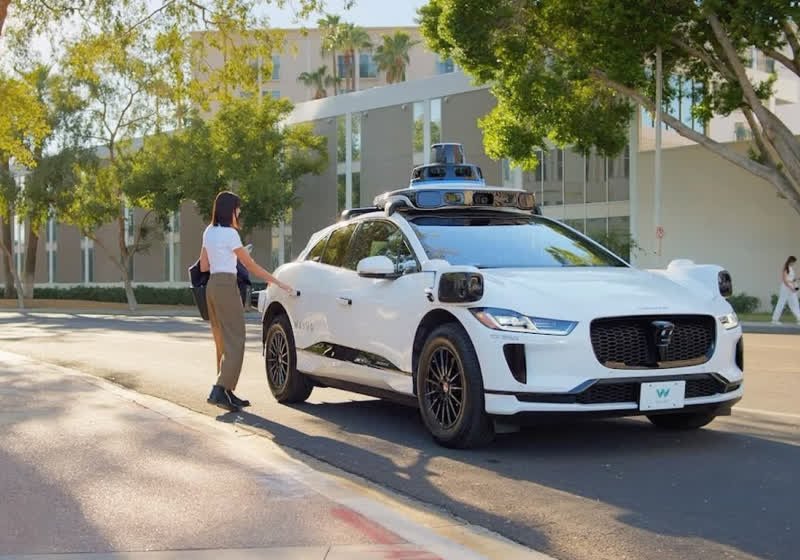
The U.S. National Highway Traffic Safety Administration (NHTSA) has initiated an official probe into a Waymo robotaxi incident that occurred near a school during a routine drop-off period. While the precise circumstances and vehicle data are still under review, initial descriptions indicate that a child unexpectedly entered the roadway from behind a tall SUV, entering the path of a Waymo autonomous vehicle operating at or near the time of school drop-off. The child’s identity and other personal details have not been disclosed publicly, as is common in early-stage safety investigations involving minors.
Waymo, the autonomous vehicle subsidiary of Alphabet, stated that the accident occurred on January 23, a weekday when school traffic typically peaks. The robotaxi involved was navigating a populated area adjacent to a school site, a scenario that raises particular safety concerns given the proximity of pedestrians, children, and parked vehicles. The company has emphasized that the incident is under investigation and has cooperated with NHTSA in its review.
NHTSA’s interest in this case reflects a broader federal emphasis on understanding how autonomous driving systems respond in real-world, complex environments—especially during times when children and other pedestrians are present near schools, crosswalks, and bus stops. The investigation will likely examine multiple aspects, including sensor performance, vehicle software behavior, the sequence of decisions made by the autonomous system, any human monitoring or intervention, and the effectiveness of emergency braking or avoidance maneuvers under emergency scenarios.
The exact details of the vehicle’s mode at the time of the incident (fully autonomous, supervised autonomy, or manual control) and the specific sensor inputs used to detect the child remain to be determined. NHTSA investigations typically involve collecting event data recorders, sensor logs, and camera footage, as well as reviewing the system’s decision-making algorithms and fail-safes. In addition, investigators assess whether there were any contributing factors such as the child’s sudden entry into the roadway, visibility conditions, the surrounding traffic configuration, and any potential obstructions that could have hindered the robotaxi’s perception.
This incident adds to a growing public conversation about the safety trade-offs inherent in autonomous driving technology. While autonomous vehicles reduce certain types of risk by removing human error in driving, they introduce new challenges—particularly in dynamic urban environments with unpredictable pedestrians. Regulators, manufacturers, and researchers are focusing on improving pedestrian detection at various distances, reaction times, and the ability to anticipate human behavior in borderline scenarios such as school zone drop-off lines.
As the investigation progresses, observers will be looking for clear, transparent explanations about how Waymo’s system performed in this scenario, what sensors were active, and whether any autonomous safety measures could be enhanced to better protect children and other pedestrians near schools. The broader takeaway for the public will hinge on whether this incident reveals systemic issues within the technology or represents an isolated incident that will inform future safety improvements.
The timing of the NHTSA inquiry is also notable given ongoing public and political attention to autonomous vehicle safety standards and regulatory frameworks. The agency’s findings could influence future guidelines or requirements for autonomous driving systems operating near schools or other high-pedestrian-traffic zones. For Waymo and similar companies, the investigation underscores the importance of rigorous, publicly defensible safety data, robust testing in varied environments, and proactive communication with regulators and the communities in which autonomous vehicles operate.
In-Depth Analysis
The incident under review occupies a critical space in the safety narrative surrounding autonomous vehicle technology. It occurred during a period when many school districts experience heightened traffic flow and a concentration of pedestrians, including young children who may be less predictable in their movements. The core question investigators will pursue is whether the Waymo robotaxi detected the child in time, and if not, why detection failed or why the decision was not executed as intended by the vehicle’s control system.
A central objective of NHTSA’s inquiry will be to determine the exact operating mode of the Waymo vehicle at the time. Was the car in a full autonomous mode with no human driver, or was a safety driver monitoring the vehicle with the ability to take over if necessary? If a human supervisor was present, investigators will want to understand the level of intervention and the timing of any manual override actions. If the vehicle was in a supervised autonomy state, questions about the readiness, attentiveness, and decision-making of the observer become relevant.
Sensor technology lies at the heart of autonomous perception. Waymo’s fleet relies on an array of LiDAR, radar, and camera systems designed to detect pedestrians, bicycles, animals, and other obstacles. These systems pass information to perception algorithms that classify objects and predict trajectories, enabling the vehicle to plan safe paths and, when necessary, execute braking or evasive maneuvers. In a scenario where a child darts from behind a tall SUV, the system’s field of view, occlusion handling, and processing latency become critical. If an occlusion—such as the tall vehicle in front—obscured the child momentarily, the robotaxi would need to rely on alternative signals and predictive modeling to anticipate a pedestrian’s entry into the roadway.
Additionally, environmental factors must be considered. Lighting conditions around school drop-off zones can be challenging, with glare from sunlight, shadows cast by parked cars, and the presence of other vehicles that may visually block a pedestrian. The behavioral pattern of children, who may move unpredictably and quickly, presents another layer of complexity for autonomous systems trained on a variety of traffic scenarios. A comprehensive analysis will involve a review of recorded footage from multiple angles, sensor logs, and timing data to determine whether the perception-to-action loop functioned within expected safety margins.
Another area of interest is how Waymo’s system prioritized the potential collision avoidance path. In a controlled urban environment, autonomous vehicles are programmed to balance multiple factors: maintaining a safe distance from leading vehicles, ensuring pedestrian safety, obeying traffic laws, and obeying the vehicle’s own safety protocols. The investigation will examine whether the vehicle attempted to slow down, stop, or change its path when the child entered the roadway, and whether any system-level limitations prevented a timely and effective response. It is also relevant to determine whether there were any other factors, such as nearby vehicles, pedestrians, or road geometry, that influenced the decision-making process.
From a safety policy perspective, NHTSA’s investigation may explore whether current standards adequately account for the complexities of school zone operations. While many autonomous companies have demonstrated strong safety records in controlled environments and on certain road types, school zones present a unique combination of speed limits, crosswalks, crossing guards, and halted traffic that can affect system behavior. The agency’s findings could inform future regulatory guidance, including requirements for sensor redundancy, safer fallback modes, and more robust pedestrian-tracking capabilities in high-pedestrian areas.
The incident also highlights the importance of data transparency. In autonomous vehicle safety cases, regulators often request detailed data sets that include event data recorder logs, sensor streams, and algorithmic decision logs. Providing this level of detail helps external stakeholders assess the reliability and safety of autonomous driving systems and fosters public trust. For Waymo and other manufacturers, sharing thorough safety analyses—while protecting sensitive trade information—can contribute to a clearer public understanding of how these vehicles behave in complex, real-world conditions.
Public reaction to autonomous vehicle incidents commonly reflects a mix of concern and curiosity. Some observers view such investigations as necessary steps to ensure the technology evolves safely, while others may interpret them as evidence that autonomous driving remains an unproven or risky approach. The industry response usually emphasizes ongoing safety improvements, including advances in perception, prediction, planning, and control, along with better human-vehicle interaction models. This incident serves as a data point in the broader evaluation of how autonomous systems perform when confronted with sudden, unpredictable pedestrian movements near schools.
In conducting the assessment, NHTSA will likely coordinate with Waymo’s safety program and may involve independent experts to ensure rigorous scrutiny. The process may include simulated reconstructions, which allow engineers to retest the same scenario in controlled conditions to understand how different responses could have changed the outcome. The agency’s final report could include safety recommendations, possible design changes, and any regulatory actions that may be warranted to prevent similar incidents in the future.
Beyond the immediate case, the investigation feeds into ongoing efforts by policymakers, researchers, and industry players to refine autonomous vehicle safety. This includes improving sensor fusion, enhancing object tracking continuity during occlusions, and developing more reliable prediction models for human behavior. It also prompts discussions about the role of human operators in supervising autonomous vehicles, the level of oversight required in high-pedestrian areas, and the standards for how and when autonomous vehicles should disengage or revert to conservative driving modes to maximize pedestrian protection.
The incident’s proximity to a school adds practical implications for community relations and public confidence. Schools and families expect safety to be a top priority, particularly during student arrival and dismissal times. Transparent communication about how autonomous vehicles will operate in these sensitive contexts is essential for building trust. Communities may seek assurances about improved pedestrian detection around schools, clearer signaling when autonomous vehicles are in the vicinity, and potential traffic management measures to reduce vulnerability during peak drop-off periods.

*圖片來源:Unsplash*
Waymo’s response to the incident will also shape public perception. The company’s willingness to cooperate with regulators and to share relevant safety data can influence confidence in autonomous vehicle technologies. Conversely, delays in providing information or perceived gaps in safety documentation could fuel skepticism. It is important for manufacturers to demonstrate a proactive posture—investing in more robust testing in school-zone-like environments, publishing neutral safety assessments, and continuing to refine perception and decision-making systems to better handle edge cases involving children and other pedestrians.
As the investigation unfolds, stakeholders should monitor several evolving threads: improvements in emergency braking algorithms and their speed of response to sudden pedestrian appearances; enhancements in sensor redundancy to counteract occlusions; better integration of external data, such as local school zone schedules and traffic patterns; and ongoing assessments of how autonomous systems prioritize safety across different driving contexts. These improvements collectively contribute to reducing the likelihood of similar incidents and advancing the overall safety profile of autonomous driving technologies.
Ultimately, the NHTSA investigation into the Waymo robotaxi incident near a school will contribute to a broader understanding of how autonomous vehicles perform in real-world environments where unpredictability and high pedestrian presence intersect with complex traffic dynamics. The outcome could influence future safety standards, inform industry best practices, and guide how carmakers design autonomous systems to better protect vulnerable road users, particularly during the critical periods of school drop-offs and pickups.
Perspectives and Impact
The Waymo incident, now under formal examination by the NHTSA, arrives at a crossroads for the autonomous vehicle industry. On one hand, the case underscores the progress of robotaxi technologies in navigating complex urban landscapes with minimal or no human intervention. On the other hand, the incident highlights ongoing concerns about pedestrian safety, especially involving children near schools, where unpredictable human behavior and dense traffic create challenging safety margins.
Regulators’ scrutiny in this case aligns with a broader regulatory strategy aimed at ensuring that autonomous driving systems perform reliably in real-world scenarios. NHTSA’s investigations often seek to determine whether a vehicle complied with applicable federal motor vehicle safety standards and, if necessary, recommend updates to standards or new requirements. The agency’s findings can influence not only the company involved but also the broader market, potentially prompting other manufacturers to reinforce sensor capabilities, update software, or adopt stricter safety protocols for high-pedestrian-risk environments.
From an industry perspective, the incident may accelerate collaborations between automakers, technology providers, and local jurisdictions to establish clearer guidelines for autonomous operation in school zones. These collaborations could encompass defining safe operating envelopes, setting explicit expectations for how autonomous systems should respond to children suddenly entering roadways, and creating standardized reporting practices for near-m misses and collisions involving autonomous vehicles. The goal would be to minimize risk while maintaining the momentum of innovation and deployment.
Public dialogue around the incident will likely emphasize several themes: transparency, accountability, and continuous improvement. Many stakeholders advocate for independent safety assessments and public release of data that can help the broader community understand how autonomous systems work and how safe they are in practice. There is also interest in the human factors involved—how drivers or safety operators interact with the autonomous system, how tasks are assigned between the car and a human, and how well the system communicates its intentions to pedestrians and other road users. Improving human-machine communication could reduce the likelihood of misinterpretation by pedestrians who may misread an autonomous vehicle’s behavior.
The incident may also influence insurers and liability frameworks. As autonomous technology becomes more pervasive, determining responsibility in the event of a pedestrian injury or fatality becomes increasingly complex. Clear guidelines on fault attribution, data sharing, and compensatory mechanisms will be essential as the technology evolves and is deployed across more communities, including school zones and other high-risk areas.
In terms of future implications, the Waymo case could lead to targeted research in areas such as occlusion handling, where objects are temporarily hidden by other vehicles or infrastructure; predictive modeling of child pedestrian behavior; and the development of stronger fallback strategies when perception is challenged. Researchers may also explore ways to optimize the risk-averse behavior of autonomous systems in sensitive areas, potentially prioritizing pedestrian protection even if that means more conservative vehicle behavior in certain situations.
Communities near schools will be watching closely for the outcomes of the investigation and any announced safety measures. The presence of autonomous vehicles in school zones has potential benefits, such as reducing traffic congestion and improving on-time arrival for students, but these benefits must be balanced against the imperative to protect children from harm. The resolution of this case will likely influence local policies on where and how autonomous vehicles can operate in school vicinity, including potential speed restrictions, dedicated lanes, or school-zone time windows for autonomous fleets.
Finally, the case may shape the perception of Waymo as a safety-focused leader within the autonomous vehicle sector. Demonstrated commitment to safety through comprehensive investigations, rapid corrective actions, and transparent communication can reinforce trust with regulators, customers, and the general public. Conversely, any perceived shortcomings in safety governance could generate skepticism and potentially slow adoption in certain markets. The outcome will influence not only Waymo’s reputation but also the broader trajectory of autonomous technology adoption in communities that host schools and other sensitive pedestrian zones.
Key Takeaways
Main Points:
– NHTSA opened an investigation into a Waymo robotaxi incident near a school after a child entered the roadway from behind a tall SUV, triggering potential safety concerns around pedestrian detection.
– The exact vehicle mode, sensor data, and decision-making process at the time of the incident are under review, with emphasis on how the system handled occlusion and sudden pedestrian appearance.
– The case could influence future safety standards and regulatory guidance for autonomous vehicles operating in school zones and other high-pedestrian areas.
Areas of Concern:
– Effectiveness of pedestrian detection and occlusion handling in urban environments with obstructed views.
– The role of human supervision and engagement in supervised autonomy scenarios.
– Transparency and accessibility of safety data to regulators and the public.
Summary and Recommendations
The NHTSA investigation into Waymo’s robotaxi incident near a school marks a pivotal moment in the ongoing assessment of autonomous vehicle safety in high-pedestrian-risk environments. While the immediate circumstances involve a child unexpectedly entering the roadway, the broader significance lies in understanding how perception systems, decision-making algorithms, and control mechanisms respond under occlusion and in dynamic, real-world contexts. The findings will likely influence safety standards, industry practices, and community trust in autonomous mobility.
To advance safety and public confidence, several actions are recommended:
– Waymo and other manufacturers should continue to provide transparent, detailed safety data to regulators and independent researchers, including event data, sensor logs, and decision-making traces, while protecting sensitive information.
– Regulators should consider refining guidance for autonomous operation near schools, including enhanced pedestrian detection requirements, stricter occlusion handling performance, and clearly defined safe operating speeds in school zones.
– Industry players should prioritize improvements in perception fusion, prediction accuracy for human behavior, and robust fallback strategies that prioritize pedestrian protection without compromising essential mobility benefits.
– Public communication should emphasize ongoing safety improvements, lessons learned from incidents, and concrete steps being taken to reduce similar events in the future, particularly during school drop-off and pick-up periods.
Overall, the incident underscores the continuing evolution of autonomous vehicle technology and the need for rigorous safety oversight, robust engineering advancements, and transparent collaboration among manufacturers, regulators, and communities to ensure safer roads for children and all pedestrians.
References
- Original: https://www.techspot.com/news/111131-nhtsa-opens-investigation-waymo-after-robotaxi-hits-child.html
- Related: [Add 2-3 relevant reference links based on article content]

*圖片來源:Unsplash*