TLDR
• Core Points: Nvidia may unveil official Linux support for GeForce Now as early as this week; promotional materials hint at new game additions like 007 First Light, Crimson Desert, Resident Evil Requiem, and Active Matters.
• Main Content: The proposed Linux support and upcoming library additions indicate Nvidia’s push to broaden GeForce Now’s appeal across more platforms and titles.
• Key Insights: The move aligns with growing demand for cloud gaming on Linux and could improve accessibility for Linux users; official confirmation and performance details remain pending.
• Considerations: Availability, performance parity with other platforms, and potential regional limitations will influence adoption.
• Recommended Actions: Monitor official Nvidia announcements, test compatibility if you’re a Linux user, and consider cloud gaming benefits versus local hardware constraints.
Product Specifications & Ratings (Product Reviews Only)
N/A
Content Overview
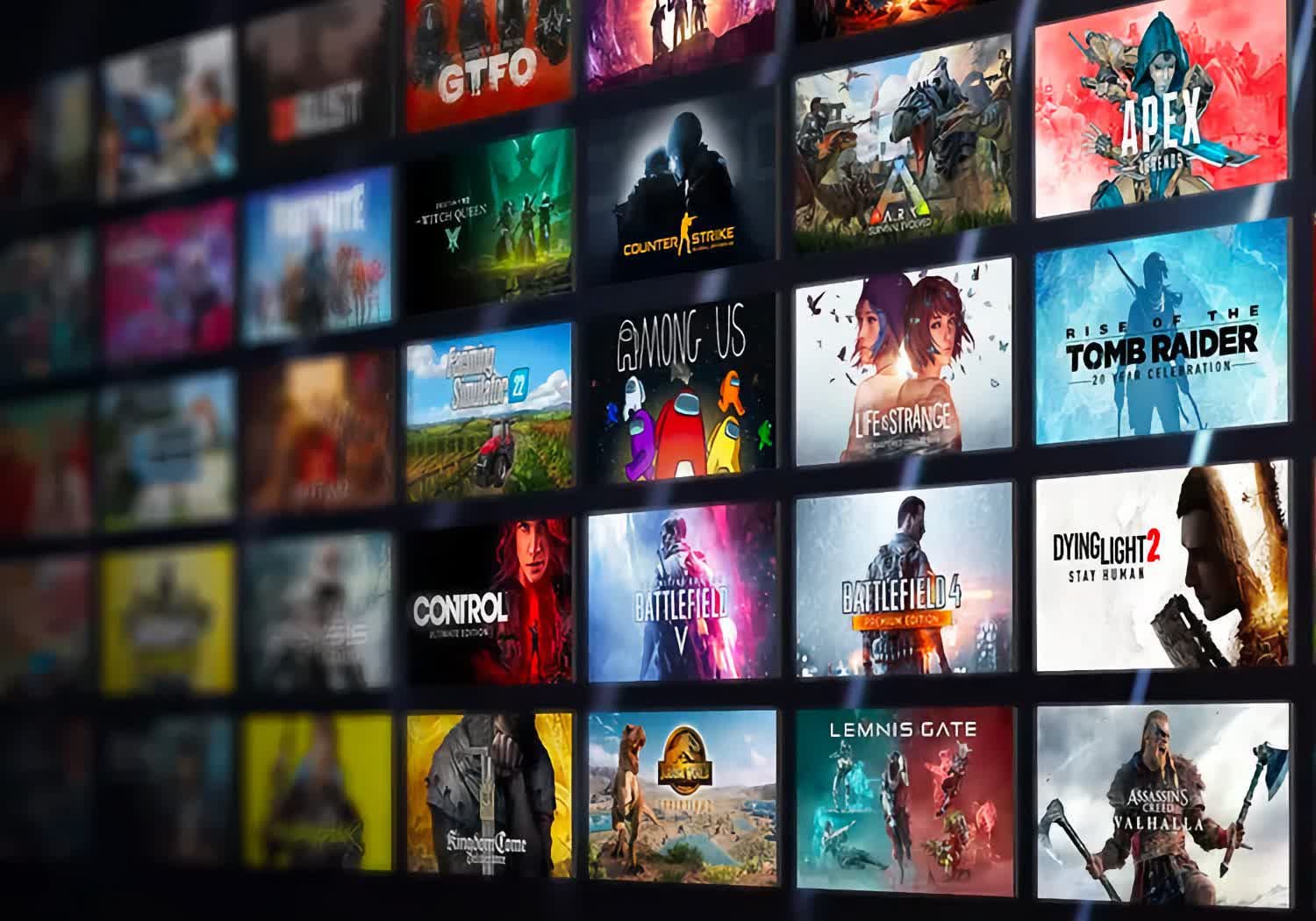
Nvidia’s GeForce Now cloud gaming service continues its expansion trajectory as reports suggest official Linux support could arrive as soon as this week. The same promotional materials also hint at a slate of new titles set to join the GeForce Now library, including 007 First Light, Crimson Desert, Resident Evil Requiem, and Active Matter. These developments reflect Nvidia’s ongoing strategy to broaden the service’s reach and diversify its catalog, potentially appealing to a broader audience of gamers who prefer or rely on Linux-based systems. While cloud gaming must contend with latency, bandwidth, and compatibility considerations, Nvidia’s emphasis on Linux support signals a recognition of the growing Linux gaming community and the platform’s increasing viability for cloud-based play. This article synthesizes the available information, offers context, and explores implications for users, developers, and the broader cloud gaming ecosystem.
In-Depth Analysis
The cloud gaming market has evolved rapidly over the past few years, with providers seeking to reduce barriers to entry for players who do not own high-end gaming rigs. Nvidia GeForce Now has positioned itself as a flexible solution, allowing users to stream games from the cloud to various devices, including Windows PCs, Macs, Shield TV devices, and certain mobile platforms. The potential addition of official Linux support would be a notable milestone, addressing a segment of gamers who operate on distributions such as Ubuntu, Fedora, Debian, and Arch, who have previously faced limitations or required workaround solutions to access GeForce Now.
What seems to be driving this development is a combination of demand signals and strategic alignment. Linux gaming has grown more robust in recent years, with a rising catalog of native titles and improved compatibility through tools like Proton and Steam Play. Cloud gaming on Linux can supplement this ecosystem by offering access to a broader library without requiring system-level changes or expensive hardware. If official Linux support is confirmed, Nvidia would likely need to address several considerations to ensure a positive user experience:
- Platform integration: Native Linux support would require a client app or a web-based interface that works reliably across popular distributions and desktop environments. The user experience must be smooth, with straightforward installation, authentication, and input handling (keyboard, mouse, and gamepad input).
- Performance and latency: Cloud gaming is sensitive to network conditions. Nvidia would need to optimize streaming bitrate, latency, and stability on Linux, potentially deploying server-side optimizations and ensuring compatibility with common drivers and GPU configurations used by Linux enthusiasts.
- Library parity: Users expect that the Linux client provides access to the same games as other platforms, or at least a transparent roadmap for any discrepancies. Nvidia’s promotions of 007 First Light, Crimson Desert, Resident Evil Requiem, and Active Matter suggest a commitment to expanding the catalog, but catalog parity and update cadence will be crucial.
- DRM and account management: Linux users may encounter DRM or driver-related caveats. Nvidia will need clear guidance on how GeForce Now integrates with Linux’s security and sandboxing models, along with straightforward user support channels.
- Regional availability and pricing: Cloud services often deploy in waves, with regional limitations or variable pricing. Nvidia’s rollout plan for Linux could mirror its approach on other platforms, balancing demand with operational capacity.
The reported titles also warrant attention. 007 First Light, Crimson Desert, Resident Evil Requiem, and Active Matter represent a mix of action-adventure and narrative-centric experiences, which could showcase the versatility of GeForce Now as a delivery mechanism for graphically demanding games. If these titles are indeed on the GeForce Now slate, it would reinforce Nvidia’s intent to keep the library compelling for both existing subscribers and potential new users who value a robust catalog alongside platform flexibility.
Beyond the immediate news, the broader implications for the cloud gaming market are meaningful. Linux users, historically underserved by mainstream game distribution channels, stand to gain greater access to a cloud-based gaming experience that reduces dependence on local hardware. For Nvidia, official Linux compatibility could broaden the service’s total addressable market, potentially increasing subscriber counts and engagement. It also places competitive pressure on other cloud gaming providers to deliver Linux-friendly options, which could, in turn, accelerate cross-platform interoperability and user-centric feature sets across the industry.
As with any pending launch, several questions remain. When will the Linux client or web interface be fully available? Will there be any feature limitations on Linux, such as reduced streaming resolutions, HDR support, or peripheral compatibility? How will Nvidia handle updates and game library changes on Linux? How quickly will new titles be rolled out on Linux compared with other platforms? Stakeholders will be watching for formal announcements, practical benchmarks, and independent user experiences once Linux support goes live.
In the meantime, the potential rollout highlights a broader trend: the cloud-based distribution of games is increasingly becoming platform-agnostic. The ability to access a broad catalog from multiple devices, including Linux-powered systems, could redefine how players think about hardware investments. Rather than pursuing the most expensive gaming PC, a user might opt for a capable Linux laptop or desktop paired with a reliable network and a GeForce Now subscription. This shift could influence both consumer purchasing behavior and game developers’ distribution strategies, as publishers recognize the value of cloud-backed initiatives that can reach a wider audience with lower friction.
It’s also worth considering how this development interacts with ongoing debates around digital rights management, data privacy, and dependency on a single provider for access to a player’s library. While cloud gaming abstracts away some hardware concerns, it also creates a central point of control by the provider. Users will want transparent terms of service, data handling policies, and robust customer support to address any disruptions that might arise from server maintenance or software updates. For Linux users in particular, community-driven testing and feedback will be important to refine the client experience and ensure broad compatibility across distributions and hardware configurations.
In summary, Nvidia’s possible introduction of official Linux support for GeForce Now, coupled with a continued expansion of its game catalog, underscores the company’s commitment to accessibility and platform inclusivity. For Linux enthusiasts who have long sought convenient access to high-end gaming experiences without sacrificing the open nature of their operating system, the news is encouraging. As with any major rollout, the market will respond based on the quality of the Linux client, the breadth of the library, and the service’s reliability in real-world network conditions. If Nvidia executes effectively, this could mark a significant step forward in making cloud-based gaming a truly cross-platform experience.

*圖片來源:Unsplash*
Perspectives and Impact
The potential Linux support for GeForce Now arrives at a time when cross-platform gaming and cloud options are increasingly shaping how players engage with digital entertainment. Linux users, once sidelined from many triple-A titles requiring Windows-based environments, stand to gain if cloud streaming eliminates the need for dual-boot setups or compatibility layers. The shift aligns with broader industry trends toward accessibility and device-agnostic gaming experiences. For publishers and developers, cloud gaming on Linux could simplify distribution across a wider audience, reduce piracy concerns through controlled streaming, and offer new monetization and discovery opportunities.
However, several challenges must be navigated. Linux distributions vary widely in package management, driver models, and kernel versions, which can complicate client development and support. Nvidia will need to invest in robust QA, cross-distro compatibility testing, and ongoing updates to address driver updates and kernel changes. The company may also face expectations around frame rates, latency budgets, and feature parity with Windows/macOS clients. The success of this initiative may hinge on clear communication about any limitations, transparent performance metrics, and a responsive support ecosystem.
From a consumer perspective, Linux compatibility could lower the barrier to entry for cloud gaming, particularly for enthusiasts who prefer open-source ecosystems or who repurpose hardware with Linux-installed operating systems. For such users, GeForce Now could become a practical alternative to more costly console upgrades or the maintenance of a gaming PC. For the broader market, Linux support signals a maturing cloud gaming sector that recognizes and validates non-Windows environments as legitimate gaming platforms.
Looking ahead, the interplay between Linux support and the expanding library could influence the competitive landscape. If GeForce Now establishes a strong Linux client with reliable performance and broad catalog availability, it may compel competitors to accelerate their own Linux strategies, potentially accelerating timelines for official Linux clients and cross-platform features. The long-term trajectory could include more cross-platform features, better integration with Linux-native services, and enhanced collaboration with game studios to optimize streaming performance across a variety of hardware configurations.
The reported game additions—007 First Light, Crimson Desert, Resident Evil Requiem, and Active Matter—reflect Nvidia’s broader strategy to diversify the GeForce Now catalog with a mix of action, adventure, and narrative-driven games. Each title presents different technical and design requirements, and their successful integration would demonstrate the service’s capacity to handle a heterogeneous library. If these games join GeForce Now in the near term, users may get a sense of tangible progress in the platform’s ability to keep pace with new releases and ongoing patient content updates.
From a developmental standpoint, Nvidia’s promotional materials often serve as both a market signal and a testbed for feature announcements. While it’s common for such materials to precede formal launch, the absence of official confirmation means potential subscribers should temper expectations. Nonetheless, the convergence of Linux support with an enhanced library could drive positive word-of-mouth within both Linux communities and cloud gaming enthusiasts, creating a broader base of early adopters who are eager to evaluate performance, ergonomics, and reliability.
In sum, the Linux-compatible GeForce Now initiative, coupled with new title additions, could be a noteworthy inflection point for cloud gaming’s accessibility and inclusivity. If Nvidia delivers a robust Linux client, strong performance, and a compelling catalog expansion, the move could accelerate the adoption of cloud gaming on Linux and influence future platform strategies across the industry.
Key Takeaways
Main Points:
– Nvidia may launch official Linux support for GeForce Now as early as this week.
– Promotional materials hint at new titles: 007 First Light, Crimson Desert, Resident Evil Requiem, and Active Matter.
– The combination of Linux support and a growing library signals broader platform accessibility for cloud gaming.
Areas of Concern:
– Official confirmation, launch timing, and regional availability remain uncertain.
– Performance parity, driver compatibility, and user support for Linux need demonstration.
– Potential limitations in features or catalog parity with other platforms.
Summary and Recommendations
The prospect of official Linux support for GeForce Now, paired with an expanded game library, presents a promising development for Linux gamers and cloud gaming enthusiasts. If Nvidia confirms the Linux client and delivers a stable, high-performance experience with broad library access, Linux users could gain a compelling, platform-agnostic route to play recent and upcoming titles without upgrading local hardware. Consumers should watch for formal announcements from Nvidia, note any stated prerequisites (such as minimum bandwidth or compatible Linux distributions), and consider testing the service when it becomes available on their systems.
For those evaluating cloud gaming options, the Linux factor adds a valuable dimension to the decision matrix. Prospective subscribers should assess network conditions, latency tolerances, and the reliability of their Internet connections, as well as the openness of the Linux environment to the GeForce Now client. If the Linux release proceeds smoothly and the catalog continues to grow, Nvidia could set a precedent that encourages broader cross-platform support across cloud gaming services.
Ultimately, the market’s response will hinge on the user experience: ease of setup, consistent performance, and transparent communication around any limitations or regional constraints. The convergence of Linux compatibility with an expanding title roster may well represent a meaningful step forward for cloud gaming’s accessibility and for Linux gamers seeking convenient, high-quality streaming options.
References
- Original: techspot.com
- Additional references (to be tailored when sources are confirmed; examples):
- Nvidia GeForce Now official announcements and Linux support pages
- Industry analyses on cloud gaming on Linux and cross-platform distribution
- Profiles of upcoming titles mentioned in the report and their platform availability

*圖片來源:Unsplash*