TLDR
• Core Points: OpenAI publicly criticizes Anthropic’s latest Super Bowl commercials, alleging misleading messaging and authoritarian positioning in AI advocacy.
• Main Content: Sam Altman uses X to condemn Anthropic’s ads, framing them as dishonest and anti-democratic in tone, while defending OpenAI’s approach to AI safety and governance.
• Key Insights: The feud underscores growing competition in AI policy framing and raises questions about advertising ethics, safety commitments, and transparency in AI development.
• Considerations: Industry watchers should assess how marketing narratives influence public perception of AI risk, governance, and regulatory prospects.
• Recommended Actions: Stakeholders may benefit from clearer, verifiable safety standards and proactive, constructive public dialogue about AI risk management.
Product Specifications & Ratings (Product Reviews Only)
N/A
Content Overview
The AI sector in early 2026 found itself in the midst of a public relations flare-up between two leading firms, OpenAI and Anthropic. The dispute centers on rhetoric and messaging surrounding artificial intelligence safety, governance, and the broader societal implications of increasingly capable AI systems. Anthropic released a series of Super Bowl television advertisements intended to highlight concerns about AI risk and to advocate for stronger regulatory and governance frameworks. OpenAI responded through its chief executive, Sam Altman, who publicly accused Anthropic of employing dishonest and authoritarian tactics in its marketing and messaging.
The exchange occurred against a backdrop of ongoing debates about how best to articulate AI risk to the public, how regulators should respond to rapidly advancing AI capabilities, and how tech companies should balance innovation with safety. Anthropic, known for its emphasis on uncertainty, alignment, and safety research, framed its ads as a call for caution and governance. OpenAI, which has pursued a mix of safety initiatives, public policy engagement, and ambitious product development, argued that Anthropic’s approach misrepresents the stakes and attitudes toward self-governance and industry collaboration.
This public disagreement highlights the competitive dynamics at play in the AI landscape, where firms not only compete over technology but also over the narrative surrounding safety, ethics, and policy. The Super Bowl ads represent a high-visibility attempt to sway public opinion and influence regulatory discourse, an objective shared by multiple players in the field. The incident invites broader reflection on the role of corporate messaging in shaping public understanding of AI risk, the standards by which safety claims are judged, and the mechanisms through which responsible AI development is pursued.
In-Depth Analysis
The clash between OpenAI and Anthropic over promotional messaging brings into focus several recurring themes in the AI industry: how companies communicate risk to the public, how safety and governance are framed in marketing, and how industry leaders position themselves amid regulatory discussions.
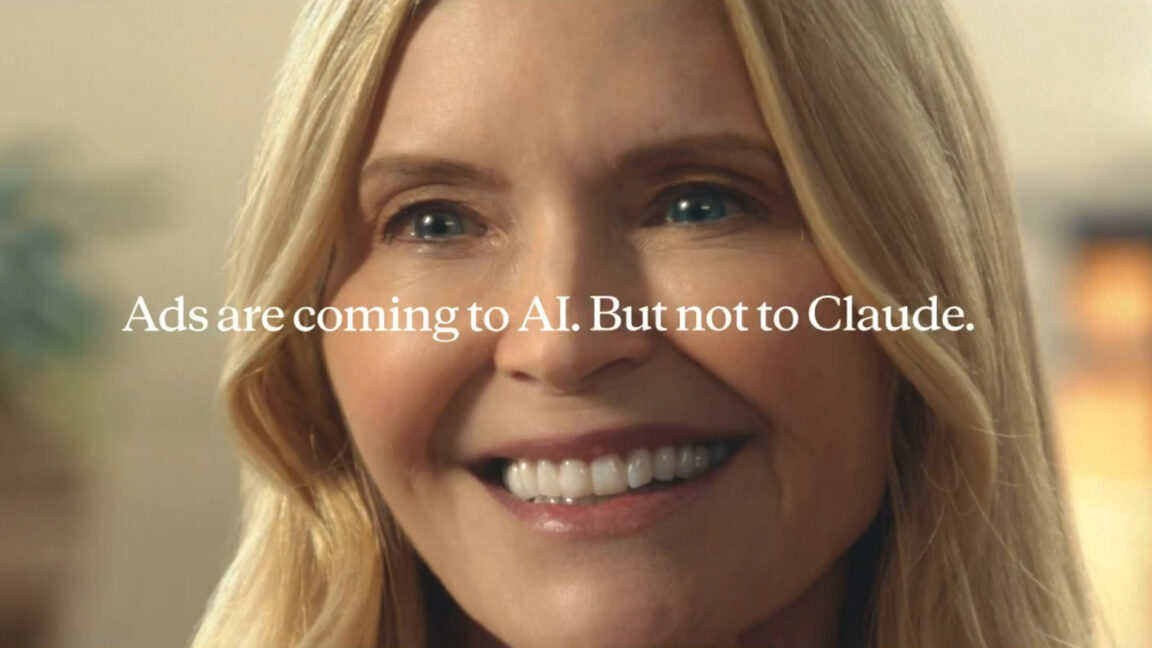
Anthropic’s Super Bowl ads were designed to raise awareness about AI risk and the broader need for thoughtful governance. The ads reportedly emphasized the potential dangers of sophisticated AI systems, seeking to foster debate about how AI should be deployed, monitored, and governed. This aligns with Anthropic’s wider narrative, which frequently centers on alignment research, robust safety measures, and conservative deployment of capabilities. The marketing strategy leveraged one of the most watched advertising opportunities of the year to draw attention to these concerns, aiming to influence policymakers, industry participants, and the general public.
OpenAI’s response, led by Sam Altman, asserted that Anthropic’s messaging crossed lines by presenting a characterization of AI risk and governance that Altman deemed dishonest and authoritarian. By labeling the messaging as dishonest, Altman suggested that Anthropic’s portrayal of AI risk or the governance solutions proposed by the company might mislead audiences about the actual capabilities and safety commitments of OpenAI or the broader industry. The term “authoritarian” signals a critique of the coercive or prescriptive tone attributed to Anthropic’s approach, implying a preference for more collaborative, transparent, and internationally aligned governance mechanisms.
Several factors underlie the importance of this exchange:
Framing of Risk: Both companies are attempting to shape public perception of AI risk, but they adopt different rhetorical strategies. Anthropic tends to emphasize precaution and governance as non-negotiable prerequisites for deployment. OpenAI, while acknowledging risk, emphasizes practical progress, safety features, and ongoing policy engagement as part of a broader ecosystem of responsible AI development.
Policy and Regulation Narrative: The ads touch on the perceived need for regulatory frameworks. Anthropic’s positioning appears to advocate for clear, robust governance protocols that may limit or structure how AI is developed and used. OpenAI’s stance has historically supported thoughtful policy discussions and engagement with regulators, but it also emphasizes continuing innovation and deployment of AI technologies in a responsible manner.
Industry Ethics and Transparency: The dispute raises questions about how companies validate and communicate safety claims, how independent verification can be achieved, and how marketing narratives can be aligned with verifiable safety outcomes. In a domain where public trust and policy influence are critical, the gap between marketing rhetoric and demonstrated practice can have lasting implications.
Competitive Landscape: The public spat demonstrates how competition extends beyond product capabilities into the realm of public perception and influence over regulatory environments. The tone and content of ads, as well as the responses they provoke, are part of a broader strategy to establish legitimacy and leadership in a rapidly evolving field.
Public Discourse and Accountability: When high-profile leaders engage in public criticism, it invites scrutiny of how tech companies communicate about risk. This includes evaluating whether ads present balanced views, acknowledge uncertainties, and avoid sensationalism that might mislead audiences about the current state of AI capabilities and safety measures.
The broader context of these developments includes ongoing debates about how governments should regulate AI, what constitutes adequate safety testing, how to address misalignment risks, and how international cooperation can be fostered in AI governance. Different stakeholders—tech companies, researchers, policymakers, and civil society—have varying perspectives on the urgency, scope, and methods of governance. Public confrontations between leading firms can influence legislative agendas, industry standards, and the allocation of resources toward safety research and policy advocacy.
Another dimension concerns transparency and accountability. Critics of marketing-led risk narratives argue for clearer, independently verifiable safety metrics, independent audits of AI systems, and standardized disclosures about capabilities, limitations, and safety controls. Proponents of aggressive innovation counter that overly cautious or alarmist messaging could chill beneficial progress or overlook the potential positive uses of AI. The balance between prudent risk management and continued innovation is a central tension in the industry, and public commentary from top executives can tilt the balance by shaping expectations and regulatory pressures.
In addition to the immediate exchange, observers may examine the long-term implications for how AI safety is funded and prioritized. If companies race to persuade the public and policymakers about who has the most responsible approach, the sector could experience shifts in investment toward safety research, governance solutions, and compliance infrastructure. Conversely, a highly adversarial tone could entrench suspicion and hinder productive dialogue, making cooperative efforts to establish shared standards more challenging.
*圖片來源:media_content*
The Super Bowl ad event also underscores the importance of accessible, accurate information for non-expert audiences. As AI systems become more capable and intertwined with everyday life, the need for clear explanations about risk, limitations, and governance grows. Marketing campaigns can reach broad audiences, but they also run the risk of oversimplification or misrepresentation. Ensuring that public messaging aligns with the complexity of AI risk and the realities of system capabilities remains a critical challenge for the industry.
Perspectives and Impact
Industry perspectives on this dispute vary. Supporters of Anthropic may view the ads as a principled push for stronger governance and safety emphasis, arguing that public attention to risk is essential for preventing harmful deployment of AI technologies. They might contend that marking the need for careful oversight as unimportant or as an obstacle to innovation would be shortsighted given the potential for AI to impact civil society, labor markets, and national security.
Supporters of OpenAI could argue that the company has long engaged with policymakers, researchers, and industry partners to advance responsible AI deployment. They might assert that OpenAI’s emphasis on practical safeguards, transparency about capabilities, and collaboration with regulators reflects a constructive approach to governance. For some observers, the controversy highlights a healthy debate about how best to balance progress and safety, with both organizations contributing to a broader conversation about the risks and opportunities of AI.
Regulators and policymakers are watching the exchange with interest. The public nature of the disagreement brings to the fore questions about what constitutes credible safety standards, how to evaluate claims about alignment and safety, and which governance models best support both innovation and risk mitigation. Some policymakers may use this moment to advocate for more formal regulatory frameworks, while others may push for voluntary industry standards and consensus-building initiatives among major AI developers.
The incident may have implications for talent acquisition and investor confidence. Public disputes among AI leaders can influence perceptions of a company’s culture, risk tolerance, and long-term strategic posture. Investors may seek greater clarity on safety metrics, independent audits, and the tangible outcomes of governance investments as they assess the potential for risk-related liabilities or reputational exposure.
From a societal viewpoint, the exchange emphasizes the ongoing challenge of communicating about AI risk to diverse audiences. Public understanding of AI safety relies on accurate representation of capabilities, limitations, and the effectiveness of governance mechanisms. If marketing messages are misaligned with technical realities, there is a risk of eroding trust in both industry and institutions tasked with overseeing AI development. Therefore, it becomes crucial for all parties involved to pursue transparent, evidence-based communication.
The broader trajectory of AI governance involves not just reactive responses to incidents or advertising campaigns but proactive, systemic efforts to establish norms and standards across the industry. Initiatives that promote independent verification, cross-industry collaboration, and transparent disclosure can help build confidence in AI safety efforts. The conversation initiated by Anthropic and OpenAI might contribute to a longer-term push for shared governance frameworks that balance safety with practical innovation.
The debate also intersects with ethical considerations around accessibility and inclusivity in AI governance. As AI systems become more embedded in daily life, ensuring that governance approaches reflect diverse stakeholder perspectives becomes increasingly important. This includes considering impacts on workers, marginalized communities, and global regions with varying regulatory landscapes. Effective governance may require multinational cooperation and alignment on core safety principles that transcend national boundaries.
Looking ahead, observers anticipate how this dispute will influence competitive dynamics in the AI space. If Anthropic and OpenAI continue to publicly challenge each other, stakeholders can expect heightened scrutiny of each company’s safety track record, funding for research, and transparency initiatives. This dynamic could incentivize both firms to accelerate independent validation, publish safety metrics, and demonstrate constructive collaboration with policymakers and researchers. Such outcomes could ultimately advance the broader field’s reliability and public trust, even as competitive tensions persist.
Key Takeaways
Main Points:
– A high-profile public clash over AI safety messaging occurred between OpenAI and Anthropic, centered on the intent and tone of Super Bowl ads.
– Anthropic framed its campaign as a call for stronger governance and safety measures in AI development.
– OpenAI’s Sam Altman criticized Anthropic’s messaging as dishonest and authoritarian, signaling deep differences in public risk communication strategies.
Areas of Concern:
– Marketing campaigns risk oversimplifying complex AI safety debates and may mislead non-expert audiences.
– Public disagreements among leading AI firms can influence regulatory expectations and policy directions.
– There is a need for independent verification and transparent safety metrics to build trust in safety claims.
Summary and Recommendations
The controversy between OpenAI and Anthropic over the messaging surrounding AI risk underscores the powerful role of marketing in shaping public perception and policy discourse. While Anthropic advocates for robust governance and safety principles, OpenAI emphasizes collaboration, transparency, and ongoing innovation as pillars of responsible AI development. The exchange illustrates the industry’s broader struggle to balance urgency in risk governance with the momentum needed for technological progress.
For industry stakeholders, the incident suggests several practical steps. First, there is value in establishing clearer, independently verifiable safety metrics and disclosures that allow the public and regulators to assess claims about alignment, control, and risk. Second, constructive dialogue and collaboration among leading AI developers, researchers, and policymakers can help produce shared standards and best practices that transcend individual corporate narratives. Third, public communications about AI risk should strive for accuracy, nuance, and an explicit acknowledgement of uncertainties, avoiding rhetoric that could mislead audiences about the capabilities or governance requirements of current systems.
Ultimately, the AI safety and governance conversation benefits from a balanced approach that recognizes both the transformative potential of AI technologies and the legitimate need to manage associated risks. The Anthropic/OpenAI exchange may contribute to a more informed, evidence-based public discussion if it spurs concrete actions—such as independent audits, transparent reporting, and cross-sector collaboration—that enhance trust and guide the industry toward responsible, sustainable innovation.
References
- Original: https://arstechnica.com/information-technology/2026/02/openai-is-hoppin-mad-about-anthropics-new-super-bowl-tv-ads/
- Additional context on Anthropic and OpenAI safety initiatives and public policy engagement
- Industry analyses of AI governance discourse and advertising ethics in technology sectors

*圖片來源:Unsplash*