TLDR
• Core Points: OpenAI founder Sam Altman publicly accused Anthropic of dishonesty and authoritarian tendencies in a lengthy X (formerly Twitter) post.
• Main Content: The exchange centers on competition, perceived misinformation, and governance philosophies in AI safety, with broader implications for industry branding and policy discourse.
• Key Insights: Public rhetoric between leading AI firms can influence investor sentiment, regulatory scrutiny, and public trust in AI technologies.
• Considerations: Tone and factual accuracy matter in high-stakes industry debates; branding campaigns during major media events intensify scrutiny.
• Recommended Actions: Stakeholders should emphasize transparent communication, corroborate claims with data, and monitor downstream policy and market reactions.
Content Overview
The AI landscape has long been characterized by rapid innovation intertwined with intense competitive dynamics. In recent years, public disagreements among leading firms about safety, governance, and business strategy have moved from private boardrooms to public discourse. This shift has been underscored by a clash of narratives around who sets the standards for AI safety, how aggressively companies should pursue product and market leadership, and what constitutes responsible AI development.
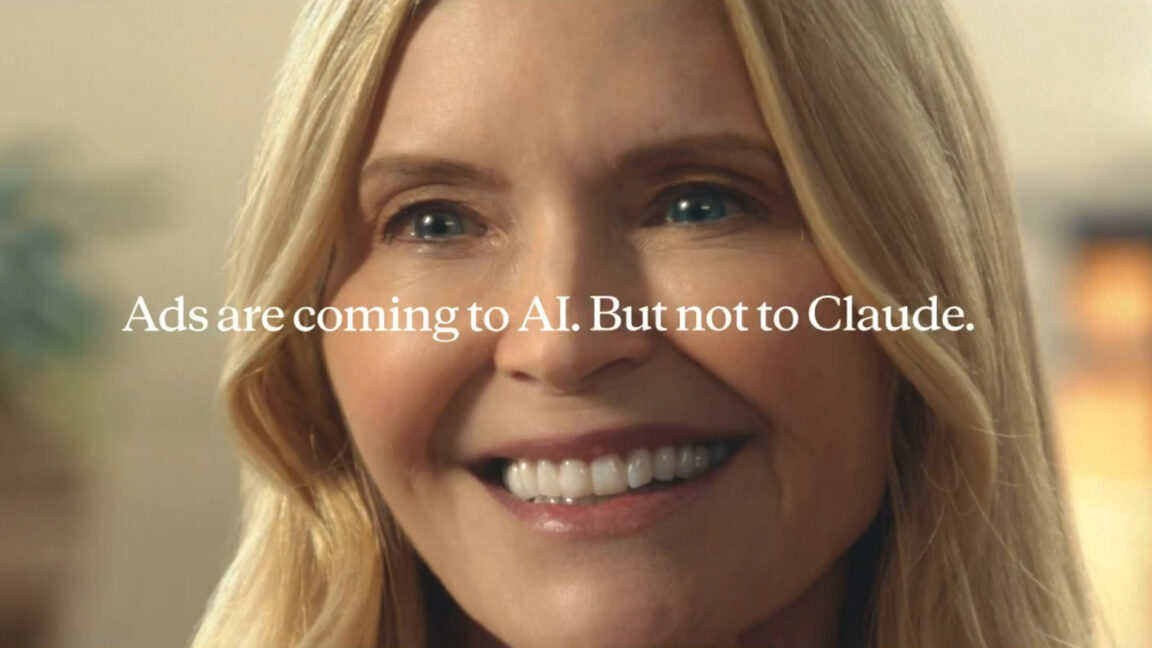
A notable episode occurred when Sam Altman, CEO of OpenAI, commented on Anthropic’s recent marketing push surrounding a high-profile Super Bowl television advertisement. Anthropic’s ad campaign was designed to highlight its perspectives on AI safety and governance in a way intended to engage a broad audience during a national event. Altman’s public remarks, posted on X (formerly known as Twitter), labeled the competitor’s approach as dishonest and authoritarian. The post adds to a broader pattern of public exchanges among AI practitioners, observers, and executives who weigh in on the relative merits and risks of different approaches to AI safety, transparency, and corporate strategy.
This episode comes at a time when AI companies are increasingly mindful of both public perception and policy implications. The Super Bowl represents one of the most visible advertising platforms in the United States, offering an opportunity for tech firms to present high-stakes messages about the future of technology. The interplay between marketing strategies and safety governance initiatives has potential consequences for brand trust, regulatory engagement, and market dynamics. While the core of the disagreement centers on governance philosophy and the interpretation of safety obligations, the broader audience includes developers, researchers, investors, policy makers, and the general public.
In-Depth Analysis
OpenAI and Anthropic occupy influential positions in the AI ecosystem, particularly in the domain of safety research, risk assessment, and responsible deployment. OpenAI, under Altman’s leadership, has emphasized a philosophy that aims to align AI systems with human values while enabling broad access to powerful capabilities through scalable, user-oriented platforms. Anthropic, founded by former OpenAI researchers, has pursued its own path toward safety-focused governance and interpretability research, often stressing the need for rigorous control mechanisms and defensive design choices to mitigate risk.
The public exchange over Anthropic’s Super Bowl ad touches on several recurring themes in AI governance discourse:
Authenticity and Transparency: Critics of corporate narratives often call for precise, verifiable claims about safety outcomes, model behavior, and the limitations of AI systems. In a high-visibility counter-messaging environment, there is heightened scrutiny of messaging accuracy and the potential for misrepresentation, whether intentional or inadvertent.
Governance Philosophies: Differing visions for how AI should be governed—ranging from market-driven risk management to more centralized or precautionary approaches—play out in public statements, branding, and policy advocacy. The Super Bowl ads function as a vehicle to bring these visions into a broad, national conversation, potentially influencing public opinion and stakeholder expectations.
Competitive Dynamics: The AI field is intensely competitive, with firms racing to attract developers, customers, and capital. Public disagreements can shape reputations and affect competitive positioning. Yet, they can also illuminate broader questions about safety, accountability, and the role of corporate incentives in innovation.
Public Communication Strategy: Advertising during a major sporting event is a strategic decision. It signals to stakeholders that a company seeks to shape the public discourse around AI safety, governance, and reliability. The response from rival firms, industry observers, and policy circles can amplify or dampen the impact of such campaigns.
Altman’s characterization of Anthropic as “dishonest” and “authoritarian” is not merely a personal critique; it reflects a broader anxiety among some AI leaders about the direction of the safety and governance conversation. Critics argue that certain framing could oversimplify nuanced discussions or polarize a complex field, potentially hindering constructive policy dialogue. Supporters of a more aggressive public stance on safety governance contend that clear boundaries and robust safeguards are essential as AI systems scale and integrate into critical sectors.
The incident also raises questions about how public communications intersect with regulatory expectations. Policymakers are increasingly attuned to the rhetoric surrounding AI safety, as it can influence legislative priorities, funding allocations for safety research, and the design of regulatory frameworks. Publicly aired disagreements may spur policymakers to seek greater transparency and standardization across the industry or to impose stricter oversight measures. However, it is important to note that policy decisions typically rely on a combination of technical assessments, independent review, and stakeholder input rather than on headlines or social media exchanges alone.
From a market perspective, investor sentiment can be sensitive to both the substance and the tone of public discourse among leading AI firms. While vocal disagreements can signal healthy competition and rigorous debate, they can also introduce uncertainty about strategic directions, governance commitments, and the reliability of safety claims. Investors may seek additional assurance through independent third-party audits, reproducible risk assessments, and clearer disclosures about model capabilities, limitations, and mitigation strategies.
The broader public-facing dimension involves how these narratives shape trust in AI technologies. As AI systems become more embedded in everyday life—from search and recommendation systems to decision-support tools and automation—public confidence hinges not only on technical performance but also on the perceived integrity and accountability of the organizations that develop and deploy them. A measured approach to discussing safety risks, including clear articulation of what is known, what remains uncertain, and how risk is being managed, can contribute to a more informed public discourse.
It is also worth considering the role of media in amplifying such disputes. High-profile campaigns and provocative statements can gain traction beyond industry circles, influencing mainstream conversations about AI. Responsible reporting, fact-checking, and careful framing are essential to prevent sensationalism from overshadowing substantive governance and safety issues.
*圖片來源:media_content*
Perspectives and Impact
Industry Stakeholders: For developers, researchers, and executives, the episode underscores the ongoing tension between advancing AI capabilities and implementing robust safety measures. It reinforces the need for transparent methodologies, independently verifiable safety evaluations, and clear governance standards that can be referenced across the sector.
Regulators and Policymakers: Public discourse around safety narratives can drive regulatory curiosity and policy design. Authorities may call for standardized safety benchmarks, independent audits, and more rigorous disclosure requirements. Such moves could influence how AI products are marketed and deployed, and could affect the competitive landscape by raising entry barriers or establishing baseline compliance.
Developers and Users: For end users and practitioners, the episode highlights the importance of understanding the safety guarantees behind AI tools. Developers may need to build better explainability features, and users may seek more reliable indicators of risk, governance, and accountability when choosing AI solutions for critical tasks.
Long-Term Implications: If public debates continue to revolve around characterizations of safety and governance, the field could move toward greater standardization of safety claims, more formalized definitions of risk and responsibility, and a diversification of approaches to governance—ranging from market-based incentives to regulatory mandates and collaborative multi-stakeholder frameworks. This evolution could influence how new models are developed, tested, and distributed, and how collaboration across firms is structured, possibly encouraging shared safety research initiatives or industry coalitions.
Global Considerations: The international AI governance landscape involves a mosaic of regulatory environments and cultural expectations regarding safety and privacy. Public disputes in the United States could have ripple effects in global markets, as multinational firms align messaging and compliance practices with diverse regulatory regimes, standards, and consumer expectations.
Future implications include continued attention to the accuracy and framing of safety claims, increased scrutiny of marketing strategies in AI, and a potential shift toward more formalized, transparent governance communications. As AI systems scale, the industry’s ability to articulate risk, safety controls, and accountability will become increasingly central to both commercial success and public trust.
Key Takeaways
Main Points:
– Publicly aired disagreements over AI safety and governance reflect broader tensions in the industry about how best to balance innovation and risk.
– The use of high-profile advertising as a platform for safety messaging signals the strategic importance of governance narratives to branding and market positioning.
– Accurate, transparent communication about safety claims is critical to sustaining trust among users, investors, and policymakers.
Areas of Concern:
– The potential for misstatements or overclaims in highly visible debates to shape policy in ways that may not be fully grounded in technical evidence.
– The risk that polarizing rhetoric could hinder constructive dialogue and collaborative approaches to AI safety standards.
– The possibility that branding campaigns during major media events could affect public understanding of complex technical issues without providing sufficient context.
Summary and Recommendations
The exchange between OpenAI and Anthropic over a Super Bowl advertising campaign illustrates how safety governance discussions have migrated into the public sphere, where branding, rhetoric, and policy considerations intersect. Sam Altman’s remarks labeling Anthropic’s approaches as dishonest and authoritarian reflect deeper concerns about how AI safety is defined, communicated, and implemented in a rapidly evolving market. While competition can drive progress, it also raises the stakes for clarity and accountability.
To promote constructive progress in AI safety and governance, several steps are advisable:
– Foster transparent, data-backed safety claims: Companies should publish verifiable metrics, independent audit results, and detailed explanations of risk mitigation strategies to accompany public statements.
– Encourage multi-stakeholder engagement: Regulators, researchers, industry peers, and civil society should participate in open discussions to align on safety standards, evaluation frameworks, and governance best practices.
– Balance marketing with education: Advertising during high-visibility events should be complemented by accessible educational materials that explain safety concepts, limitations, and the rationale behind governance choices.
– Monitor policy and market effects: Stakeholders should assess how public discourse influences regulatory trajectories, investor confidence, and user trust, adjusting communications and governance approaches accordingly.
Overall, the episode reinforces the importance of principled, transparent dialogue in a field where the societal stakes are high and the pace of innovation is rapid. As AI systems become more capable and embedded in critical aspects of daily life, maintaining public trust will hinge on the industry’s ability to articulate safety commitments with rigor, integrity, and openness.
References
- Original: https://arstechnica.com/information-technology/2026/02/openai-is-hoppin-mad-about-anthropics-new-super-bowl-tv-ads/
- Additional references:
- OpenAI safety research and governance framework (official publications)
- Anthropic safety research and policy communications (official publications)
- Industry analysis on AI governance and public discourse (relevant think-tank or research articles)
Forbidden:
– No thinking process or “Thinking…” markers
– Article must start with “## TLDR”
Ensure content is original and professional.

*圖片來源:Unsplash*