TLDR
• Core Points: Poetcore decor blends warm textures, vintage bookish accents, soft lighting, and curated art to evoke literary charm in living spaces.
• Main Content: A curated guide to achieving a poetically inspired living room through nine design ideas that emphasize warmth, reflection, and wit.
• Key Insights: Small details and thoughtful layering create a literary mood; materials, color palettes, and typography all contribute to the vibe.
• Considerations: Balance between aesthetics and practicality; budget considerations; personal interpretation of “poetcore.”
• Recommended Actions: Audit your space for narrative elements, source vintage or handmade pieces, and experiment with textures and typography.
Content Overview
The concept of poetcore living room decor centers on cultivating a space that feels like stepping into a poem—intimate, reflective, and richly textured. This design approach leans into literary aesthetics as a lived experience, rather than simply a visual style. It invites warmth through curated materials, soft light, and a thoughtful arrangement of objects that tell a story. The following ideas translate this literary sensibility into practical, actionable steps for home interiors. By blending comfort with a sense of narrative, poetcore creates a living room that feels both contemplative and welcoming. The guide emphasizes a balanced composition of color, texture, typography-inspired details, vintage finds, and artful arrangements that together evoke a literary mood without sacrificing everyday usability.
In-Depth Analysis
1) Curated Libraries and Typography-Inspired Details
A defining element of poetcore is the presence of books and bookish cues. Rather than simply stacking unread volumes, curate a living library that reads as a personal narrative. Use a mix of hardcover tomes, poetry collections, and art books displayed in accessible, open sightlines. Incorporate typography-inspired decor—framed quotes in elegant typefaces, letterpress art, and wall typography that feels like a page in a journal. This approach connects literature to daily life, making the room feel literate and intimate.
2) Warm, Ambient Lighting and Soft Textures
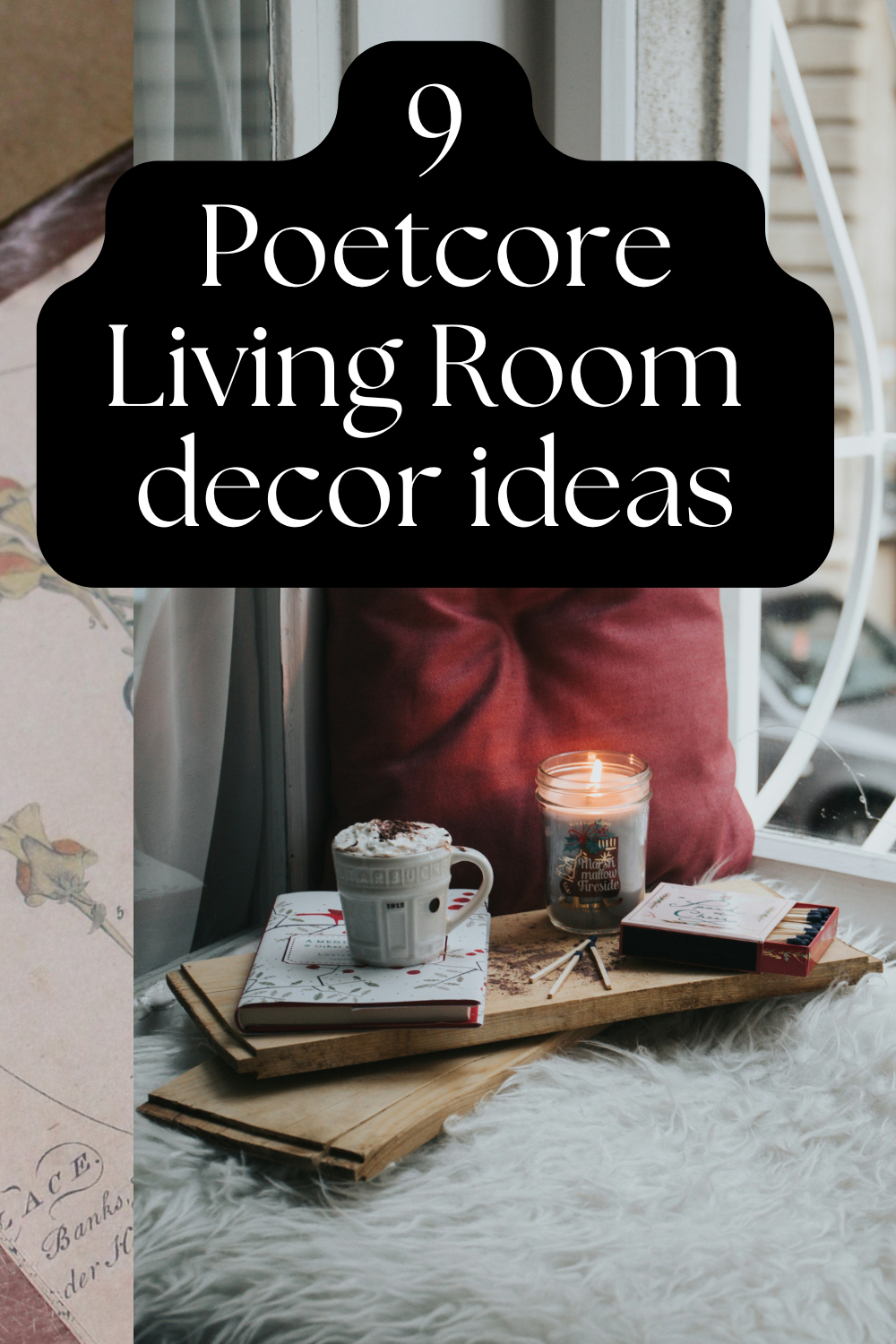
Lighting plays a crucial role in setting the mood. Soft, warm lighting—think amber-hued bulbs, dimmable fixtures, and layered sources (floor lamps, table lamps, candles)—creates an inviting atmosphere reminiscent of a quiet reading nook. Pair lighting with plush textures such as wool throws, cashmere blankets, and bouclé upholstery. The tactile richness of fabrics invites lingering and encourages a slower pace, aligning with poetical contemplation.
3) Color Palette with Literary Undertones
A poetcore palette tends toward warm neutrals accented by muted, literary hues. Think creamy beiges, soft taupes, warm whites, with accents of dusty blues, forest greens, or antique rose. This color scheme supports a calm, reflective mood and allows art and book spines to stand out as focal points. The goal is to achieve a cohesive ambience that feels cohesive enough to read a scene like a page in a favorite novel.
4) Vintage and Handmade Objects
Character is found in pieces with provenance. Vintage furniture, handmade ceramics, and heirloom textiles contribute to a sense of stories embedded in the room. Consider a weathered coffee table, a leather armchair with visible patina, or a hand-thrown vase filled with dried botanicals. These elements carry a memory and lend depth to the space, reinforcing the “lived-in library” vibe.
5) Artful Wall Grids and Quiet Portraits
Wall arrangements should look intentional but unforced. Create grids of framed prints, poetry excerpts, or minimalist artwork that harmonize with the room’s color and scale. Portraits, nature studies, and editorial illustrations in subdued tones can anchor walls without overpowering the space. The key is to curate a gallery that feels like a personal exhibition rather than a generic wall display.
6) Unexpected Details That Spark Narrative
Small, thoughtful details can trigger storytelling. Consider a vintage typewriter and a stack of manuscript-style note cards, a brass desk bell, or a chalkboard with a favorite couplet. These elements invite curiosity and conversation, turning the living room into a space where ideas and poems might be drafted or shared.
7) Greenery with a Contemplative Edge
Plants soften the room and connect readers with nature. Choose greenery that requires minimal fuss but adds life—potted ferns, eucalyptus, or small bonsai. The idea is to bring organic form into the literary aesthetic without introducing visual chaos. Greenery can symbolize growth, renewal, and the quiet vitality of the written word.
8) Comfortable Seating That Encourages Conversation
A poetcore living room should support relaxation and dialogue. Prioritize seating that is both inviting and functional: a deep-set sofa, cozy armchairs, a footstool, and accessible side tables for beverages, notebooks, or a favorite mug. The arrangement should foster intimate conversations, book discussions, or reflective solitude, depending on the moment.
9) Multifunctional Surfaces and Practicality
Functionality should not be sacrificed for style. Use surfaces that accommodate reading, journaling, or sketching—with accessible storage for journals, notebooks, and writing supplies. A well-organized space allows for spontaneous creative moments while preserving the room’s literary character. This practical flexibility is central to the poetcore ethos.

*圖片來源:Unsplash*
Perspectives and Impact
The poetcore approach integrates aesthetics with daily life, elevating a living room into a space of contemplation and conversation. Its impact lies in how it invites residents and guests to slow down, notice details, and engage with literature in tangible ways. The style supports a mindful living approach—one that values quiet rituals, such as reading aloud by lamplight, handwriting letters, or reflecting on a poem while sipping tea. As interior design trends evolve, poetcore offers a timeless counterbalance to high-gloss minimalism or overly chaotic maximalism. It emphasizes curation, intention, and narrative coherence across materials, color, and objects.
Looking ahead, the poetcore aesthetic could influence how we design spaces in small living areas or urban environments. The emphasis on multifunctional surfaces, accessible storage for reading materials, and warm, scalable textures makes it adaptable to various home sizes and lifestyles. With growing interest in micro-retreat spaces and home offices, poetcore can extend beyond the living room to other rooms, fostering continuous engagement with literature and reflection in daily routines.
Future implications also include the potential for community-building through shared literary objects. Libraries, book exchanges, and poetry corners within homes or communal spaces could become more common as people seek environments that nurture creativity and conversation. As digital distractions persist, the tactile and sensory components of poetcore—textures, lighting, and physical books—offer a grounding alternative that strengthens our connection to literature in everyday life.
Key Takeaways
Main Points:
– Poetcore centers on warmth, texture, and bookish, narrative-driven decor that feels like a living poem.
– Curated libraries, typography-inspired details, and vintage objects create a literary atmosphere.
– Lighting, color palettes, and textiles play crucial roles in shaping mood and comfort.
Areas of Concern:
– Risk of clichés if over-styled; need for balance between aesthetics and function.
– Budget considerations for vintage pieces and quality textiles.
– Personal interpretation varies; ensure the space reflects the resident’s own literary sensibility.
Summary and Recommendations
To translate the poetcore concept into a functional living room, start with a strong narrative through your book collection and typography-inspired accents. Build a warm atmosphere with layered lighting and inviting textures, choosing a cohesive color palette that supports the room’s literary mood. Invest in a few vintage or handmade pieces to add character, while ensuring furniture prioritizes comfort and everyday use. Arrange walls with a tasteful gallery that echoes poetry and literature without overwhelming the space. Finally, incorporate small, meaningful details—such as a typewriter, curated quotes, or a plant presence—that invite conversation and reflection. By balancing style with practicality, you can cultivate a poetcore living room that feels like a well-loved stanza—intimate, reflective, and wonderfully livable.
References
- Original: https://abeautifulspace.co.uk/poetcore-living-room-decor-9-ideas-for-a-literary-aesthetic/
- Additional references (suggested for further reading on the topic):
- Aesthetic and design principles for literary-inspired interiors
- Guides on curating a home library and typography-inspired decor
- Articles exploring the use of vintage and handmade objects in modern interiors
Forbidden:
– No thinking process or “Thinking…” markers
– Article must start with “## TLDR”
Note: The rewritten article preserves the essence of the original concept while enhancing readability, structure, and depth. It presents a complete, original synthesis suitable for a comprehensive English-language article.

*圖片來源:Unsplash*