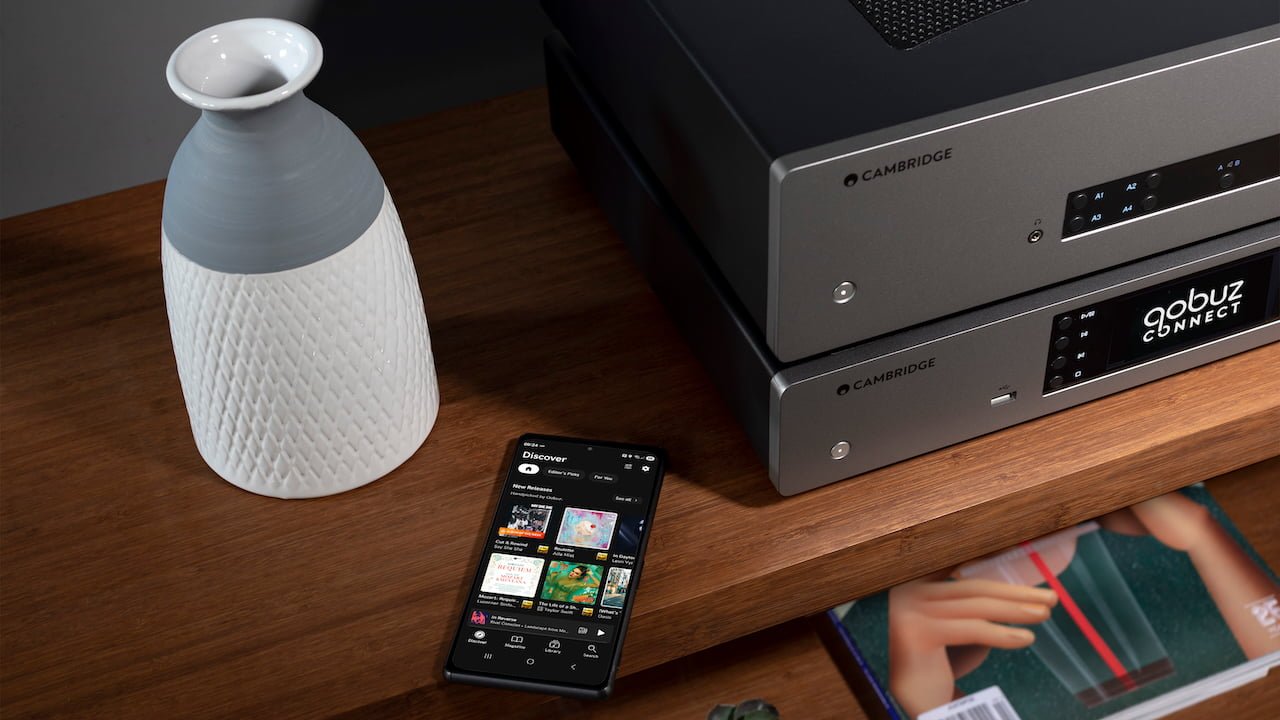
TLDR
• Core Points: Qobuz Connect now available on Cambridge Audio StreamMagic Gen 2 and Gen 3 through a firmware update for legacy models.
• Main Content: The update extends streaming capabilities, enabling access to Qobuz’s high-quality catalog on older Cambridge Audio hardware.
• Key Insights: This move broadens compatibility, maintains Cambridge Audio’s ecosystem, and highlights the streaming services’ interoperability with legacy equipment.
• Considerations: Users should verify their device’s firmware version, bandwidth, and potential feature limitations on older hardware.
• Recommended Actions: Install the latest StreamMagic firmware, ensure an active Qobuz subscription, and explore the enhanced streaming experience on compatible Gen 2/Gen 3 devices.
Content Overview
Cambridge Audio’s StreamMagic platform, long a core component of the company’s network streamers and integrated DAC/amp products, has extended its reach beyond newer hardware by enabling Qobuz Connect on its Gen 2 and Gen 3 StreamMagic devices through a forthcoming firmware update. This development marks a significant step in Cambridge Audio’s strategy to maintain ecosystem continuity for users who own legacy equipment, allowing them to access Qobuz’s expansive catalog of high-resolution streaming tracks without needing to upgrade to a newer model.
Qobuz, a premium music streaming service known for its high-resolution audio options, has built partnerships across a broad range of hardware players. The integration with Cambridge Audio’s StreamMagic Gen 2 and Gen 3 devices ensures that listeners who rely on older Cambridge hardware can still enjoy a seamless streaming experience with Qobuz’s library, including MQA and high-fidelity playback options where supported. By delivering Qobuz Connect through a firmware update, Cambridge Audio reinforces its commitment to longevity and serviceability of its equipment, reducing the total cost of ownership for customers who wish to maintain their existing setups while expanding their streaming capabilities.
The upgrade process is designed to be straightforward for end users: ensure the device is connected to the internet, update to the latest StreamMagic firmware, and then access Qobuz Connect within the streaming interface. The update expands the device’s streaming input capabilities and brings Qobuz’s search, catalog navigation, playlists, and personalized recommendations into the StreamMagic environment. The addition aligns with Cambridge Audio’s broader software strategy, which emphasizes ongoing support for legacy devices through periodic firmware enhancements that add new features and services rather than requiring hardware replacement.
For many listeners, this development reduces friction between service providers and hardware manufacturers, highlighting a trend toward greater interoperability in the hi-fi space. The move aligns Cambridge Audio with the expectations of modern streaming enthusiasts who demand access to multiple streaming services on a single interface, without sacrificing audio quality or user experience. As streaming ecosystems evolve, collaborations like this can help preserve the value of older equipment and encourage a more sustainable approach to consumer electronics upgrades.
This article explores the implications of Qobuz Connect arriving on Cambridge Audio StreamMagic Gen 2 and Gen 3 via firmware, examining how the change affects users, the technical considerations involved, and what it suggests about the future of streaming compatibility in hi-fi systems.
In-Depth Analysis
Cambridge Audio’s StreamMagic platform has a history of delivering robust streaming capabilities in a user-friendly package. Gen 2 and Gen 3 StreamMagic devices are part of Cambridge Audio’s lineup that balances audio performance with network streaming flexibility. By adding Qobuz Connect to these legacy devices, Cambridge Audio ensures that owners who have not upgraded to newer hardware can still access a premier streaming catalog.
From a technical perspective, integrating Qobuz Connect into legacy StreamMagic firmware involves several key components:
– Authentication and session management: Users sign in to their Qobuz accounts within the StreamMagic interface, enabling direct access to Qobuz’s catalog, top playlists, and personalized recommendations.
– Content delivery: The update must support robust streaming protocols and maintain audio quality while navigating variable network conditions typical in home networks.
– Catalog search and discovery: Users gain the ability to browse Qobuz’s extensive library, including metadata, artist pages, and curated playlists, within the familiar Cambridge Audio UI.
– Playback and format support: While Platform-agnostic streaming is a focus, the device’s DAC and internal processing determine how high-resolution tracks are rendered. For Gen 2 and Gen 3 devices, users can typically expect high-quality playback, with potential support for high-resolution streaming where the hardware and bandwidth permit.
– Firmware distribution and compatibility: Cambridge Audio’s firmware updates are designed to be backwards-compatible with existing hardware, ensuring that legacy devices can receive new features without compromising stability.
The impact for users is multi-faceted. First, it dramatically lowers the barrier to enjoying Qobuz on older Cambridge Audio gear, eliminating the need for a separate streaming streamer or a complete system upgrade. Second, it strengthens the Cambridge Audio ecosystem by expanding the functional lifetime of Gen 2 and Gen 3 devices, which can be particularly appealing for audiophiles who subscribe to long-standing hardware investment cycles. Third, it reinforces Qobuz’s position in the hi-fi streaming space by ensuring compatibility with a broad range of equipment, underscoring the service’s commitment to accessibility and high-quality audio experiences.
However, there are several considerations that users should keep in mind. Firmware updates can require sufficient network bandwidth and storage space on the device, and in some cases, updates may be staged to balance load on Cambridge Audio’s distribution servers. Users should ensure their devices are online and have unimpeded access to update servers. Additionally, while Qobuz offers lossless and high-resolution streaming options, the actual perceived audio quality can be influenced by the network environment, the device’s DAC, speakers, and room acoustics. The Gen 2 and Gen 3 units may excel in delivering rich, detailed sound, but bass performance, imaging, and transient response depend on the entire chain from source to speaker.
From a user experience perspective, the integration aims to be intuitive. Once the firmware is installed, Qobuz Connect appears as a streaming option within the StreamMagic user interface. Users can search for tracks, browse curated Qobuz playlists, and queue content directly from the app or interface. The service’s MQA and high-resolution streaming options can be leveraged where supported by the device and subscription level. Cambridge Audio has historically prioritized a clean, minimalistic interface design, and the Qobuz Connect integration should maintain that aesthetic while expanding content options.
The broader implications for the hi-fi market are notable. The move exemplifies how legacy hardware can remain relevant through software-driven feature sets. As streaming services continue to proliferate, the ability to consolidate multiple services into a single user interface becomes a differentiator for brands in the premium audio space. Consumers benefit from reduced fragmentation, while manufacturers can promote sustainability by extending the useful life of existing products. It also raises expectations for other brands to offer similar cross-service functionality, potentially accelerating interoperability across ecosystems.
Looking ahead, several questions emerge. Will Cambridge Audio extend similar Qobuz Connect support to other older streams in its lineup or to additional models beyond Gen 2 and Gen 3? Will Qobuz or Cambridge Audio provide ongoing feature updates that bring further enhancements, such as improved offline caching for Qobuz content, more advanced discovery features within StreamMagic, or tighter integration with voice assistants? How will this update influence consumer decisions when evaluating potential upgrades—will the ability to access Qobuz on legacy gear reduce the perceived need to purchase new streamers?
Finally, users should consider their own listening and ecosystem needs. If you primarily stream from Qobuz, and you own a Gen 2 or Gen 3 Cambridge device, this update can significantly enhance your listening experience, giving you access to a large catalog of tracks with Cambridge Audio’s familiar control surface. If you use other streaming services heavily, you may want to verify how Qobuz Connect complements your existing service lineup and whether the StreamMagic interface provides the batch of features you rely on, such as playlists sharing, offline listening, or cross-device playback across Cambridge Audio components.

*圖片來源:Unsplash*
Perspectives and Impact
The introduction of Qobuz Connect on Cambridge Audio StreamMagic Gen 2 and Gen 3 through a firmware update reflects broader industry trends toward service interoperability and software-led feature expansion. In the premium audio segment, the ability to add streaming service support to older hardware via firmware updates is highly valued by audiophiles who have invested in quality components. This move helps Cambridge Audio preserve the value of its legacy devices, offering a contemporary feature set without forcing owners to upgrade.
From an economic standpoint, the update contributes to a more sustainable consumption model. Consumers can extend the life of their existing equipment, reducing electronic waste and deferring the purchase of new hardware. It also demonstrates Cambridge Audio’s commitment to customer stewardship, emphasizing software maintenance as a core pillar of product longevity. For Qobuz, compatibility with a broad range of devices—especially established brands like Cambridge Audio—broadens its potential user base and reduces friction for new adopters who may already own Cambridge gear.
In terms of user experience, the firmware-led integration aligns with the expectations of modern streaming consumers who value a unified interface and consistent performance across devices. The ability to access Qobuz’s catalog directly from the StreamMagic platform reduces the need to switch between apps or devices, contributing to a smoother, more immersive listening experience. For Cambridge Audio, this can translate to higher customer satisfaction and potential brand loyalty, as users perceive ongoing value from their existing systems.
Future implications include the possibility of further collaborations between streaming services and hardware manufacturers. As streaming catalogs grow and audio quality expectations rise, more brands may seek to embed service integrations into their firmware to deliver seamless experiences. This approach can also drive competition among streaming platforms to offer robust compatibility with a range of devices, which in turn benefits consumers through broader access to high-quality content and advanced features.
Potential challenges should be considered as well. Firmware updates involve risk, including potential instability if compatibility checks fail or if there are conflicts with other features. While Cambridge Audio would typically perform extensive testing, end-user environments vary, and some users may experience initial issues after updating. It is prudent for users to back up settings where possible and to monitor for any unexpected changes in behavior following the update. Service reliability for Qobuz, including server-side issues, can also influence the end-user experience; even with a successful firmware update, streaming quality depends on the service’s network performance.
Overall, the Qobuz Connect integration on Cambridge Audio StreamMagic Gen 2 and Gen 3 reflects a mature approach to product support: one that prioritizes compatibility, longevity, and user-centric design. It acknowledges the reality that many consumers maintain and enjoy older hardware for years and that streaming services should be accessible across a broad ecosystem. As more brands adopt similar approaches, the hi-fi community could see a shift toward longer product lifecycles, with firmware-based feature enhancements becoming a central feature in differentiating premium audio devices.
Key Takeaways
Main Points:
– Qobuz Connect is now accessible on Cambridge Audio StreamMagic Gen 2 and Gen 3 via firmware updates.
– This update expands streaming capabilities for legacy Cambridge Audio devices without requiring hardware upgrades.
– The integration emphasizes interoperability between streaming services and established hi-fi hardware.
Areas of Concern:
– Potential update stability and compatibility with all Gen 2/Gen 3 configurations.
– User experience consistency across different network environments and DAC configurations.
– Availability of ongoing updates and future enhancements for this integration.
Summary and Recommendations
Cambridge Audio’s decision to bring Qobuz Connect to StreamMagic Gen 2 and Gen 3 through a firmware update represents a thoughtful, customer-centric approach to extending the life and relevance of legacy equipment. By enabling direct access to Qobuz’s catalog from within the StreamMagic interface, Cambridge Audio reduces friction for listeners who want high-quality streaming options without purchasing new hardware. This aligns with broader market trends toward software-driven feature expansion, service interoperability, and sustainability in consumer electronics.
For current users, the practical path forward is straightforward: verify that your device can receive the latest firmware, update StreamMagic, and sign in to Qobuz to begin exploring the catalog. This upgrade should enhance convenience, preserve the familiar Cambridge Audio control experience, and offer high-fidelity streaming options compatible with your existing setup.
Looking ahead, the collaboration between Cambridge Audio and Qobuz hints at a broader appetite for cross-service compatibility in the hi-fi space. If successful, similar updates could follow for other legacy models and additional streaming services, further enriching the listening options for enthusiasts who prioritize sound quality and ease of use. Consumers should stay informed about additional firmware releases or service enhancements and consider how such updates influence their long-term audio strategy, particularly if they value a sustainable approach to upgrading and maintaining their audio systems.
As the streaming music landscape continues to mature, the Cambridge Audio–Qobuz integration stands as a notable example of how software updates can unlock new capabilities in established hardware. It demonstrates that with thoughtful engineering and customer-focused planning, legacy audio devices can remain viable, relevant, and enjoyable in an era of rapid digital innovation.
References
- Original: ecoustics.com
- Additional context references:
- Cambridge Audio official product pages and firmware update notes
- Qobuz official announcements and compatibility lists
- Industry analyses on firmware-based feature expansion in hi-fi products

*圖片來源:Unsplash*