TLDR
• Core Points: Qobuz Connect is now available on Cambridge Audio StreamMagic Gen 2 and Gen 3 through a firmware update, bringing high-resolution streaming to older models.
• Main Content: The update enables Qobuz’s streaming features on legacy Cambridge Audio devices, aligning them with newer hardware capabilities.
• Key Insights: This move extends streaming flexibility for Cambridge Audio users and demonstrates Qobuz’s commitment to platform compatibility across generations.
• Considerations: Users should verify compatibility, ensure the update process is followed, and be aware of any potential account or library syncing requirements.
• Recommended Actions: Update eligible StreamMagic devices, reauthenticate Qobuz if prompted, and explore library favorites and playlists on upgraded gear.
Content Overview
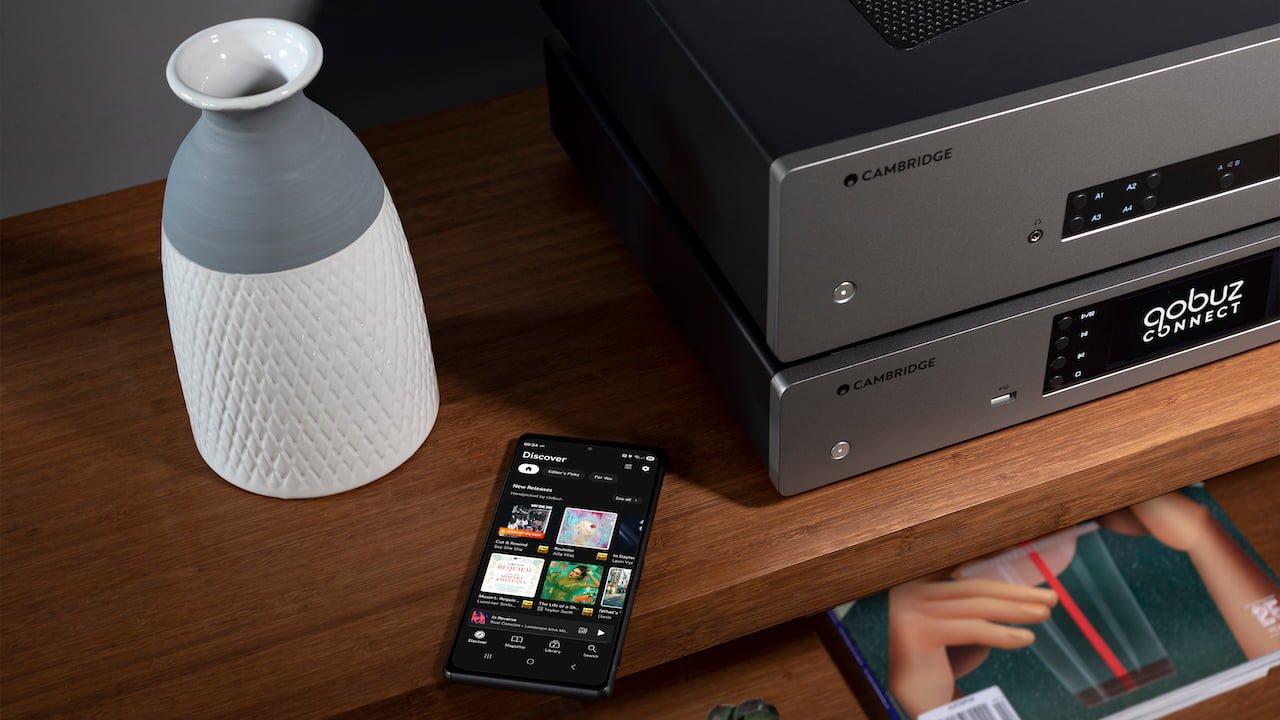
Qobuz Connect’s arrival on Cambridge Audio’s StreamMagic Gen 2 and Gen 3 represents a notable expansion of streaming capabilities to legacy network players and integrated amps that previously did not support the service. Cambridge Audio’s StreamMagic platform powers a range of networked audio devices, delivering streaming, browsing, and control functions. By adding Qobuz Connect via a firmware update, Cambridge Audio effectively broadens the ecosystem for its long-tail lineup, enabling subscribers to access Qobuz’s catalog, including high-resolution audio where supported, directly through devices that users already own.
This development sits within a broader trend in the audio industry: providers and manufacturers collaborating to improve platform longevity and user experience by extending software features to older hardware. For Cambridge Audio, the upgrade builds on its established StreamMagic software, a platform that has evolved through multiple generations. For Qobuz, the expansion underscores its strategy of universal compatibility, ensuring that subscribers can enjoy its streaming service across a wide array of hardware without needing to switch devices.
The practical impact for users is straightforward: if you own a Cambridge Audio StreamMagic Gen 2 or Gen 3 device, a firmware update will enable Qobuz Connect, allowing you to stream Qobuz directly rather than relying on alternative inputs, apps, or external streamers. The update process, device-specific steps, and any prerequisites—such as an active Qobuz account, platform login procedures, or requirements to re-authenticate after the upgrade—are essential considerations for a smooth transition.
From a broader perspective, the collaboration speaks to the ongoing importance of software-enabled features in contemporary audio equipment. As hardware cycles extend beyond physical components into firmware and app ecosystems, manufacturers increasingly rely on software updates to deliver new services, maintain security, and enhance user experience. For enthusiasts with legacy Cambridge Audio devices, the news offers an appealing path to keep their gear compatible with current streaming services without capital expenditure on new devices.
In-Depth Analysis
The integration of Qobuz Connect into Cambridge Audio StreamMagic Gen 2 and Gen 3 through a firmware update is a carefully orchestrated process designed to preserve user experience while expanding capabilities. Cambridge Audio’s StreamMagic platform serves as the control center for compatible devices, delivering streaming access, metadata management, and user interface features. By enabling Qobuz Connect, Cambridge Audio effectively bridges its legacy hardware with contemporary streaming content, including access to Qobuz’s catalog and potential high-resolution tracks where the streaming tier supports them.
From a technical perspective, implementing a service like Qobuz Connect on older hardware requires alignment at several levels: authentication workflows, streaming protocols, metadata handling, and user interface integration. The firmware update must ensure secure authentication with Qobuz’s servers, reliable playback streams, and seamless navigation within the device’s existing user interface. The process also likely involves adapting the StreamMagic environment to present Qobuz as a selectable source, integrate with library management, and support account linkage for personalized features such as favorites and playlists.
For Cambridge Audio owners, the upgrade promises a more convenient listening experience. Instead of switching between devices or relying on external apps, users can browse and play Qobuz content directly from their StreamMagic-based devices. This reduces the friction involved in streaming and can improve the overall listening experience by consolidating control and playback in a single ecosystem. The practical benefits include access to Qobuz’s library, potential high-resolution streaming, and the ability to manage playback, playlists, and recommendations within the same user interface.
From Qobuz’s standpoint, extending Connect to Gen 2 and Gen 3 devices reinforces its strategy of broad compatibility. A wider hardware footprint means more users can access the service’s catalog and features without upgrading to newer devices. For Cambridge Audio, this is a value proposition that can help maintain relevance in a competitive market where feature updates can prolong the useful life of existing gear. It also aligns with the growing expectation that streaming services work across multiple devices and generations.
However, certain considerations accompany this expansion. Users must verify that their specific model and firmware version are eligible for the update. The update process itself may involve steps such as connecting the device to a network, downloading the firmware package, and performing a restart or device reinitialization. Some users may need to reauthenticate their Qobuz accounts or confirm subscription status after the upgrade. In some cases, metadata, library synchronization, or local device settings may require reconfiguration post-update.
From a product management perspective, Cambridge Audio and Qobuz are balancing the desire to provide cutting-edge features with the realities of hardware aging. The Gen 2 and Gen 3 devices, while older, remain capable and popular in many listening rooms, particularly for users who value sound quality, build quality, and a strong ecosystem. By delivering Qobuz Connect through firmware, Cambridge Audio extends the lifecycle of these devices and strengthens its reputation for software-driven value. For Qobuz, the strategy emphasizes accessibility and user retention, helping to reduce friction for current subscribers who might consider moving to devices with built-in support for the service.
One notable implication is the potential impact on the user experience regarding interface design and navigation. The StreamMagic interface is designed to be intuitive and cohesive across supported devices. Integrating Qobuz into this interface requires careful attention to how content is browsed, filtered, and played. Users expect consistent search capabilities, metadata presentation (such as artist, album, and track details), and reliable playback performance. Ensuring that Qobuz’s discovery features, such as curated playlists or recommended tracks, align with the device’s existing curation tools will be an important part of the post-update experience.
Another aspect to consider is the broader ecosystem in which Cambridge Audio devices operate. Many users employ multiple streaming devices within a home network, sometimes incorporating mobile apps, desktop players, and other networked audio components. The introduction of Qobuz Connect into Gen 2 and Gen 3 through firmware may influence how users configure their home audio setups, potentially reducing the need for external streaming bridges and simplifying the path from library to playback for these devices.
The update also highlights the evolving role of firmware as a vehicle for feature parity. In many cases, legacy devices lag behind current-generation hardware in terms of supported services. Firmware-based enhancements help bridge that gap, enabling older devices to keep pace with consumer expectations for streaming breadth and convenience. For Cambridge Audio customers, this means continued relevance and a smoother path to enjoying high-fidelity streaming from Qobuz without immediate hardware replacement.
As with any firmware upgrade, there are potential risks to be aware of. Users should back up any preferences or local settings that could be affected by the update. It’s also prudent to confirm that network conditions are stable during installation to avoid incomplete updates, which could lead to device instability. If issues arise after the upgrade, Cambridge Audio’s support resources, along with Qobuz’s customer service, can provide guidance on re-authentication, streaming setup, or troubleshooting steps for playback problems.
In summary, the integration of Qobuz Connect into Cambridge Audio StreamMagic Gen 2 and Gen 3 represents a strategic enhancement for both companies and a meaningful upgrade for users with legacy equipment. It demonstrates how software-enabled features can extend the value of existing hardware while maintaining a focus on user-friendly experiences and robust streaming options.

*圖片來源:Unsplash*
Perspectives and Impact
The decision to bring Qobuz Connect to Cambridge Audio StreamMagic Gen 2 and Gen 3 via firmware updates captures several broader dynamics in the audio technology landscape. First, it reflects an industry-wide shift toward longevity and software-led enhancements. Manufacturers increasingly recognize that firmware updates can unlock new services and capabilities without the need for a full hardware refresh. This approach benefits consumers by maximizing the return on investment in their existing gear and supports sustainability objectives by reducing e-waste associated with premature product replacement.
Second, the move underscores the importance of ecosystem compatibility in the streaming era. With a growing number of streaming services and platforms, users expect seamless interoperability across devices, brands, and operating systems. By enabling Qobuz Connect on Gen 2 and Gen 3 devices, Cambridge Audio reinforces its commitment to offering a broad, integrated listening experience, while Qobuz reinforces its strategy of widespread availability.
Third, this development may influence purchasing considerations for Cambridge Audio customers. For potential buyers evaluating between new devices and keeping older ones, knowing that a firmware upgrade will bring additional services can be a deciding factor. It highlights a potential path to upgrade functionality without an upfront hardware investment, which can be appealing for audiophiles mindful of both sonic quality and long-term platform support.
Looking ahead, several implications emerge for the market. If more manufacturers adopt similar firmware-driven service expansions, we could see a broader trend toward service parity across generations. This could lead to more predictable user experiences and easier multi-device setups, as consumers demand consistent access to their favorite streaming catalogs across devices. It might also encourage streaming providers to optimize and test their apps for a wider set of devices, reducing compatibility concerns and increasing overall user satisfaction.
Additionally, the update’s success could influence how Cambridge Audio packages feature roadmaps and communication with its user base. Transparent guidance on eligible devices, update timelines, and any necessary actions would help maintain user trust and minimize support queries. For Qobuz, continuing to partner with established audio brands to extend its Connect platform reinforces its strategy of maximizing reach and providing value across a diverse hardware ecosystem.
From a future-leaning perspective, this development invites further exploration of what “streaming-native” experiences will look like on legacy devices. Could we see more advanced features such as improved discovery, high-resolution streaming, or better integration with voice assistants on older hardware through firmware? The answers will likely depend on ongoing collaboration between streaming services, software developers, and hardware manufacturers.
In terms of user adoption, feedback will be crucial. Early adopters may report strong improvements in convenience and library access, while others may encounter setup frictions or compatibility nuances. Collecting and acting on user feedback will be essential for Cambridge Audio to refine the update process and for Qobuz to optimize its integration within the StreamMagic interface.
Ultimately, the expansion of Qobuz Connect to Gen 2 and Gen 3 devices demonstrates a collaborative approach to product lifecycles in the modern audio landscape. It reflects a market where software capabilities can significantly extend the utility of existing hardware, aligning with consumer desires for flexible, high-quality streaming without frequent hardware upgrades. The collaboration sets a precedent for similar cross-brand updates, signaling a more interconnected ecosystem that benefits audiophiles and casual listeners alike.
Key Takeaways
Main Points:
– Qobuz Connect is now available on Cambridge Audio StreamMagic Gen 2 and Gen 3 via firmware update.
– The upgrade extends streaming capabilities to legacy Cambridge Audio devices, improving convenience for users.
– The move emphasizes software-driven value and cross-brand interoperability in the streaming era.
Areas of Concern:
– Eligibility and installation steps may vary by device and firmware version.
– Post-update authentication or library synchronization requirements could affect user experience.
– Potential minor interface adjustments may be needed to fully leverage Qobuz features on Gen 2/Gen 3.
Summary and Recommendations
The addition of Qobuz Connect to Cambridge Audio’s StreamMagic Gen 2 and Gen 3 devices through firmware updates marks a meaningful expansion of streaming options for legacy equipment. This initiative aligns with a broader industry trend toward extending the usable life of hardware through software updates, delivering enhanced value to existing Cambridge Audio customers, and reinforcing Qobuz’s strategy of broad compatibility across devices.
For users, the practical path is straightforward: check whether your StreamMagic Gen 2 or Gen 3 device is eligible for the update, perform the firmware upgrade following the manufacturer’s instructions, and, if prompted, reauthenticate your Qobuz account. After installation, you should be able to browse and stream Qobuz content directly from the device’s interface, benefiting from the catalog, metadata, and potential high-resolution options supported by your subscription tier. As with any firmware upgrade, plan for a stable network connection, back up or note any custom settings, and be prepared for a brief reconfiguration period if needed.
Looking forward, this development could presage broader cross-brand feature expansions, further blurring the lines between older and newer hardware capabilities in the high-fidelity streaming space. It highlights the importance of ongoing collaboration between hardware manufacturers and streaming services to deliver cohesive, future-proof listening experiences. For Cambridge Audio enthusiasts, the upgrade reinforces the value of StreamMagic devices as adaptable platforms capable of evolving with customer expectations, while Qobuz users gain practical access to a wider range of devices without sacrificing the quality and breadth of its library.
In conclusion, the firmware-initiated Qobuz Connect integration on Gen 2 and Gen 3 devices represents a pragmatic, user-focused enhancement. It demonstrates both companies’ commitment to extending the life and utility of existing hardware, ensuring that music lovers can continue to enjoy a diverse, high-quality streaming experience across a broader array of equipment.
References
- Original: ecoustics.com article on Qobuz Connect and Cambridge Audio StreamMagic integration: https://www.ecoustics.com/news/qobuz-connect-streammagic/
- Additional references:
- Cambridge Audio official support and firmware update guidance
- Qobuz Help Center: account authentication and device compatibility
- General overview of StreamMagic platform capabilities and supported devices
Forbidden:
– No thinking process or “Thinking…” markers
– Article starts with “## TLDR”

*圖片來源:Unsplash*