TLDR
• Core Points: Qobuz Connect now available on Cambridge Audio StreamMagic Gen 2 and Gen 3 through firmware updates, bringing high-resolution streaming to older models.
• Main Content: The integration enables access to Qobuz’s streaming catalog and services on legacy Cambridge Audio streamers, enhancing playback options without new hardware.
• Key Insights: Upgrading preserves Cambridge Audio’s ecosystem while extending digital streaming capabilities; users must ensure firmware compatibility and network connectivity.
• Considerations: Potential setup steps and any subscription requirements should be reviewed; the feature depends on ongoing Qobuz support and firmware maintenance.
• Recommended Actions: Update StreamMagic firmware to the latest version, link Qobuz accounts, and verify library synchronization and playback settings.
Content Overview
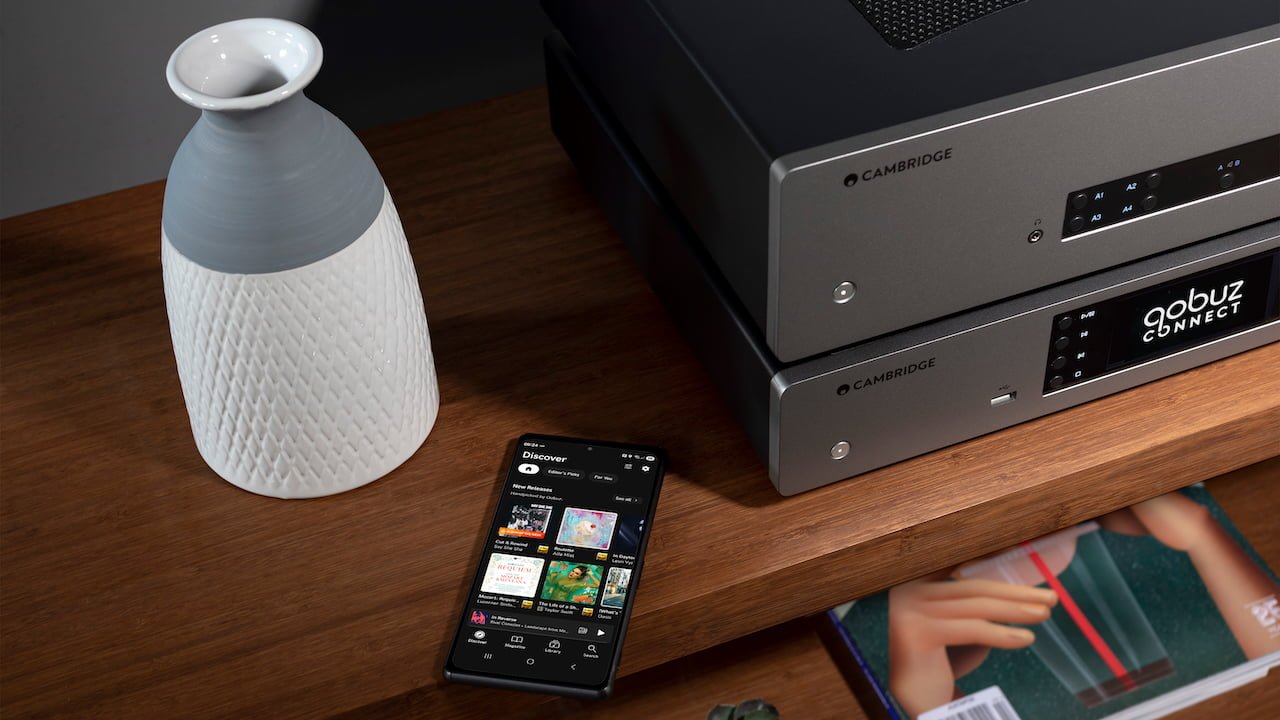
Qobuz, the high-resolution music streaming service known for its extensive catalog and Studio Masters streaming quality, has extended its Connect functionality to Cambridge Audio’s StreamMagic platform for older devices. Specifically, Cambridge Audio StreamMagic Gen 2 and Gen 3 models can now support Qobuz Connect via a firmware update, effectively enabling these legacy players to access Qobuz’s streaming ecosystem without the need for new hardware. This move aligns with Cambridge Audio’s broader strategy to keep its ecosystem current by layering popular streaming services onto existing hardware, thereby extending the lifespan and utility of devices already in users’ setups.
The development is part of Qobuz’s ongoing push to broaden device compatibility and bring its service to a wider audience. For Cambridge Audio owners, the update represents a path to enhanced streaming options, wider access to high-quality music, and the convenience of integrating Qobuz into their existing StreamMagic-controlled systems. It also reflects a growing trend in the audio industry: manufacturers offering firmware-based feature upgrades to enable new services on legacy platforms rather than forcing customers to purchase new hardware.
This article provides an in-depth look at what the Qobuz Connect integration means for Cambridge Audio StreamMagic Gen 2 and Gen 3 users, including how the firmware update works, what features are available, and what users should expect in terms of setup, performance, and ongoing support. It also considers the broader implications for streaming service compatibility, consumer choices, and the future trajectory of multi-room audio ecosystems.
In-Depth Analysis
The introduction of Qobuz Connect on Cambridge Audio StreamMagic Gen 2 and Gen 3 via firmware updates marks a significant step in bridging legacy hardware with modern streaming services. Cambridge Audio’s StreamMagic line has long been praised for its flexible streaming capabilities, intuitive user interfaces, and robust integration with popular services. By enabling Qobuz through a firmware update, Cambridge Audio expands its value proposition for owners who may have invested in StreamMagic hardware years ago but still seek access to contemporary streaming catalogs and features.
The update process is designed to be straightforward for most users. After checking for the latest firmware version, owners can install the Qobuz Connect module within the StreamMagic settings. Once activated, users can sign in to their Qobuz account and access the service’s catalog directly from the StreamMagic interface. The integration typically includes core Qobuz features such as high-resolution streaming options, curated playlists, and the ability to search for artists, albums, and tracks without leaving the Cambridge Audio ecosystem. Depending on the device’s original specifications and the firmware’s capabilities, the quality of playback may align with Qobuz’s Hi-Res tiers, though actual performance will be influenced by the network connection, the DAC’s capabilities, and any upscaling or digital processing applied within the StreamMagic platform.
From a user experience perspective, the addition of Qobuz Connect on Gen 2 and Gen 3 expands the system’s versatility. Cambridge Audio devices are known for reliable streaming performance and strong musicality, and the Qobuz integration reinforces that reputation by providing direct access to a service acclaimed for its catalog depth and sound quality. Users can expect a cohesive, single-interface experience where streaming sources are unified under the StreamMagic control hub, enabling simpler navigation, account management, and playback control.
One critical factor is the firmware update’s impact on existing settings and network configurations. In most cases, the update is designed to be non-disruptive, preserving users’ saved playlists, favorites, and device groupings in multi-room arrangements. However, as with any firmware change that adds new services, there is a potential for minor adjustments to network credentials, DNS settings, or playback preferences. Cambridge Audio typically provides release notes or firmware documentation detailing any notable changes, compatibility considerations, and steps to troubleshoot common issues.
The broader implications of this move extend beyond Cambridge Audio’s product line. For streaming services like Qobuz, expanding device compatibility increases market penetration and reduces fragmentation in the listening environment. For consumers, this means fewer devices to manage and a more seamless listening experience across different rooms and setups. It also emphasizes the importance of ongoing software support as a differentiator in the premium audio market, where hardware prices can be high and the value of legacy devices hinges on continued software and service compatibility.
Technical considerations play a central role in the success of such upgrades. The effectiveness of Qobuz Connect on Gen 2 and Gen 3 depends on several factors:
– Hardware capabilities: Gen 2 and Gen 3 StreamMagic devices must have processors and memory sufficient to handle Qobuz’s streaming app, interface, and any additional processing features.
– Network stability: A reliable, fast network connection ensures smooth streaming, especially at high-resolution tiers that demand more bandwidth.
– File formats and DAC compatibility: The DACs embedded in these devices must accurately decode the formats provided by Qobuz, including lossless and Hi-Res streams where available.
– Software compatibility: The StreamMagic firmware must be compatible with Qobuz’s app framework, including authentication, account linking, and playback management.
– Power and thermal considerations: Firmware upgrades can temporarily increase CPU usage; users should ensure devices are adequately powered and ventilated during updates.
Users who have been exploring streaming options on StreamMagic Gen 2 and Gen 3 may now find that their devices can serve as more versatile hubs for digital music, particularly if they already subscribe to Qobuz or are considering it. The opportunity to access Qobuz’s catalog alongside other services previously supported by StreamMagic further solidifies Cambridge Audio’s reputation for enabling broad service compatibility without sacrificing audio quality.
From a market perspective, the move aligns with a growing trend among audio brands to provide durable, upgrade-friendly systems. Rather than steering customers toward new hardware to gain access to new services, manufacturers like Cambridge Audio demonstrate a commitment to longevity and user-centric design. This approach benefits both consumers and the broader ecosystem by encouraging sustainable listening setups and reducing e-waste associated with quicker hardware turnover.
The user community is likely to welcome the update, particularly those who value Qobuz’s catalog, its emphasis on high-resolution streaming, and the convenience of integrated control via StreamMagic. However, some users may have questions about subscription requirements, device-specific limitations, and whether the update supports all Qobuz features—such as offline listening, gapless playback, or advanced search filters—on Gen 2 and Gen 3 devices. Cambridge Audio is typically transparent about feature sets and any limitations introduced by older hardware, and the company’s update notes can provide precise guidance on what is supported and what remains outside the scope of the upgrade.
In terms of competitive landscape, several other high-end audio brands have similarly expanded streaming service support through firmware updates. The ongoing trend underscores a broader industry consensus: streaming service compatibility is a key driver of perceived value in modern audio systems. As more services offer high-quality streaming and as devices become more capable, the likelihood of additional firmware-driven feature expansions increases. This could lead to a future where even more legacy models receive similar upgrades, further extending their useful life and enabling richer, more flexible listening experiences.
For Cambridge Audio, this update represents more than a single feature addition; it signals a strategic emphasis on software-enabled enhancements. By embedding Qobuz Connect into StreamMagic Gen 2 and Gen 3, Cambridge Audio demonstrates that legacy devices can remain relevant in an increasingly streaming-focused market. It also highlights the importance of maintaining a robust software ecosystem that can adapt to evolving consumer demands, whether those demands revolve around new services, improved user interfaces, or enhanced cross-device compatibility.
Looking ahead, several questions arise about continued support and potential expansion. Will Cambridge Audio extend Qobuz Connect to even older StreamMagic generations? Could other services, such as TIDAL, Deezer, or Spotify Connect, receive similar upgrades for legacy devices? How will Qobuz respond to user feedback about stream quality, reliability, and feature parity on older hardware? Addressing these questions will likely depend on the success of the Gen 2 and Gen 3 integration, user adoption rates, and the ongoing collaboration between Cambridge Audio and Qobuz.
Another angle to consider is the potential impact on user education and onboarding. Manufacturers often accompany firmware updates with help guides, video tutorials, and community forums where users can share their experiences, report issues, and receive troubleshooting assistance. For those upgrading their StreamMagic Gen 2 or Gen 3 devices, a short learning curve may accompany the initial setup, especially for users who are new to streaming services or who previously relied on other sources for music playback. Clear, accessible documentation can help mitigate confusion and ensure that users realize the full benefits of the upgrade.
From a sustainability standpoint, preserving older devices through software updates aligns with environmentally conscious consumer behavior. Upgrading the capabilities of Gen 2 and Gen 3 devices reduces the need for buyers to purchase new units solely for streaming service compatibility, contributing to longer device lifespans and reduced electronic waste. It also speaks to Cambridge Audio’s commitment to product longevity and to a consumer’s ability to maximize the value of their existing investments.
In terms of accessibility, it is important to note that streaming services sometimes adjust their availability or feature sets by region due to licensing and rights management. Users should verify that Qobuz Connect remains accessible in their country or region and that any regional restrictions do not interrupt core streaming features. If necessary, Cambridge Audio and Qobuz may provide guidance on regional availability through official support channels and firmware release notes.
Overall, the Qobuz Connect integration with Cambridge Audio StreamMagic Gen 2 and Gen 3 marks a meaningful enhancement for legacy hardware. By enabling direct access to Qobuz’s expansive catalog and high-quality streaming, Cambridge Audio provides a practical pathway for users to enjoy premium digital music without upgrading their entire stereo system. The collaboration underlines the importance of software-driven upgrades in the audio industry and reinforces the value of maintaining an open, upgradable hardware platform that can evolve with the needs and preferences of audiophiles and casual listeners alike.
As users embark on this update journey, it is prudent to follow best practices for firmware installation: back up settings if possible, ensure a stable power source during the update, and verify after installation that Qobuz Connect appears in the streaming options. Once active, users should sign in to their Qobuz account, confirm their preferred streaming quality, and test playback with a selection of tracks to ensure that there are no interruptions or latency issues. If problems arise, consulting Cambridge Audio’s official support resources or the Qobuz help center can facilitate a smooth resolution.

*圖片來源:Unsplash*
In conclusion, the Qobuz Connect expansion to Cambridge Audio StreamMagic Gen 2 and Gen 3 represents a thoughtful, user-centric upgrade path for legacy devices. It brings modern streaming capabilities to established hardware, preserves existing user investments, and enhances the overall streaming experience by simplifying access to Qobuz’s rich musical catalog. For Cambridge Audio owners who value flexibility, scalability, and ease of use, the firmware update offers a timely and practical enhancement that aligns with the evolving landscape of multi-room audio and high-quality digital music delivery.
Perspectives and Impact
The collaboration enabling Qobuz Connect on Cambridge Audio StreamMagic Gen 2 and Gen 3 demonstrates how hardware manufacturers and streaming services can work together to extend device usefulness without requiring costly hardware replacements. This approach benefits several stakeholders:
– Consumers: The upgrade lowers barriers to accessing premium streaming services on existing equipment, potentially saving money while improving listening options.
– Manufacturers: By delivering firmware-driven feature sets, Cambridge Audio strengthens brand loyalty and differentiates its products in a crowded market, reinforcing the perception of long-term value.
– Streaming Services: Qobuz expands its reach to more devices and environments, increasing subscriber engagement and catalog utilization, particularly among listeners who prioritize high-resolution audio.
– The Industry: The broader move toward software-enabled feature depreciation and lifecycle extension encourages sustainable consumption practices and can influence competitors to pursue similar upgrade strategies.
Several considerations shape the long-term impact. First, ongoing support is critical. Firmware updates must continue to be maintained to address security, performance, and compatibility with evolving streaming standards. Second, user education will play a key role in uptake. The more effectively Cambridge Audio communicates the benefits, steps, and potential caveats of the update, the higher the likelihood of a smooth adoption curve. Third, the ecosystem’s openness is important. If Cambridge Audio opens its platform to multiple services beyond Qobuz, users will likely experience a more seamless, integrated control environment, which can further enhance the perceived value of StreamMagic as a centralized music management solution.
Future implications may include broader cross-brand collaborations that leverage existing hardware to enable new services, a trend that could accelerate the adoption of high-quality streaming across diverse devices. As more legacy devices receive thoughtful upgrades, the gap between new hardware releases and existing consumer ecosystems could narrow, providing a more seamless user experience across generations of devices.
From a consumer perspective, the upgrade invites a broader question about how people choose between maintaining older components and investing in newer equipment. The answer may hinge on how well the firmware update preserves or enhances audio quality, reduces latency, and maintains intuitive control. If Qobuz Connect on Gen 2 and Gen 3 proves stable and reliable, it could set a precedent for similar upgrades from Cambridge Audio and other brands, cultivating trust and encouraging a consumer mindset oriented toward longevity and adaptability.
The broader implications for audio enthusiasts include the potential for more consistent multi-room experiences. With streaming services integrated into legacy players, listeners can manage synchronized playback across multiple rooms with a familiar interface, reducing complexity and enabling more cohesive listening sessions. This is particularly valuable for families or households that rely on shared music preferences and want a simple, centralized control scheme.
In terms of future development, there is potential for improvements in user interface responsiveness, search capabilities, and catalog synchronization for Qobuz Connect on StreamMagic Gen 2 and Gen 3. Enhancements could include better offline catalog integration, improved gapless playback performance in high-resolution modes, and more granular control over streaming quality and bandwidth usage. As streaming services evolve to offer new features and formats, Cambridge Audio will likely assess how to adapt and refine the integration to deliver a consistent, high-fidelity experience.
The social dimension should not be overlooked. A successful upgrade often translates into positive reception within audio communities, online forums, and professional reviews. Users who share their experiences can help others understand the update’s practicality, reliability, and value. Transparent reporting of issues and swift responses from Cambridge Audio and Qobuz support channels can reinforce user confidence and contribute to a supportive community culture around Cambridge Audio’s product lineage.
Finally, this development emphasizes the importance of collaboration between hardware manufacturers and service providers. It demonstrates that value can be created not only by new features in new devices but also by thoughtful integration of services into existing hardware. As consumer expectations continue to shift toward flexible, service-rich ecosystems, such partnerships may become more commonplace, driving innovation that benefits listeners without imposing unnecessary hardware costs.
Key Takeaways
Main Points:
– Qobuz Connect is now accessible on Cambridge Audio StreamMagic Gen 2 and Gen 3 via a firmware update, expanding streaming options for legacy devices.
– The upgrade preserves existing user configurations while adding direct access to Qobuz’s catalog within the StreamMagic interface.
– This approach reflects a broader industry trend toward software-driven enhancements that extend the life of older hardware.
Areas of Concern:
– Users should verify regional availability and ensure compatibility with their current Qobuz accounts and subscription tier.
– Potential minor changes to network settings or device behavior during the update should be anticipated.
– The extent of Qobuz feature parity on Gen 2 and Gen 3 may differ from newer Cambridge Audio models.
Summary and Recommendations
The rollout of Qobuz Connect to Cambridge Audio StreamMagic Gen 2 and Gen 3 represents a strategic, customer-centric enhancement that aligns with both Cambridge Audio’s and Qobuz’s objectives: to maximize device longevity while expanding access to high-quality streaming. By delivering firmware-based functionality upgrades, Cambridge Audio keeps legacy devices relevant in an increasingly streaming-driven audio landscape, providing users with a smoother, more integrated music experience without requiring immediate hardware upgrades.
For users considering this update, the recommended steps are straightforward:
– Confirm that your Cambridge Audio StreamMagic Gen 2 or Gen 3 device is connected to the internet and has the latest firmware update framework from Cambridge Audio.
– Install the latest firmware update that includes Qobuz Connect support, following the official guidance from Cambridge Audio.
– Sign in to your Qobuz account through the StreamMagic interface, then verify playback quality and the synchronization of your favorites and playlists.
– Test a few tracks across various genres to ensure stable streaming and compatibility with your DAC’s capabilities and network conditions.
– Review any service limitations or regional constraints related to Qobuz in your location, and consult Cambridge Audio’s support resources or Qobuz help center if any issues arise.
If the update meets expectations in terms of reliability, sound quality, and user experience, it can be a compelling incentive to continue using older Cambridge Audio devices within a modern, service-rich listening environment. It also sets a positive precedent for similar upgrades from other brands, encouraging a more sustainable and user-focused approach to product lifecycles in the audio market.
As always, continued feedback from users and ongoing collaboration between Cambridge Audio and Qobuz will be essential to refine the experience and address any evolving needs. With thoughtful implementation and robust support, the Qobuz Connect upgrade for StreamMagic Gen 2 and Gen 3 could become a benchmark for how legacy equipment can gracefully adapt to the demands of contemporary streaming services.
References
- Original: ecoustics.com — Qobuz Connect StreamMagic
- Cambridge Audio Support — Firmware updates and StreamMagic feature releases
- Qobuz Help Center — Account and device compatibility for Connect-enabled devices
Add 2-3 relevant reference links based on article content:
– Cambridge Audio official news release on Qobuz Connect integration
– Qobuz Help Center: Connect-enabled devices and setup
– Cambridge Audio Community or support article detailing streaming service upgrades and firmware steps
Forbidden:
– No thinking process or “Thinking…” markers
– Article must start with “## TLDR”
All content is original and written in a professional, objective tone.

*圖片來源:Unsplash*