TLDR
• Core Points: Premium Huntsman Signature keyboard updates extend to CNC aluminum chassis, mirror finish, and limited first run at 1,337 units.
• Main Content: An enhanced Huntsman V3 Pro-inspired keyboard priced at $500, featuring refined materials and exclusive production.
• Key Insights: Hardware enthusiasts gain a visually striking, durable keyboard with limited availability; potential value depends on demand and build quality.
• Considerations: High price point, limited initial supply, and whether the aesthetic justifies the upgrade over existing Huntsman models.
• Recommended Actions: Assess needs for premium materials and collector relevance; monitor availability and potential resale value.
Content Overview
Razer has introduced a new flagship keyboard that sits at the high end of the gaming peripheral market. The Huntsman Signature is described as an upgraded version of the Huntsman V3 Pro, a model already recognized for its fast optical switches and robust feature set. The new keyboard continues the Huntsman lineage but elevates materials and presentation. The first production run is notably limited to 1,337 units, each individually numbered, reinforcing its status as a premium, collector-oriented device rather than a mass-market product.
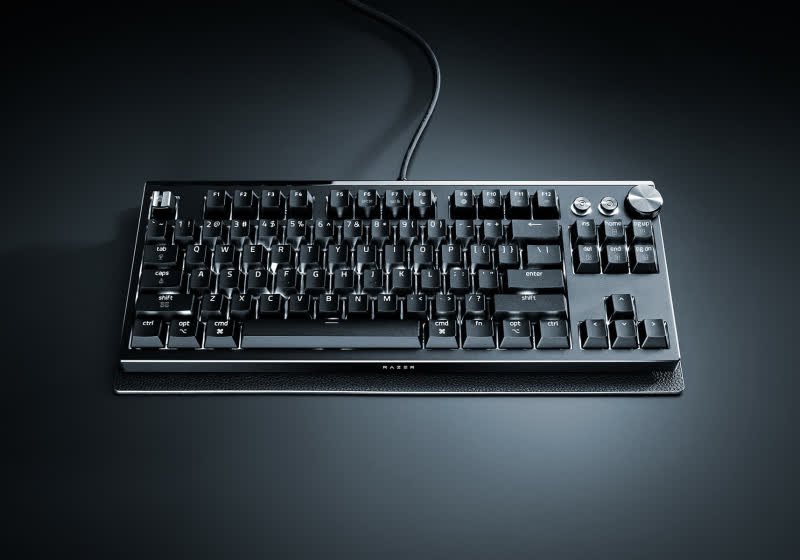
Razer’s strategy with the Huntsman Signature centers on marrying performance with luxury. The machine is built with CNC-machined aluminum, and the exterior receives a mirror-like finish designed to reflect light and create a striking aesthetic on any desk. This combination aims to appeal to enthusiasts who value tight_tolerance construction, distinctive visual design, and the prestige of owning a limited-edition piece. While the underlying technology remains aligned with the Huntsman V3 Pro—known for its fast optical switches, per-key lighting, and programmable features—the Signature edition positions itself as a premium incremental upgrade rather than a radical departure in keyboard architecture.
This article revisits what the Huntsman Signature adds to the already well-regarded Huntsman family, why Razer chose a limited production model, and how this approach fits into broader trends in hardware luxury and limited releases. It also examines potential practical considerations for buyers, including price-to-value assessment, durability implications of a mirror finish, and the long-term appeal of a limited-run peripheral in a rapidly evolving gaming hardware market.
In-Depth Analysis
Razer’s decision to launch a Huntsman Signature keyboard at a $500 price point marks a deliberate shift toward premiumization in the company’s product line. The Huntsman V3 Pro, the immediate predecessor drawing most of the Signature’s DNA, carries a more accessible MSRP of around $250. By elevating materials and finish, Razer is signaling that the Huntsman family can cater to both performance-minded gamers and collectors who prioritize material quality and exclusivity.
Key design choices center on two elements: material and finish. The Huntsman Signature adopts CNC-machined aluminum for its chassis, a departure from typical plastic enclosures common in gaming keyboards. The refinement is not merely cosmetic; aluminum often yields a stiffer, more robust structure, which can support a more consistent typing and keystroke feel under heavy use. The mirror finish, while visually bold, raises questions about practicality—scratches, fingerprints, and the potential for glare in bright lighting. However, Razer likely selected this finish to maximize visual impact, ensuring the keyboard stands out in photos and on streaming setups, which are major channels for product discovery in the gaming ecosystem.
Beyond the chassis, the input experience remains anchored to the Huntsman lineage. The V3 Pro is built around optical switches, which can offer faster actuation and longer lifespans compared to traditional mechanical switches. The Signature edition presumably retains these optical switches, maintaining characteristic benefits such as rapid response times and improved durability under heavy keystrokes. Per-key RGB lighting continues to be a feature, enabling dynamic lighting effects and customization aligned with user preferences or game-induced actions.
The limited production run—1,337 units—serves multiple purposes. Demand for premium hardware often benefits from scarcity, which can create a perception of exclusivity and drive resale interest among enthusiasts. The numbering of each unit reinforces this collector aspect, giving owners a tangible sense of provenance. From a business perspective, limited editions can help drive early adoption, word-of-mouth promotion, and social media buzz, particularly if owners showcase their devices during streams or in high-profile reviews.
From a practical standpoint, potential buyers should weigh several considerations. First, the price point: at $500, the Huntsman Signature sits at the higher end of the keyboard market, where consumers often compare against entirely different value propositions, such as acoustics, typing comfort, and feature breadth beyond raw performance. Second, the real-world impact of the finish: while the mirror aluminum aesthetic is compelling, it may require proactive maintenance to preserve the surface quality over time. Third, compatibility and software: Razer’s ecosystem—Synapse software and device synchronization—remains a central aspect of the user experience, enabling per-key lighting, macro programming, and hardware customization. Prospective purchasers should consider how deeply they are invested in this ecosystem and whether the premium hardware justifies continued software reliance.
Industry context also matters. In recent years, several brands have experimented with luxury editions featuring high-end materials, specialized finishes, and limited quantities to capture attention beyond core performance specs. Consumers in this segment often view such releases as both a display of craftsmanship and a test of brand loyalty. The Huntsman Signature participates in this trend by combining high-grade materials with limited quantities, aiming to deliver not just a tool for gaming but a design piece that complements premium desk setups and streaming aesthetics.
Future implications may include whether Razer expands the strategy to other products or scales the concept up with larger production volumes if the initial run proves successful. The balance between exclusivity and broader market viability will likely shape how aggressively Razer pursues mirror-finish or CNC-aluminum variants across its catalog. Additionally, the durability of the mirror finish and long-term maintenance will influence credibility and customer satisfaction for limited-edition hardware.
Perspectives and Impact
The Huntsman Signature edition underscores a broader consumer trend: the convergence of performance hardware with luxury design cues. For gamers and enthusiasts who treat peripherals as extensions of personal identity, such products offer a way to express taste while maintaining high performance expectations. The limited-unit strategy naturally invites speculation about future collector value. If the edition quickly sells out and maintains strong demand in secondary markets, it could set a precedent for more aggressive limit runs. Conversely, if supply bottlenecks persist or if the practical concerns of maintaining a mirror finish deter potential buyers, demand for the Signature edition could wane.

*圖片來源:Unsplash*
From the perspective of Razer’s brand positioning, the Huntsman Signature reinforces the company’s willingness to push the envelope in materials science and industrial design within the gaming peripherals space. It also signals confidence in the appeal of premium, limited-run devices as a distinct category within a market that often emphasizes price-to-performance ratios. For established customers, the Signature edition can become a coveted upgrade that symbolizes a milestone in their gaming setup. For new entrants, the price tag may be a barrier, limiting broader adoption but not necessarily diminishing the promotional value of an iconic product.
Economic considerations also factor into the conversation. The $500 price tag implies a significant margin over the price of the Huntsman V3 Pro, suggesting that the incremental costs of CNC machining, precision finishing, and limited production are compensated by a premium price. However, the true market success of this approach will depend on whether the incremental benefits—material quality, tactile feel, and visual appeal—translate into meaningful willingness to pay among target customers. If the perceived value falls short of expectations, the model could invite comparisons with other high-end keyboards or lead to the emergence of alternative premium options from competitors.
Beyond keyboards, this product narrative may influence how peripherals are marketed in the coming years. Manufacturers may increasingly blur the line between gaming gear and luxury goods, using limited editions, unique finishes, and meticulous craftsmanship as differentiators. This strategy could drive demand for premium accessories, custom work, and even collaboration editions that leverage artist or designer partnerships. It also raises questions about sustainability and long-term serviceability: will limited-edition devices receive faster firmware updates, extended warranty coverage, or bespoke after-sales support to reflect their premium status?
In terms of user experience, the Huntsman Signature’s practical value will depend on individual priorities. Competitive players who require steadfast performance and low-latency input may appreciate the proven capabilities of Huntsman-style optical switches, especially if the Signature maintains or improves upon the response times and durability of the V3 Pro. Casual users and collectors may place a higher emphasis on the aesthetic dimension and the tactile satisfaction of owning a rare piece. For broadcasters and content creators, the mirror finish could offer a visually striking centerpiece on camera, potentially enhancing the perceived quality of streams and unboxings.
The limited run also invites a broader dialogue about accessibility and inclusivity in high-end hardware. While exclusive products can generate excitement, they can also reinforce barriers to entry for a wider audience that might benefit from premium features but cannot justify or reach the high price point. The industry will be watching how such releases affect consumer expectations and how brands balance aspirational design with practical pricing in the future.
Key Takeaways
Main Points:
– The Huntsman Signature is an elevated version of the Huntsman V3 Pro, priced at $500 and distinguished by CNC aluminum construction and a mirror finish.
– Production is limited to 1,337 units, each individually numbered, emphasizing exclusivity and collectibility.
– The keyboard preserves the core Huntsman advantages, including optical switches and robust customization features, while enhancing materials and presentation.
Areas of Concern:
– The high price and limited run may limit broad appeal beyond enthusiasts and collectors.
– The mirror finish could pose maintenance challenges and potential long-term cosmetic wear.
– Availability constraints may create resale dynamics that exclude casual buyers and potentially affect brand perception.
Summary and Recommendations
The Huntsman Signature represents a deliberate foray into premium hardware design within gaming peripherals. By enhancing the materials and finish of the Huntsman V3 Pro, Razer seeks to appeal to a niche segment that values craftsmanship, exclusivity, and a striking desk presence as part of their overall gaming experience. The limited quantity and numbered branding add a collectible aura that can drive initial demand and media attention, potentially translating into a prestigious status symbol for owners.
For potential buyers, the decision hinges on personal priorities. If you place a premium on tactile quality, materials, and a bold visual aesthetic, and you are comfortable with the price and the management of a mirror-finished surface, the Huntsman Signature offers a unique option within the high-end keyboard landscape. Conversely, if practical considerations such as affordability, long-term maintenance, and the desire for mass-market availability take precedence, you may prefer the standard Huntsman V3 Pro or other premium but more accessible options.
Looking forward, this release may influence how other manufacturers approach luxury variants of gaming peripherals. If Razer’s limited edition strategy proves successful, it could spur more brands to release designer-oriented editions with scarce production runs and exclusive finishes. This could broaden the market for premium gaming hardware but also intensify competition around perceived exclusivity and ownership experience. Consumers should watch how Razer supports these editions post-launch, including warranty terms, firmware updates, and accessory availability, as these factors will ultimately shape long-term satisfaction and value.
In short, the Huntsman Signature is not just a keyboard; it is a statement piece that blends high-performance potential with industrial design elegance. Its fate will depend on whether the combination of exclusive materials, limited supply, and strong brand heritage translates into lasting value for buyers who seek both performance and prestige in their gaming gear.
References
- Original: techspot.com
- Additional references (suggested):
- Razer official product page for Huntsman Signature edition (manufacturer details and specs)
- Market analyses on limited-edition gaming hardware trends
- Reviews of Huntsman V3 Pro to compare performance and features

*圖片來源:Unsplash*