TLDR
• Core Points: Washington considers fast-tracked, passenger-only ferries to improve commuter options, healthcare access, and tourism in remote areas; aims to leverage tech industry ties and regional resilience.
• Main Content: Proposal emphasizes scalable, high-speed routes, potential public-private partnerships, and regulatory modernization to accelerate deployment.
• Key Insights: The plan echoes historical “Mosquito Fleet” routes while aligning with contemporary transit, economic diversification, and digital equity goals.
• Considerations: Feasibility of funding, vessel procurement, safety, environmental impact, and community buy-in will shape outcomes.
• Recommended Actions: Stakeholders should pilot pilot routes, secure funding, adopt standardization, and prioritize accessibility and resilience.
Content Overview
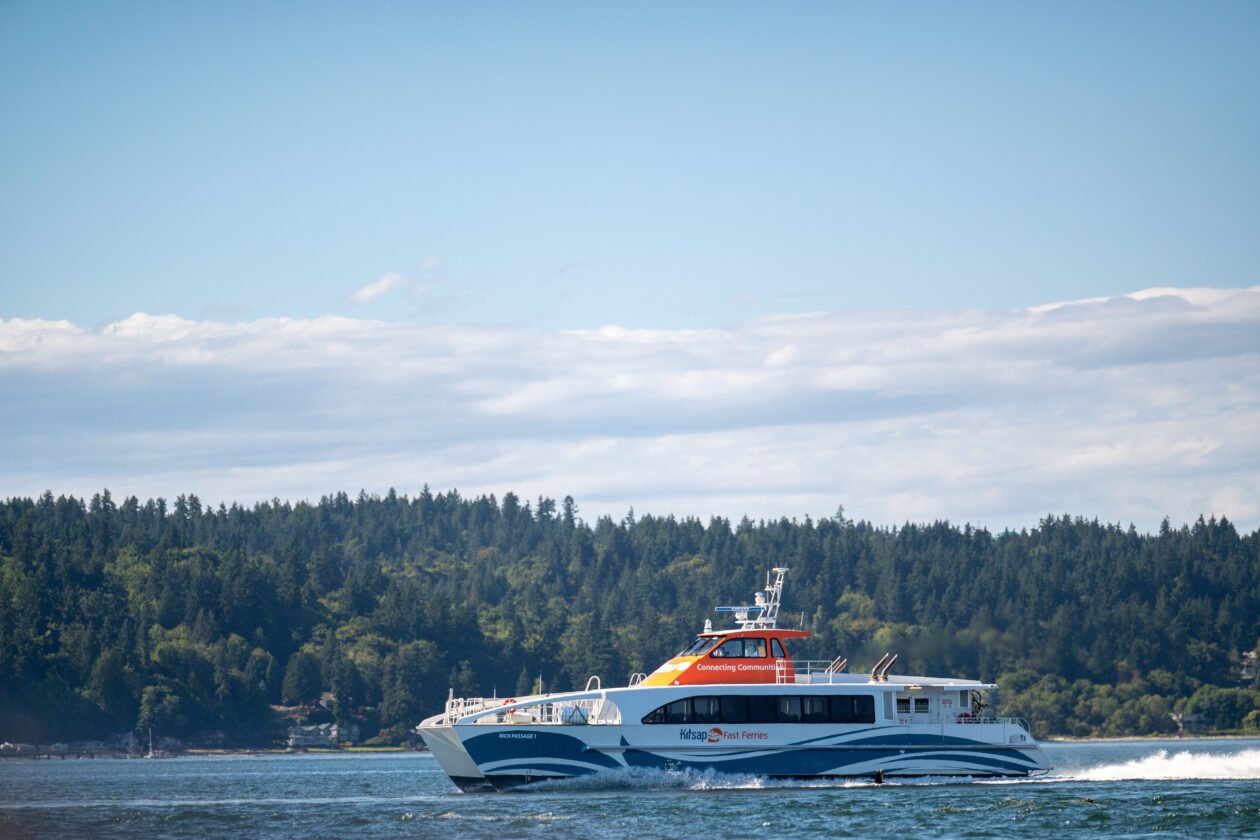
Washington state has long wrestled with the challenges of moving people efficiently across its rugged coastal and island landscapes. In an effort to modernize maritime transit and strengthen ties between the tech sector and regional communities, policymakers are exploring a revived concept reminiscent of the historic “Mosquito Fleet”—a network of fast, frequent ferries that once connected Puget Sound communities. The proposal envisions a fast-tracked, passenger-only ferry service designed to scale with demand, improve worker commutes, expand access to medical care, and boost tourism in areas that are harder to reach by road or rail.
Supporters argue that passenger ferries could provide reliable, time-saving connections for commuters who travel long distances within the Puget Sound region and across nearby waterways. By focusing on passenger services rather than vehicles, the plan aims to hasten deployment, reduce road traffic congestion, and offer an attractive, low-carbon travel option. The initiative also aligns with broader regional strategies to diversify economies, promote sustainable transportation, and leverage Washington’s thriving technology sector to deliver innovative transit solutions.
The concept draws historical inspiration from the Mosquito Fleet, a name given to the dense network of small boats that operated in Puget Sound from the late 19th century into the mid-20th century. Those routes were known for their adaptability, frequent schedules, and strong local ties, characteristics that advocates say could inform a modern, efficient passenger ferry system. The current proposal seeks to blend that heritage with contemporary engineering, digital infrastructure, and safety standards to create a scalable transit model that can adapt to changing demand, weather conditions, and environmental considerations.
This effort unfolds under a broader policy context that emphasizes resilient transportation, climate-conscious planning, and equitable access to mobility. Advocates argue that passenger ferries could reduce travel times for workers commuting from residential communities to employment centers, improve access to healthcare facilities that are dispersed across islands and coastal regions, and open up new opportunities for tourism and local business development. As a public-private collaboration becomes more feasible, the state may explore funding mechanisms, regulatory streamlining, and standardization of vessel design and safety protocols to accelerate deployment while preserving high safety and environmental protections.
The debate around reviving the Mosquito Fleet touches on questions about cost, capacity, and community preferences. Ferry services that prioritize speed and frequency must balance vessel size, occupancy levels, and docking infrastructure, all of which require careful planning and investment. Environmental impacts—such as emissions, fuel consumption, and shoreline disturbances—will be central to project reviews, along with considerations of accessibility for passengers with disabilities, weather-related service disruptions, and resilience to climate change impacts like rising seas and stronger storms.
In summary, the Washington proposal seeks to translate a storied regional transit legacy into a forward-looking, passenger-centric ferry network. If successfully deployed, the system could enhance regional mobility, expand access to essential services, support economic diversification, and strengthen the linkage between technology-driven growth and communities across Puget Sound and neighboring waterways.
In-Depth Analysis
The push to revive a modernized version of the Mosquito Fleet centers on several intertwined objectives: increasing transit options across waterborne corridors, stimulating economic activity in remote communities, and leveraging Washington’s robust tech ecosystem to drive transportation innovation. The proposed model emphasizes passenger-only services, which can simplify regulatory and operational complexities associated with vehicle ferries, potentially enabling faster rollouts and greater route flexibility.
Key drivers behind the proposal include:
– Commuter relief and labor mobility: In a region with dense urban employment hubs and dispersed residential settlements, fast passenger ferries could shave commute times and provide reliable alternatives to congested highways and longer land routes. This is particularly relevant for workers living on the outer islands or along less-connected shoreline communities.
– Healthcare access: By connecting patients with medical centers and specialists located across waters, ferries offer a practical transport option for individuals who otherwise face lengthy or circuitous journeys. Weekend and after-hours service could improve access to critical care and preventive services.
– Tourism and local economies: Coastal towns and island communities often rely on tourism, fishing industries, and small businesses. A well-designed ferry network can increase visitation, support local entrepreneurs, and create a more resilient local economy by diversifying transportation options.
– Technological integration: The initiative aligns with Washington’s tech-forward identity, inviting private sector partners to contribute innovations in vessel design, scheduling optimization, passenger information systems, and safety enhancements. This collaboration may yield improvements in real-time data sharing, contactless payments, and predictive maintenance.
– Climate and environmental considerations: While ferries are typically more energy-efficient per passenger than many road trips, the plan would need to prioritize low-emission vessels, use of clean fuels where feasible, and efficient operations to minimize environmental footprints. Route planning and weather-resilience features would be essential to maintain service reliability.
Operational design considerations pose both opportunities and challenges:
– Vessel type and capacity: Passenger ferries must strike a balance between fast speed, reliability, and cost. Smaller, high-speed craft can shorten travel times but may face higher operating costs and limited weather tolerance. Larger vessels offer greater capacity but require more substantial port infrastructure and higher capital expenditure.
– Docking facilities and access: Port upgrades or new slip arrangements are a prerequisite for frequent service. Accessibility for people with disabilities, pedestrians, and cyclists should be built into every harbor interface. Waterfront communities may require phased investments to minimize disruption during construction.
– Scheduling and frequency: A successful network depends on predictable, frequent service that aligns with work shifts, medical appointments, and peak tourism periods. Real-time data analytics and dynamic routing could help match supply with demand across multiple routes.
– Safety and regulatory alignment: Passenger ferries operate under stringent safety regimes, including vessel integrity, life-saving appliances, crew certifications, and emergency response planning. Adapting to modern standards may involve updates to federal, state, and local rules, as well as coordinated inspections across jurisdictions.
– Environmental impact: Fleet electrification and hybrid propulsion, shore-power opportunities, and efficient hull designs can reduce emissions. Local environmental assessments will be essential to identify potential ecological effects and mitigate shoreline and harbor impacts.
The role of public-private partnerships is central to the plan. Government agencies can provide funding, regulatory guidance, and land-side infrastructure support, while private operators and technology firms contribute capital, innovation, and expertise in service delivery. A phased approach—starting with a few high-demand routes and gradually expanding—could help validate business models, gather passenger data, and refine operations before broader scale-up.
Regulatory modernization is another critical aspect. Streamlining permit processes, standardizing vessel safety and accessibility requirements, and harmonizing schedules across counties could accelerate implementation. Data-sharing agreements and digital identity systems for passengers might enable seamless fare collection and improved security while preserving privacy.
The historical context of the Mosquito Fleet offers both inspiration and caution. The original network thrived because it could rapidly adapt to local demand and weather, providing frequent connections that directly served communities. However, it also faced challenges related to fleet maintenance, seasonal demand variability, and competition for docking space. Modern iterations can leverage predictive analytics, more robust engineering, and integrated multimodal transportation planning to avoid past shortcomings. The objective is to design a sustainable, scalable system that maintains reliability in adverse weather and economic fluctuations.

*圖片來源:Unsplash*
Community engagement will be pivotal. Residents and business owners in coastal and island communities must have a voice in route selections, docking locations, fare structures, and service times. Transparent planning processes, opportunities for public comment, and pilot programs can help build trust and demonstrate the tangible benefits of the new ferry network. Equitable access considerations—such as affordable fares, clear routes, and language accessibility—will contribute to broader adoption and acceptance.
Financing remains a central question. Potential funding sources include state subsidies, federal transportation grants, climate-focused funds, and private investment tied to economic development outcomes. Cost-benefit analyses will need to account for long-term operating costs, capital expenditures, maintenance, and lifecycle replacements. Sensitivity analyses should consider fuel price volatility, labor costs, and demand variability to ensure fiscal sustainability. The governance structure of the network—whether a state-led authority, a public-private entity, or a cooperative model—will influence accountability, risk sharing, and long-term strategic direction.
Another layer of complexity is interoperability with other transportation modes. A well-integrated system could coordinate with bus networks, light rail, and park-and-ride facilities to create seamless door-to-door travel. Park-and-ride developments near ferry terminals, bicycle facilities, and pedestrian-first harbor areas would enhance multimodal accessibility, particularly for commuters and visitors who rely on multiple modes.
The broader regional impact should also consider economic resilience. In the context of climate vulnerability and shifting population patterns, a robust maritime transit system can contribute to disaster preparedness by offering alternative evacuation routes and critical supply corridors when land routes are compromised. The ability to rapidly mobilize people and goods across waterways can help sustain essential services during emergencies and support ongoing recovery efforts.
Technological innovation is likely to be a differentiator. Advanced scheduling algorithms, remote monitoring, autonomous or assisted-operations components (where appropriate and safe), and real-time passenger information systems can improve efficiency and user experience. Data-driven decision-making will enable continuous improvements in frequency, reliability, and safety. The collaboration with tech firms can also position Washington as a testbed for maritime digital twin models, predictive maintenance, and eco-friendly propulsion technologies.
However, several uncertainties require careful attention. Public sentiment, the pace of funding, and the alignment of state priorities with local needs will determine the pace of progress. Environmental review processes will need to balance speed with thorough evaluation of potential impacts. Dock capacity constraints, seasonal demand spikes, and potential opposition from neighboring communities or industries must be anticipated and addressed through inclusive planning and transparent communication.
Ultimately, the proposal to revive a modern Mosquito Fleet emphasizes passenger-focused, scalable maritime transit as a means to connect people, improve access to essential services, and support a thriving regional economy. The expected benefits include reduced commute times, enhanced healthcare access, increased tourism activity, and the stimulation of innovation in transportation technology. If implemented with rigorous safety and environmental standards, strong community engagement, and prudent financial planning, the initiative could become a model for other coastal regions seeking to blend historical transit networks with modern, technology-enabled solutions.
Perspectives and Impact
- Economic vitality: A successful passenger ferry network can stimulate local economies by attracting tourists, supporting waterfront development, and providing reliable access to employment centers. The tech sector’s involvement could accelerate improvements in service design and data management, creating opportunities for startups and established firms to contribute to the system’s growth.
- Workforce implications: For workers who rely on reliable, predictable commutes, ferries can reduce travel times and stress associated with long drives. Improved transit options may broaden the labor pool for employers and support workforce retention in coastal communities.
- Healthcare access: By connecting patients with clinics and hospitals across waterways, the network can reduce barriers to timely medical care, particularly for residents of remote islands and peninsulas. Coordinated schedules with medical facilities can facilitate appointment adherence and outreach programs.
- Tourism and quality of life: Enhanced accessibility to coastal towns may lead to increased visitation, fueling hospitality, dining, and cultural activities. A strong ferry network can also improve the quality of life for residents who value rapid access to regional urban centers for leisure, shopping, and services.
- Environmental strategy: If the fleet prioritizes low-emission propulsion and shore power where feasible, the system could align with climate objectives by reducing per-passenger emissions relative to car travel. Ongoing evaluation of lifecycle environmental costs will be essential to demonstrate true sustainability.
Future implications for Washington include a potential blueprint for other regions with dispersed island and coastal communities. By combining historical insight with modern transportation technology, policymakers aim to deliver a resilient, efficient, and user-friendly ferry system that complements other transit options and supports regional growth. The success of such a project will depend on thoughtful route planning, community engagement, robust funding, and careful attention to safety, accessibility, and environmental stewardship.
Key takeaways revolve around balancing speed and capacity with cost and infrastructure needs, ensuring inclusive access, and fostering collaboration among government agencies, private firms, and local communities. If the plan progresses, it could mark a significant step in reimagining maritime transit in a way that honors regional heritage while embracing the innovations of the 21st century.
Key Takeaways
Main Points:
– Washington explores a fast-tracked, passenger-only ferry network to improve mobility, healthcare access, and tourism in harder-to-reach areas.
– The proposal leverages technology partnerships and aims for scalable, route-flexible operations with modern safety and environmental standards.
– A revived Mosquito Fleet concept emphasizes frequent service, community engagement, and resilient multimodal integration.
Areas of Concern:
– Funding stability, capital costs, and long-term operating expenses.
– Vessel procurement, docking capacity, and weather resilience.
– Environmental impacts and equitable access across diverse communities.
Summary and Recommendations
Washington’s plan to revive a modern Mosquito Fleet seeks to transform maritime transit by delivering passenger-focused, scalable ferry service across Puget Sound and adjacent waterways. By drawing on historical lessons and integrating contemporary technology, the initiative aims to shorten commutes, improve healthcare access, and stimulate regional economies while contributing to climate-positive transportation goals. The path forward will require careful financial planning, regulatory modernization, and a sustained emphasis on safety, accessibility, and community involvement. Early-stage pilots on select routes can help validate demand and operational viability, informing a phased expansion that balances speed with prudent governance. Strong collaboration among state agencies, private operators, and local stakeholders will be essential to realize a durable, efficient, and inclusive maritime transit network.
References
– Original: https://www.geekwire.com/2026/reviving-the-mosquito-fleet-washington-eyes-passenger-ferries-to-scale-maritime-transit-and-tech/
– Additional references to be added based on article content (e.g., state transit planning documents, environmental impact assessment guidelines, and case studies of similar ferry networks).

*圖片來源:Unsplash*