TLDR
• Core Points: Researchers secure $28.5 million from ARPA-H to develop a transplantable 3D-printed liver patch, part of the LIVE project, aiming to temporarily substitute core liver functions.
• Main Content: The Liver Immunocompetent Volumetric Engineering (LIVE) initiative seeks to create living liver tissue that can perform essential hepatic tasks and support patients awaiting full transplants.
• Key Insights: This breakthrough blends tissue engineering, bioprinting, and immunocompetent design to enhance transplant viability and patient outcomes.
• Considerations: Challenges include ensuring vascularization, functional integration, immune compatibility, safety, and regulatory approval for clinical use.
• Recommended Actions: Monitor clinical trial progress, support multidisciplinary collaboration, and prepare ethical and logistical frameworks for eventual deployment.
Content Overview
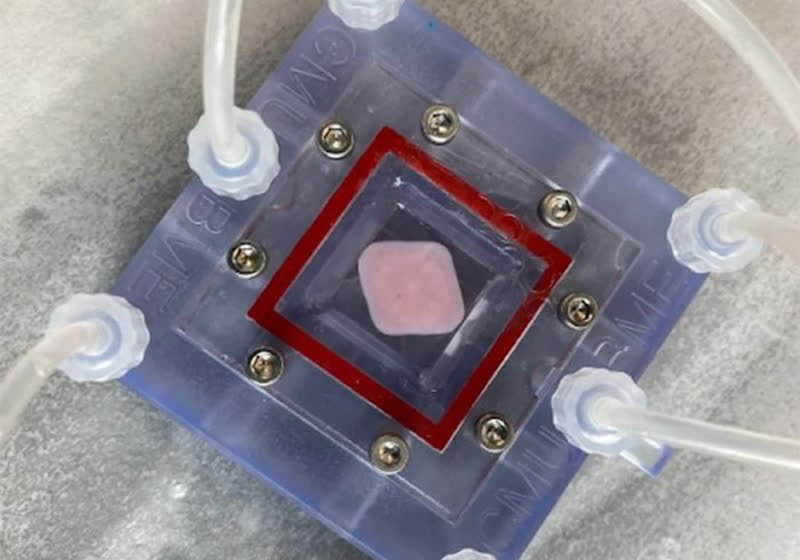
The landscape of organ transplantation faces persistent shortages, prompting researchers to explore innovative, life-saving alternatives. A university team has secured a substantial funding award to advance an ambitious project: developing a transplantable, three-dimensional (3D) printed liver patch designed to temporarily assume key liver functions for patients in need. The award, totaling $28.5 million, comes from the Advanced Research Projects Agency for Health (ARPA-H), an entity focused on funding high-risk, high-reward biomedical research with the potential to transform healthcare.
The Liver Immunocompetent Volumetric Engineering (LIVE) project centers on creating living liver tissue that can be implanted to provide functional support. Rather than aiming to replace the entire liver, the initiative envisions a patch-like construct capable of stepping in during critical periods—such as bridging patients through acute liver failure or during the period waiting for a donor organ. By leveraging cutting-edge bioprinting and tissue engineering strategies, researchers aim to produce a structure that not only resembles liver tissue but also performs essential hepatic tasks, including metabolism and detoxification, to improve patient stability and outcomes.
This funding and project alignment reflect a broader shift in biomedical research toward engineered tissues that can be customized to patient needs, integrate with the body, and provide temporary support while longer-term solutions are pursued. The LIVE project embodies a convergence of material science, cellular biology, immunology, and surgical technique. The aim is to deliver a functional, implantable patch that can be scaled, manufactured, and assessed within rigorous preclinical frameworks before advancing to human trials.
While the ultimate objective is translational, the project will proceed through a series of staged milestones. Early phases focus on optimizing scaffold materials, cell populations, and printing parameters to achieve viable, vascularized tissue with stable function. Subsequent steps address biocompatibility, immune response modulation, durability under physiological conditions, and strategies to promote integration with host tissue. The approach emphasizes iterative testing in relevant animal models to evaluate safety, efficacy, and the patch’s capacity to support hepatic processes without triggering adverse reactions.
This development comes against a backdrop of ongoing debates about the feasibility and timeline of organ bioengineering. Critics note that recreating the liver’s complex architecture and regenerative capabilities remains a formidable challenge, particularly for sustained functionality beyond a patch’s lifespan. Proponents, however, argue that even partial, temporary liver support can save lives, reduce the risk of complications, and buy critical time for patients awaiting transplantation. The LIVE project’s emphasis on immunocompetent design signals a recognition that immune compatibility is central to any implantable solution, potentially mitigating rejection risks and enhancing longevity.
As the research progresses, stakeholders—including clinicians, patients, regulators, and funding agencies—will watch for milestones such as the demonstration of consistent metabolic activity, robust vascularization, and safe, controllable integration with native tissue. If successful, the technology could complement conventional transplantation, offering a modular option that reduces wait times and expands the treatment landscape for liver diseases.
In-Depth Analysis
The liver plays a central role in metabolism, detoxification, protein synthesis, and immune regulation. Acute liver failure and end-stage liver disease remain leading causes of mortality worldwide, with organ shortages intensifying the challenge for patients in need of transplants. The LIVE project’s premise is to engineer a 3D-printed liver patch that can be implanted to temporarily assume core hepatic functions, thereby stabilizing patients and buying time for a donor liver to become available or for recovery in certain contexts.
Key technical pillars underpinning this work include:
– Bioprinting and tissue scaffolding: The project relies on advanced 3D bioprinting to construct hierarchical tissue architectures that resemble liver microanatomy. Scaffold design aims to support cellular organization, nutrient diffusion, and eventual perfusion by the host’s circulatory system.
– Immunocompetent design: A central objective is to minimize immune rejection. This involves selecting cell sources, designing materials, and incorporating immunomodulatory features that reduce host-versus-implant responses, thereby enhancing graft survival.
– Vascularization strategies: A critical determinant of patch viability is the ability to establish and maintain blood vessel networks within the engineered tissue. Efficient vascularization ensures delivery of oxygen and nutrients while enabling metabolic processes to function effectively.
– Functional performance: The patch must demonstrate credible hepatic functions, including phenotypic stability, detoxification pathways (such as processing of toxins and bilirubin), and metabolic activities that support a patient’s physiology under clinical conditions.
– Integration with host biology: Beyond initial survival, the long-term goal is seamless integration with the patient’s liver and systemic metabolism. This involves coordinating with native liver signals, bile production and drainage, and immune tolerance.
The funding arrangement from ARPA-H reflects a strategy to seed transformative, potentially high-impact medical technologies. The LIVE project’s emphasis on temporality—providing short- to mid-term functional support—distinguishes it from efforts aimed at creating fully implantable, permanent liver replacements. By focusing on a patch that can function during critical periods, the project addresses immediate clinical needs while laying groundwork for subsequent advances in organ engineering and regenerative medicine.
Scientific challenges remain substantial. Recreating the liver’s full spectrum of functions within a compact, implantable patch requires precise control of cell types, microenvironment cues, and mechanical properties. Ensuring long-term viability involves maintaining a stable blood supply and mitigating inflammatory or fibrotic responses that can compromise function. Moreover, translating bioprinted tissue from the lab to the clinic entails rigorous safety, ethical, and regulatory considerations, including proving non-inferiority or superiority relative to existing supportive therapies, and establishing standardized manufacturing practices that can be scaled for widespread use.
Beyond technical hurdles, successful clinical translation will demand careful consideration of ethical questions. Patients and clinicians must weigh the benefits of temporary hepatic support against potential risks such as infection, tumorigenicity, or unintended systemic effects. Equitable access and cost considerations will shape how such therapies are deployed, particularly given the significant resource requirements associated with cutting-edge biomanufacturing.
Looking ahead, the LIVE project may interact with a spectrum of related fields. Advances in stem cell biology, organ-on-a-chip models, and bioartificial organ systems could inform design choices and performance benchmarks. Collaborations with transplant centers, regulatory bodies, and patient advocacy groups will be essential to align research goals with real-world clinical needs and patient safety standards. The project’s progress could influence future policies and funding priorities related to organ scarcity, regenerative medicine, and the adoption of engineered tissues in clinical practice.

*圖片來源:Unsplash*
Perspectives and Impact
The potential impact of transplantable, 3D-printed liver tissue extends across several dimensions—clinical, scientific, and societal. From a patient perspective, a viable liver patch could provide life-saving time during crises, reduce the severity of complications associated with liver failure, and improve overall survival while awaiting donor organs. For clinicians, such a technology could become a valuable addition to the therapeutic arsenal, offering a controllable and modular approach to liver support that complements existing medical and surgical strategies.
Scientifically, the LIVE project contributes to a broader movement toward precision biomanufacturing. By integrating immunocompetent design with advanced printing techniques, researchers are exploring ways to create living tissues that not only resemble native organs but also interact more harmoniously with host biology. Successful demonstrations could spur further investments in tissue engineering, prompting cross-disciplinary collaboration among material science, immunology, and bioengineering.
Economically, breakthrough therapies that alleviate reliance on scarce donor organs could reshape healthcare workflows and resource allocation. However, they also introduce new cost dynamics related to manufacturing, quality control, and post-implant monitoring. Policymakers and payers will need to assess coverage, reimbursement models, and long-term outcomes to determine cost-effectiveness and accessibility for diverse patient populations.
Ethically, the development of implantable, living tissues raises questions about consent, risk, and equity. Ensuring informed patient choices, transparent communication about experimental status, and ongoing post-implant surveillance will be critical. Researchers must also consider the implications of immunomodulatory strategies and the potential for unintended immune effects, requiring robust oversight and participant protections in clinical phases.
In terms of future implications, the LIVE project’s trajectory could influence the standard of care for severe liver disease. While full organ transplantation remains the ultimate treatment for many patients, a proven, effective liver patch could reduce wait times, lower mortality during acute liver failure episodes, and extend the window for successful transplantation. Over time, iterative improvements in bioprinting resolution, scaffold materials, and cellular composition may broaden the patch’s functional reach and durability, potentially enabling longer-lasting or even fully regenerative solutions for liver tissue.
The collaboration involved in such pioneering work is notable. It requires the convergence of expertise from universities, medical centers, engineering schools, and industry partners. The multi-disciplinary effort reflects the evolving nature of modern biomedical research, where complex health problems demand integrated approaches that span bench to bedside. The ARPA-H investment signals confidence that, with methodical advancement and careful clinical translation, this line of inquiry can move from concept to practical, life-saving interventions.
As the field progresses, there will be a growing emphasis on standardized evaluation criteria for bioprinted liver tissues. Benchmarks might include measures of viability, metabolic function, protein synthesis, detoxification activity, response to drugs, and resilience under physiological stress. Regulatory science will play a pivotal role in delineating acceptable risk profiles, manufacturing consistency, and long-term safety monitoring protocols for implantable tissue products.
Key Takeaways
Main Points:
– A $28.5 million ARPA-H grant supports the LIVE project to develop a transplantable 3D-printed liver patch.
– The patch aims to temporarily perform core liver functions, aiding patients awaiting transplant.
– Immunocompetent design and vascularization are central to the approach to enhance compatibility and function.
Areas of Concern:
– Achieving stable, long-term vascular integration within a patch-sized construct.
– Ensuring safety, including immune responses, oncogenic risk, and infection control.
– Navigating regulatory pathways and scalable manufacturing for clinical use.
Summary and Recommendations
The LIVE project represents a bold step in the field of organ bioengineering, focusing on a transplantable liver patch that can provide temporary hepatic support. By combining 3D bioprinting, immunocompetent design, and strategies for vascularization, this initiative seeks to address a critical gap created by organ shortages. While technical hurdles remain—particularly around vascular integration, functional stability, and immune safety—the potential clinical payoff is substantial: more time for patients in crisis, reduced mortality during acute liver failure, and expanded opportunities for successful transplantation.
To maximize the chances of meaningful, timely progress, it will be essential to maintain rigorous preclinical validation, establish clear regulatory milestones, and engage with ethics and patient advocacy groups early in the process. Equitable access considerations should be embedded from the outset to ensure that eventual therapies are accessible to diverse patient populations. Continued cross-disciplinary collaboration, transparent data sharing, and thoughtful consideration of cost and logistics will be crucial as this promising technology moves toward clinical reality.
References
- Original: https://www.techspot.com/news/111044-scientists-print-human-liver-tissue-breakthrough-could-save.html
- Additional references:
- ARPA-H: About the Advanced Research Projects Agency for Health and its mission
- Liver tissue engineering and bioprinting review articles (recent peer-reviewed sources on liver bioprinting, immunocompatibility, and vascularization strategies)
- Clinical translation frameworks for implantable tissues and organs

*圖片來源:Unsplash*