TLDR
• Core Points: Sofas are evolving from mere comfort zones to design anchors; 2026 trends emphasize sustainability, modularity, bold fabrics, and multifunctional forms.
• Main Content: A curated look at seven viral sofa trends redefining living spaces with practical tips for styling, maintenance, and room balance.
• Key Insights: Personalization, sustainable materials, and adaptable configurations drive aesthetics and function in contemporary homes.
• Considerations: Budgeting for durable fabrics, spatial planning for modular systems, and selecting colors that endure beyond trends.
• Recommended Actions: Audit current seating, experiment with modular arrangements, and choose fabrics and colors with longevity.
Content Overview
The year 2026 marks a pivotal moment in interior design, where sofas are no longer viewed solely as seating but as central design statements. The seven viral trends highlighted for 2026 illuminate how modern homes pursue a blend of comfort, sustainability, adaptability, and personality. These trends reflect broader shifts toward eco-conscious production, modular living, and a willingness to mix textures, colors, and forms to create spaces that respond to changing routines and technologies. The article synthesizes insights from design influencers, consumer behavior, and product innovations to present practical guidance for homeowners, designers, and style enthusiasts.
Sofas serve as the backbone of living spaces, guiding layout, traffic flow, and focal points. In 2026, they are expected to be more than functional furniture; they are expected to convey mood, reflect values, and adapt to a spectrum of activities—from lounging and working remotely to hosting gatherings. This overview emphasizes how seven core trends encourage a balance between practicality and aesthetic impact, while offering actionable steps for incorporating these ideas into real-world interiors. Each trend is explored with regard to materials, shapes, color palettes, maintenance considerations, and potential cost implications, ensuring readers can make informed decisions that align with their space and lifestyle.
In-Depth Analysis
1) Sustainable and Provenance-Driven Materials
Sustainability remains a central priority in 2026 sofa design. Consumers increasingly favor materials with transparent supply chains, recycled or upcycled components, and lower environmental impact. Upholstery fabrics made from recycled plastics, responsibly sourced natural fibers, and high-durability, easy-care synthetics are gaining popularity. Leather alternatives, such as plant-based or lab-grown options, are expanding the palette without compromising feel. For many buyers, life-cycle considerations—durability, repairability, and end-of-life recyclability—outweigh initial cost. Maintenance and cleaning ease are important; stain-resistant finishes and colorfast fabrics reduce long-term upkeep. Designers also emphasize modularity and repairability, enabling sections to be replaced or reupholstered without discarding the entire piece.
2) Modular and Configurable Systems
Modularity continues to redefine sofa layouts. Sectionals with interchangeable modules allow configurations to adapt to room dimensions, routines, and changing occupants. Corner units, chaise modules, and armless sections enable fluid rearrangements for entertaining, work-from-home needs, or family time. This trend supports small-space living by maximizing seating without overwhelming the floor plan. Materials and finishes for modular systems increasingly emphasize uniformity so pieces can be mixed and matched without sacrificing cohesiveness. Durability remains critical, as modular components must withstand frequent reconfiguration.
3) Bold, Textured Fabrics and Rich Tones
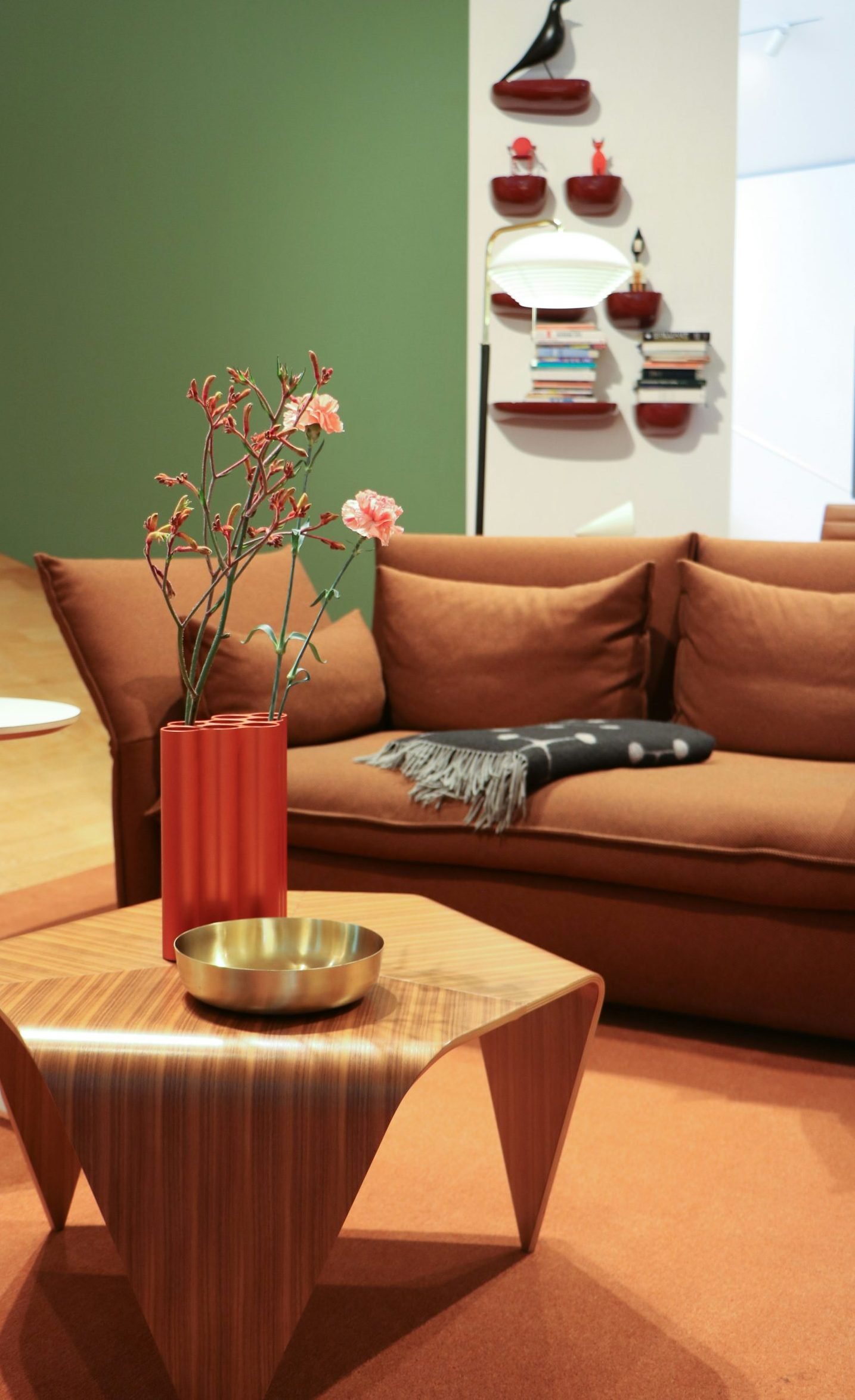
Textural variety adds depth and tactile interest to living spaces. Fabrics with pronounced weaves, boucle, velvet, and tactile knits provide visual warmth and comfort. Deep, saturated hues—from emerald greens and sapphire blues to clay reds—offer dramatic backdrop options or can be used as accent elements within a lighter room palette. Patterned fabrics, such as subtle geometric weaves or organic motifs, can create focal points without overwhelming a space. The trend favors color blocking or pairing statement sofas with more restrained surrounding furniture to maintain balance.
4) Comfortable, Low-Slung Silhouettes
Low-profile, generously cushioned sofas prioritize comfort and a relaxed aesthetic. These silhouettes pair well with contemporary spaces that favor openness and airiness. The lower seat height can create a sense of grounding and intimacy in larger rooms, while a broader depth invites lounging and snuggling. To avoid a heavy look in smaller rooms, designers suggest pairing low, wide sofas with slim-profile coffee tables and light, vertical accents, such as slender floor lamps or tall plants, to preserve sightlines.
5) Integrated Tech and Multifunctional Features
Smart functionality and thoughtful integrations are increasingly common. Power outlets, wireless charging pads, built-in USB ports, and discreet cable management keep living areas tidy and functional. Some sofas incorporate modular compartments for storage, hidden reclining mechanisms, or pull-out trays for laptops and tablets. This trend aligns with modern living where flexible spaces accommodate both relaxation and productivity. Durability and safety are essential, particularly with powered components or mechanical systems, so quality hardware and reliable warranties are critical considerations.
6) Color as a Design Statement
Sofas in 2026 often serve as bold color anchors within a room. Rather than relying solely on neutral upholstery, designers encourage choosing one strong color—whether a vibrant jewel tone or a sophisticated earth shade—and letting the rest of the space complement it. This approach helps establish a room’s personality and can drive the color story across curtains, cushions, and art. For versatility, designers propose selecting durable, colorfast fabrics and using throw pillows to experiment with color trends before committing to larger investments.
7) Sustainable Maintenance and Repairability
In line with environmental awareness, 2026 trends emphasize maintenance practices that extend a sofa’s life. Removable, washable covers and stain-resistant finishes are popular; modular pieces are favored for their repairability, allowing worn sections to be replaced rather than discarding entire units. Consumers are increasingly drawn to brands offering repair services, spare parts, and take-back programs to minimize waste. This trend not only reduces environmental impact but also enhances long-term value and total cost of ownership.

*圖片來源:Unsplash*
Perspectives and Impact
The 2026 sofa trends signal a maturation in consumer priorities, where aesthetics and function are balanced with sustainability and adaptability. The shift toward sustainable materials and repairability reflects a broader cultural emphasis on responsible consumption. Modular configurations respond to evolving living patterns—multi-use spaces, remote work, and socializing—by providing flexible solutions that can be reconfigured with relative ease. Bold fabrics and color-forward choices empower individuals to express personality and mood, turning the sofa into a central storytelling piece within a room.
From a design industry perspective, these trends influence manufacturing practices, supply chains, and product development. Brands are investing in transparency about material sources, traceability, and end-of-life programs. The rise of modular systems encourages standardized connection points and compatible accessories, supporting easy customization. Technological integrations in seating components push the market toward smarter, more connected living environments.
Looking ahead, these trends may shape housing considerations at the architectural level as well. Builders and interior designers could incorporate standardized sofa modules into floor plans, allowing residents to adapt spaces without extensive redesigns. As urban living spaces continue to shrink in some markets, the demand for compact, modular, and easy-to-maintain seating will likely grow, influencing resale value and rental aesthetics.
Homeowners should consider how these trends align with their lifestyle, space constraints, and design goals. A sustainable approach prioritizes materials with low environmental impact and long service life. A modular strategy accommodates future changes in family size, hobbies, or work arrangements. Color and texture choices should be selected with an eye toward longevity, ensuring the investment remains visually appealing beyond seasonal trends. Ultimately, the most successful sofa choices in 2026 blend comfort, durability, and personal expression.
Key Takeaways
Main Points:
– Sofas act as central design anchors, combining comfort with visual impact.
– Sustainability and repairability dominate material and construction choices.
– Modularity enables flexible layouts that adapt to changing routines.
Areas of Concern:
– Higher upfront costs for durable, sustainable materials or modular systems.
– Limited availability of certain fabrics or components in some markets.
– Ensuring color and texture longevity amid evolving trends.
Summary and Recommendations
Sofa design in 2026 centers on balancing form, function, and responsibility. The seven viral trends—from sustainable materials and modular configurations to bold textures and integrated technology—offer pathways to create living spaces that are inviting, adaptable, and enduring. Homeowners should start with a practical assessment of space, lighting, and daily routines to determine which trends best fit their needs. A modular approach provides future-proof flexibility; investing in durable, easy-care fabrics supports long-term value. Introducing a bold sofa color or texture can define a room’s character, but pairing it with a cohesive, restrained backdrop ensures versatility as trends evolve. Finally, prioritize brands that emphasize repairability, part availability, and transparent sustainability metrics, reinforcing a responsible approach to furnishing that can stand the test of time.
In practice, begin by auditing existing seating: identify which sections are underutilized, which pieces could be reconfigured, and where wear is most evident. Consider a modular sofa for a living room that serves as a family hub and guest-lounge area. If you opt for a statement color or texture, balance it with neutral surroundings to preserve longevity. For maintenance, choose removable covers or fabrics with easy cleaning properties to minimize total cost of ownership. By embracing these trends with a thoughtful, measured strategy, 2026 can deliver both a refreshed aesthetic and a more functional, sustainable living environment.
References
- Original: https://abeautifulspace.co.uk/7-viral-sofa-trends-in-2026/
- Additional references:
- https://www.architecturaldigest.com/
- https://www.dezeen.com/
- https://www.housebeautiful.com/
Note: The above references are suggested sources for further reading on sofa trends and interior design concepts referenced in this article.

*圖片來源:Unsplash*