TLDR
• Core Points: Starlink unveils V2 satellites delivering up to 100x data density; Direct to Cell rebrands as Starlink Mobile, enabling smartphone-to-satellite connectivity without user terminals.
• Main Content: The shift marks a broader strategy to extend satellite internet access directly to mobile devices, reducing hardware barriers and expanding coverage.
• Key Insights: Higher data density on V2 improves capacity and service quality; mobile integration could redefine remote connectivity and roaming options.
• Considerations: Deployment timelines, regulatory approvals, spectrum management, and user device compatibility will shape rollout.
• Recommended Actions: Monitor SpaceX cadence for V2 deployment, device ecosystem readiness, and partnerships to accelerate adoption.
Content Overview
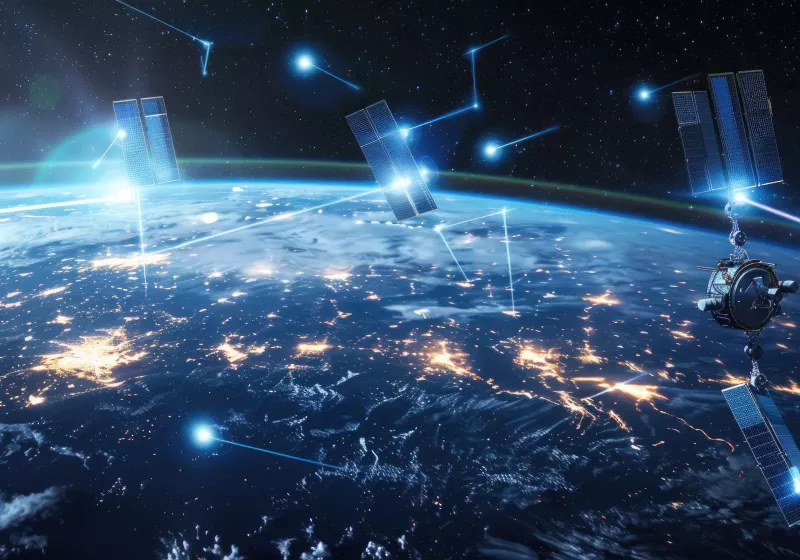
Starlink, the satellite broadband service from SpaceX, is advancing its architecture with the introduction of second-generation (V2) satellites that deliver significantly higher data density from orbit—advertised as up to 100 times more data capacity per satellite compared with the original systems. This technological upgrade comes alongside a strategic rebranding of Starlink’s Direct to Cell service as Starlink Mobile. The core idea of Starlink Mobile is to provide connectivity directly between smartphones and the Starlink satellite network without requiring specialized user terminals such as dishes or other ground-based hardware.
The implications of these developments are substantial for the broader satellite internet landscape. If realized at scale, higher data density enables more users, higher throughput, and potentially lower latency per user, which could translate into better performance for a range of applications from streaming and remote work to critical communications in underserved regions. By removing the need for dedicated ground terminals for certain use cases, Starlink Mobile could dramatically simplify access, especially for travelers, rural residents, and developing markets where equipment costs and setup complexity have historically constrained adoption.
This transformation aligns with a broader industry trend toward more user-friendly, ubiquitous connectivity via space-based infrastructure, complementing terrestrial networks to provide more resilient and ubiquitous internet access. The following sections provide a deeper look into what V2 satellites promise, how Starlink Mobile rebranding fits into the company’s strategy, and what stakeholders should consider as these capabilities move from concept to potential deployment.
In-Depth Analysis
Starlink’s move to V2 satellites represents a significant architectural leap for the network’s capacity and scalability. The new generation is designed to pack substantially more data into low Earth orbit than the original satellite constellation. In practical terms, this can be interpreted as more channels, higher spectral efficiency, and improved beam-forming capabilities. The result is a network that can support more simultaneous users and higher bandwidth per user, especially in regions where ground infrastructure is sparse or inconsistent.
A central feature of the V2 initiative is the emphasis on higher data density from orbit. While exact technical figures are often proprietary, the stated objective of up to 100x data density implies a disproportionate increase in usable capacity without a commensurate increase in ground infrastructure. This can translate into better service continuity when demand spikes, the ability to sustain higher-quality streaming and real-time communications, and improved performance in latency-sensitive applications.
Concurrently, the rebranding of Direct to Cell as Starlink Mobile signals a shift in product strategy from serving installations tied to fixed user terminals to enabling direct smartphone connectivity with the satellite network. This approach lowers the barrier to entry for end users who no longer need to purchase and install satellite dishes or specialized modems. Instead, consumer devices—charging and network integration permitting—could connect directly to satellites as long as regulatory and device ecosystem requirements are met. The practical implications include simpler onboarding, faster time-to-market for mobile connectivity services, and the potential to broaden Starlink’s addressable market beyond fixed broadband-like use cases to on-the-go, mobile scenarios.
However, the transition to satellite-to-smartphone connectivity is not without challenges. Key factors include:
- Device compatibility and proliferation: For direct-to-phone connections to be viable, Starlink would need widespread hardware and software support across modern smartphones, including secure handoffs, robust modem integration, and power management that can handle intermittent satellite visibility.
- Regulatory and spectrum considerations: Direct-to-cell operations cross into spectrum allocation, licensing, and emergency-use considerations that vary by country. Regulatory approvals and harmonized standards will influence the speed and breadth of deployments.
- Network handoffs and roaming: Seamless handoffs between satellites and, potentially, terrestrial networks will be crucial to maintain consistent user experiences, particularly in urban areas with dense networks and in roaming scenarios across borders.
- End-user device ecosystem: The user experience hinges on apps, firmware, and network configurations that can abstract the complexity of satellite communication from everyday users. This includes security features, data plans, and fair usage policies.
- Weather and line-of-sight constraints: Even with advanced beamforming, satellite connectivity can be affected by environmental conditions and obstructions, making reliability an ongoing focus for operators and hardware designers.
Strategically, Starlink Mobile’s success will depend on how well SpaceX can integrate satellite capacity with consumer-friendly devices and services. The goal is not merely to deliver raw bandwidth, but to provide a reliable, affordable, and secure user experience that differentiates Starlink from traditional cellular networks and other satellite providers. The V2 satellites’ higher data density provides the backbone for such a service, enabling more users to be served with acceptable performance within the same orbital shell and ground segment framework.
From a competitive standpoint, Starlink’s approach seeks to complement terrestrial networks and fill gaps in coverage rather than replace them outright. In practice, this means prioritizing remote and underserved regions, maritime and aviation markets, disaster response scenarios, and locations with poor connectivity where the value proposition of a satellite-backed mobile connection becomes compelling. The end result could be a more resilient global communications fabric where users expect more ubiquitous mobile internet access, even in remote or challenging environments.
SpaceX’s broader mission with Starlink includes ongoing expansion of its satellite fleet, improvements in ground infrastructure, and continued development of services that can operate across a wide range of devices and use cases. The V2 push, paired with Starlink Mobile, signals a push toward more flexible, user-centric satellite services that can operate independently of fixed terminal hardware. As with all space-based ventures, timelines, testing, and regulatory clearances will shape the pace of deployment, and industry observers will look for concrete milestones in launch cadence, ground segment upgrades, and the availability of consumer-facing applications and devices.
Perspectives and Impact
The potential impact of Starlink V2 satellites with high data density extends beyond improved consumer internet experiences. For remote education, healthcare, and disaster response, the ability to support higher data rates and more stable connections from space could change operational models. Rural clinics could transmit medical data more efficiently, schools could facilitate remote learning with higher quality video, and first responders could coordinate more effectively in emergencies where terrestrial networks are compromised.

*圖片來源:Unsplash*
In the enterprise space, industries such as mining, oil and gas, and large-scale agriculture could benefit from more reliable field communications without heavy infrastructure on the ground. V2 data density enables more simultaneous users on a single satellite, which is crucial for dense user environments where bandwidth contention and latency are critical constraints. This capability can also enable more robust Internet of Things (IoT) deployments in remote areas, where sensors and devices require consistent uplink and downlink performance for real-time monitoring and decision support.
The Starlink Mobile initiative, if successfully executed, could redefine the mobile device experience in challenging environments. Consumers would be able to connect smartphones directly to satellites without external transceivers, which could lead to new business models, such as pay-per-use mobile satellite data or bundled services that integrate with existing cellular plans. It could also foster broader adoption of satellite connectivity in regions with weak terrestrial infrastructure, potentially reducing the digital divide and supporting global connectivity goals.
Regulatory and policy considerations will play a significant role in shaping how quickly Starlink Mobile operates in different markets. Spectrum management, international coordination, and export controls on satellite technology will influence deployment timelines. Collaboration with mobile network operators, device manufacturers, and regulators will be essential to ensure compatibility, safety, and privacy standards are met. The industry will also be watching for how Starlink balances network neutrality principles, data prioritization, and fair access as mobile satellite connectivity becomes more commonplace.
The consumer experience will hinge on the smooth integration of Starlink Mobile with everyday devices. Users will expect straightforward setup, transparent pricing, and reliable performance whether they are at home, traveling, or in remote locales. Security considerations—such as encryption, authentication, and protection against spoofing or interception—will be paramount given the sensitivity of data transmitted over satellite links.
The broader implications for the satellite internet market include increased competition and potential partnerships between SpaceX and other players in the ecosystem. If Starlink can deliver a compelling mobile experience with high data density at scale, it could push other satellite operators to accelerate their own capacity enhancements and mobile strategies. This competitive dynamic could stimulate innovation, drive down costs, and expand the practical reach of satellite-backed connectivity.
Looking forward, the success of V2 satellites and Starlink Mobile will depend on a combination of technical execution, regulatory alignment, and market incentives. The next steps are likely to include test deployments, pilot programs in select regions, and collaborations with device manufacturers to introduce compatible smartphones or software updates that support direct satellite connectivity. The timeline for full-scale rollout remains a subject of anticipation, with stakeholders watching for concrete launch dates, service availability windows, and user-facing features that demonstrate the viability of a truly mobile, satellite-connected world.
Key Takeaways
Main Points:
– Starlink advances to V2 satellites with substantially higher data density, increasing potential network capacity from orbit.
– Direct-to-Cell service is rebranded as Starlink Mobile, aiming to connect smartphones directly to the Starlink network without dedicated user terminals.
– The combination of higher orbital capacity and mobile access could simplify usage, expand reach, and enable new business models and use cases.
Areas of Concern:
– Regulatory hurdles and spectrum licensing across different regions.
– Device ecosystem readiness and standardization for direct smartphone connectivity.
– Real-world performance in varied environments and during mobility.
Summary and Recommendations
Starlink’s V2 satellite initiative and the rebranding of Direct to Cell to Starlink Mobile mark a pivotal shift toward higher-capacity, more user-centric satellite connectivity. The promise of up to 100x data density from orbit suggests a future where Starlink can accommodate a larger number of users with improved throughput and service consistency. By enabling direct smartphone connectivity without external ground terminals, Starlink Mobile could lower barriers to adoption, broadening the addressable market to include travelers, rural residents, and regions with limited terrestrial infrastructure.
Nevertheless, achieving these benefits in practice will require navigating a series of complex challenges. Regulatory approvals in multiple jurisdictions, spectrum management, and device interoperability are central to the pace of deployment. The success of Starlink Mobile will depend on delivering a seamless user experience—encompassing straightforward onboarding, secure connections, and reliable performance across a range of devices and environments. Partnerships with smartphone manufacturers, app developers, and mobile operators could accelerate adoption by ensuring hardware compatibility and expanding service reach.
In the near term, stakeholders should monitor the company’s published milestones, launch schedules for V2 satellites, and any announced pilots or field trials around direct-to-device connectivity. For consumers and enterprises alike, the potential payoff is significant: a more ubiquitous, resilient, and accessible form of internet that complements terrestrial networks rather than replacing them. If SpaceX can translate the theoretical advantages of V2’s higher data density into real-world improvements in speed, latency, and coverage—especially in hard-to-reach areas—the impact on global connectivity could be transformative.
Overall, the coming phases of Starlink’s evolution will shape how the world experiences mobile broadband from space. The blend of advanced satellite technology and an invasive, user-friendly approach to device connectivity holds the promise of broader access, greater resilience, and new ways of thinking about where and how we stay connected.
References
- Original: https://www.techspot.com/news/111537-spacex-starlink-v2-deliver-100x-data-density-pushing.html
- Additional context and related coverage:
- SpaceX Starlink official announcements and product updates
- Regulatory guidance on satellite-to-mobile connectivity in key markets
- Industry analyses of Low Earth Orbit (LEO) satellite capacity and beamforming advancements

*圖片來源:Unsplash*