TLDR
• Core Points: Mirror walls are returning in 2026 with moody, sophisticated vibes; balance, texture, and lighting are key.
• Main Content: A fresh take on reflective design emphasizes coziness through materials, soft furnishings, and warm illumination.
• Key Insights: Strategic placement, varied mirror shapes, and mixed materials elevate spaces without feeling clinical.
• Considerations: Maintenance, lighting warmth, and room scale must be carefully managed to avoid glare or overcrowding.
• Recommended Actions: Plan with layered textures, choose warm-toned lighting, and curate reflections to highlight architectural features.
Content Overview
Mirror walls have reemerged as a notable interior design trend for 2026, but this time the approach is more nuanced than in earlier eras of reflective surfaces. Gone are the days when a full gloss panel could dominate a room without consequence. The modern mirror wall trend embraces moody tones, tactile materials, and thoughtful lighting to transform reflections into a design element rather than a mere optical illusion. This evolution aligns with broader shifts toward cozy, hygge-inspired aesthetics and the growing demand for spaces that feel both expansive and inviting. By weaving mirrors into carefully curated environments, designers are achieving a balance between drama and warmth, creating rooms that feel larger without sacrificing comfort.
Historical context helps illuminate why this trend is resurfacing. Mirrors have long been used to amplify natural light, create the illusion of space, and reflect architectural details. In 2026, however, the goal is more than visibility: it’s about emotional ambiance. The trend leverages moody palettes, warm lighting, and varied textures to temper the reflective glare and to ensure that the surface reads as an intentional design feature rather than a clinical surface. This nuanced approach resonates with modern living patterns that favor multi-functional spaces—areas that double as work zones, lounges, and intimate gathering spots—without sacrificing a sense of warmth and personality.
In-depth Analysis
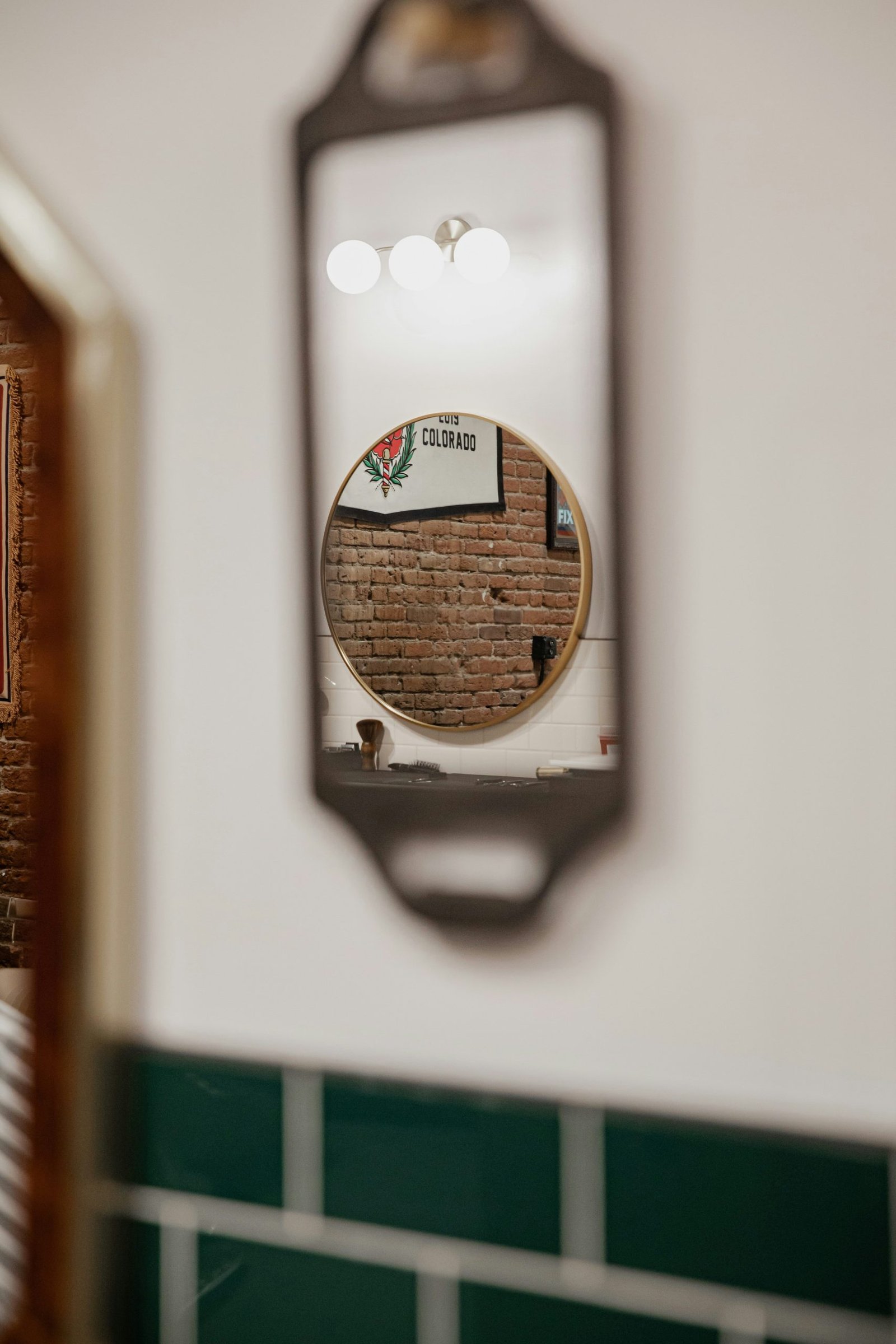
A refreshed perspective on mirror walls begins with material selection. Contemporary projects favor a mix of mirror types: smoked, bronze-tinted, or mirrored panels with soft edges, paired with matte, natural textures such as wool, linen, wood, or cork. The juxtaposition of shiny surfaces with tactile textures creates depth and prevents the room from feeling cold or sterile. In this context, mirrors act as amplifiers of existing design elements rather than standalone decorations. When placed correctly, they reflect architectural features like staircases, fireplaces, or art, while also doubling as light reflectors that brighten shaded corners.
Color and mood play central roles. While high-gloss, ultra-bright mirrors can contribute a stark, gallery-like vibe, the 2026 interpretation leans toward warmer, more nuanced reflections. Introducing warmer lighting—soft white to warm amber tones—reduces harsh glare and helps the mirror surfaces blend with surrounding materials. Designers are increasingly pairing reflective walls with color palettes that range from earthy beiges and taupes to charcoal and deep greens. This restrained approach ensures that the mirrors enhance rather than overpower the space.
Lighting strategies are pivotal. Since mirrors amplify light, lighting choices must be calibrated to create a layered glow rather than a single glare. Ambient lighting sets the overall mood, while task lighting can highlight artwork or architectural details without creating unsightly hotspots on the mirrored surface. Accent lighting, such as concealed LEDs or wall sconces, can imbue the reflectivity with warmth and texture. The aim is to cultivate a soft radiance that fosters comfort while preserving the reflective qualities that make mirrors feel spacious and bright.
Strategic placement matters. Instead of covering large expanses with paneled mirrors, designers emphasize selective installation. A prominent mirror wall might flank a seating area to visually enlarge the room and frame a focal point, such as a fireplace, window, or art piece. Smaller, paired mirrors on adjacent walls can create subtle dynamism, while still maintaining a cohesive look. The use of geometry—mirror shapes that echo the room’s architectural lines or introduce gentle curves—can soften the effect and contribute to a curated, intentional appearance.
Functionality remains essential. Beyond aesthetics, the practical benefits of mirror walls include light amplification, spatial perception enhancement, and even practical tasks such as makeup or grooming in residential contexts. In multi-use spaces, mirrors can be positioned to optimize natural light during the day and to reflect artificial light in the evening. However, designers caution against overuse, which can lead to a fragmented or busy look. The goal is to strike a balance between reflection and intimacy, ensuring the space remains comfortable for daily living.
Sustainability and maintenance considerations are increasingly relevant. Modern mirror products offer lower maintenance options, such as anti-fog coatings for bathrooms or treated surfaces that resist fingerprints and streaks. For households mindful of cleaning time, selecting high-quality mirrored panels or smart mirrors with built-in lighting and anti-smudge features can reduce upkeep. It’s also wise to consider the environmental footprint of materials used in conjunction with the mirrors, favoring sustainably sourced woods, recycled metals, and low-VOC paints to maintain an eco-conscious design approach.

*圖片來源:Unsplash*
The social and cultural dimension of this trend is also noteworthy. Mirror walls invite interaction with space and people, encouraging conversations about light, perception, and interior personality. They can be used to create a sense of openness in smaller homes, or to add dramatism to larger, more formal interiors. The trend aligns with a broader interest in customizing interiors to reflect individual taste while still maintaining a universal sense of comfort and welcome. In this sense, the mirror wall becomes a canvas—one that reflects not only surfaces but also the personalities and routines of those who inhabit the space.
Perspectives and Impact
As designers experiment with mirror walls in 2026, several implications emerge for residential and commercial settings. In homes, the trend can redefine room functions, enabling more flexible layouts and multi-purpose spaces. A living room with a mirror wall can feel larger, more airy, and more interconnected with adjoining rooms or outdoor views. In kitchens and bathrooms, carefully placed mirror panels can enhance perceived space and brightness, provided glare is managed and reflections are purposeful. Commercial spaces benefit from the same principles: mirrors can expand storefronts, elevate hospitality lobbies, and brighten work floors without demanding excessive daylight.
The psychological effects of mirror walls are also of interest. Reflections can foster a sense of openness and curiosity, but excessive surface can provoke a cold, impersonal atmosphere if not tempered with warmth. Designers emphasize creating a “soft focus” effect through layered textures and subdued lighting. The trend’s success depends on harmony among materials, color, scale, and light—elements that collectively help spaces feel both expansive and intimate.
Future implications include ongoing innovations in mirror technology and sustainable materials. Anti-fog engineering, self-cleaning coatings, and smart mirror features that adjust lighting or display ambient information could become standard in many interiors. The integration of mirrors with other reflective or translucent materials—glass, acrylic, or polished metal—may yield new combinations that maximize light diffusion while maintaining comfort. Additionally, as urban living spaces continue to shrink in some markets, mirror walls could play a more prominent role in making compact interiors feel more breathable and connected to their surroundings.
Key takeaways include the importance of deliberate design decisions. The trend is less about simply installing large mirror surfaces and more about creating a cohesive, cozy environment where reflections are treated as a design asset. The best executions balance warmth and glamour, texture and shine, practicality and romance. When implemented thoughtfully, mirror walls can transform a space by enhancing light, amplifying architectural features, and contributing to a welcoming atmosphere that remains intimate.
Key Takeaways
Main Points:
– Mirror walls are making a measured comeback in 2026, emphasizing moody warmth and cohesive styling.
– Layered textures and warm lighting are essential to avoid a harsh, clinical look.
– Strategic placement and varied mirror shapes contribute to depth and personality.
Areas of Concern:
– Potential glare, overcrowding, or reflections on screens and artwork.
– Maintenance requirements for larger mirrored surfaces.
– Ensuring warmth of color and scale to suit the room’s size and function.
Summary and Recommendations
The mirror wall décor trend for 2026 represents a sophisticated evolution of reflective interior design. By prioritizing warmth, texture, and thoughtful lighting, homeowners and designers can harness the expansiveness that mirrors provide while maintaining a cozy, intimate atmosphere. The trend encourages a balanced approach: use mirrors to reflect key architectural details and natural light, but pair them with tactile materials and soft lighting to create spaces that feel both airy and inviting. Consumers should focus on deliberate placement, appropriate mirror types, and lighting strategies that emphasize comfort and functionality. Careful planning will ensure that mirror walls contribute positively to daily living, aesthetics, and the overall mood of a space.
References
– Original: https://abeautifulspace.co.uk/the-mirror-wall-decor-trend-for-2026-how-to-make-it-cosy-chic/
– Additional references (suggested for further reading and context):
– https://www.architecturaldigest.com
– https://www.houseandgarden.co.uk
– https://www.dezeen.com

*圖片來源:Unsplash*